Task and context: what should change
The project’s first working document records the goal, not product codes: express one idea through clothing, accessories, tableware, and tech without literally duplicating the artwork. The article will be useful for marketing teams launching a collection across several categories. This makes it easier to rule out options that look impressive only on a slide. A collection becomes manageable when it has a core, adaptation rules, and criteria for adding a new item.
Before the first mockup is created, acknowledge the main challenge: one master artwork file does not account for each item’s scale, function, and production method. The product's role, its use environment, and the signs of a successful outcome are recorded as one decision: “create a design system of modules and adaptation rules, rather than a set of identical files.” This allows the range to develop without losing recognition or endlessly approving each SKU from scratch.

Questions that resolve uncertainty
A good question should affect the decision; everything else can be clarified after the initial selection. The outcome is the ability to make the decision “create a design system of modules and adaptation rules, rather than a set of identical files.” After this preparation, the estimate reflects the project's actual configuration.
- What is the core of the idea?identify graphic modules.
- Which items are the main ones?assign versions by scale.
- Which modules can be cropped?define color tolerances.
- How do you add a new SKU?assemble a reference layout.
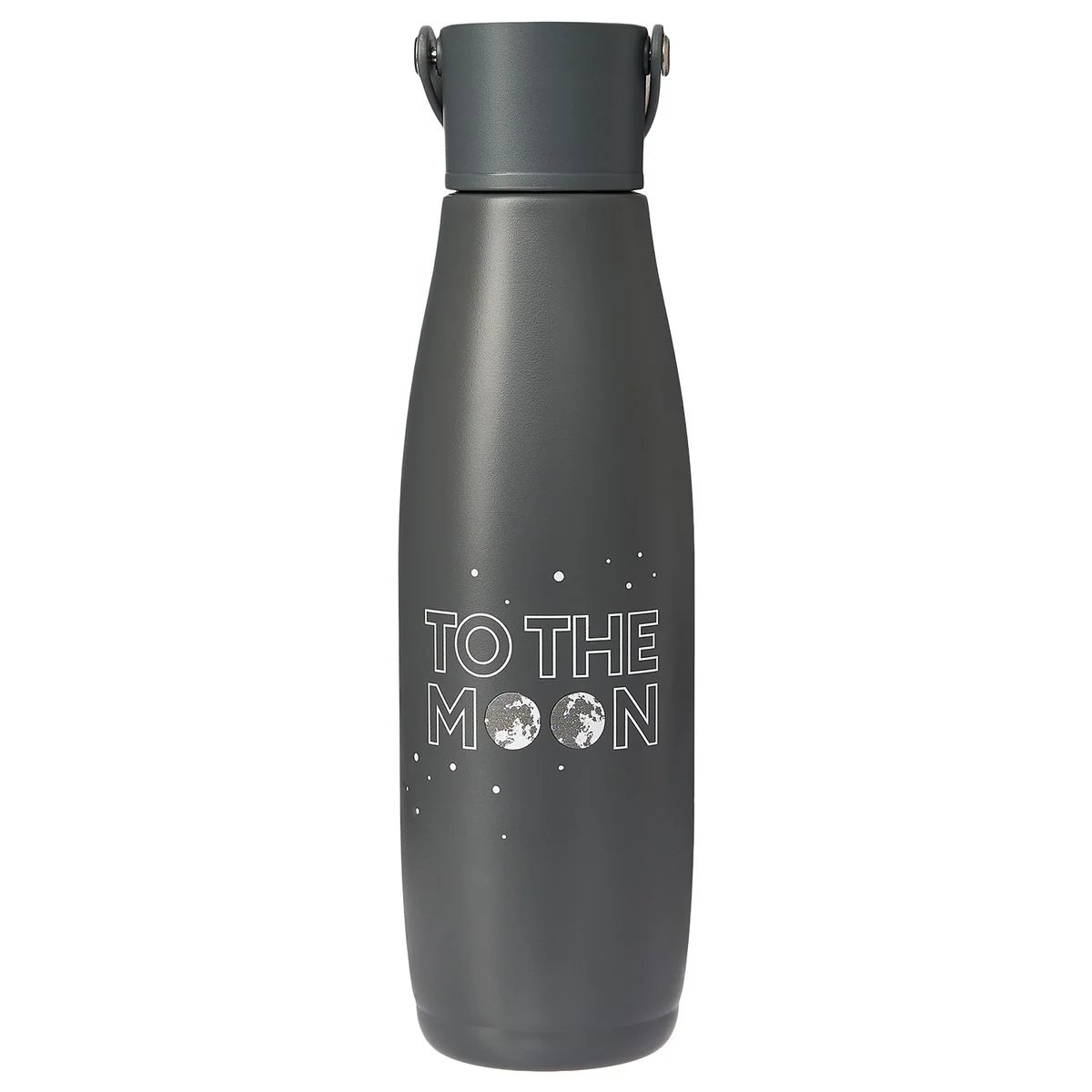
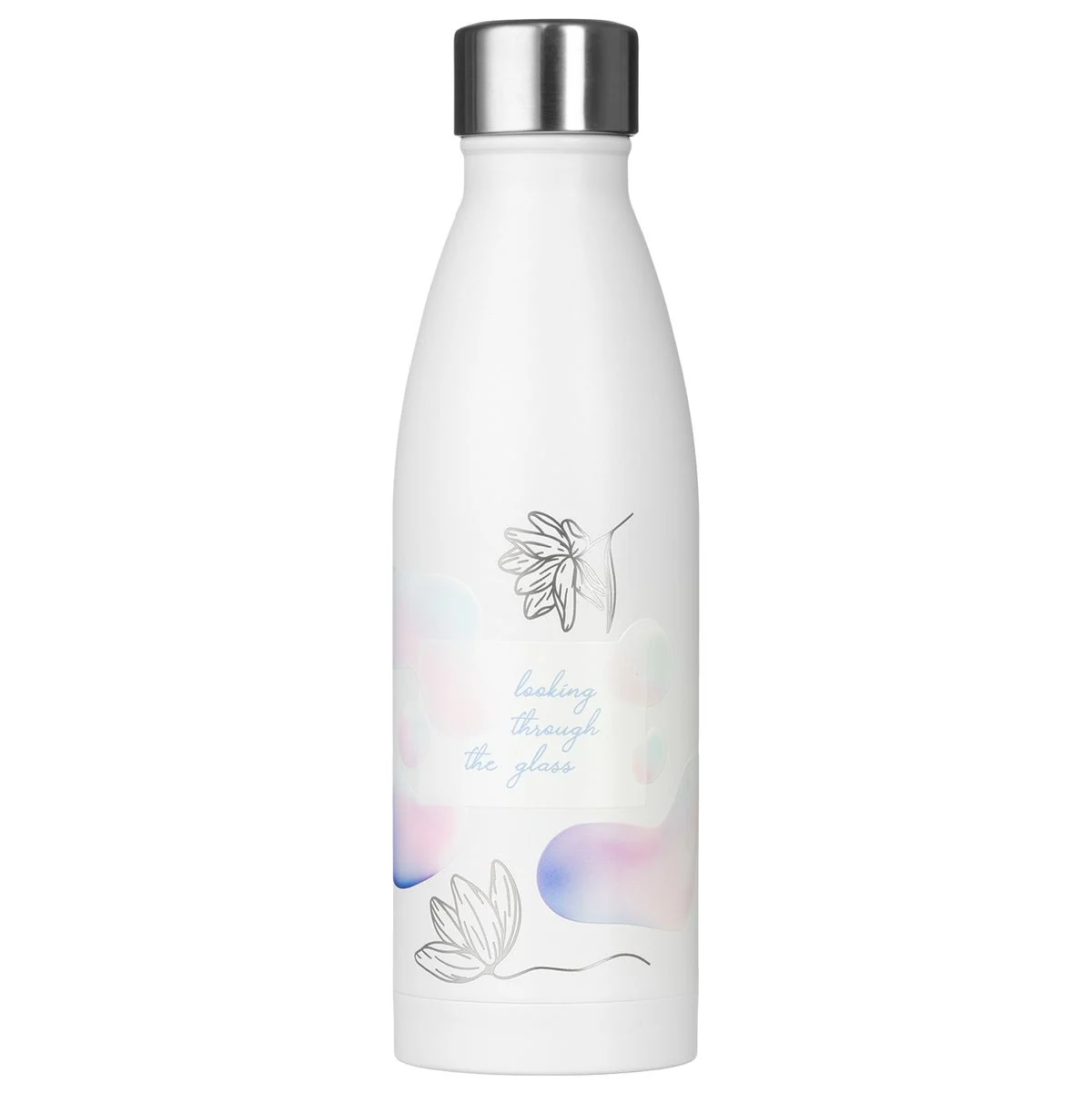
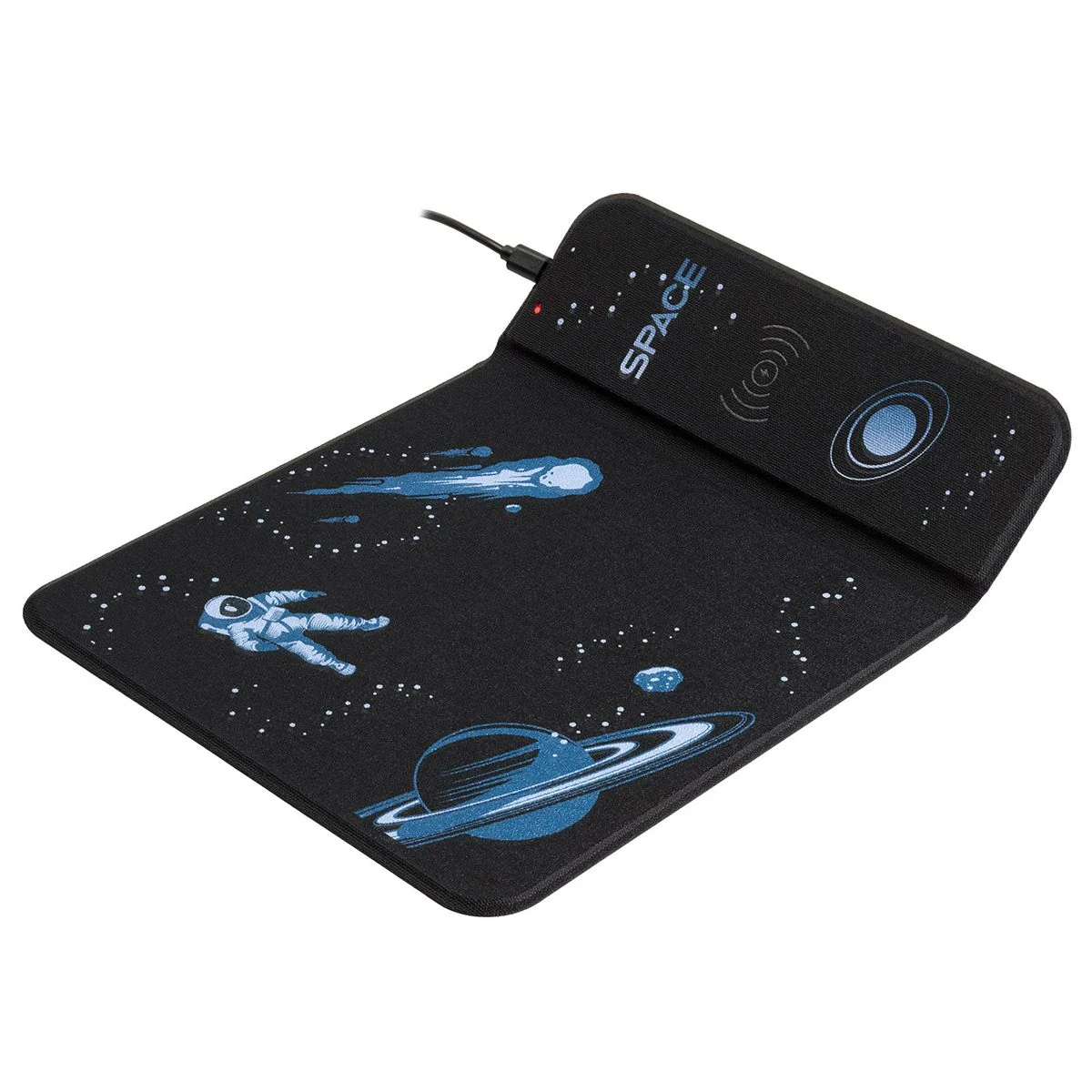
Working decision matrix
| Goal | express one idea through clothing, accessories, tableware, and tech without literally duplicating the artwork |
|---|---|
| Audience | marketing teams launching a collection across several categories |
| Solution | create a design system of modules and adaptation rules, rather than a set of identical files |
| Techniques | DTF, UV printing, laser engraving |
| Main risk | one master artwork file does not account for each item’s scale, function, and production method |
| Metric | recognition of the idea, quality of adaptations, and speed of adding a new SKU |
Parameters are considered together because a compromise in one row changes the entire project. In this project, the priority metric is “recognition of the idea, quality of adaptations, and speed of adding a new SKU.” It allows the client to accept the result without a subjective dispute.
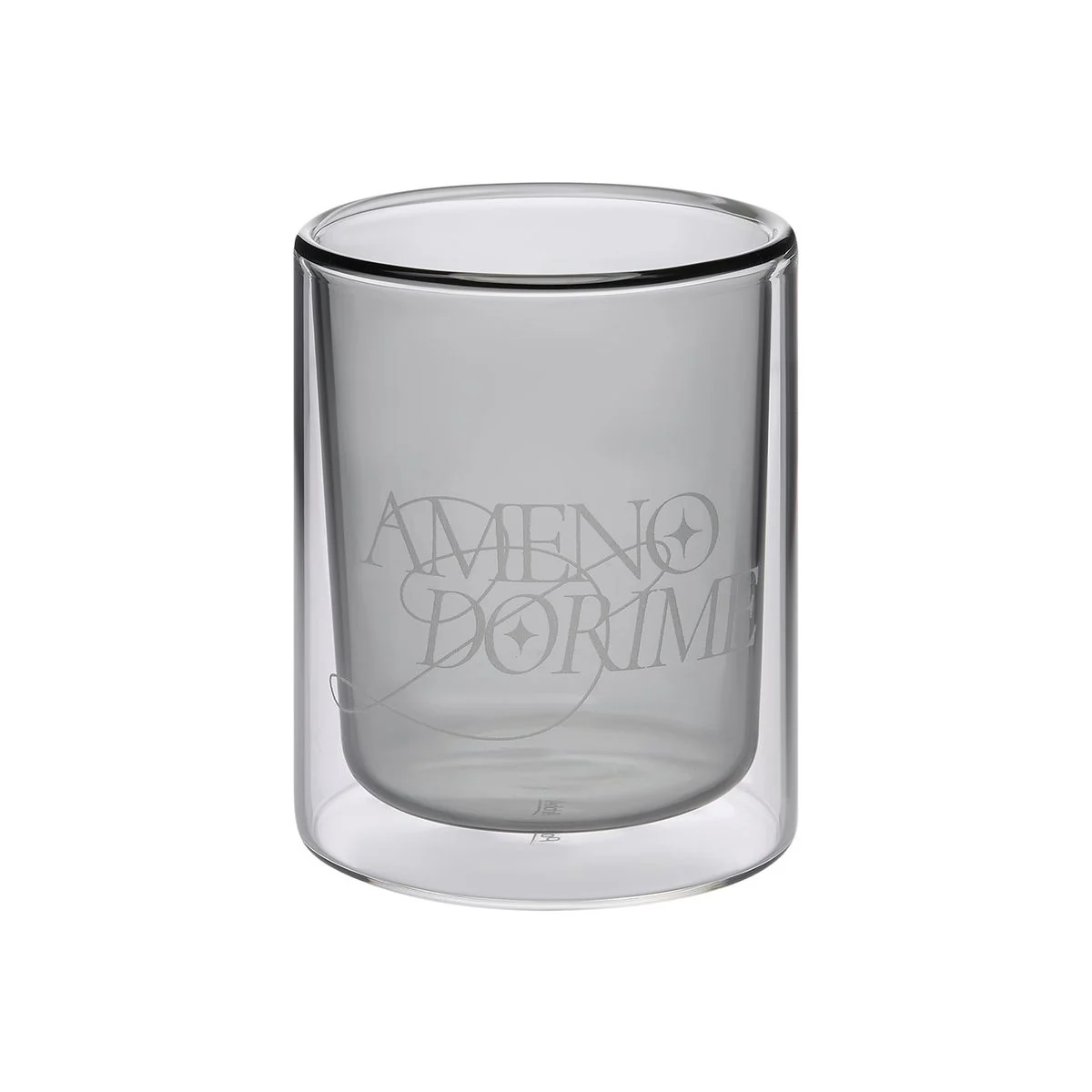
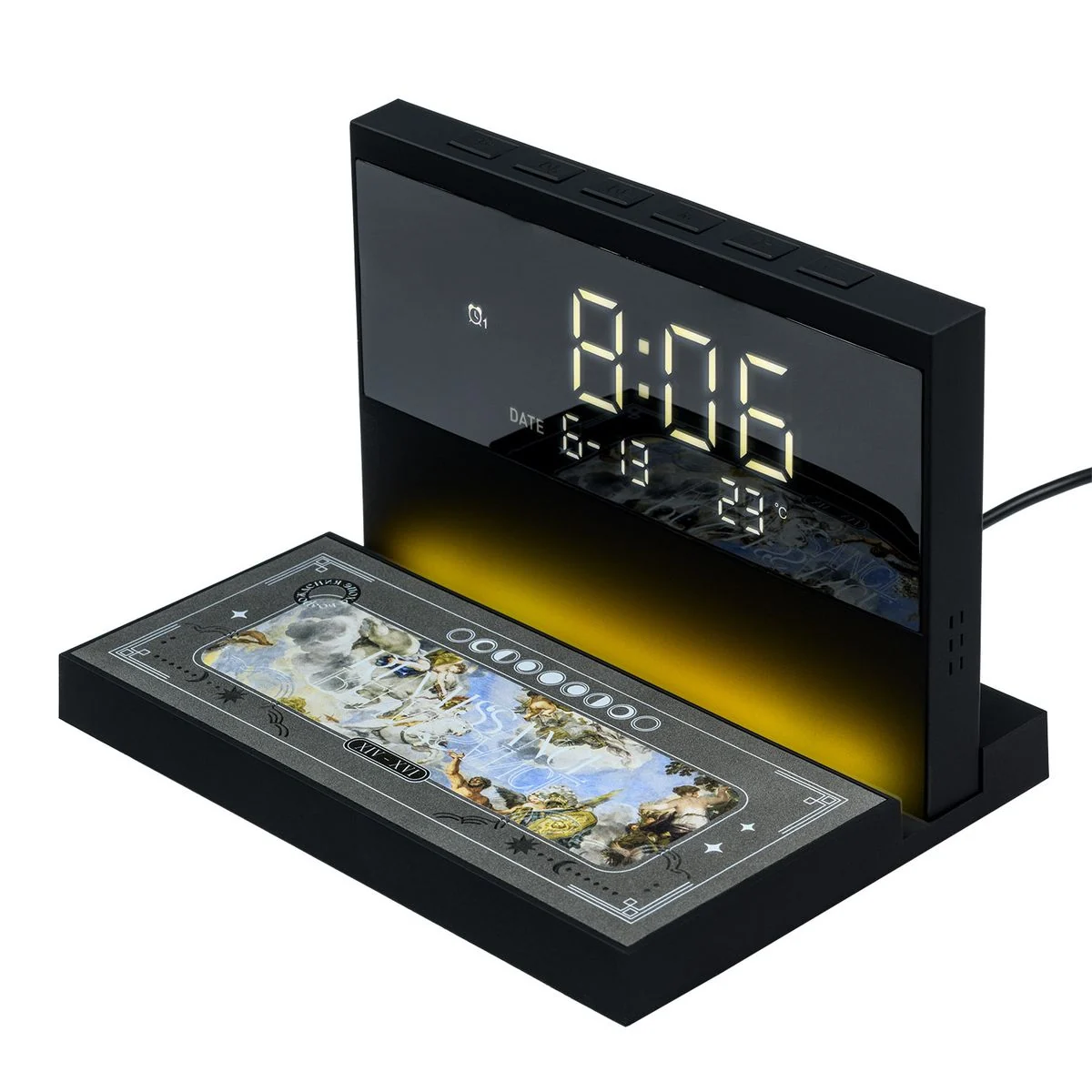
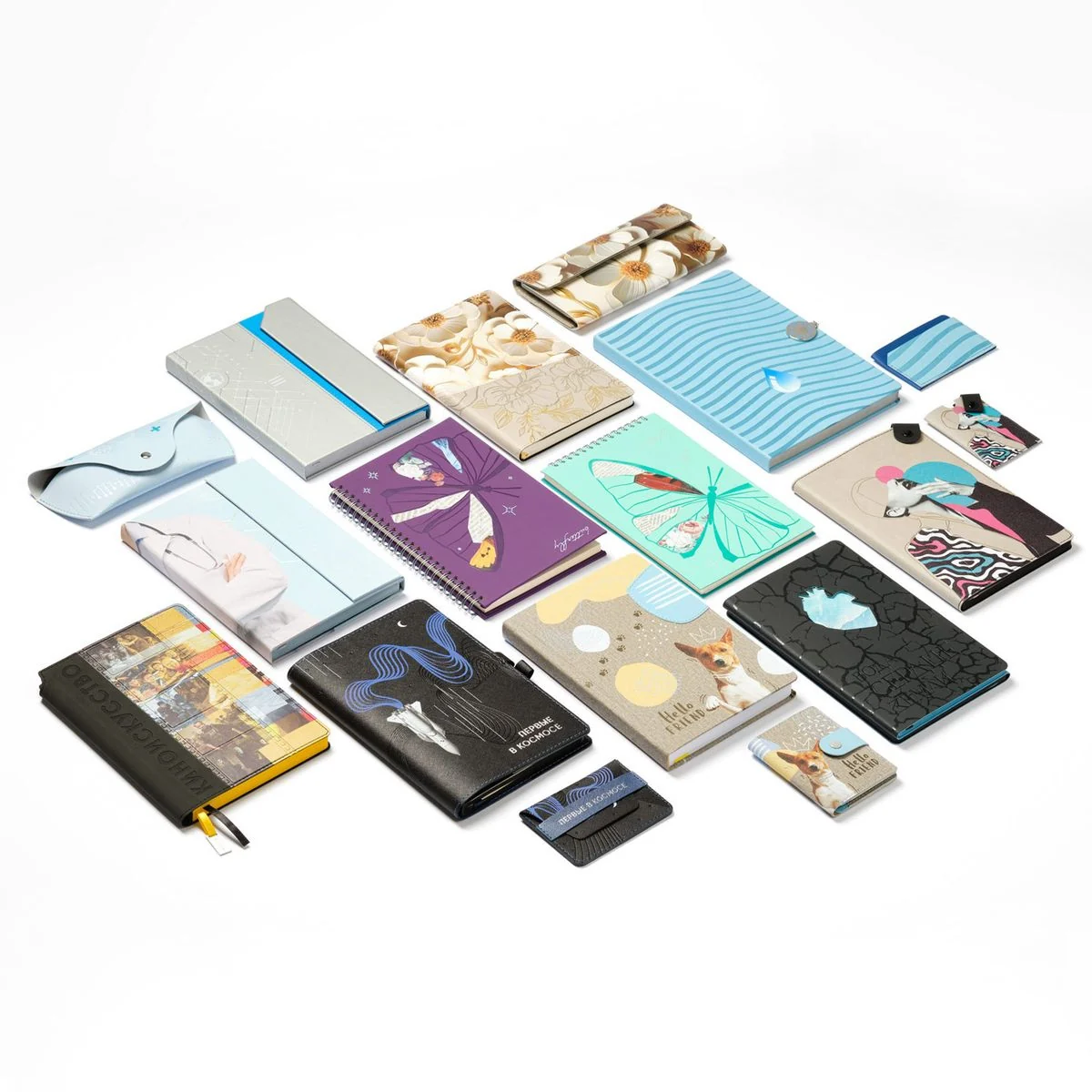
Use cases, products, and visual logic
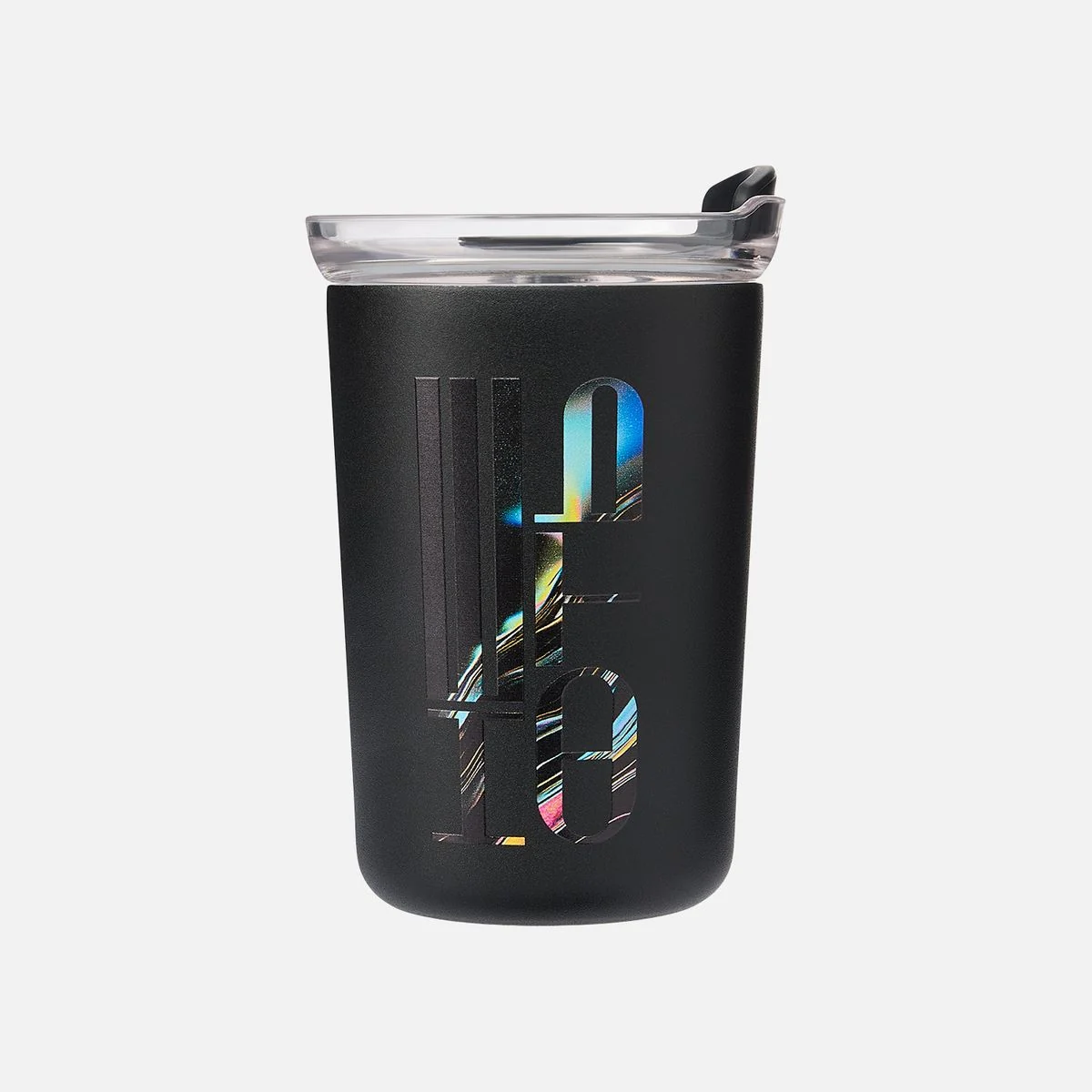
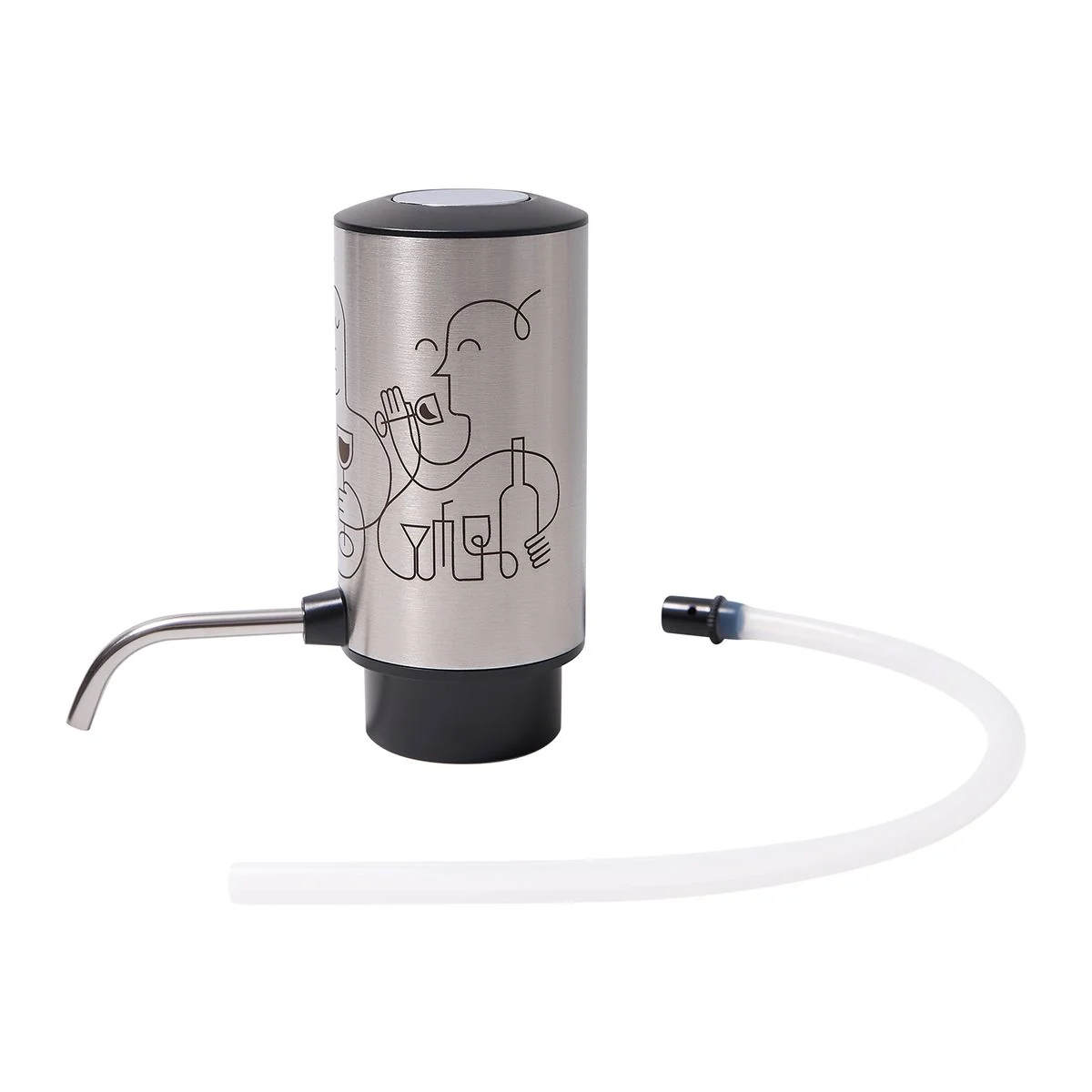
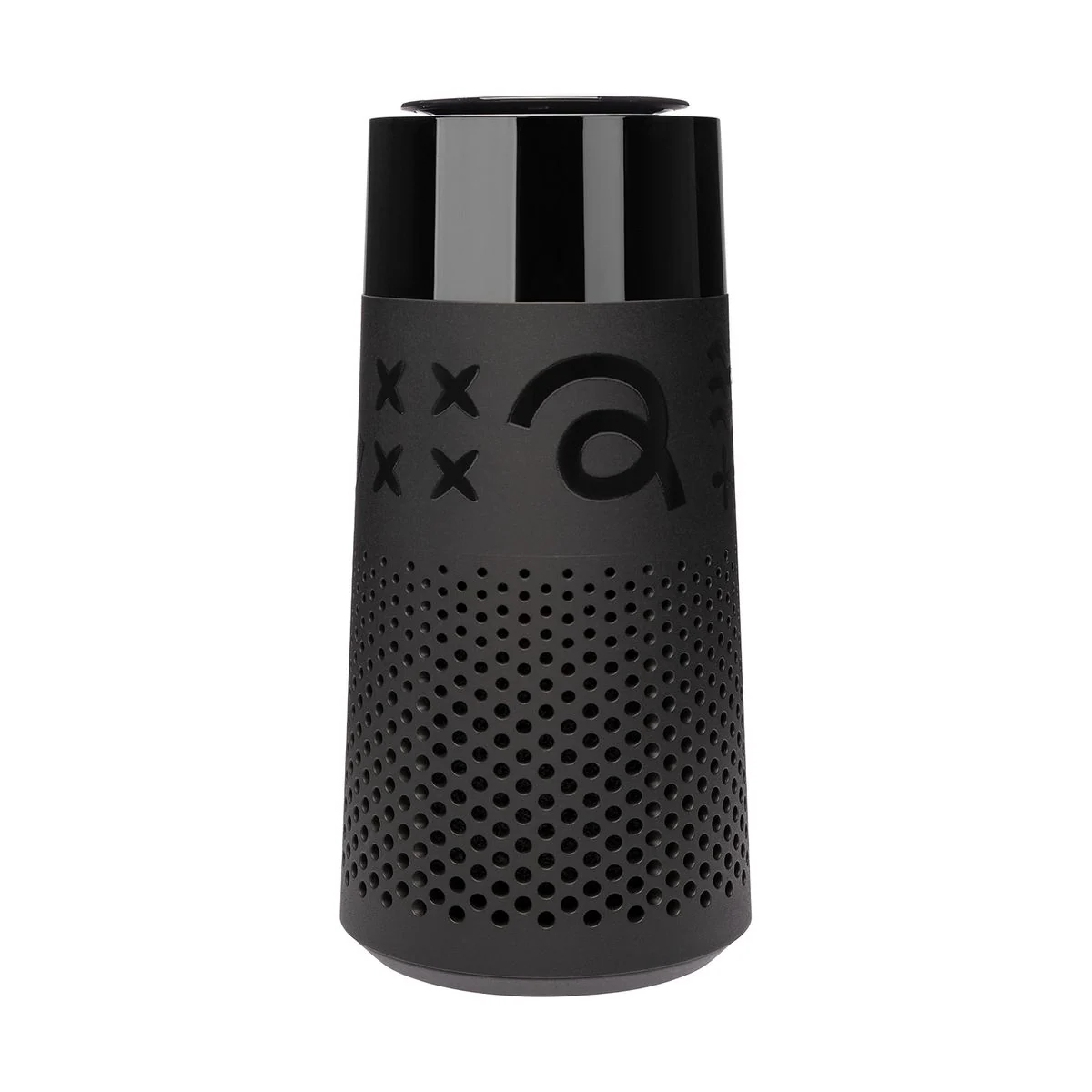
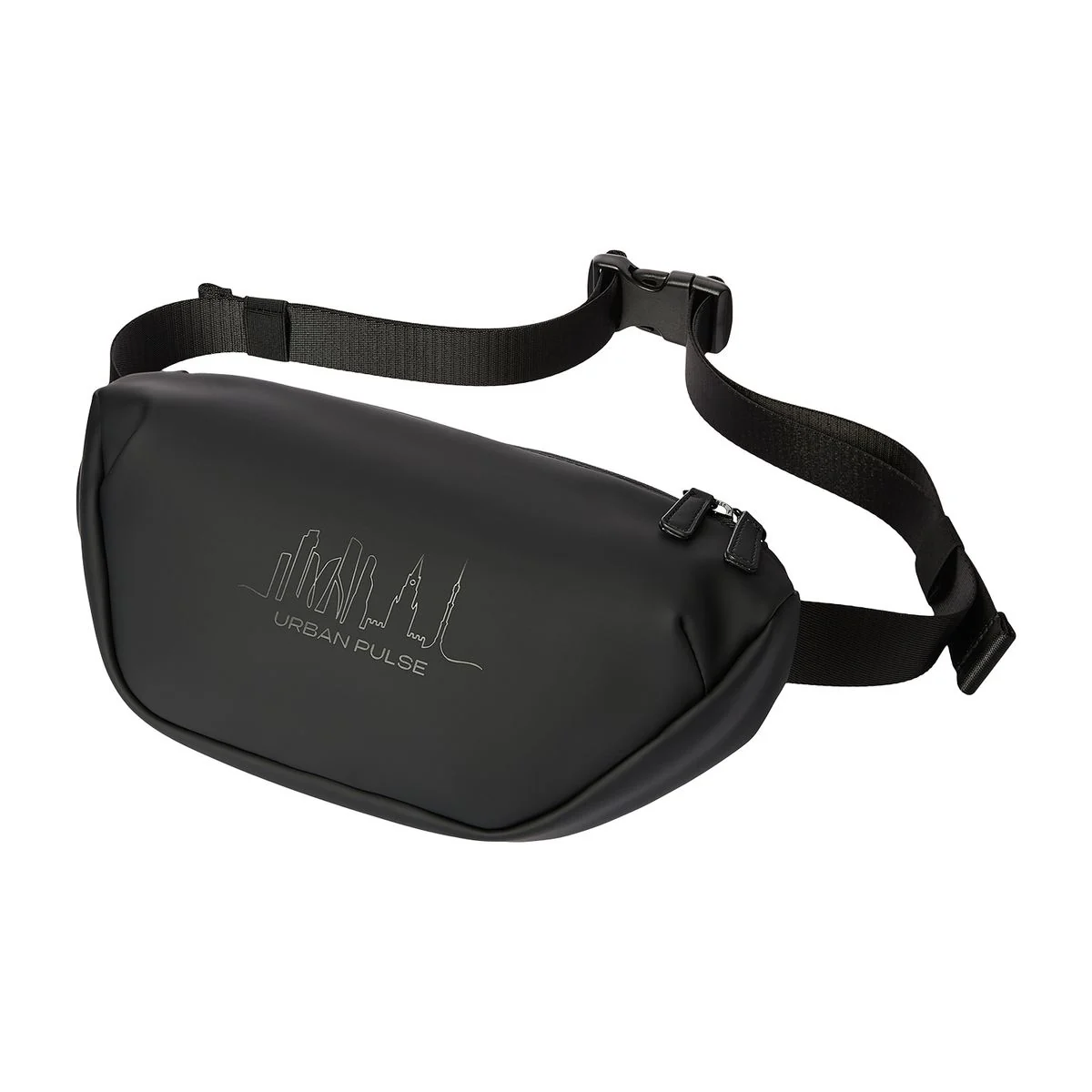
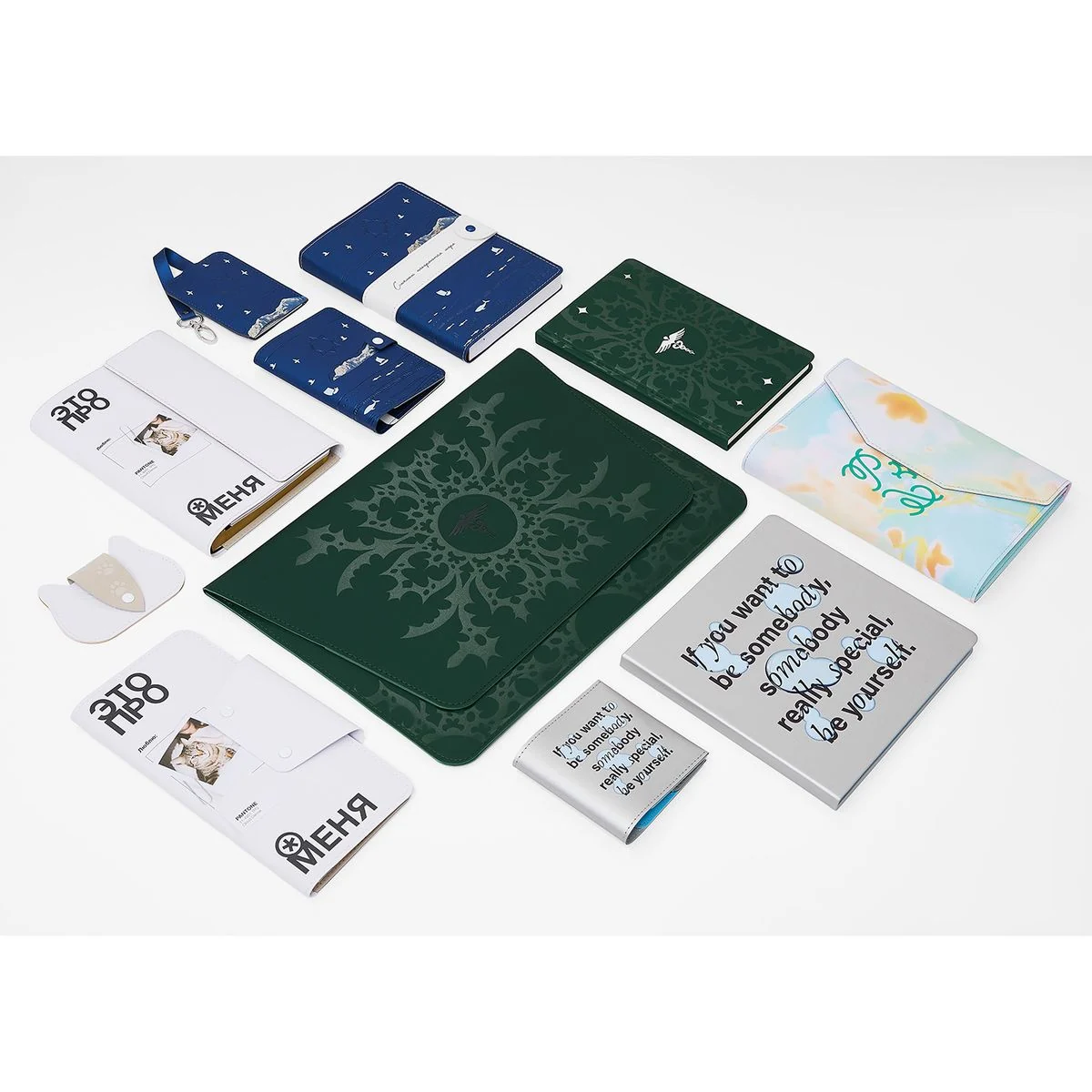
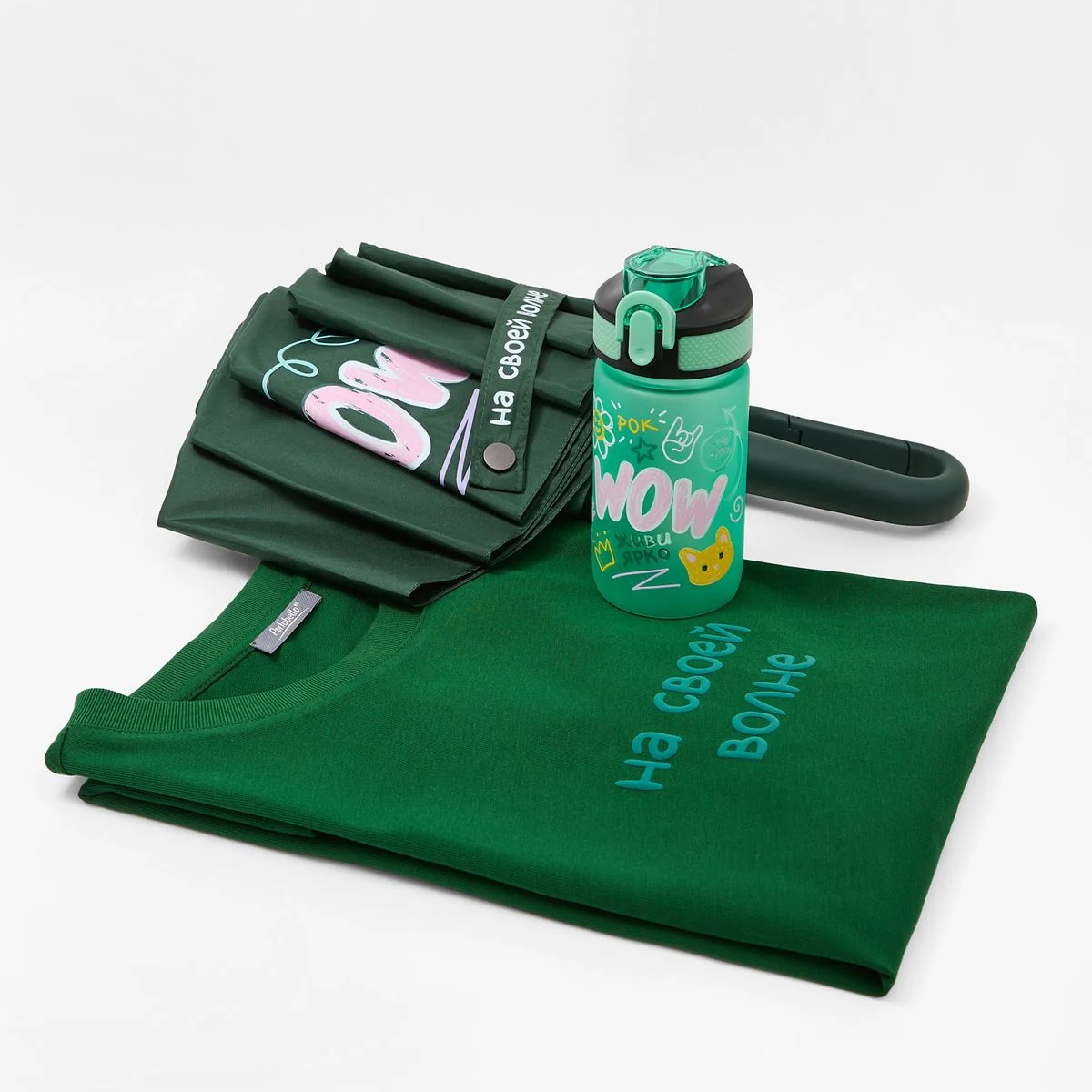
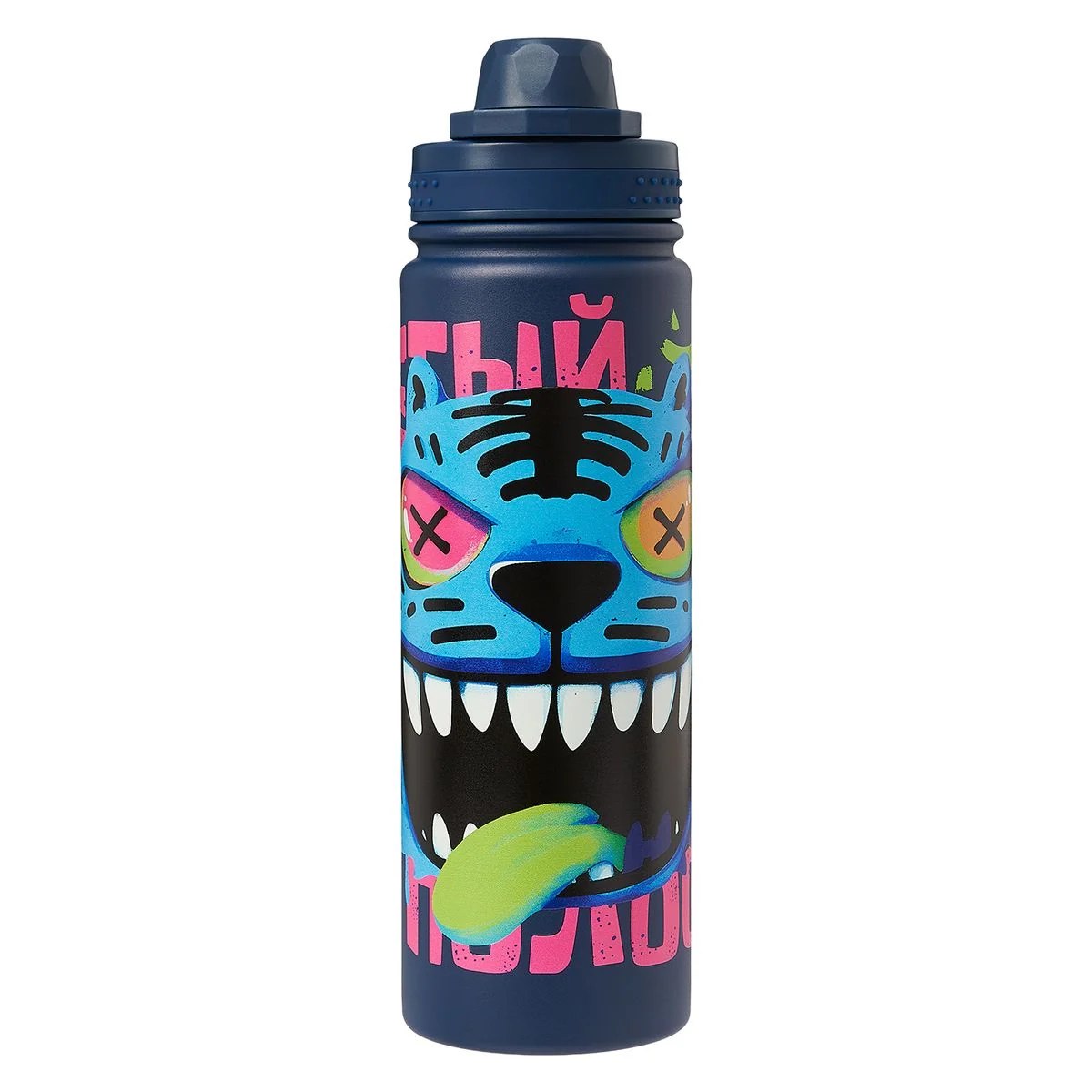
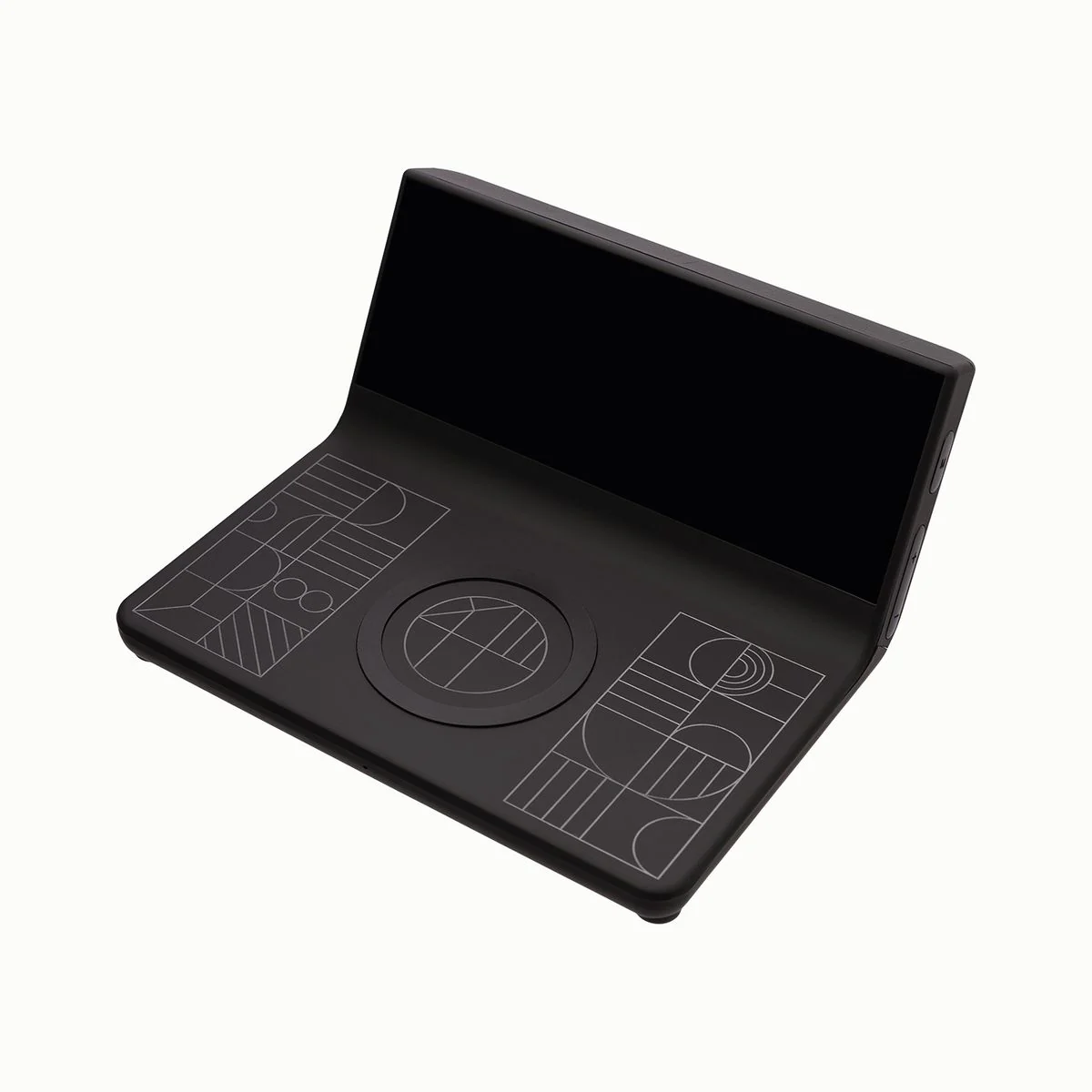
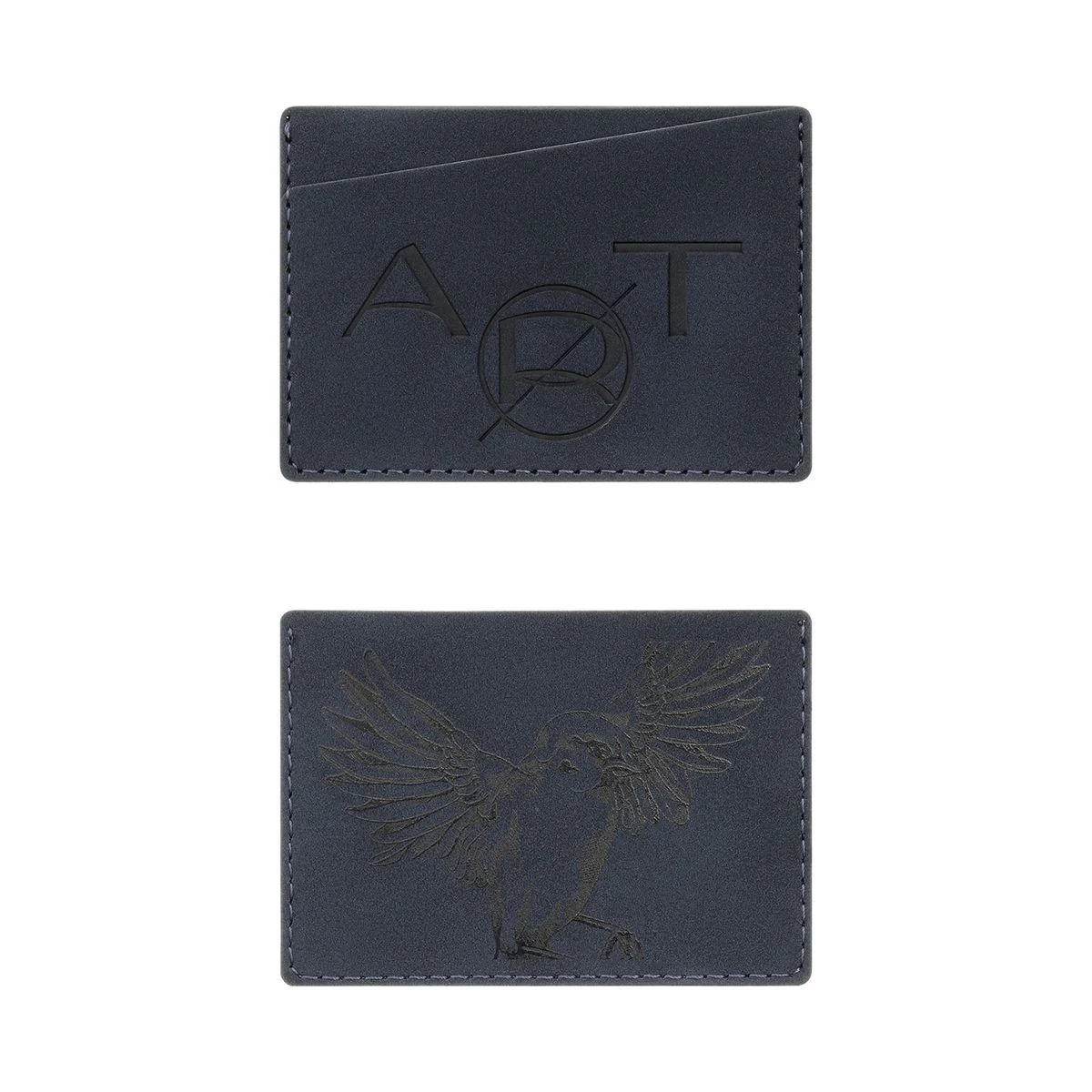
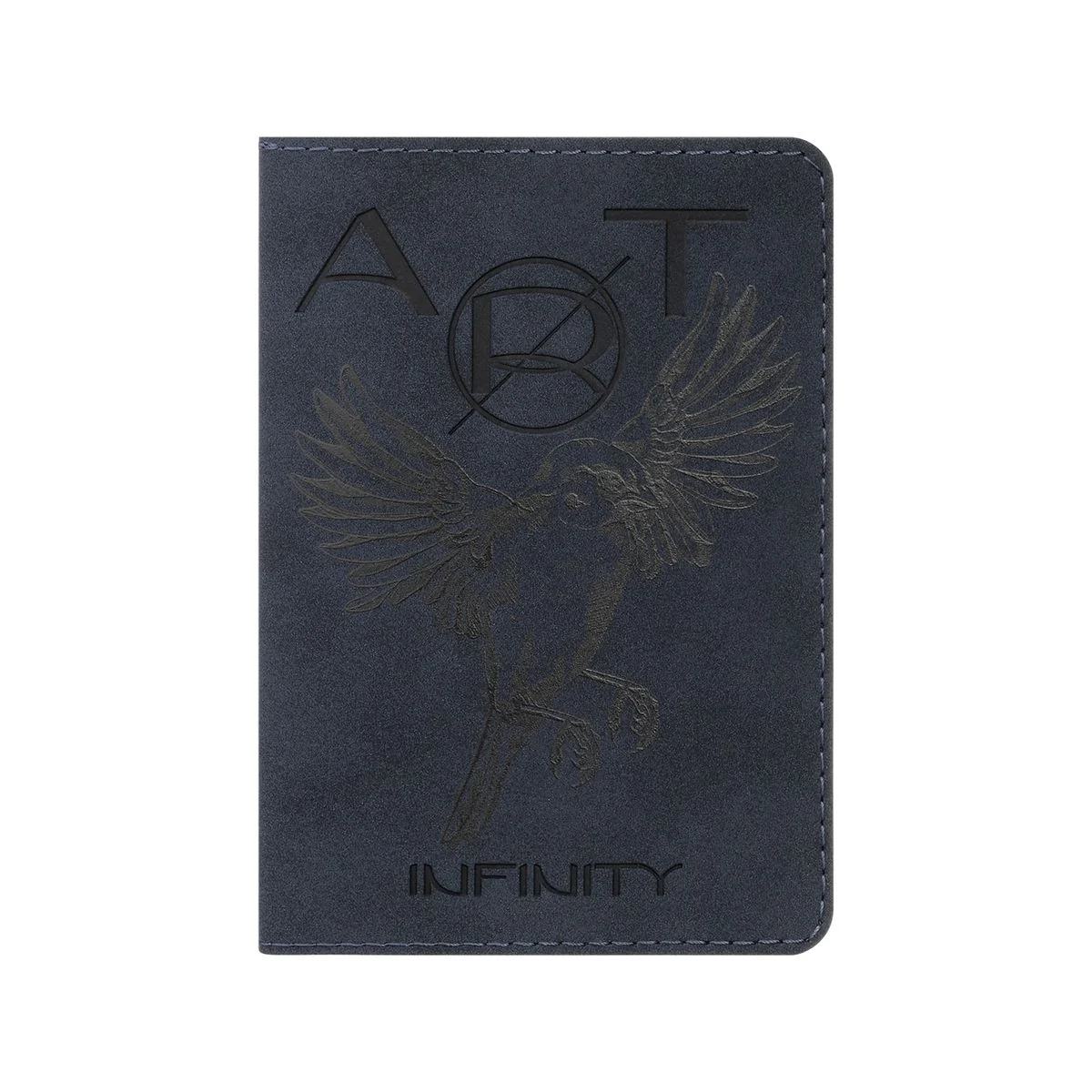
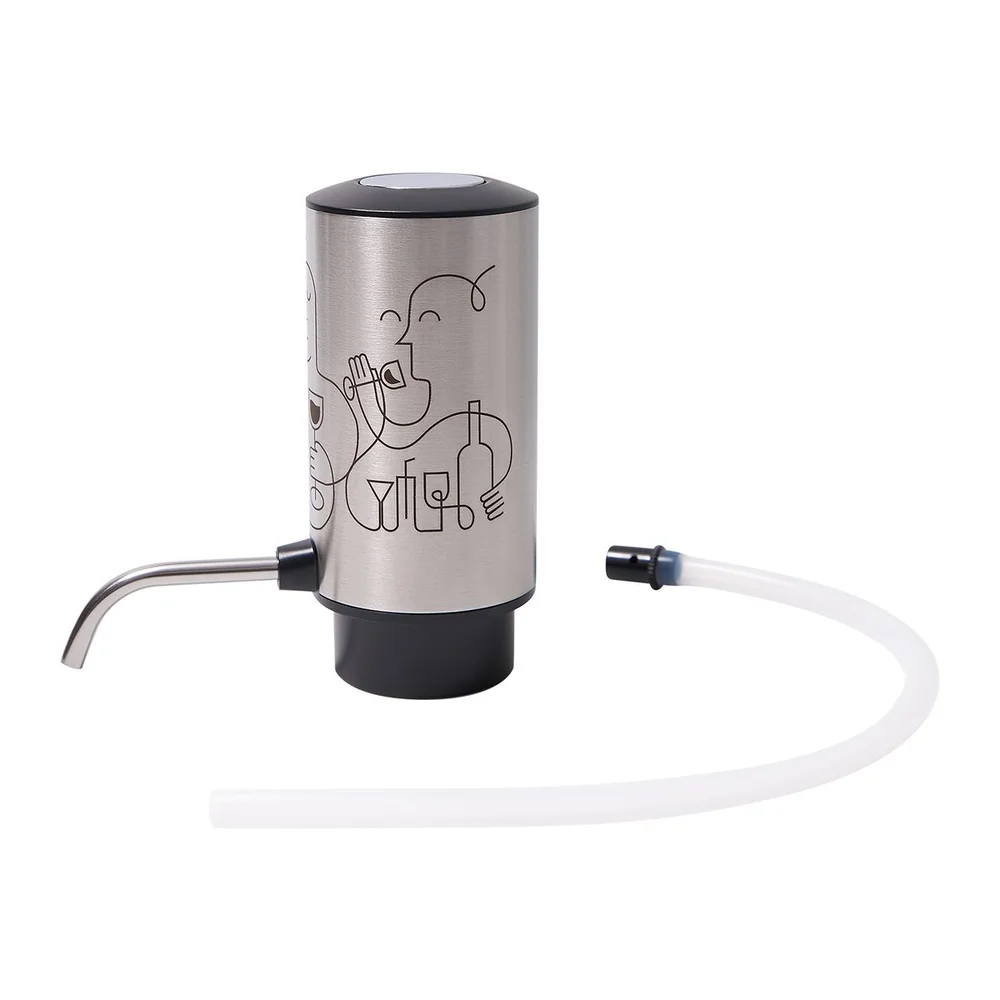
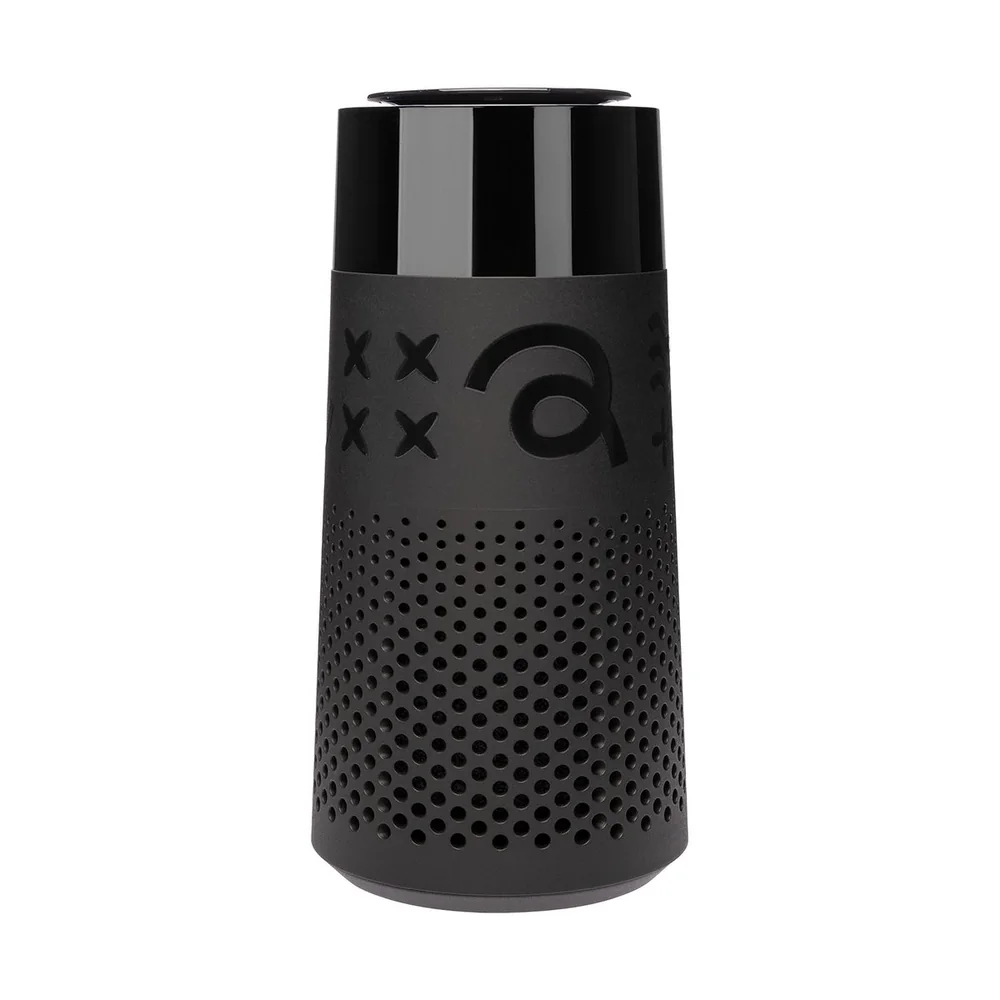
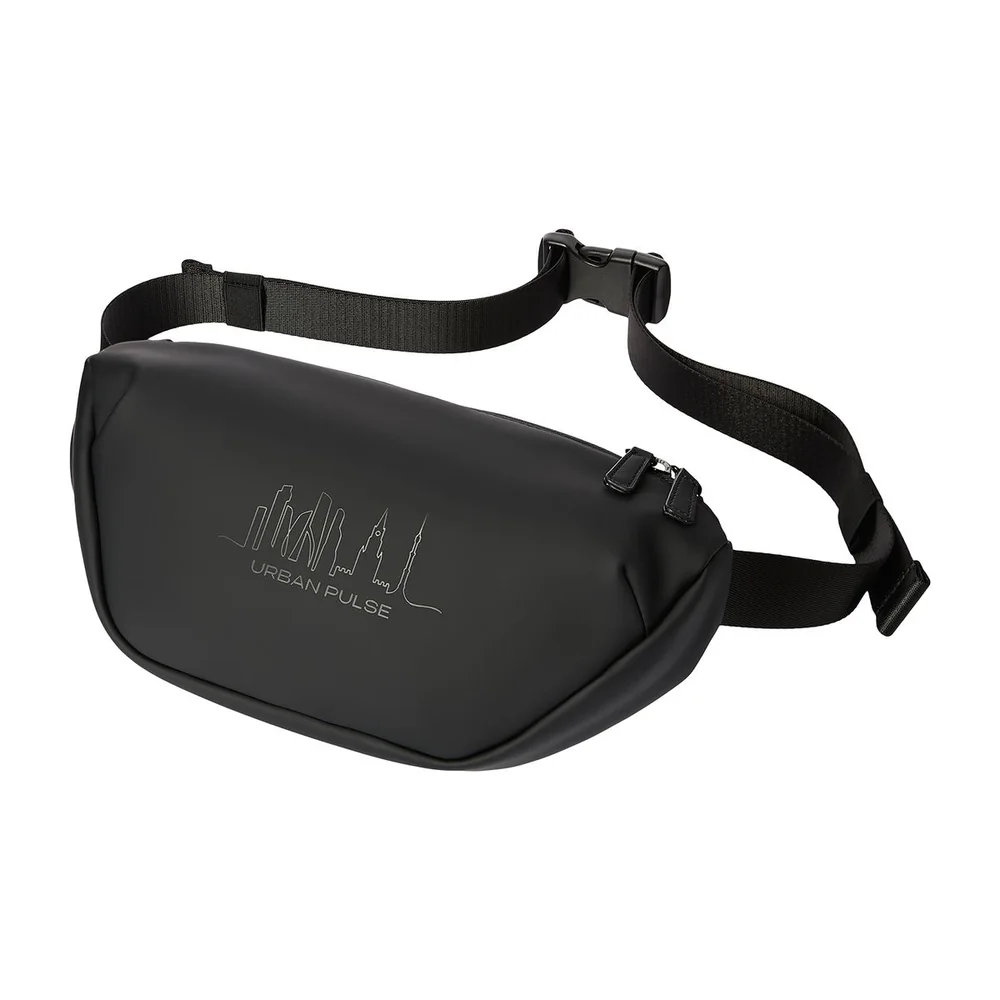
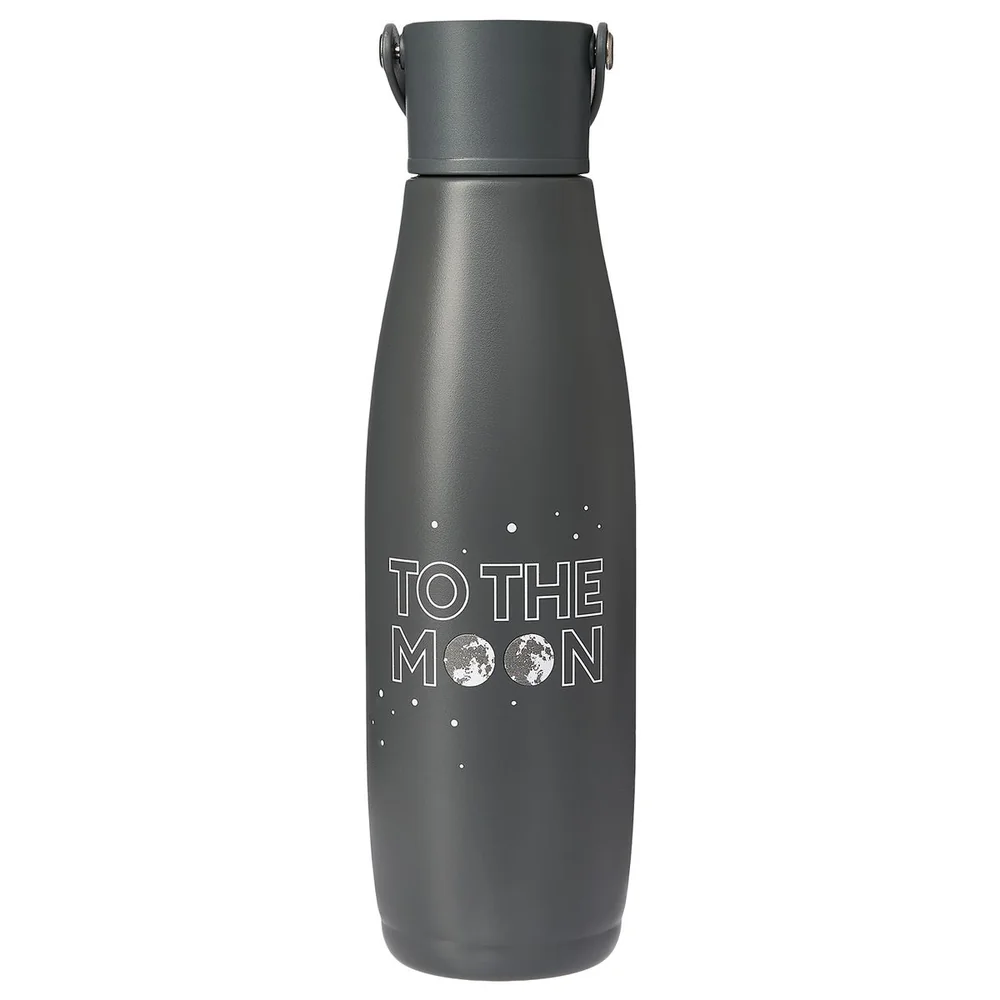
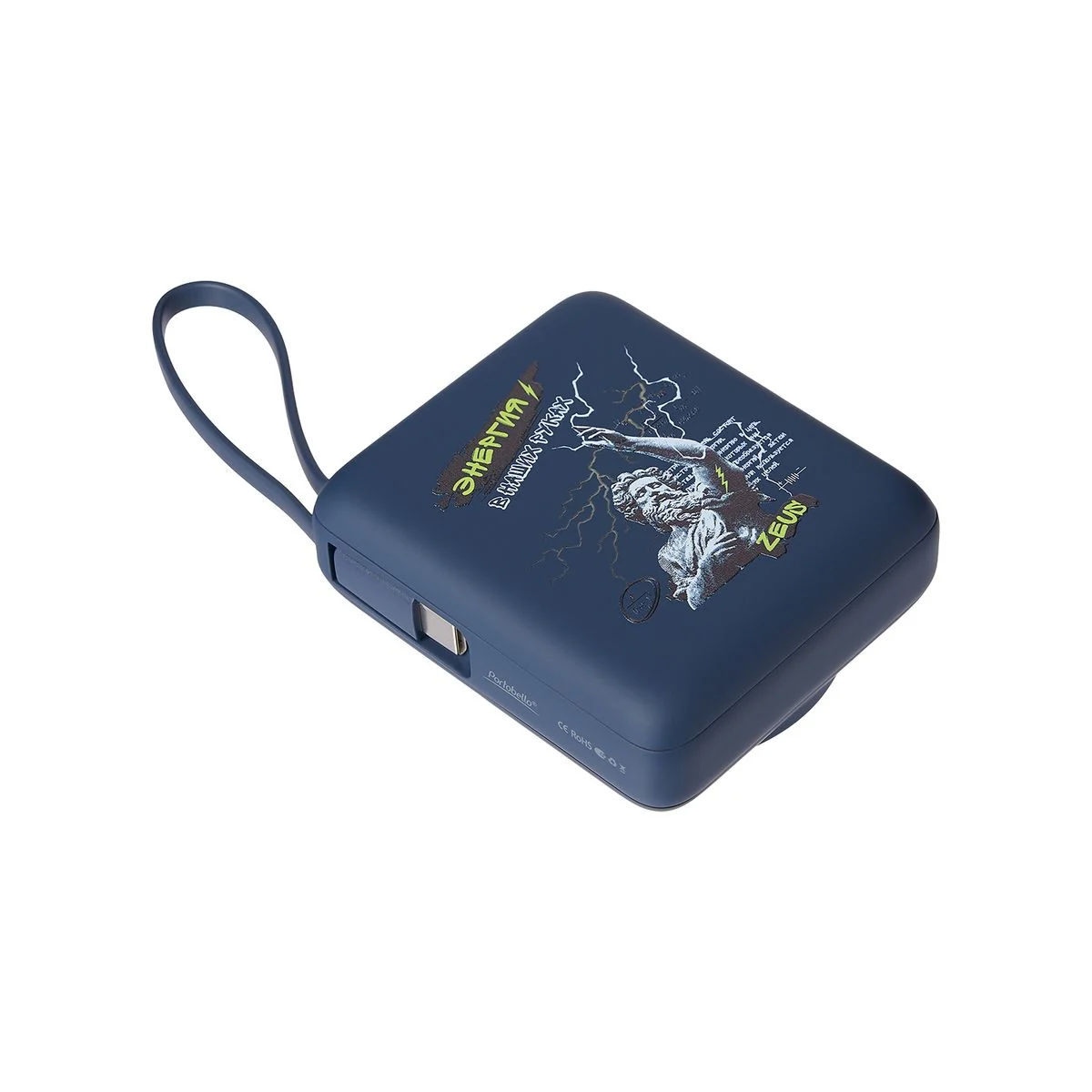
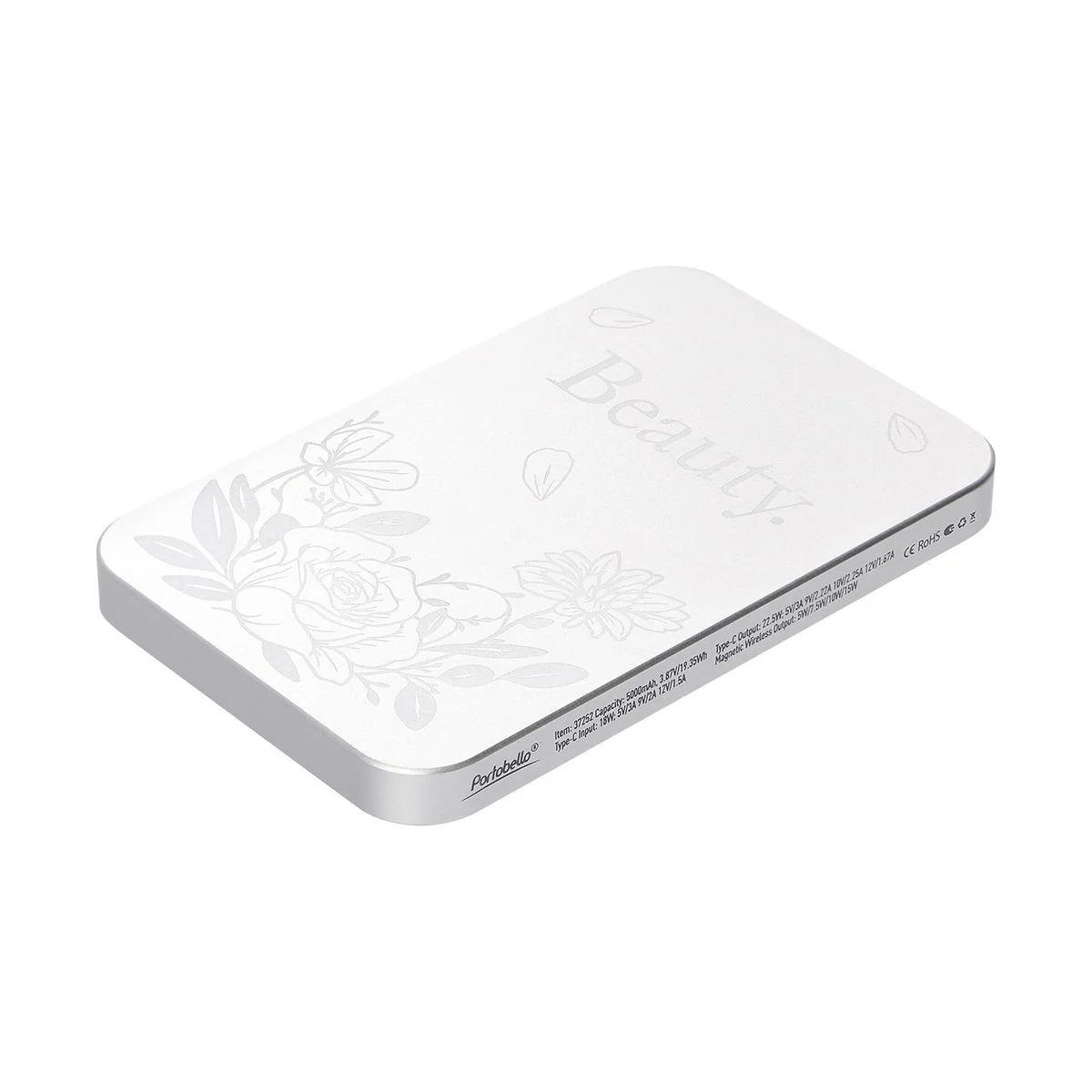
Treat the photos as a collection of techniques rather than a ready-made answer. They are reconfigured for the brand, base product, and order quantity according to this rule: create a design system of modules and adaptation rules, rather than a set of identical files.
- Identify graphic modules.
- Assign versions by scale.
- Define color tolerances.
- Assemble a reference layout.
The best solution preserves function and makes its intention clear without explanation. The finished solution should support the task: express one idea through clothing, accessories, tableware, and tech without literally duplicating the artwork.
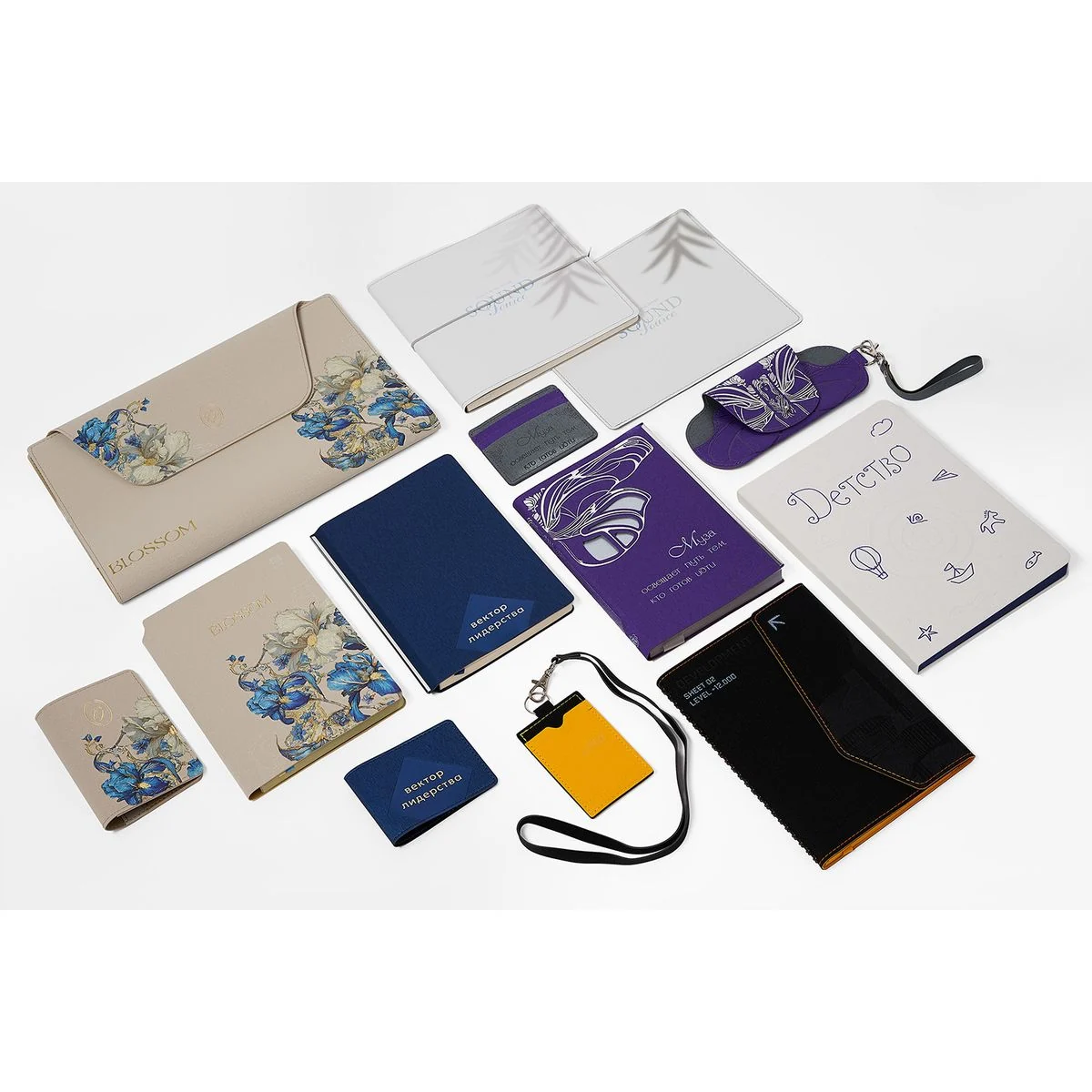
The process from brief to finished set
The process stays short when every handoff includes a specific file or sample. The guiding decision for checks is: create a design system of modules and adaptation rules, rather than a set of identical files.
- 1
Define the project goal: express one idea through clothing, accessories, tableware, and tech without literally duplicating the artwork.
- 2
Resolve the brief's questions and record the main risk in your own words: one master artwork file does not account for each item’s scale, function, and production method.
- 3
Match product use cases to DTF, UV printing, and laser engraving methods; eliminate options where function conflicts with branding.
- 4
Prepare artwork and specifications for the solution “create a design system of modules and adaptation rules, rather than a set of identical files,” including the material, packaging, and variable printing data.
- 5
Recreate the real use situation with the sample and check the item “assign versions by scale.”
- 6
At the start of the batch, compare it with the approved reference sample and collect data for the criterion “recognition of the idea, quality of adaptations, and speed of adding a new SKU.”
Outcome checks and acceptance criteria
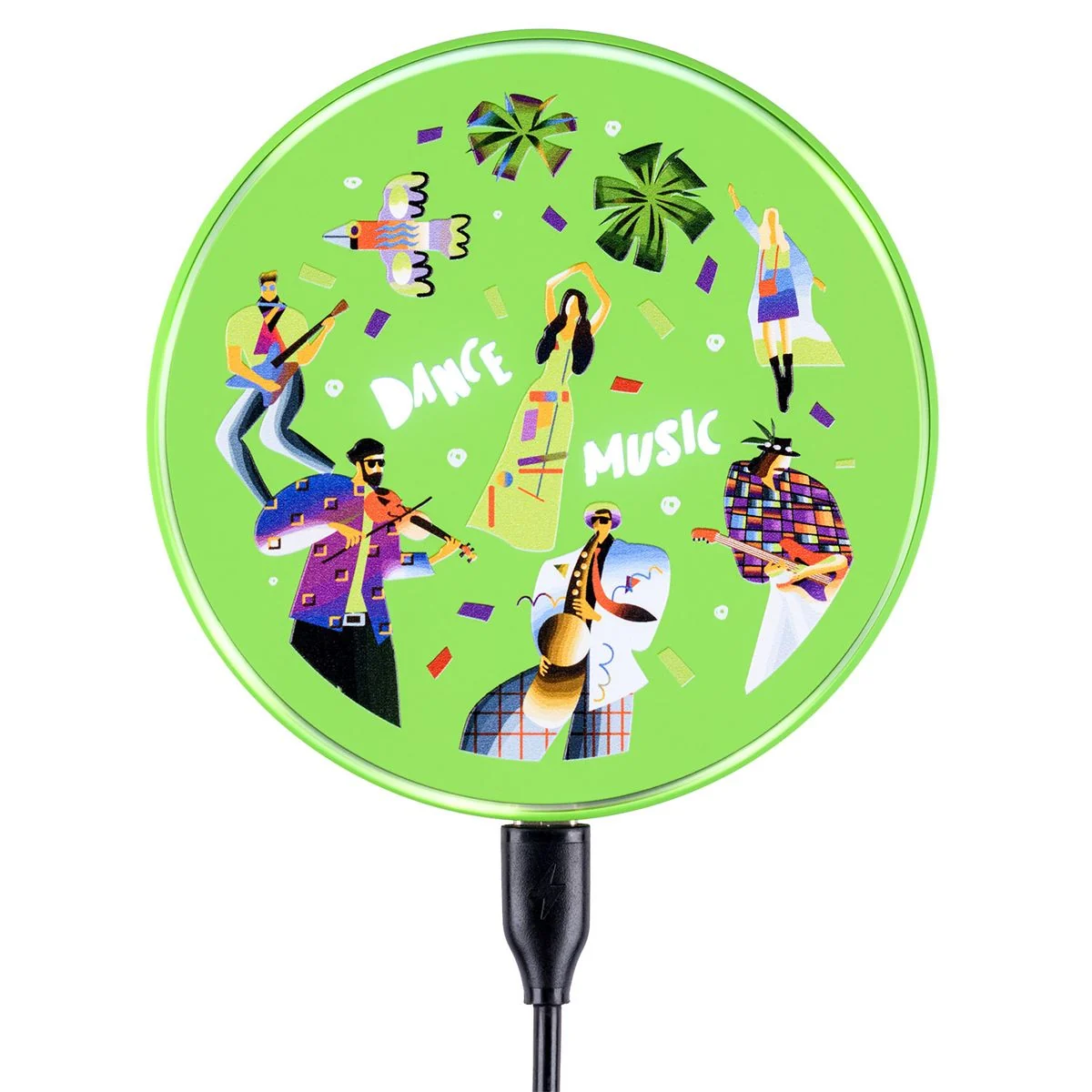
The finished batch is compared with the signed reference sample, not with a memory of the presentation. At acceptance, check the material, placement, completeness, and working function together.
- Check whether the goal has been achieved: express one idea through clothing, accessories, tableware, and tech without literally duplicating the artwork.
- Compare the production run with the approved solution: create a design system of modules and adaptation rules, rather than a set of identical files.
- Recreate the risk separately: one master artwork file does not account for each item’s scale, function, and production method.
- Record the project metric: recognition of the idea, quality of adaptations, and speed of adding a new SKU.
- Keep photos, artwork, product codes, branding coordinates, and notes for a repeat order.
Batch photos and acceptance notes become part of the product's history. Record separately which solutions to repeat, where manual work was needed, and what spare quantities were required for the goal “express one idea through clothing, accessories, tableware, and tech without literally duplicating the artwork.”
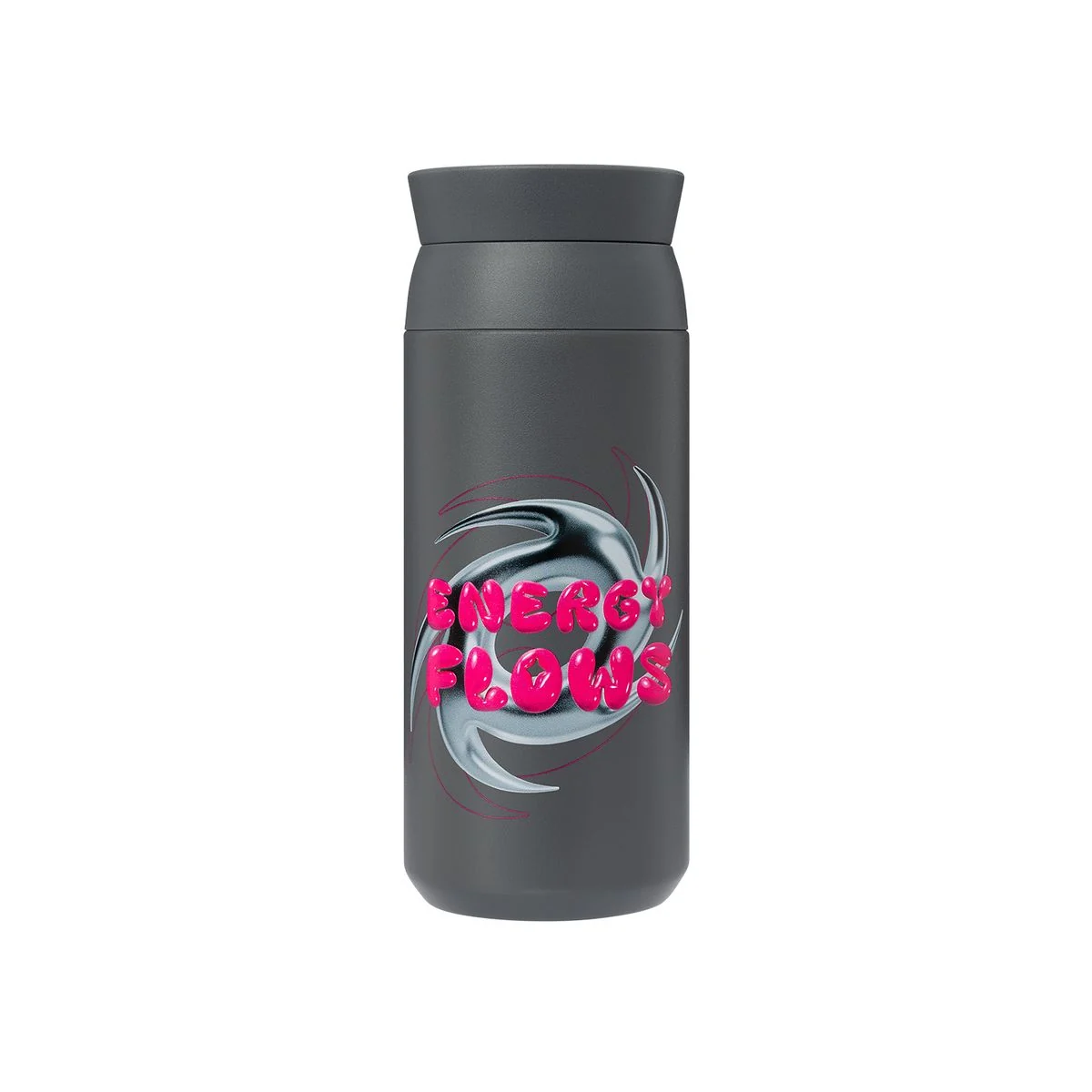
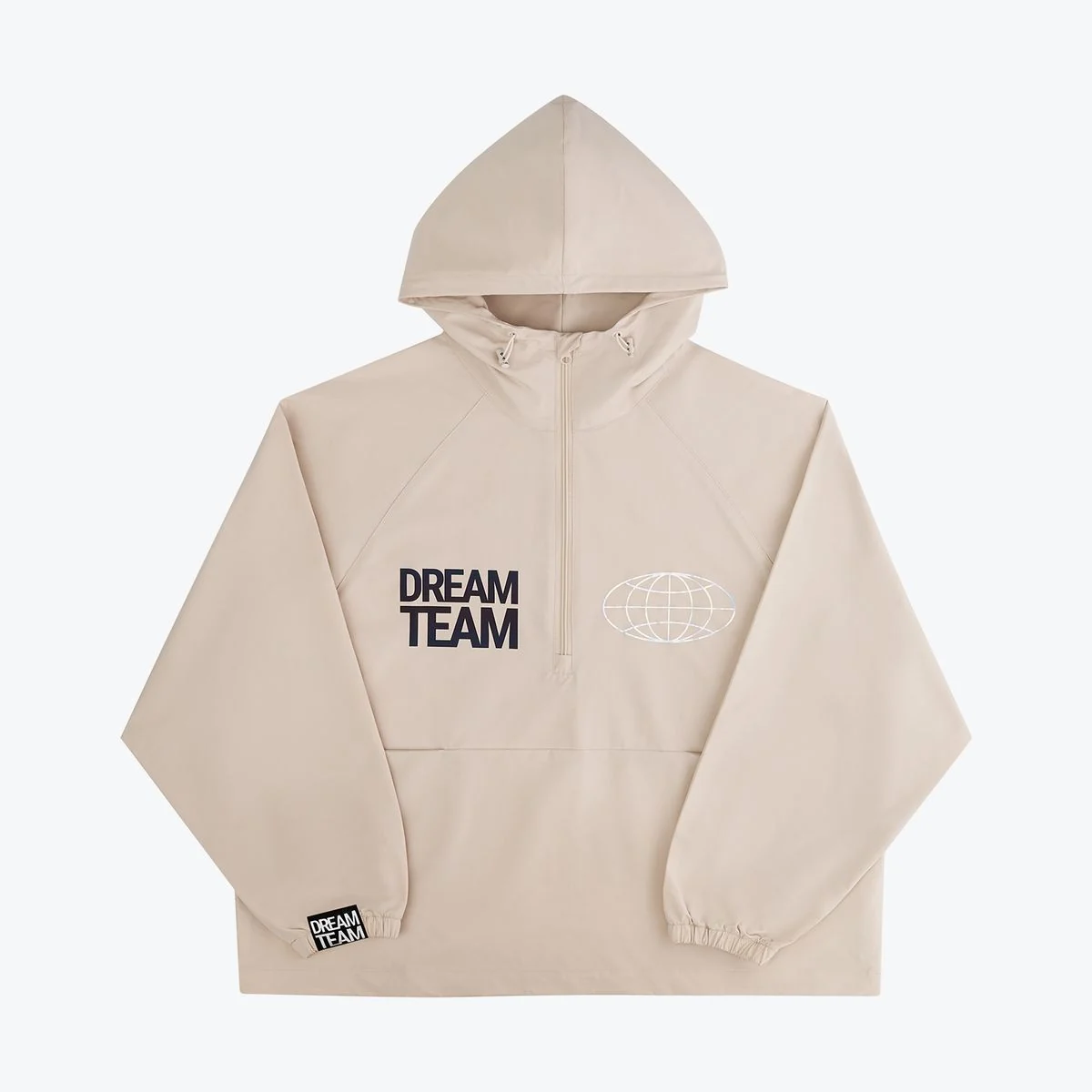
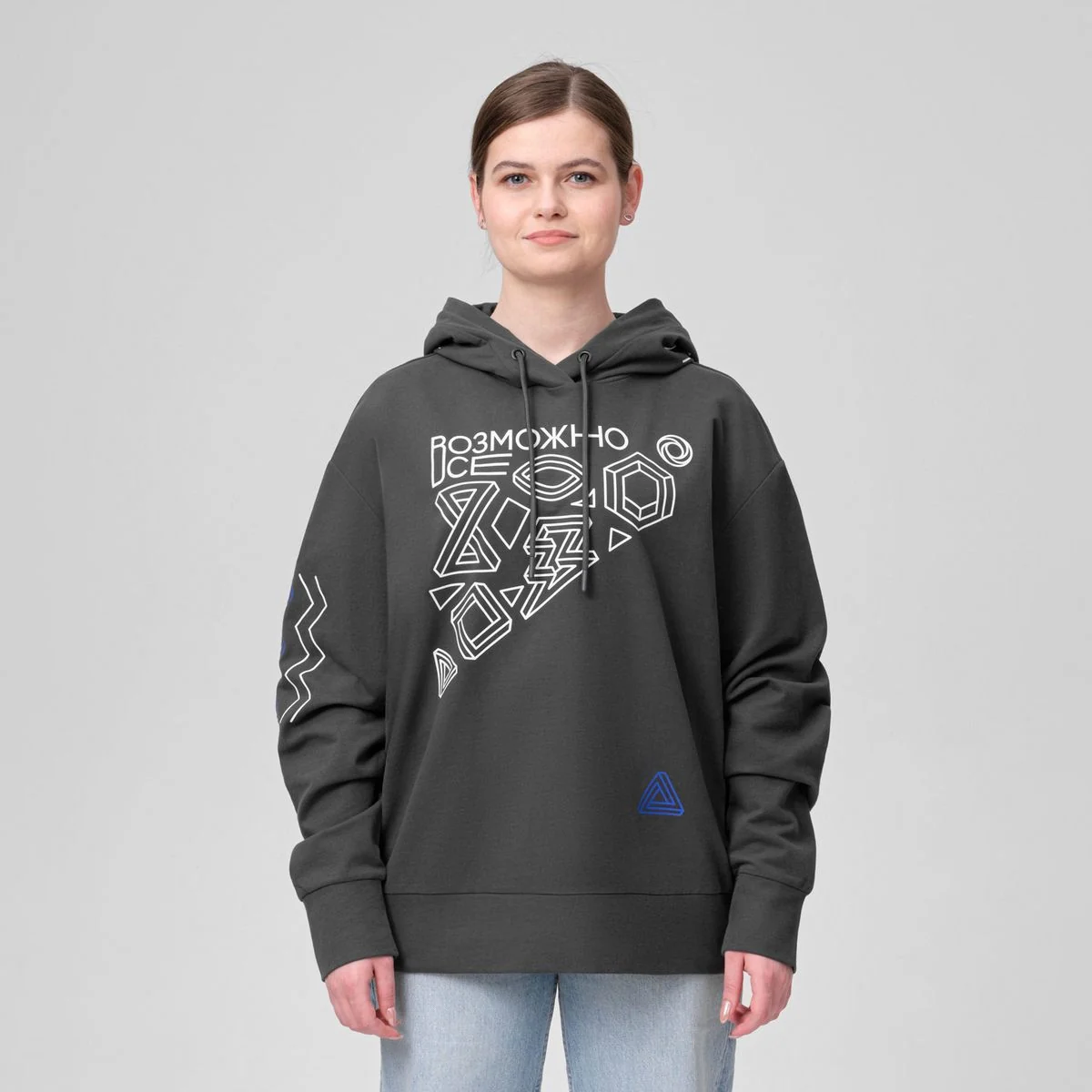
Items to start your selection with
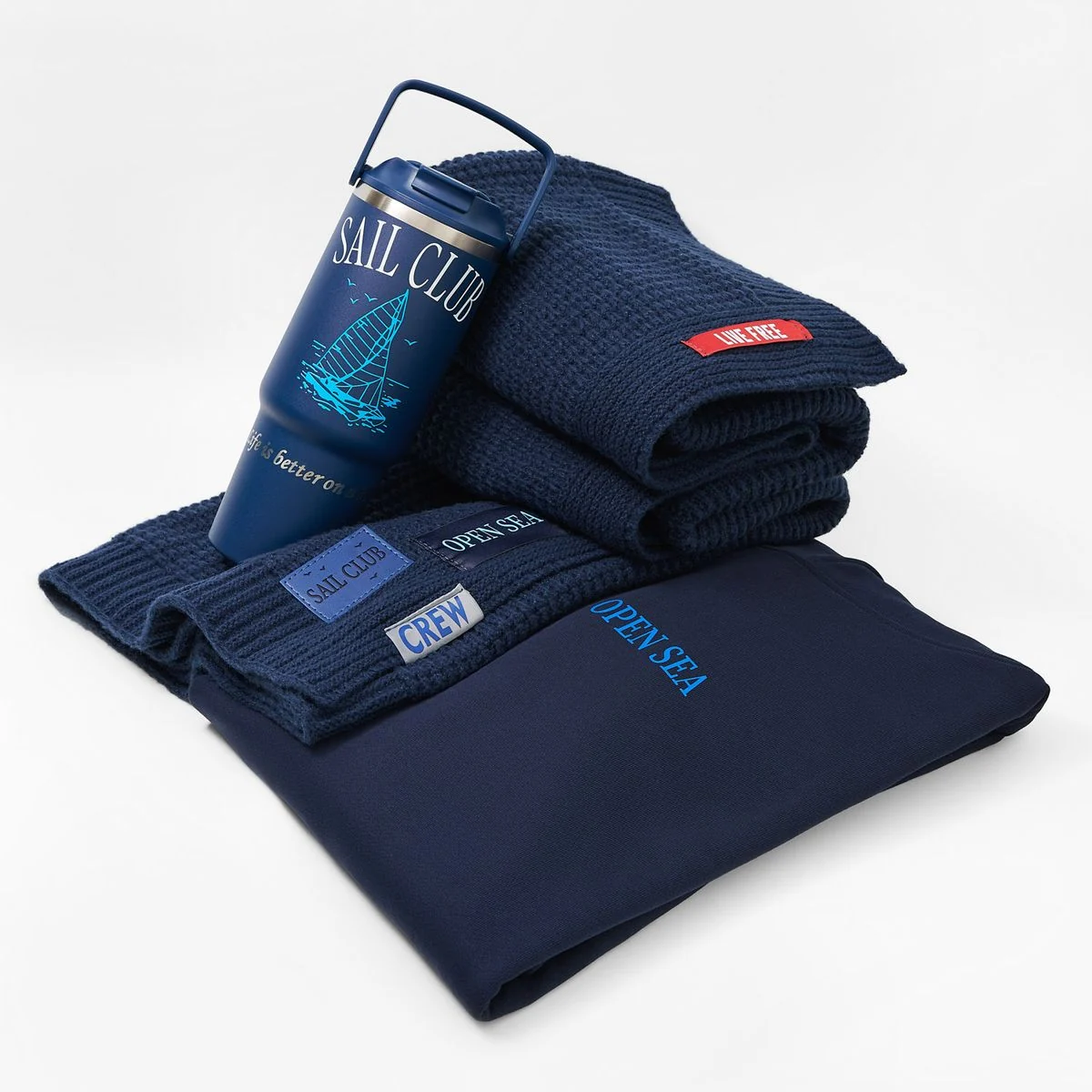
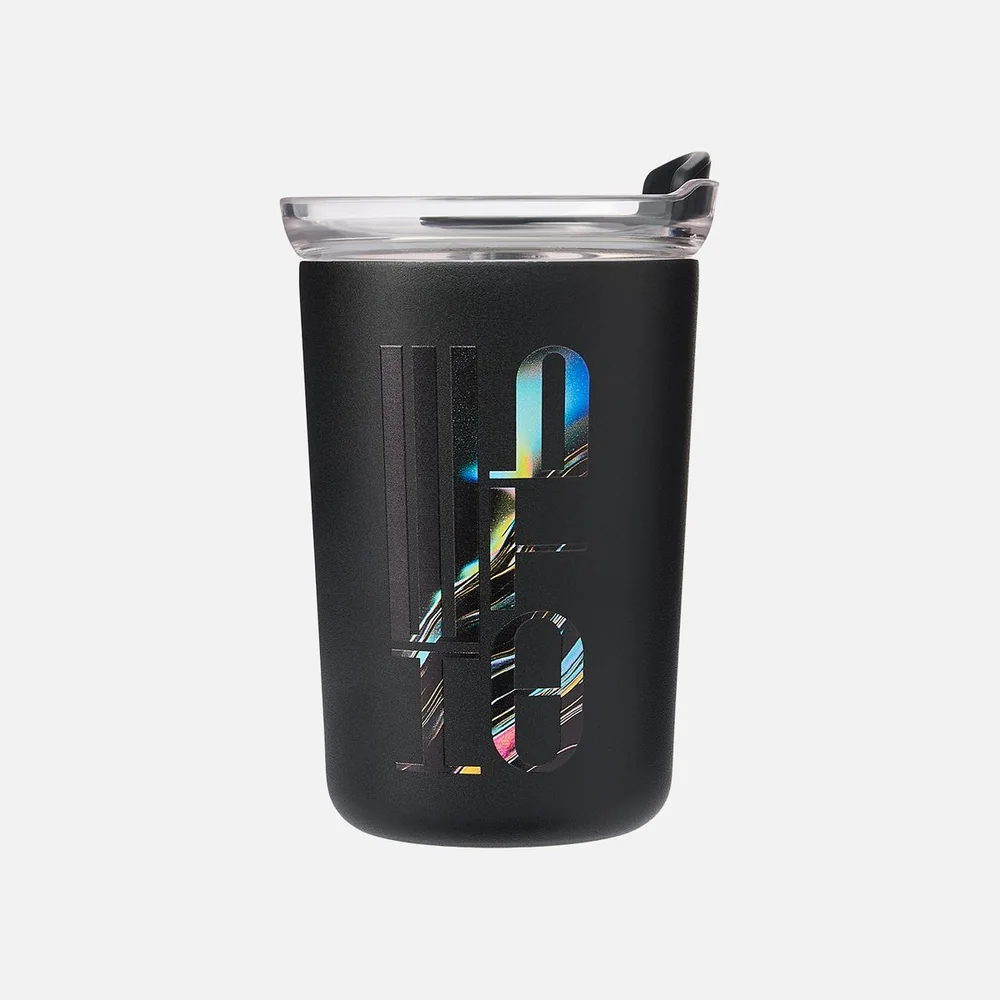
The cards link to the current catalog. Availability, color, and branding compatibility are checked for the selected option and order quantity.

Frequently asked questions
Where should this type of project begin?
Define the outcome: express one idea through clothing, accessories, tableware, and tech without literally duplicating the artwork — and only then move on to products, technology, and budget.
Is a physical sample needed?
Yes, if the result is affected by the material, color, fit, construction, or manual assembly. The sample should specifically test the risk: one master artwork file does not account for each item’s scale, function, and production method.
How do you compare two proposals?
Compare the same specifications: material, model, branding method, packaging, spare quantities, and inspection. The main metric here is recognition of the idea, quality of adaptations, and speed of adding a new SKU.
What must be kept after the production run?
Final artwork, photos of the approved reference sample, product codes and colors, branding coordinates, personalization parameters, inspection notes, and remaining packaging.
Related reading

Discuss your project
We will develop a solution for your task, deadline, and order quantity
Send the project details, logo, and date. We will suggest products, explain the limitations, and establish the sample criteria.
Get a selection of ideas