Short answer
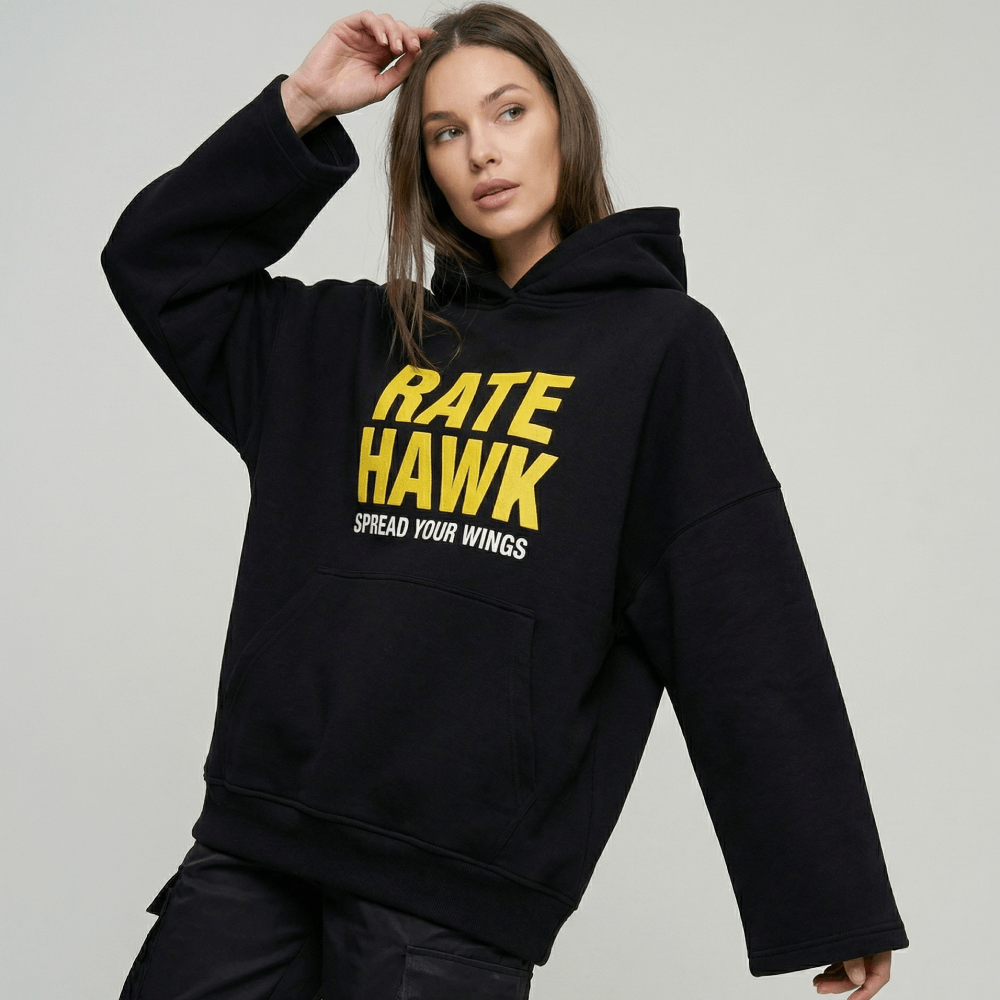
People wear corporate merchandise when it works like an ordinary good garment: it fits, feels pleasant against the skin, withstands care, and does not turn the wearer into an advertising display. The logo, method, and packaging matter after a suitable base product has been chosen.
Fit and material
For T-shirts and hoodies, compare fabric weight, composition, shrinkage, pilling, neckline shape, and the size chart. The same S label can represent different widths from different manufacturers. Measurements of the finished garment and trying several sizes reduce exchanges.
Assess the color in daylight and artificial light. If the project includes several items, do not demand matching shades based on a photograph: fabric, plastic, and metal reflect light differently. It is better to approve a visually compatible palette.
Branding technique
Small embroidery, tonal printing, a patch, or an internal detail often looks more appropriate than a large logo. The choice depends on the fabric and artwork: embroidery adds density, screen printing is efficient in series, and DTF reproduces details but can be felt on the surface.
Request a full-size sample, put it on, and check the folds. Artwork on a flat screen does not show how the mark will sit beside a seam, pocket, or fold.
How to measure the result
Look at the share of sizes issued without an exchange, continued use after 30-90 days, employee photographs, and requests for an additional item. For a test, you can produce a small batch in two versions and compare the actual choices.
Test-batch checklist
Before the main production run, assemble a small group of employees with different builds and habits. Ask them to try on the garment and assess its length, width, neckline, pockets, and branding placement. After washing, remeasure the control points and inspect the color, seams, and print surface. Record results separately for each model and size.
Include the composition, care instructions, and actual size chart in centimeters on the issue record. If clothing is distributed through a merchandise store, define the exchange process and reserve stock in advance. This turns selection data into a forecast for the next order instead of leaving it in managers’ correspondence.
Check before production starts
- Finished garment measurements, not just a letter size
- Fitting on several body types
- Shrinkage and branding durability test
- Color check under different lighting
- Care instructions
- Exchange process and size reserve
Next step
Related projects
All projects ↗
Discuss your project
Send the occasion, audience, order quantity, deadline, delivery city, and indicative budget. We will prepare the questions and options.
Request ideas