HR and events
Conference speaker kit: tech, water, notes, and thanks
The analysis focuses on “Conference speaker kit: tech, water, notes, and thanks”. We align the use case, contents, materials, and methods so the solution is useful to the recipient and manageable for the team.
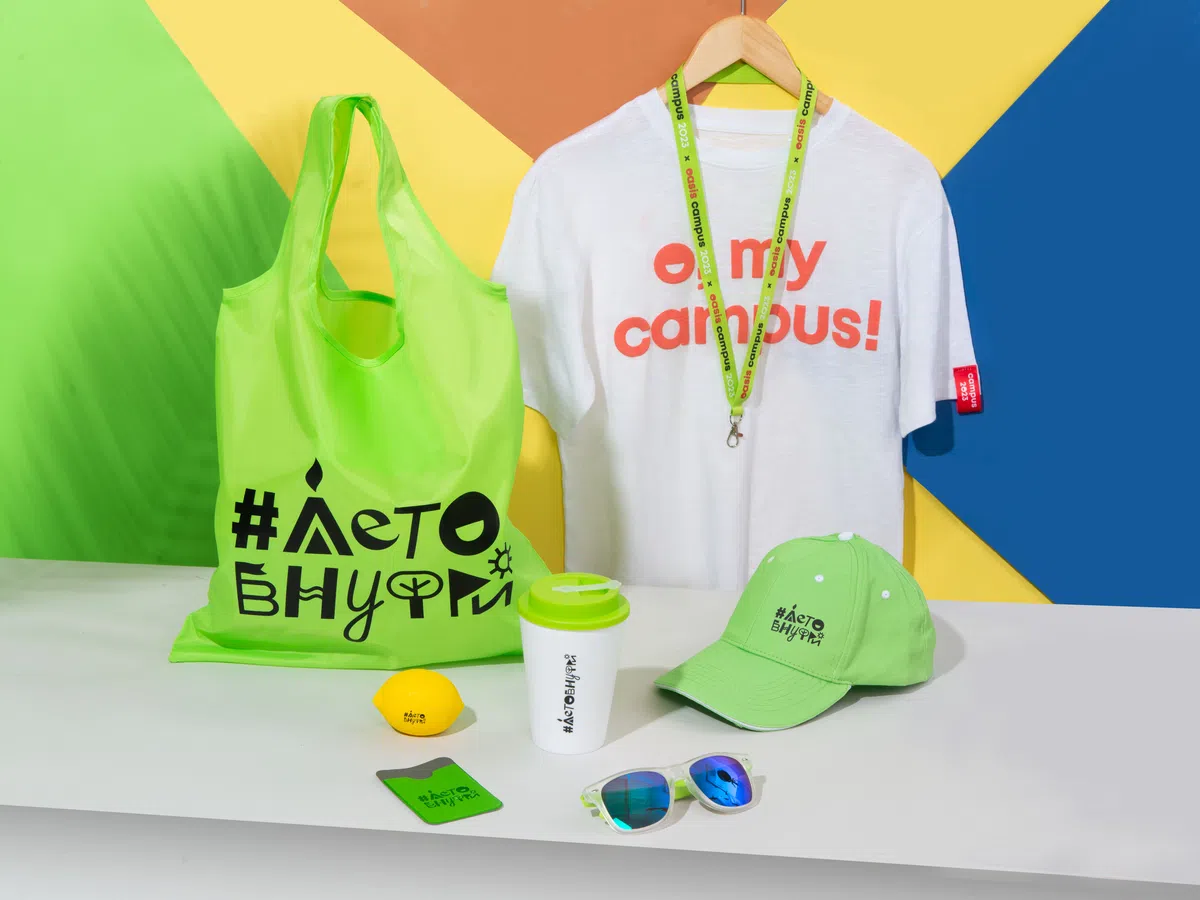
What problem conference speaker kit solves
Good corporate merchandise makes sense even before the recipient notices the logo. For “conference speaker kit”, a simple result provides that reference point: merch helps the participant before, during, and after the event, while the brand remains visible without visual clutter. In the “conference speaker kit” project, this reference point helps quickly distinguish useful options from impressive but arbitrary ideas.
First, establish the recipient, place of use, and moment of handover. Next, four properties are checked for the “conference speaker kit” project: the item’s role in the program, speed of distribution, ease of carrying, and how long the connection lasts after the event. This keeps the discussion of “conference speaker kit” from becoming a matter of one person’s taste and keeps it connected to the brand’s goal.
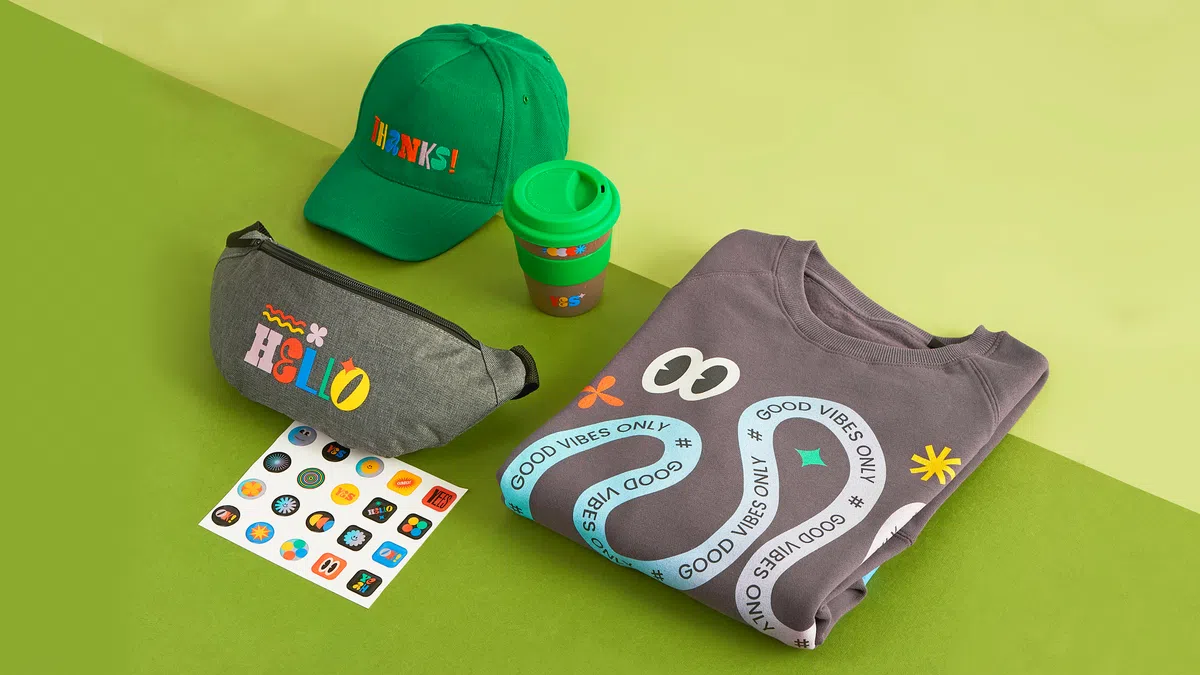

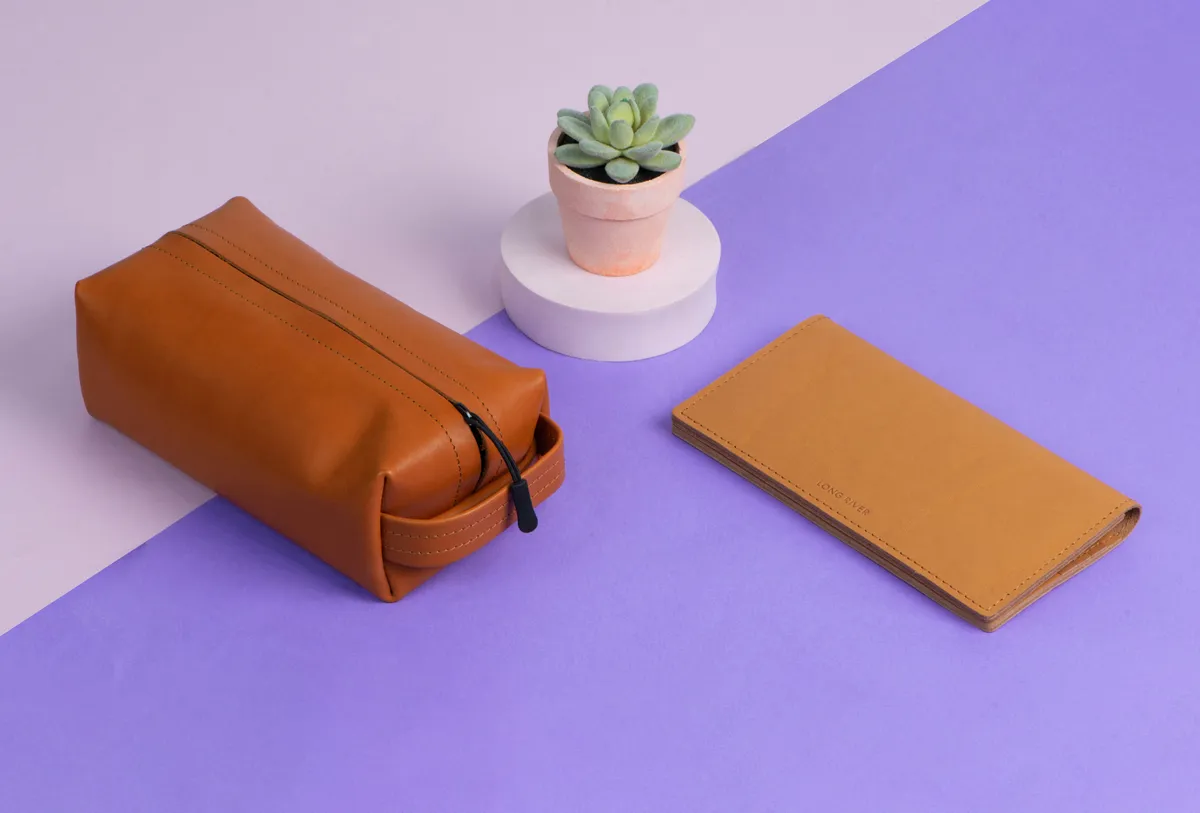
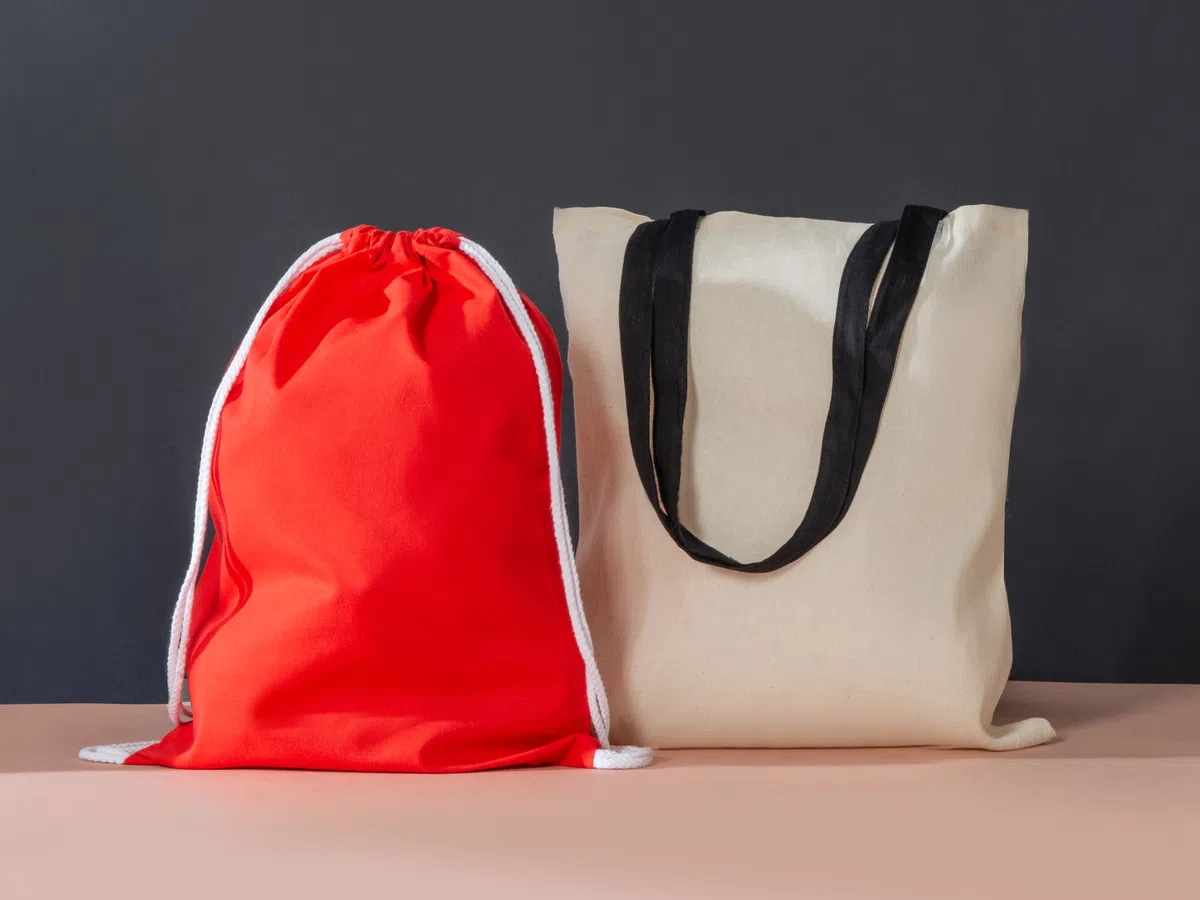
What to include in the brief before choosing items
A good “conference speaker kit” brief includes the quantity, date, geography, budget range, audience profile, and delivery constraints. The “conference speaker kit” brief should separately specify which items have been used before and what must definitely be excluded from the new version.
For the “conference speaker kit” project, the key question is not “what to put in the box” but “what the person should do or feel after receiving it”. When preparing “conference speaker kit”, it is important not to order familiar promotional gifts that have no connection to the event’s format. The answers reduce the number of substitutions and make it possible to price comparable options.
- The item's role in the program: how will this show up in actual use?
- Distribution speed: does the solution suit the entire audience?
- Ease of carrying: what needs to be checked before production?
- How long the connection lasts after the event: can the order be repeated a few months later?
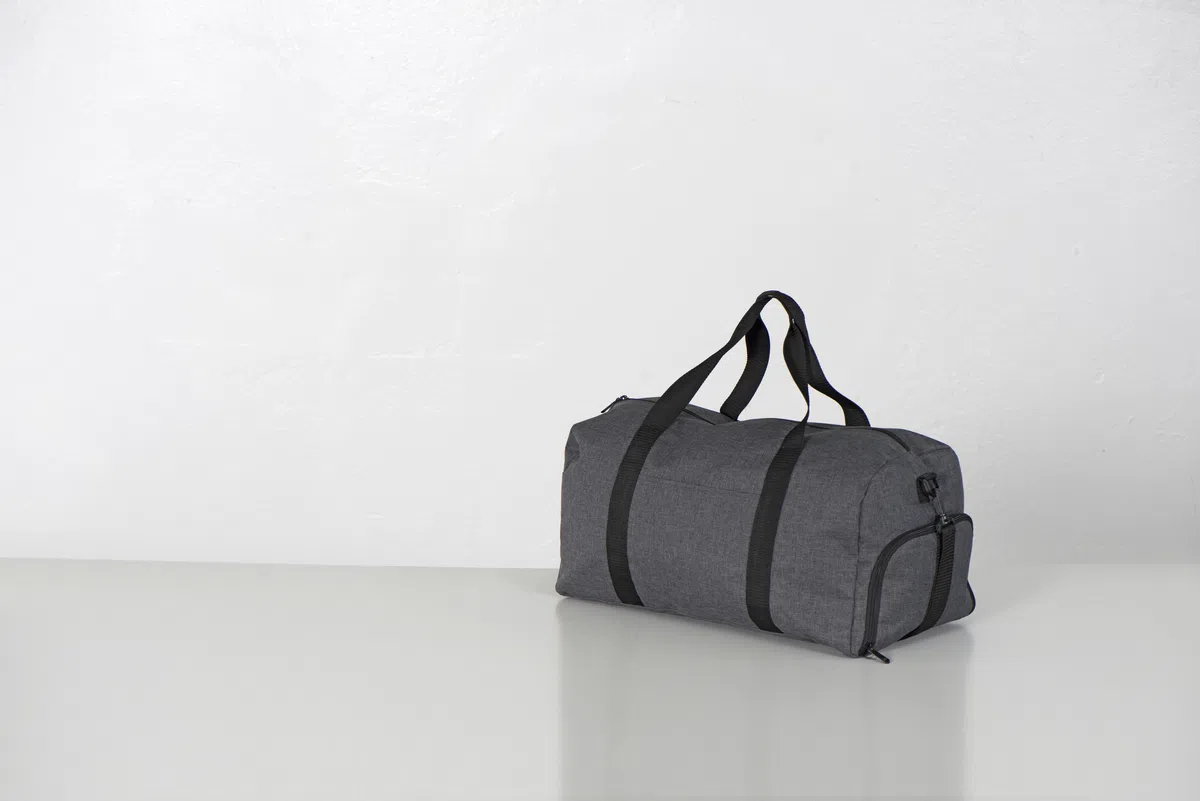
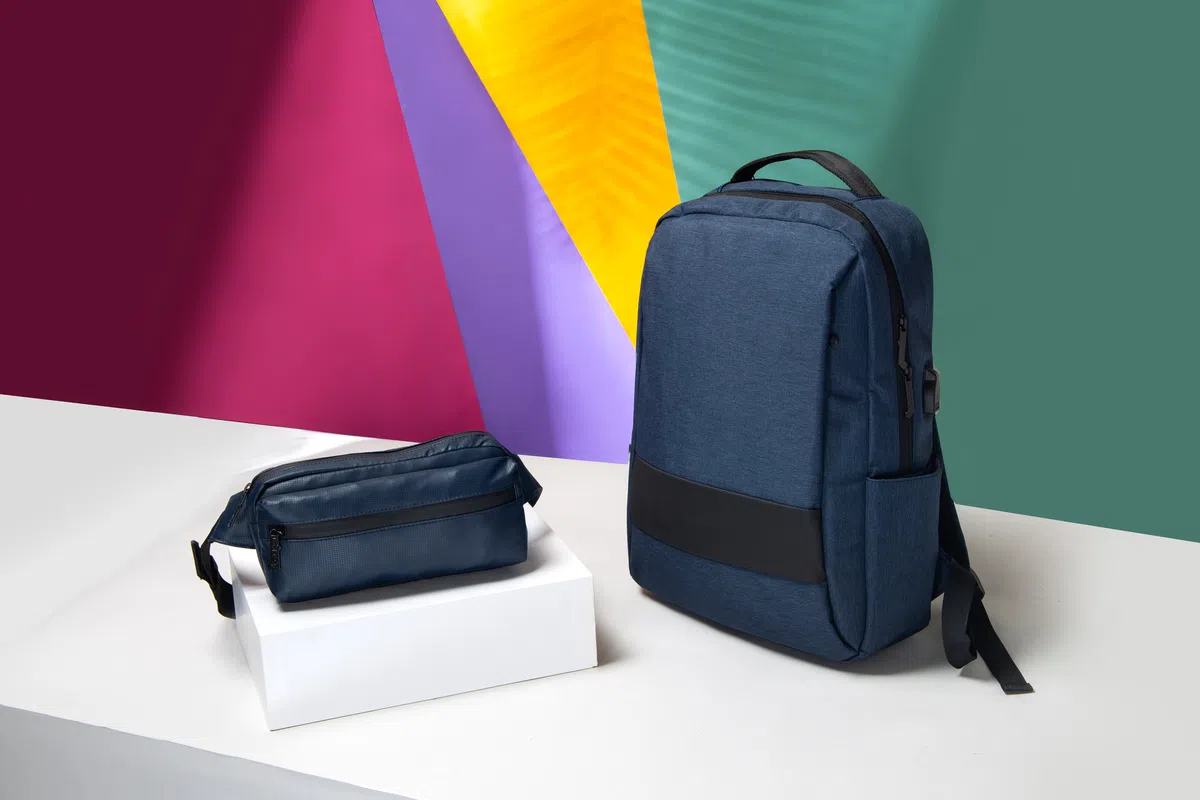
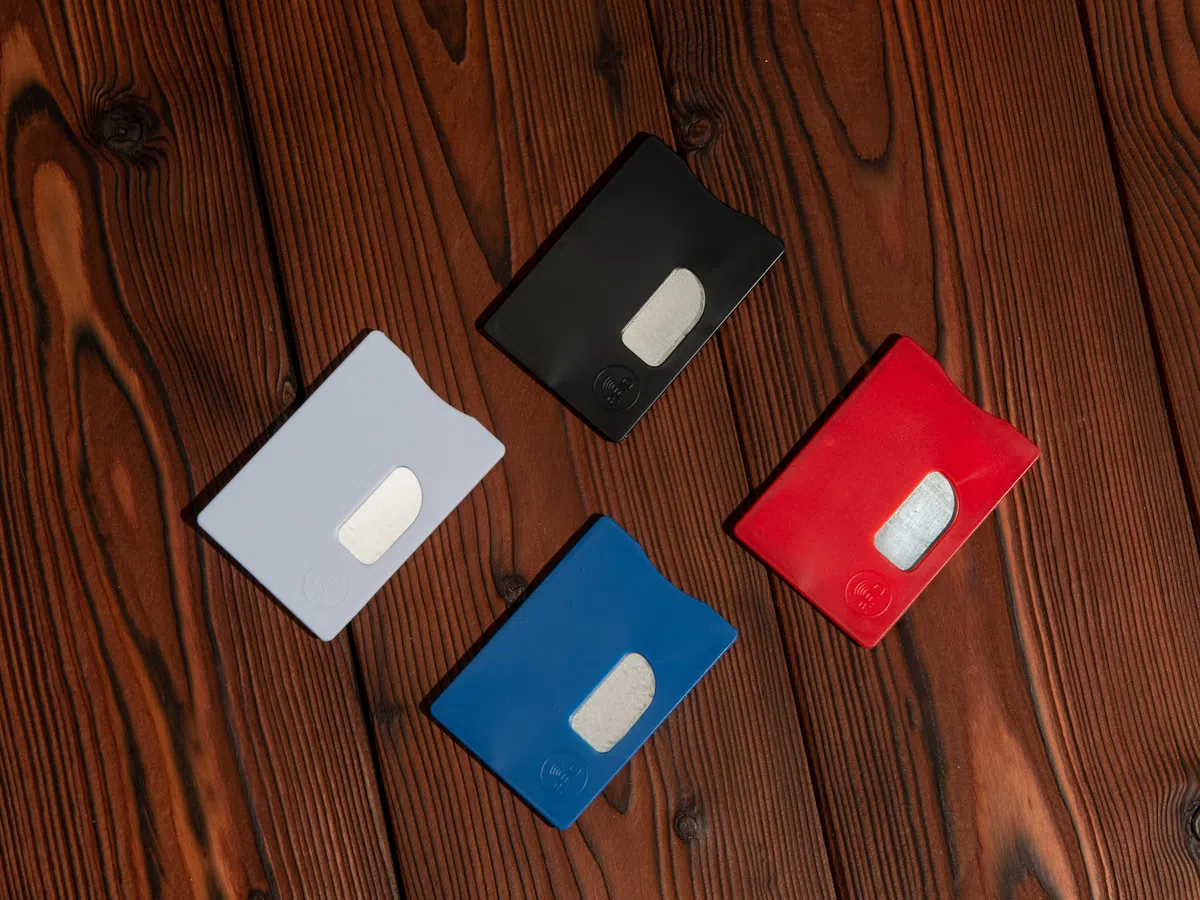
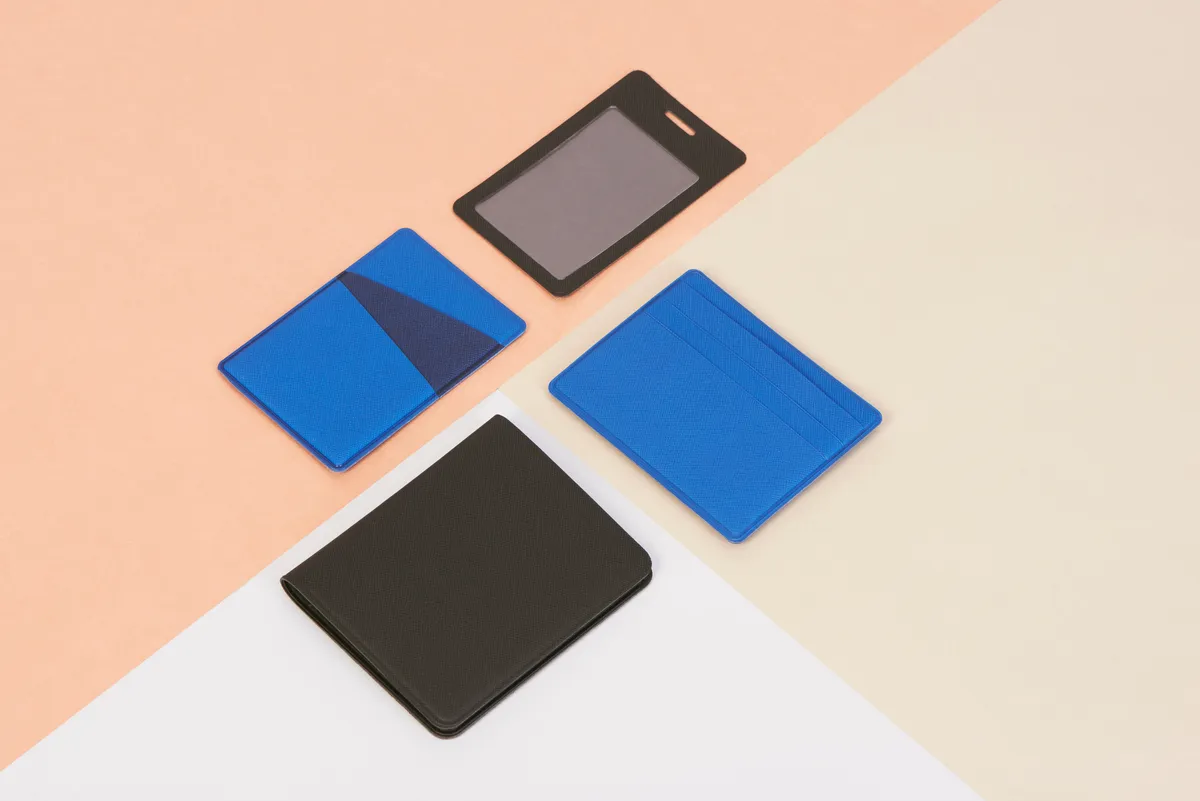
How to bring the items together as one system
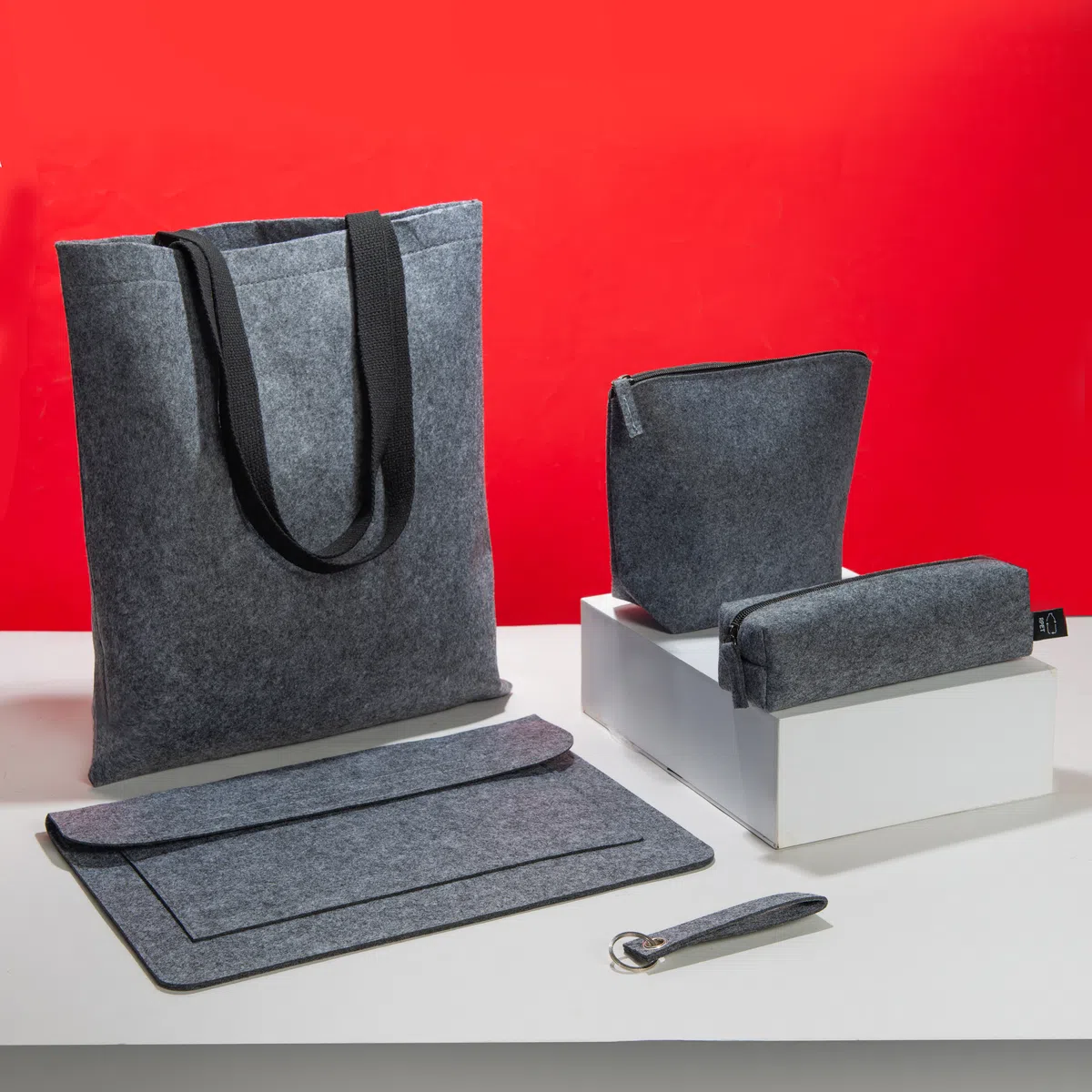
The “conference speaker kit” composition works better when each element has its role: the main item establishes the value, the second supports everyday use, and the packaging connects them visually. The number of items alone does not make a gift more convincing.
Color in the “conference speaker kit” solution can be arranged in layers: a neutral base, one brand accent, and understated graphics. If the items for the “conference speaker kit” project use different materials, they are unified through logo scale, a repeating module, identical wording, or a shared packaging principle.
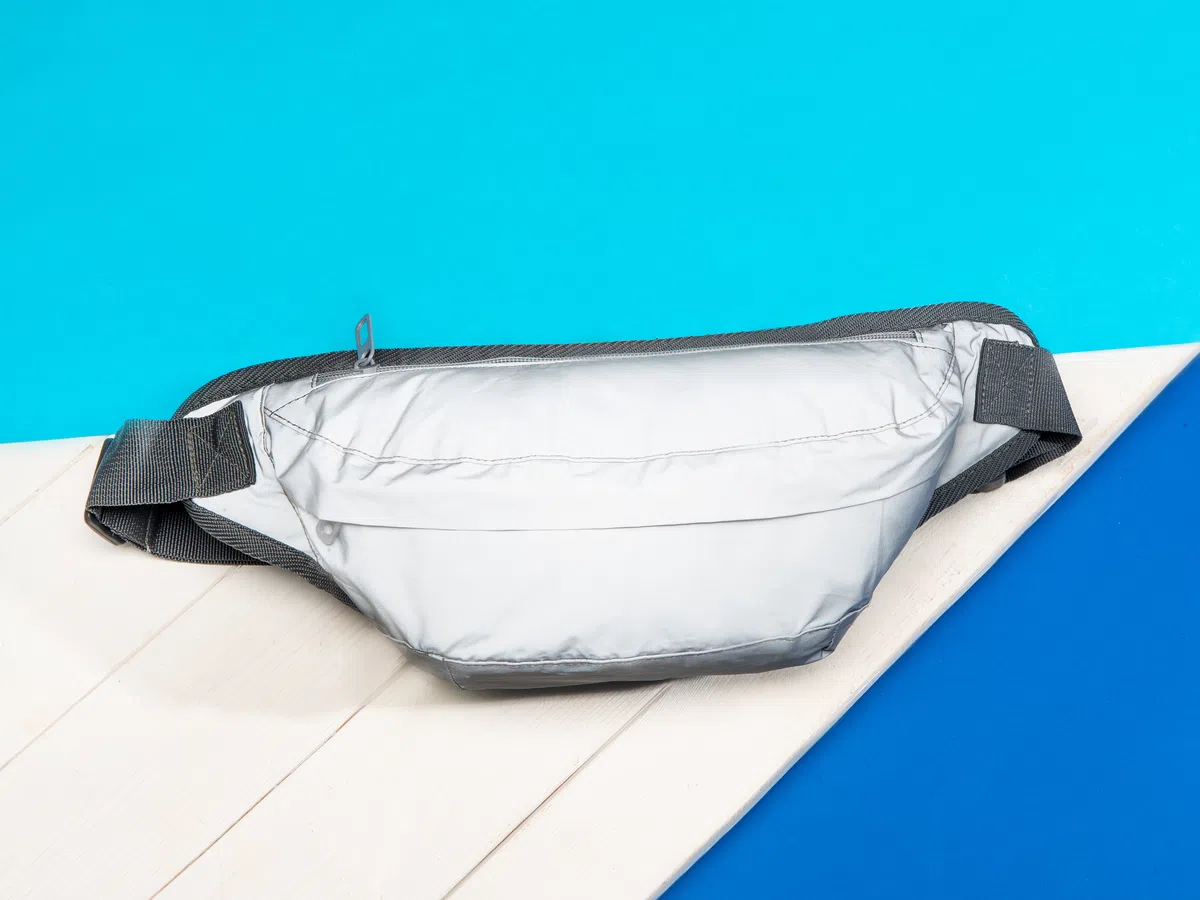
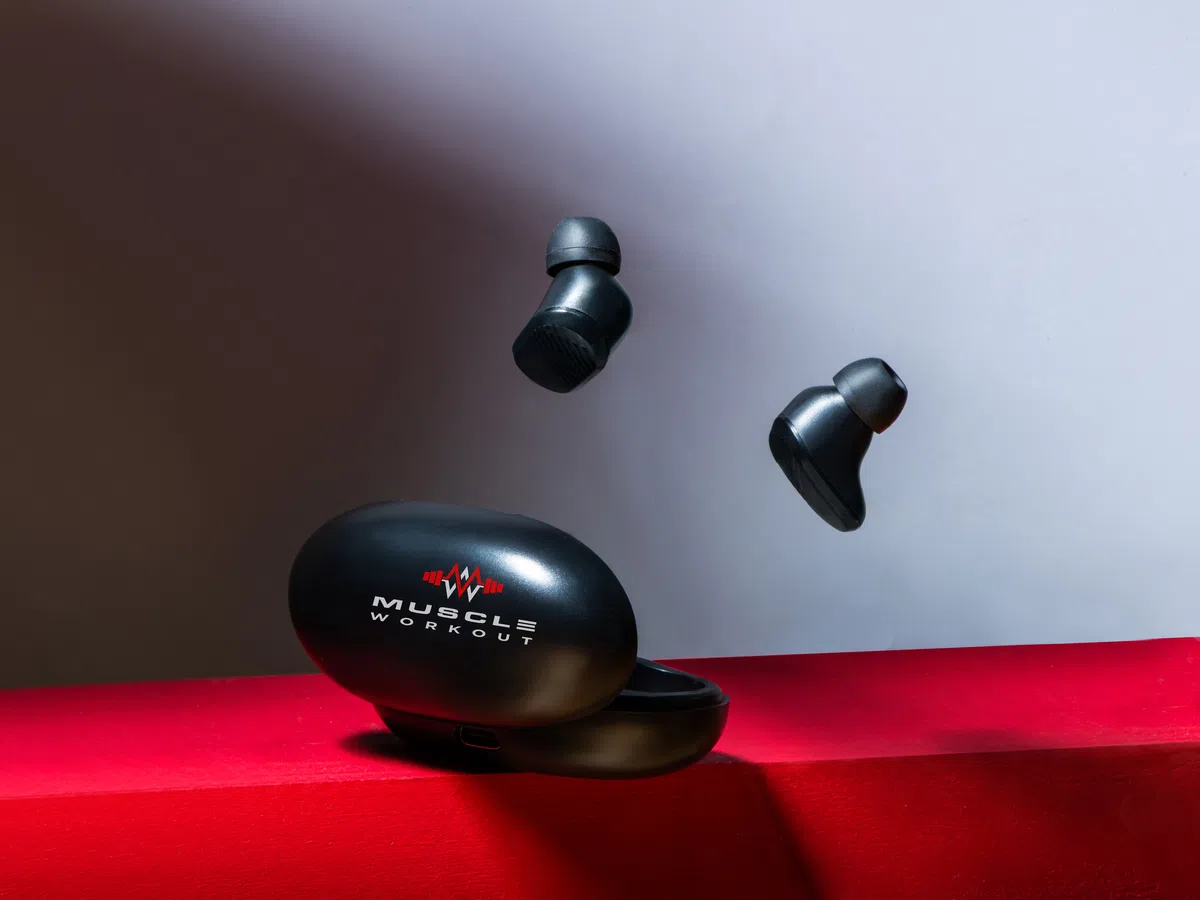
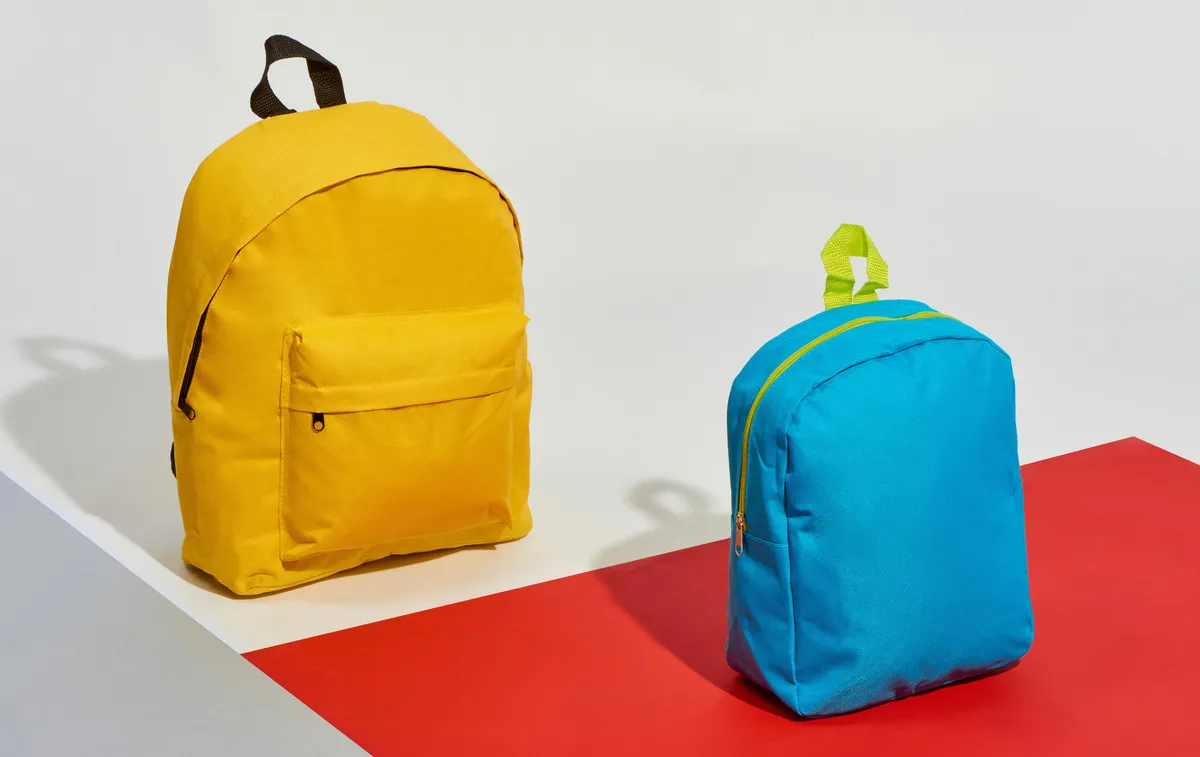
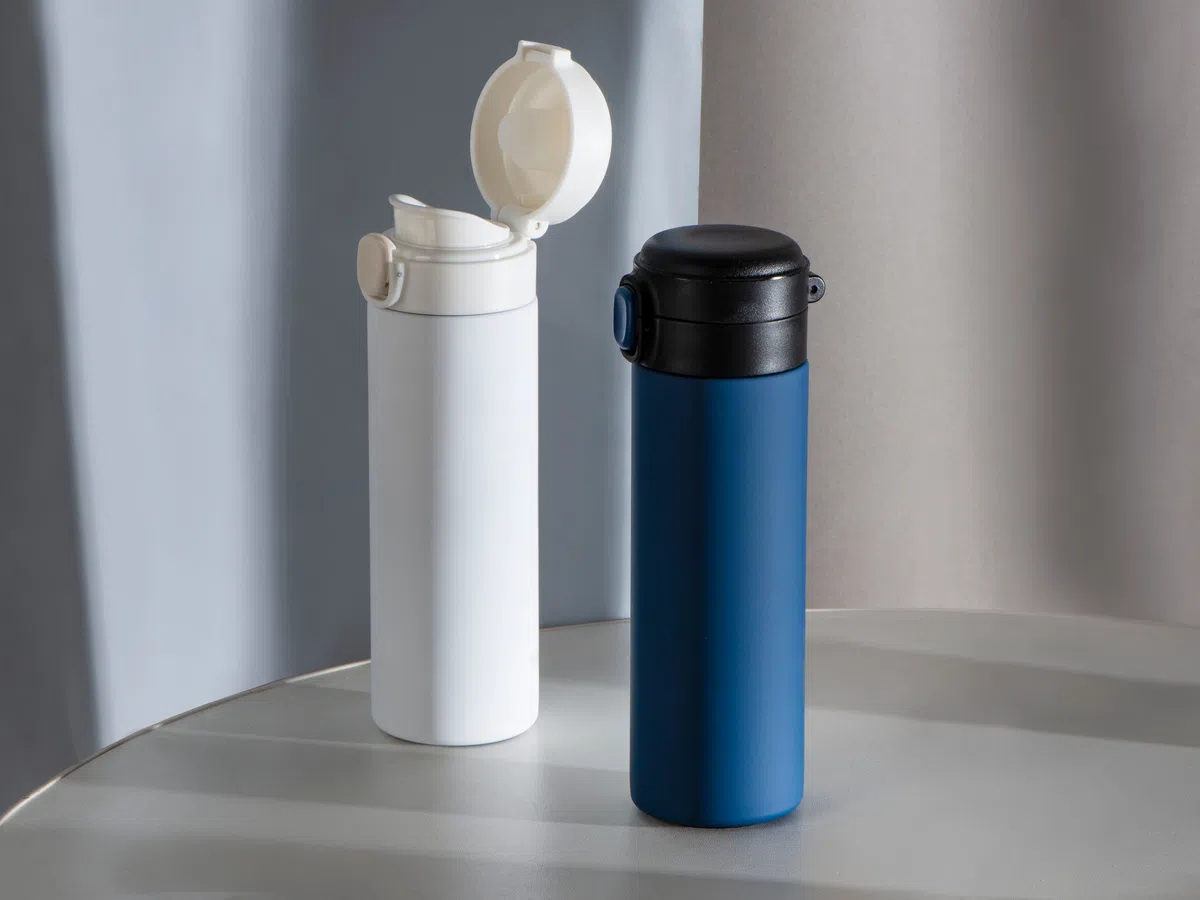
Branding, color, and materials
Reserve a large mark for wayfinding and the stage, and use compact printing, engraving, or a jacquard element on personal items. For the “conference speaker kit” project, the artwork is checked on the specific product color and variant, not only against a white presentation background.
In the “conference speaker kit” project, the size of the mark is assessed from a normal viewing distance: on a bottle held in the hand, on clothing being worn, and on a box as it is opened. If the collection for the “conference speaker kit” project uses several techniques, they are given a consistent visual intensity so engraving, printing, and embroidery do not compete.
Budget, lead times, and quantity without unpleasant surprises
The estimate for the “conference speaker kit” project should separate the costs of items, branding, packaging, personalization, assembly, and delivery. The “conference speaker kit” cost estimate shows where the real value lies and where the budget goes toward operations that go unnoticed.
The “conference speaker kit” schedule is built backward from the handover date: delivery, packaging, production, sample approval, artwork preparation, and product selection. For “conference speaker kit”, practical metrics include the percentage of kits distributed, visits through QR links, and reuse of the items after the event.

What to check on the sample and during acceptance inspection
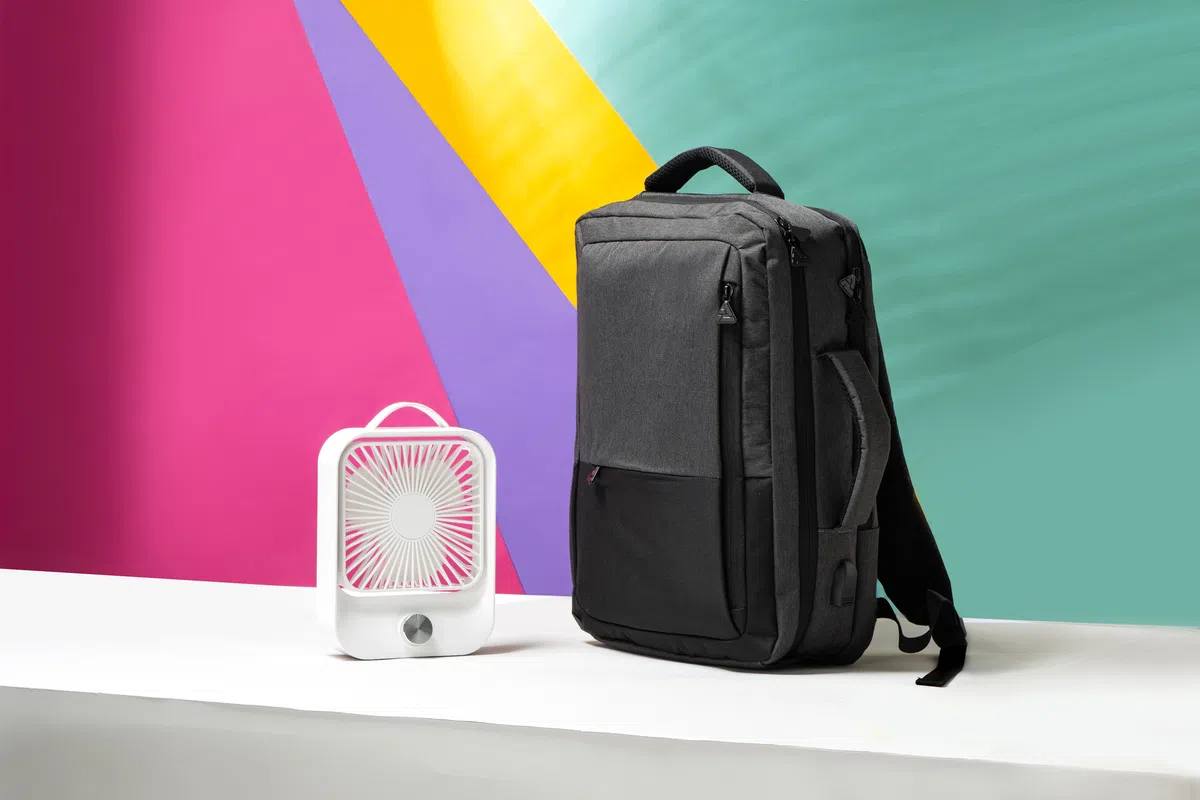
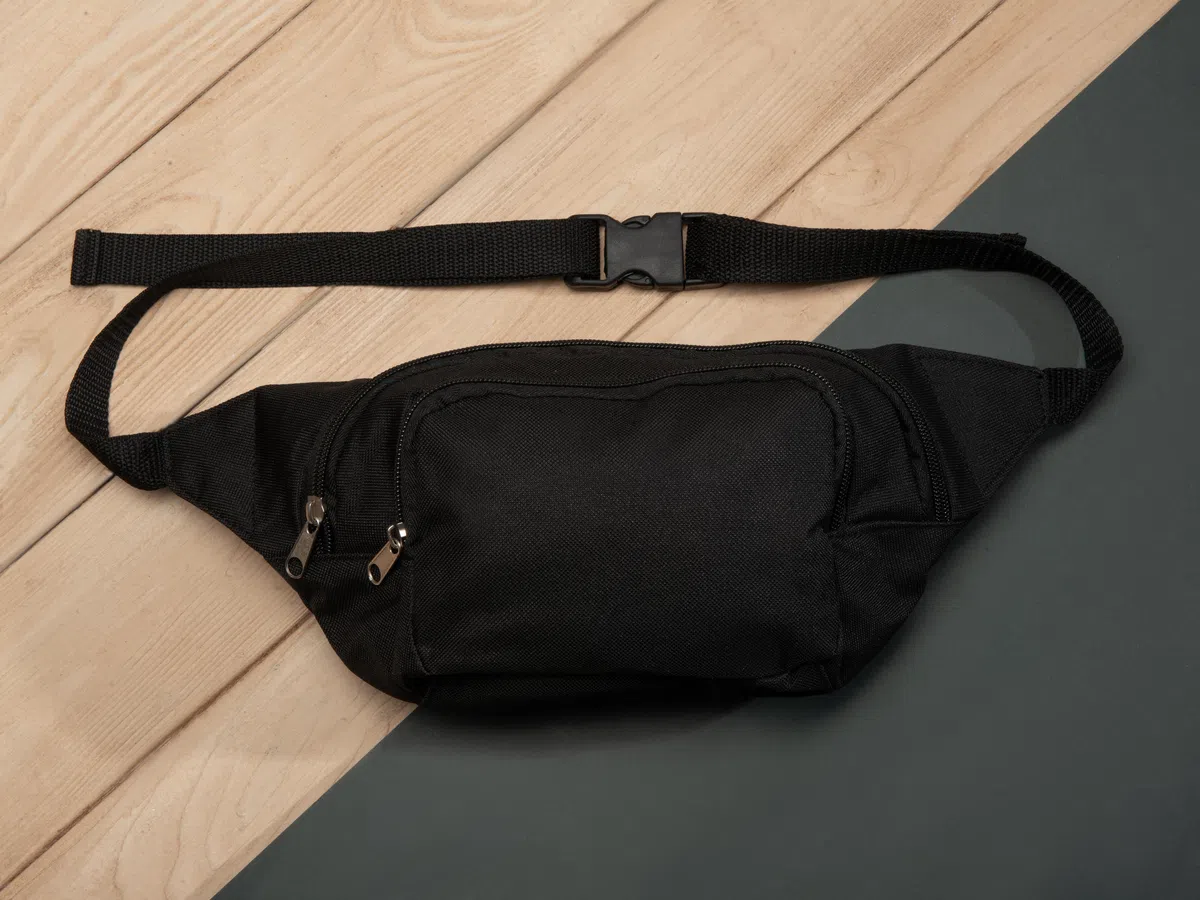
The sample for “conference speaker kit” is tested as a complete experience: the item is held, opened, worn, washed, or connected, depending on its function. The sample for the “conference speaker kit” project is checked separately for color, branding position and size, completeness, text legibility, and protection during transport.
Before production starts, the reference sample is photographed and attached to the specifications. During acceptance inspection, boxes from different parts of the batch are opened at random. If the ready-made solution supports the goal — merchandise should help participants before, during, and after the event, while the brand stays visible without visual clutter — and matches the sample for the “conference speaker kit” project, the batch can be accepted without subjective disagreements.
Item selection
Continue in the catalog
Open the relevant section, add products to the project cart, and send the selection to the manager. We confirm availability, color, and branding method for the selected order quantity.
Key points at a glance
Frequently asked questions
Where should a project on conference speaker kit begin?
Describe the moment of use and the result for the recipient. Then choose the items, branding, and packaging that help achieve that result.
Is a physical sample necessary?
Yes, if color, texture, fit, packaging, or personalization matters. For “Conference speaker kit: tech, water, notes, and thanks”, the sample should specifically test this risk: ordering familiar promotional gifts that have no connection to the event’s format.
How do you compare proposals from different contractors?
Compare the same specifications: model, material, color, branding method and size, packaging, allowance for defects, lead time, and replacement terms.
How can you tell whether a set is overloaded?
Every item should have a role in the overall use case. If an item in the set does not support the goal — merchandise should help participants before, during, and after the event, while the brand stays visible without visual clutter — it is better to remove or replace it.
What should be kept for a repeat order?
The final artwork, reference sample photographs, product codes and colors, branding positions, personalization parameters, packing layout, and acceptance inspection comments.
Continue exploring
Related reading

Discuss your project
We will develop a solution for your task, deadline, and order quantity
Send the date, number of recipients, budget range, and logo. We will suggest items, branding options, and a production plan.