Task and context: what should change
Before browsing the catalog, the team describes exactly what needs to happen: convey the brand's thoughtfulness without cultural awkwardness or customs surprises. This article will be useful to international sales and protocol teams. This separates project criteria from participants' personal preferences. A seasonal gift competes through the precision of its use case, packaging quality, and sense of personal attention, rather than the number of items.
Before requesting a price, acknowledge the main challenge: contents, value, and symbolism are perceived differently in different countries. The product's role, its use environment, and the signs of a successful outcome are recorded as one decision: “check the gift from cultural, legal, and logistical perspectives at the same time.” Work starts in advance: contents, versions, personalization, shelf life, and delivery must be brought into one schedule.
Questions that resolve uncertainty
A short written brief aligns the client, design, and production. The outcome is the ability to make the decision “check the gift from cultural, legal, and logistical perspectives at the same time.” After this preparation, the estimate reflects the project's actual configuration.
- Is the recipient allowed to accept a gift?clarify the recipient's corporate policy.
- What is the value limit?remove complex food categories.
- Which symbols are ambiguous?check transliteration.
- What does the delivery route allow?choose repairable packaging.
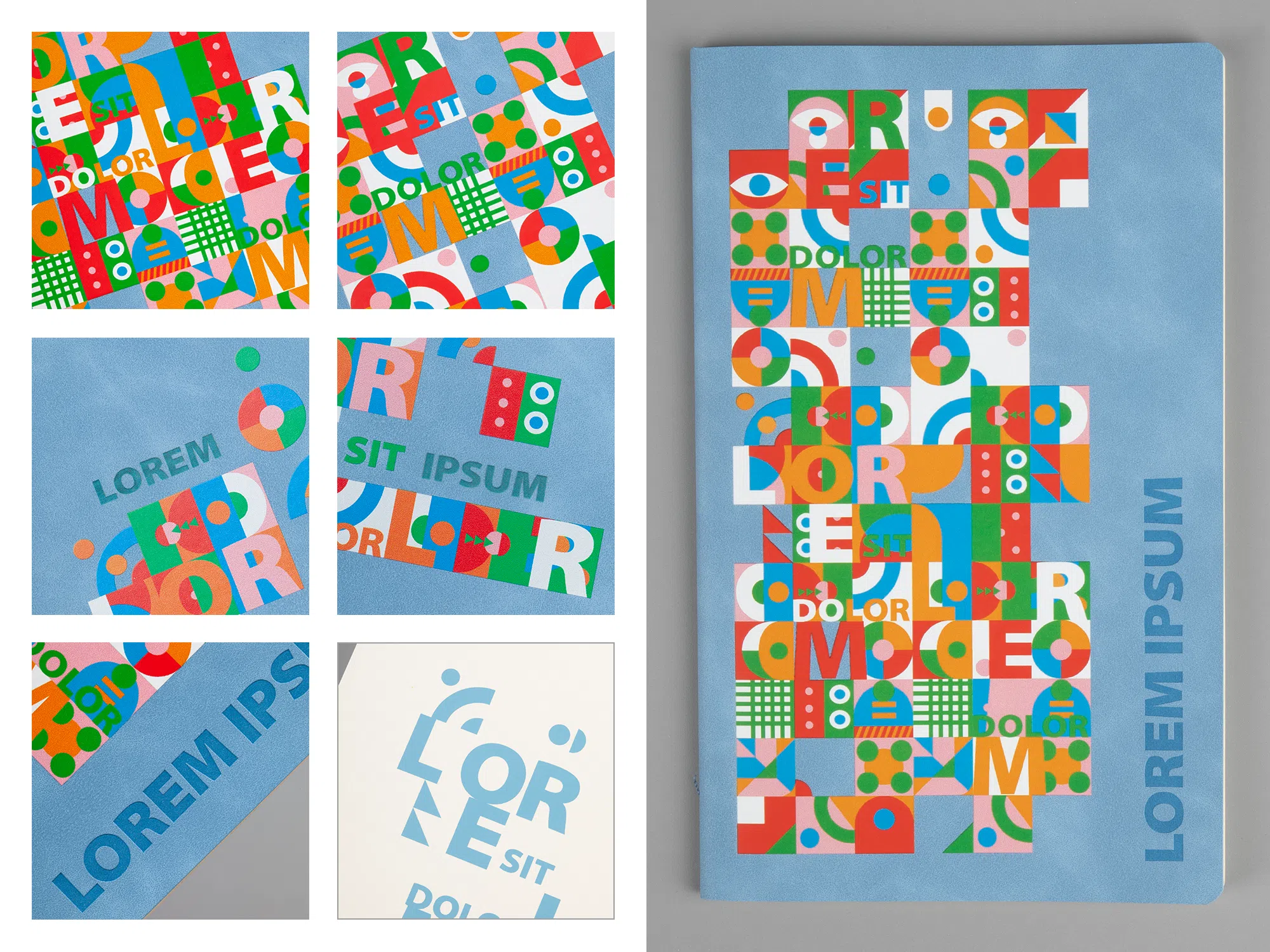
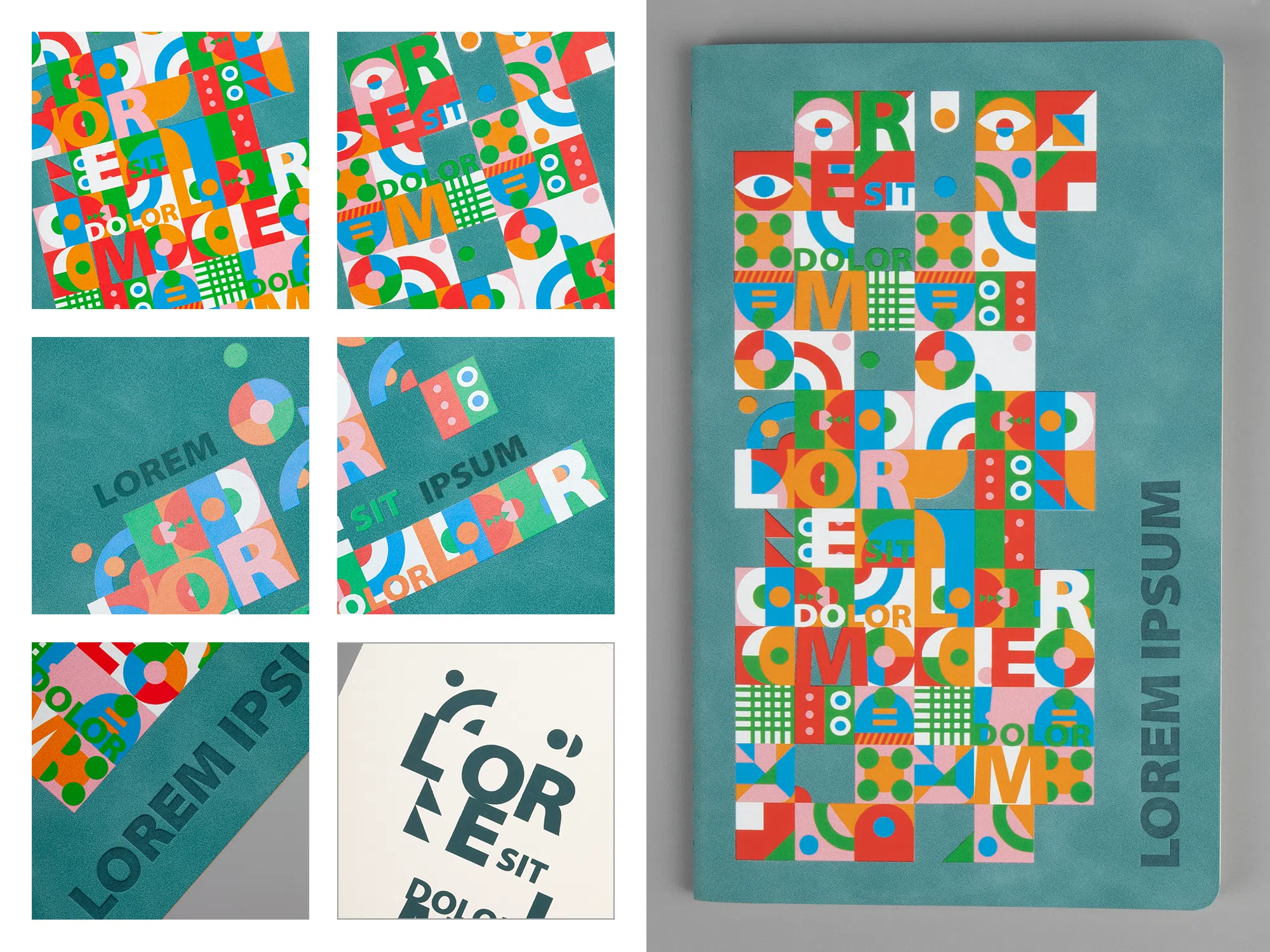
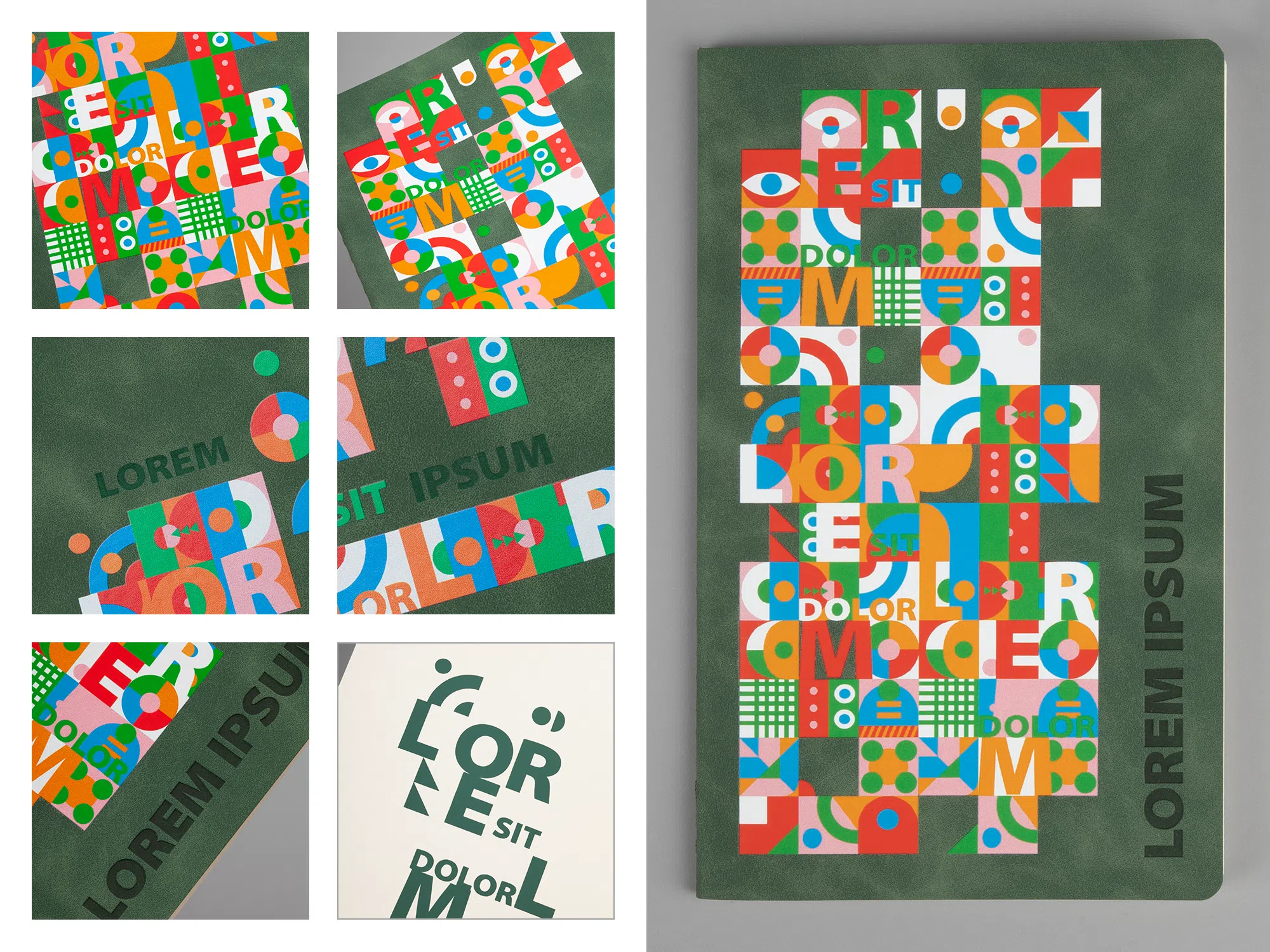
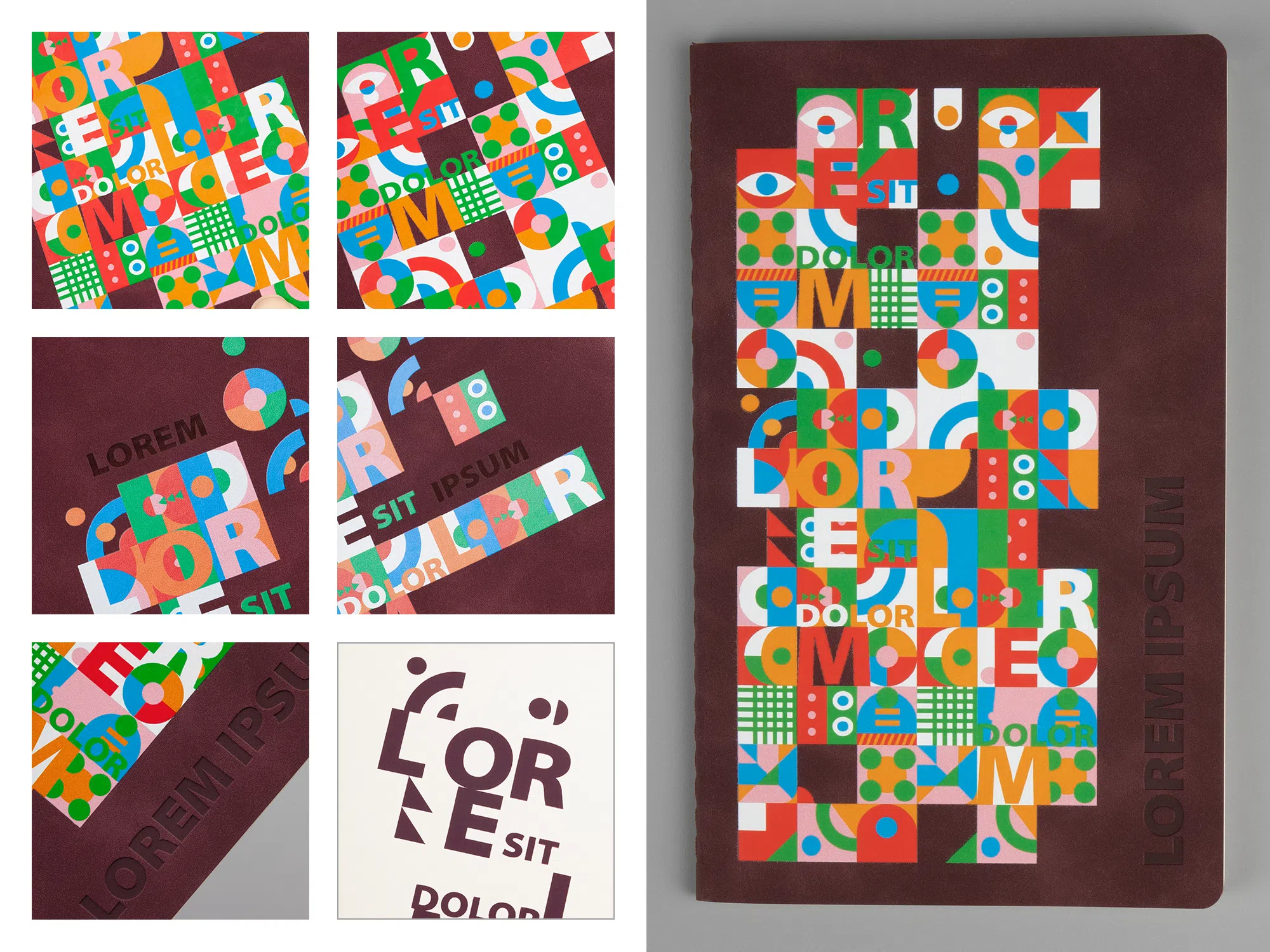
Working decision matrix
| Goal | convey the brand's thoughtfulness without cultural awkwardness or customs surprises |
|---|---|
| Audience | to international sales and protocol teams |
| Solution | check the gift from cultural, legal, and logistical perspectives at the same time |
| Techniques | Laser engraving, stamping, customization |
| Main risk | contents, value, and symbolism are perceived differently in different countries |
| Metric | delivery by the date, no delays, and correct name, language, and form of address |
Parameters are considered together because a compromise in one row changes the entire project. In this project, the priority metric is “delivery by the date, no delays, and correct name, language, and form of address.” It is checked on a physical sample and tested again at the start of production.
Use cases, products, and visual logic
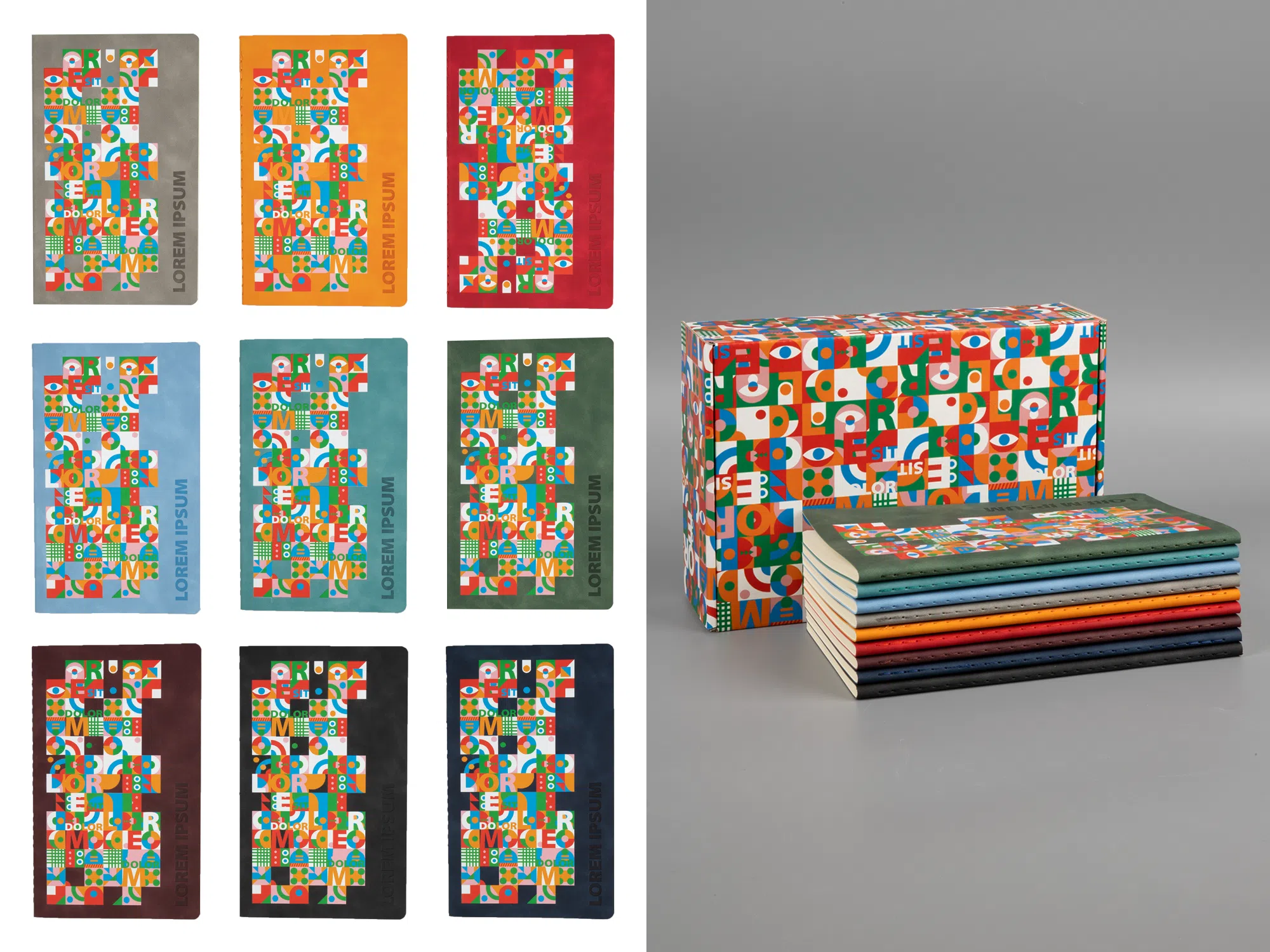
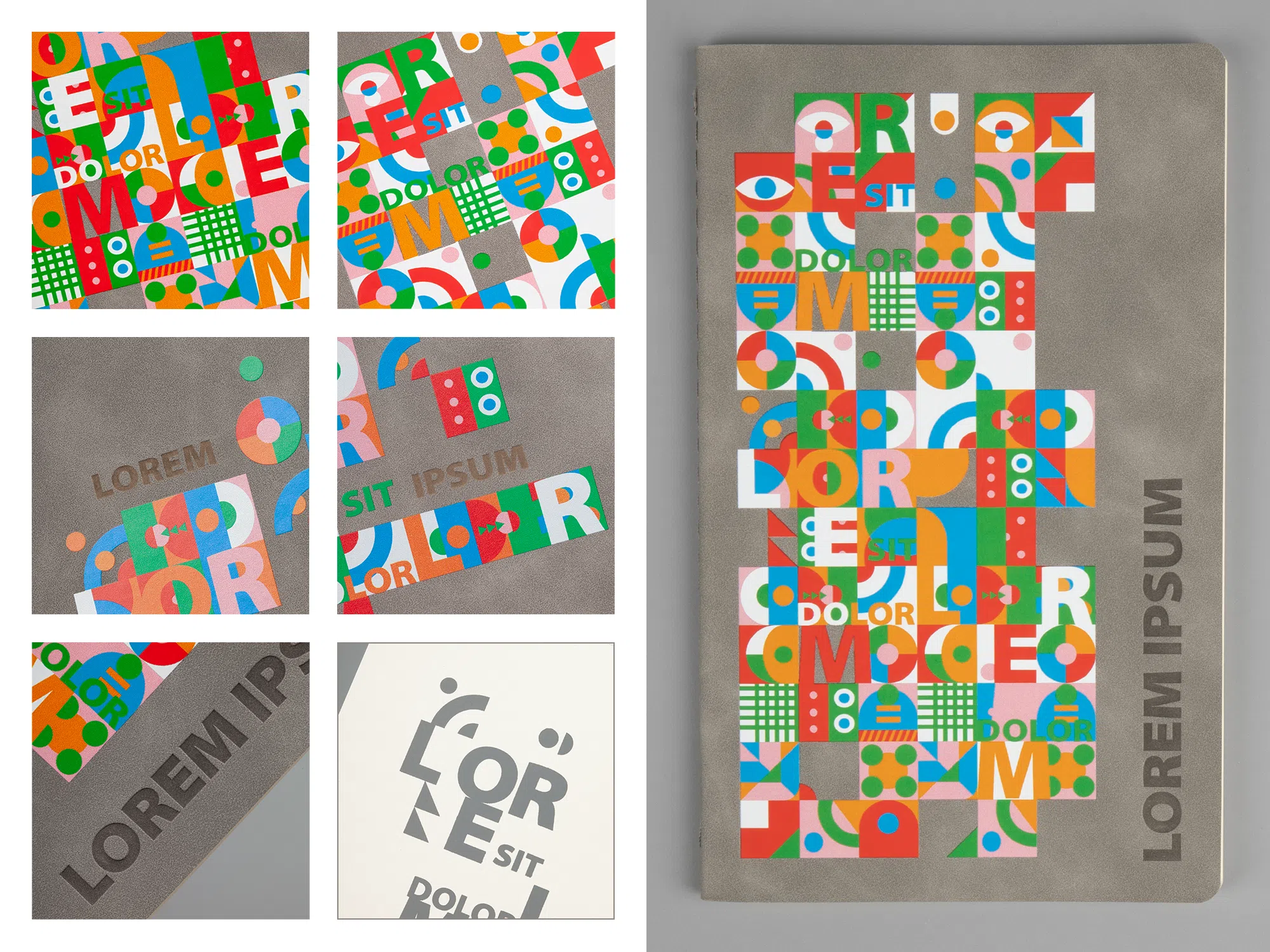
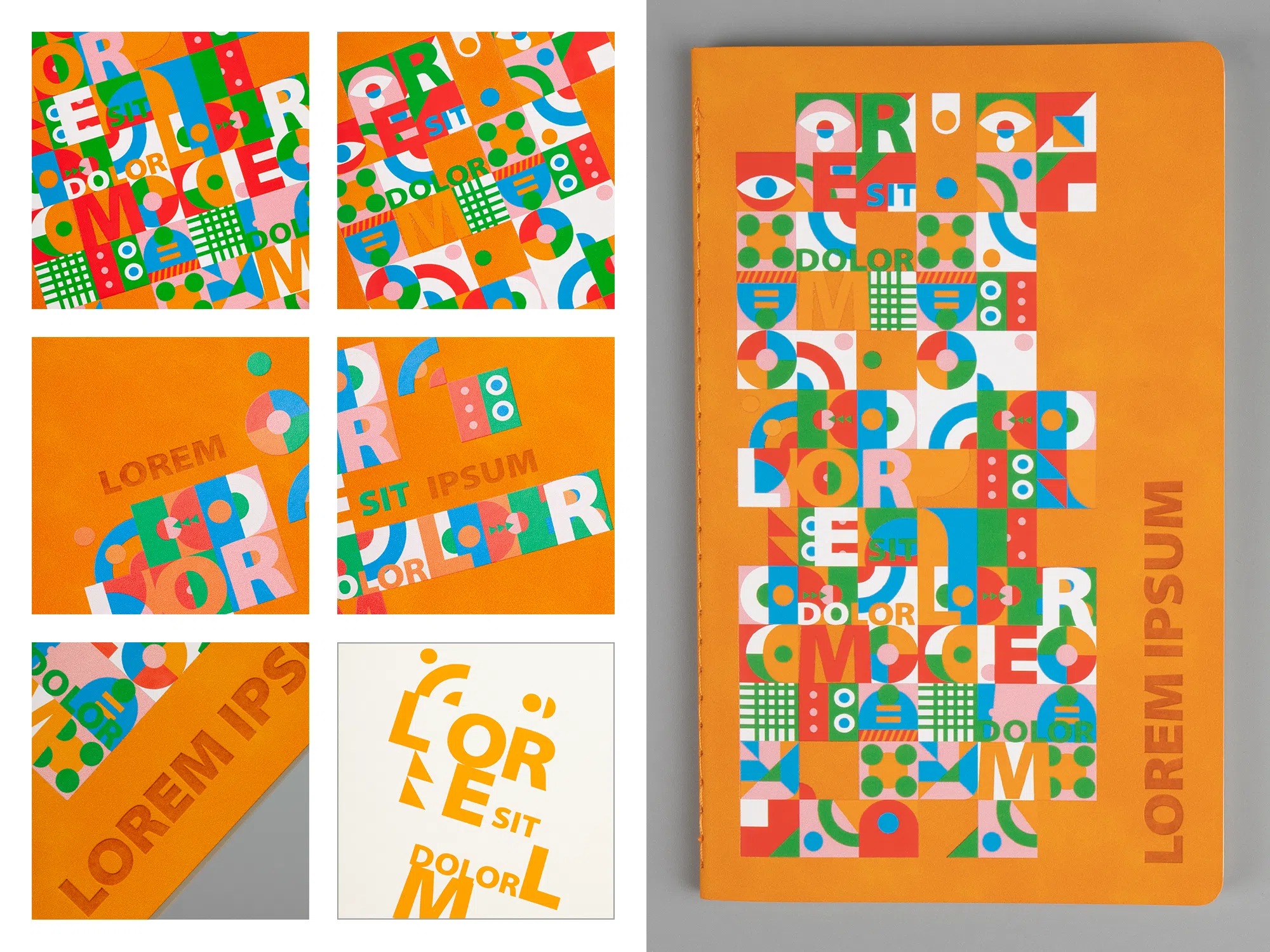
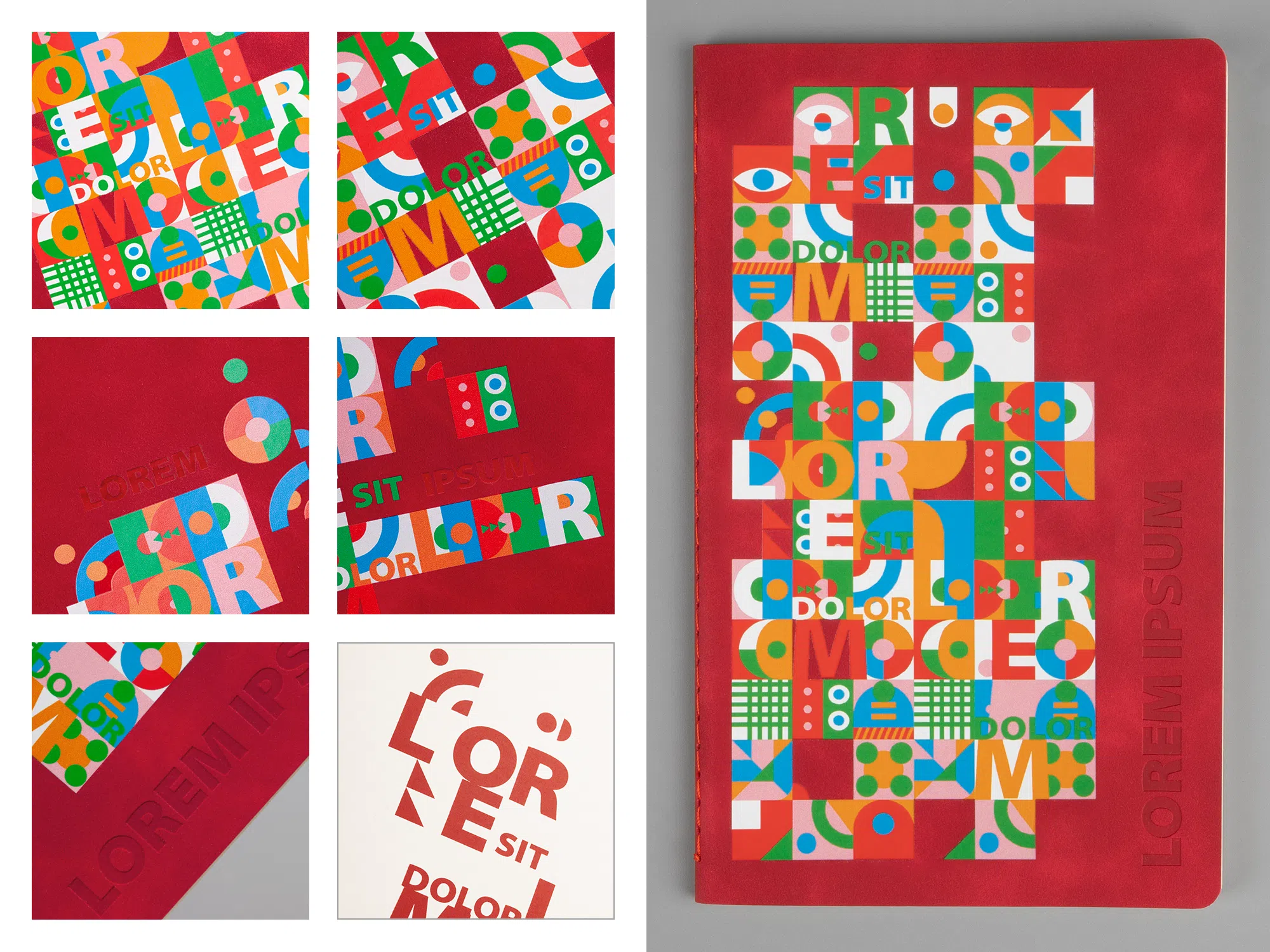
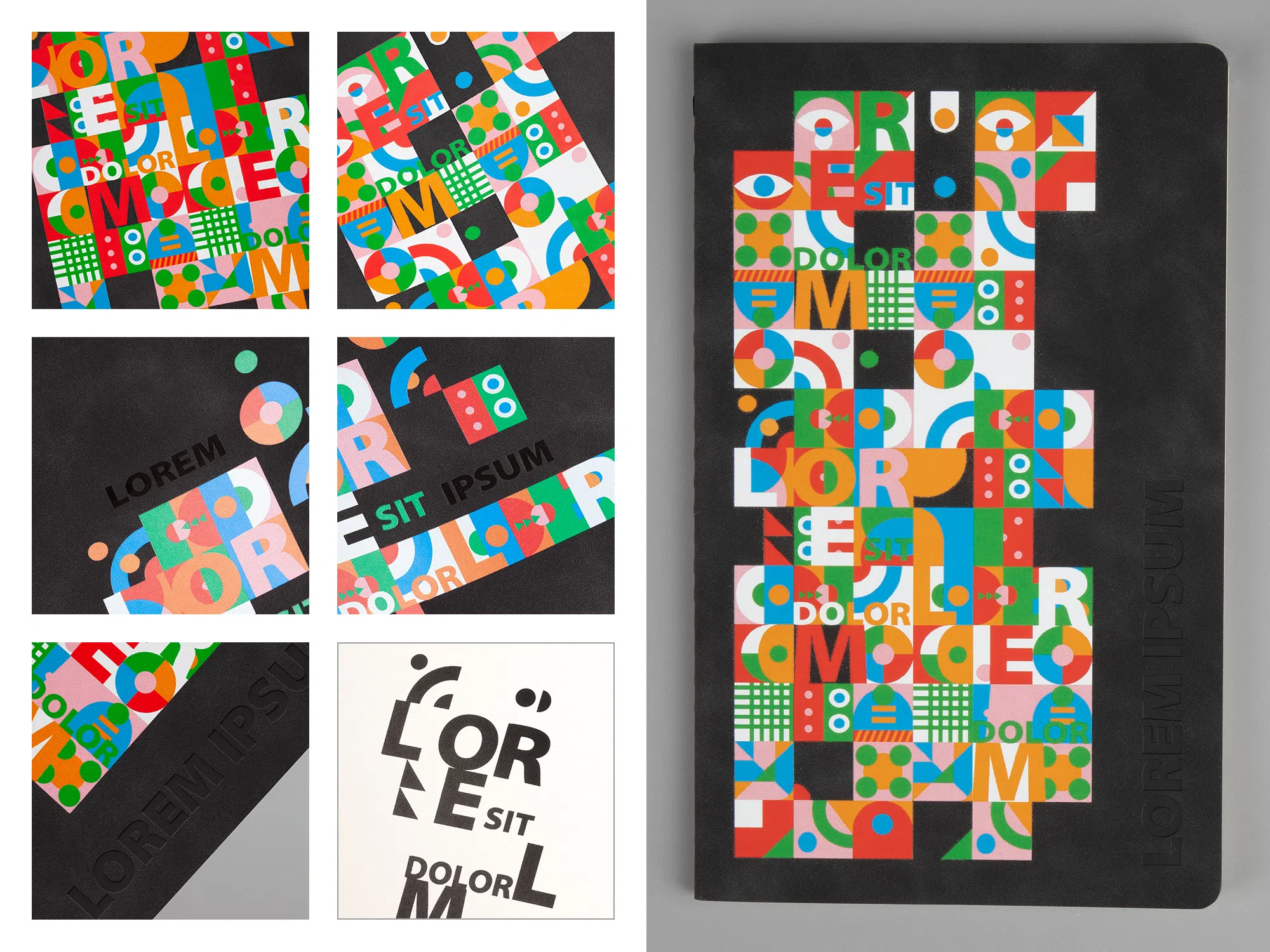
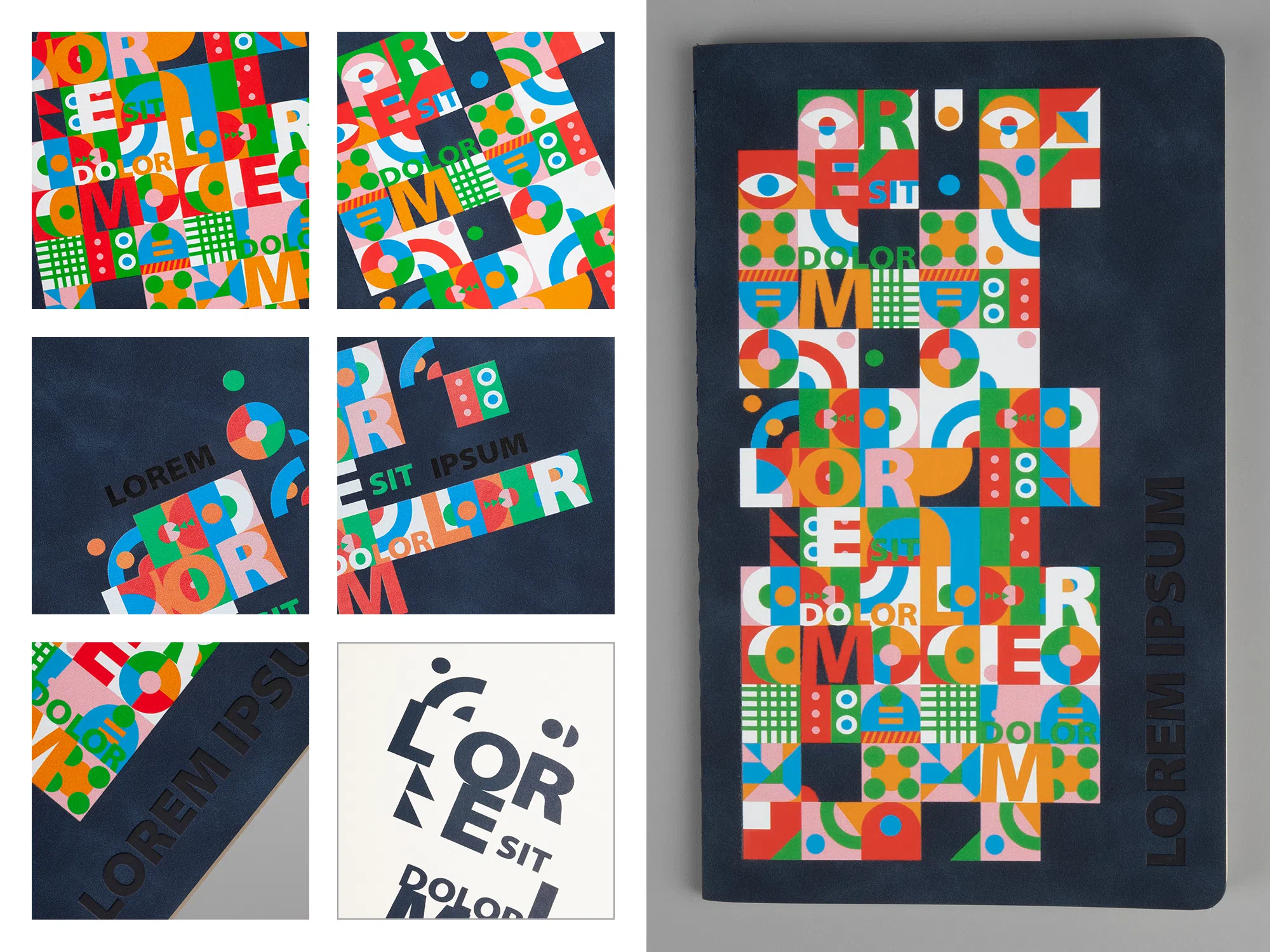
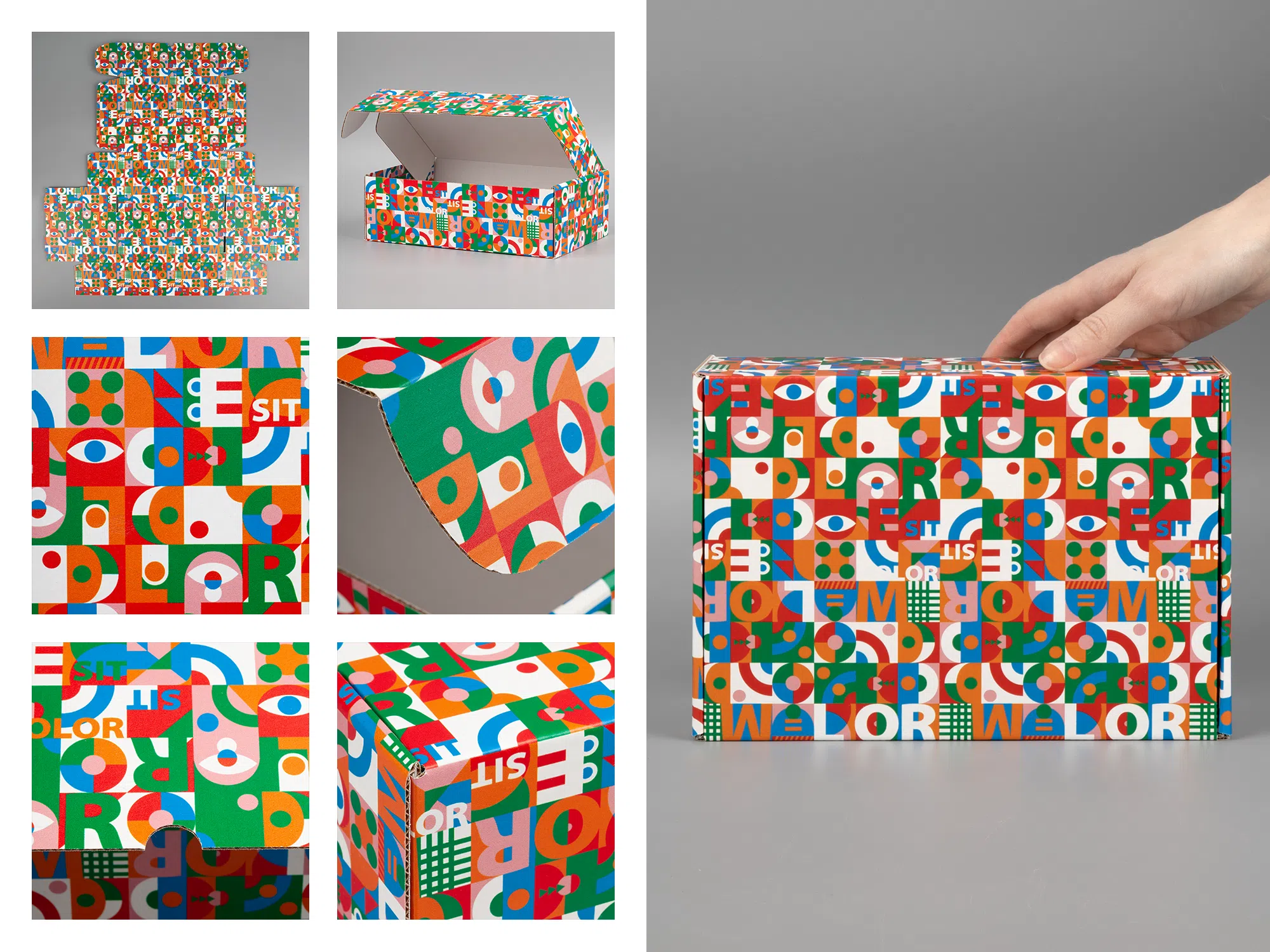
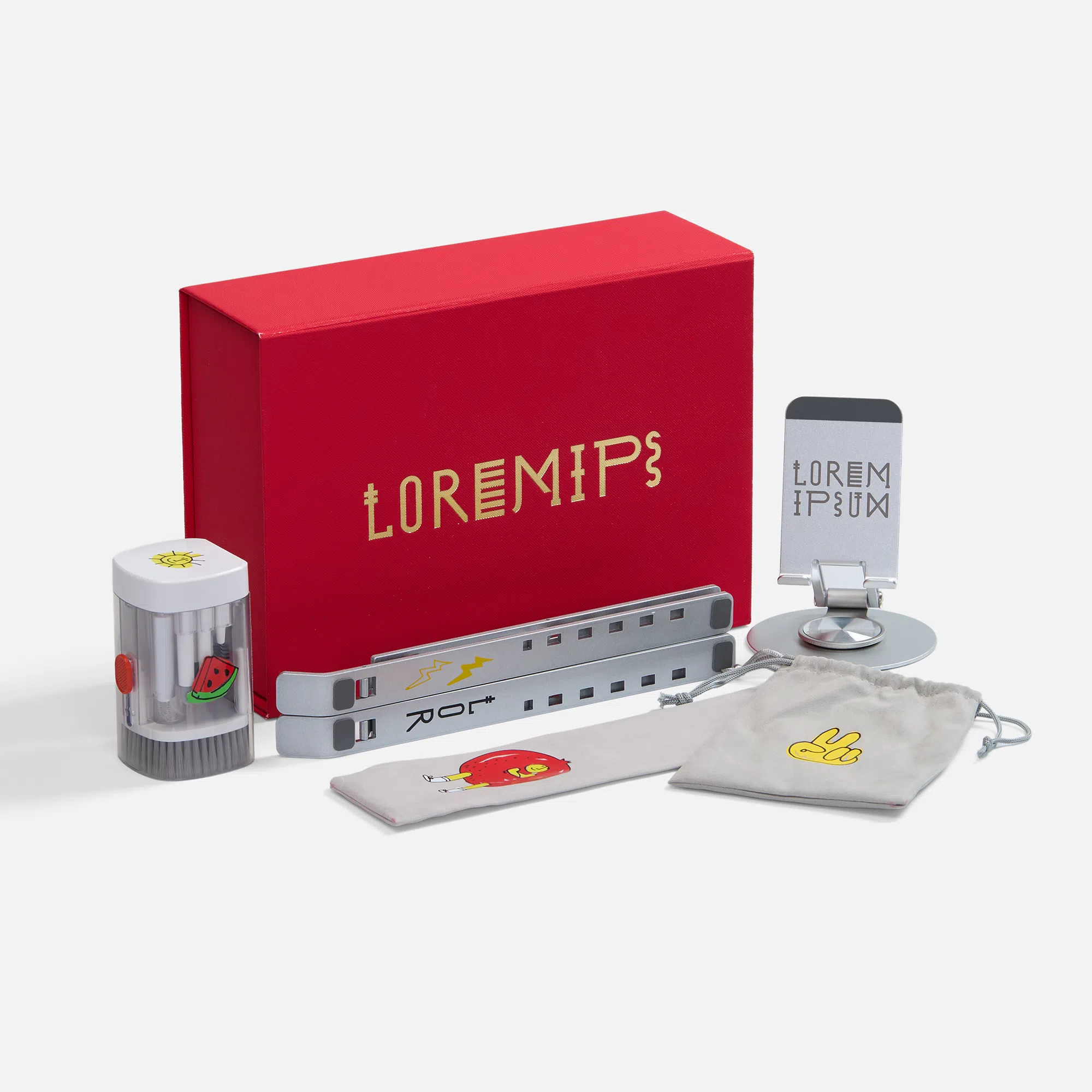
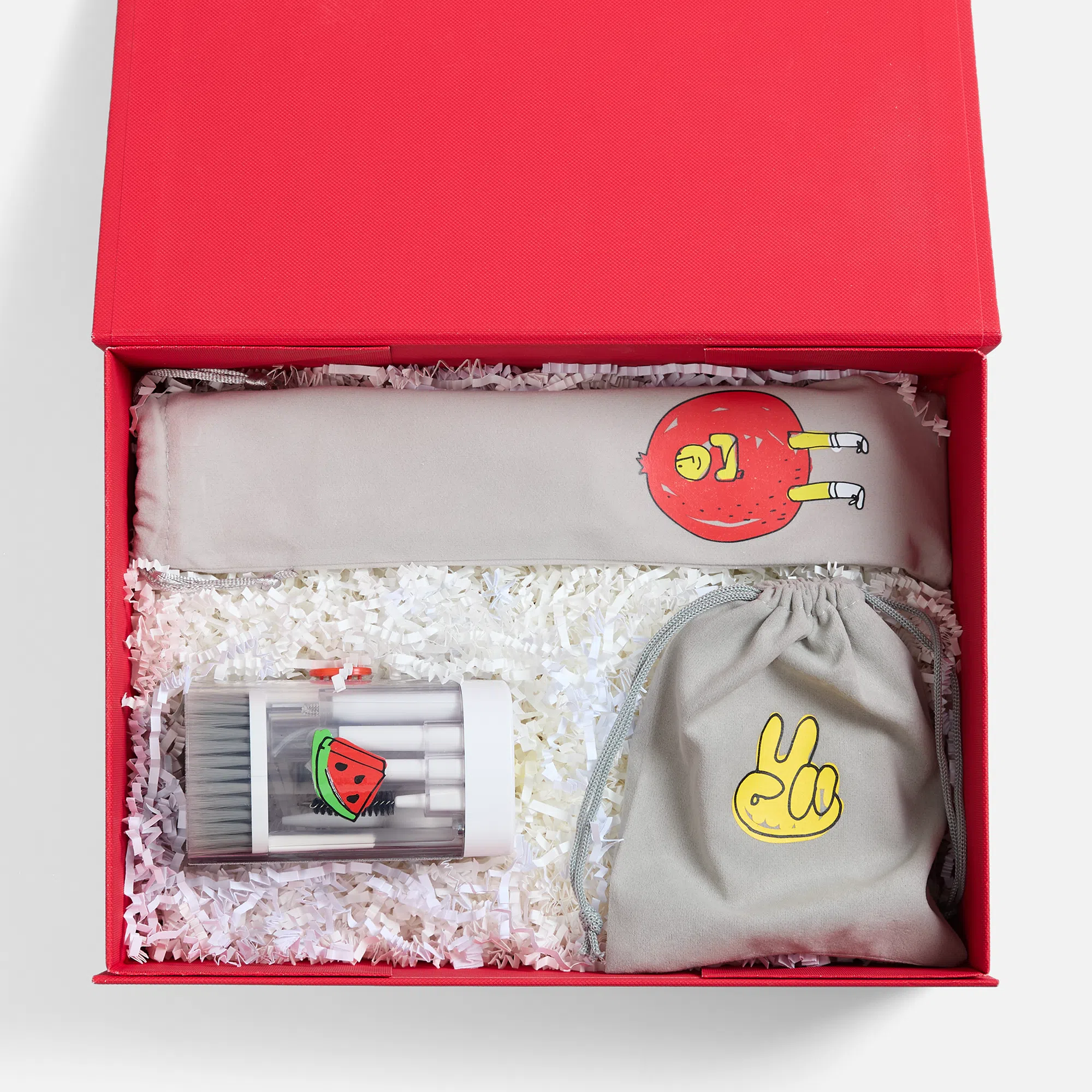
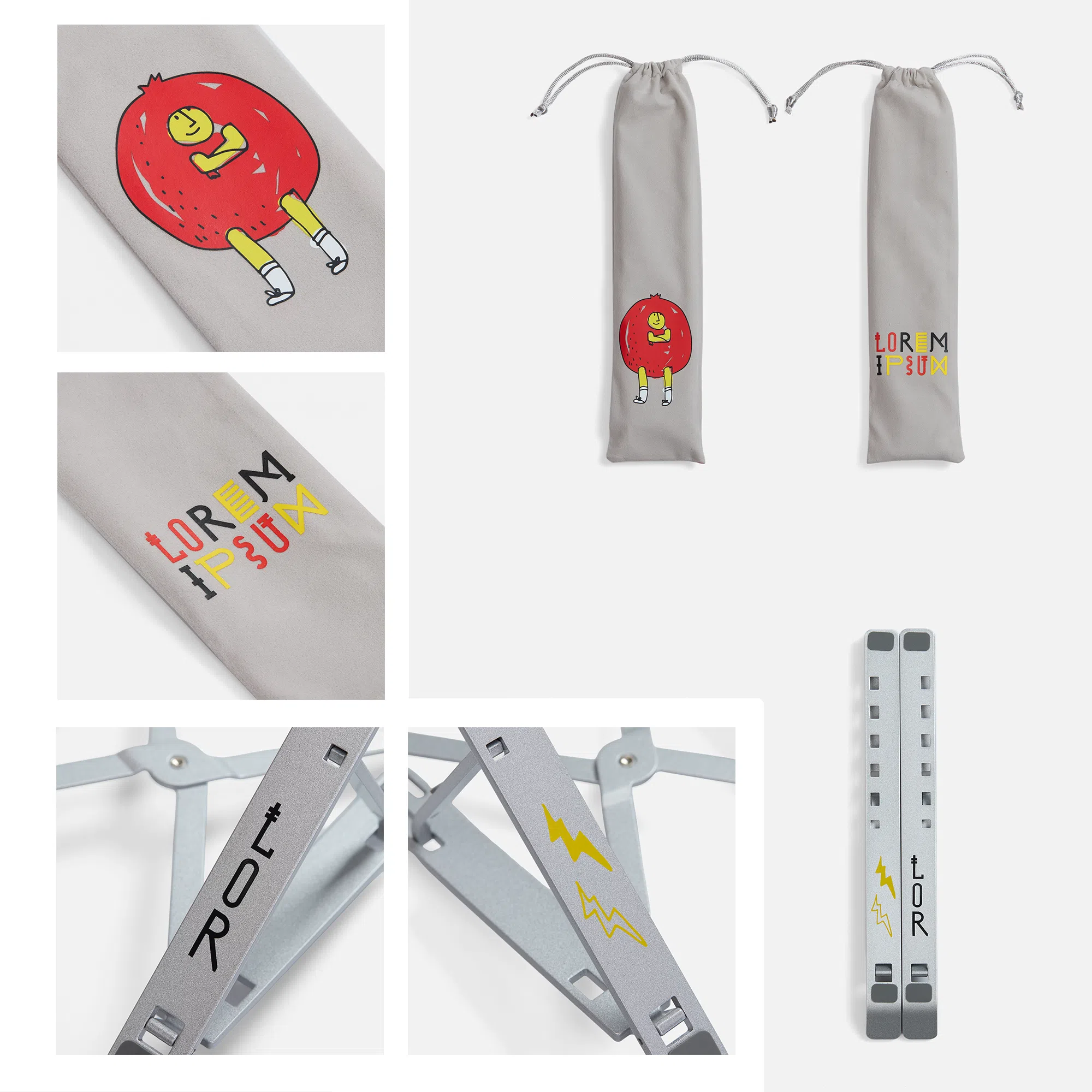
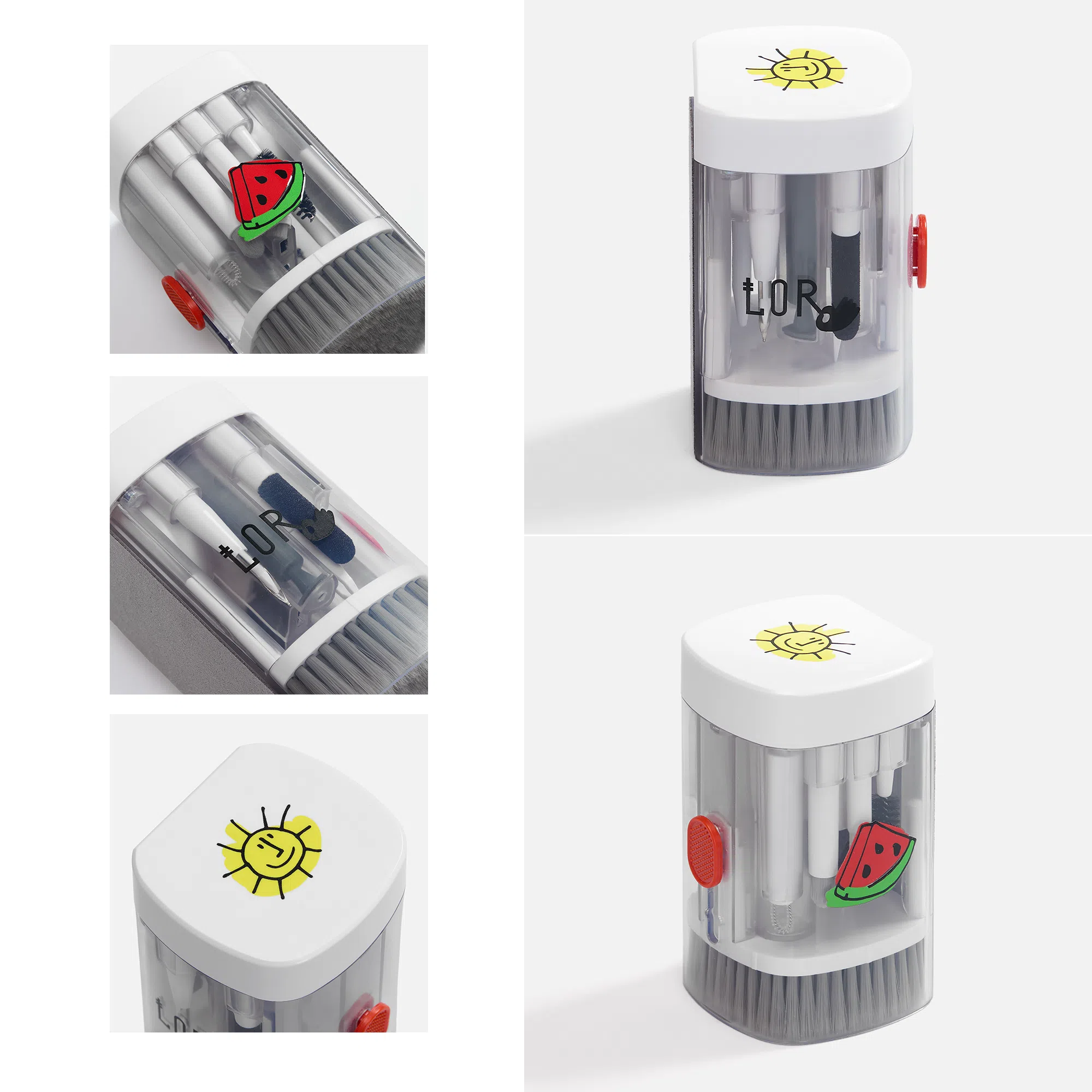
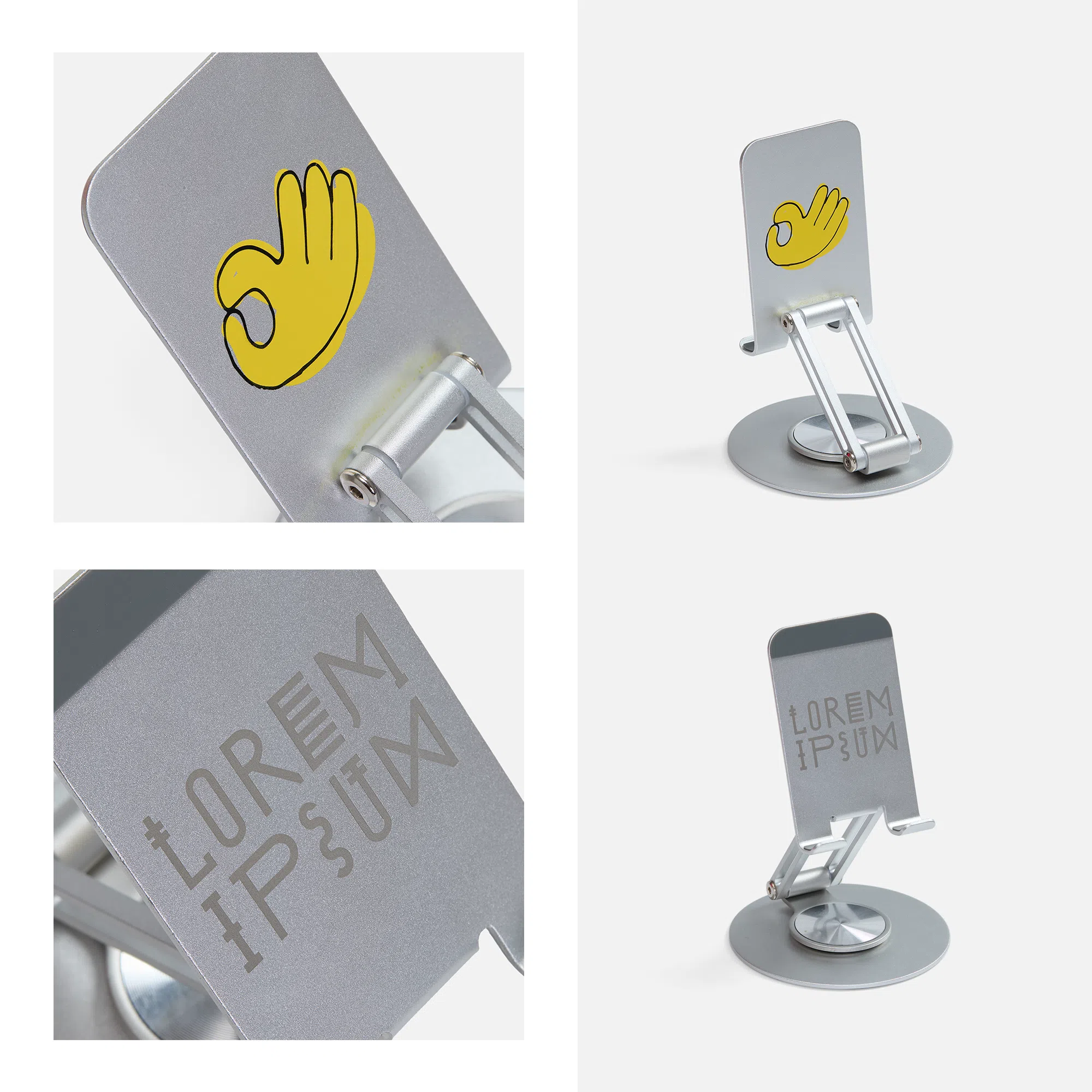
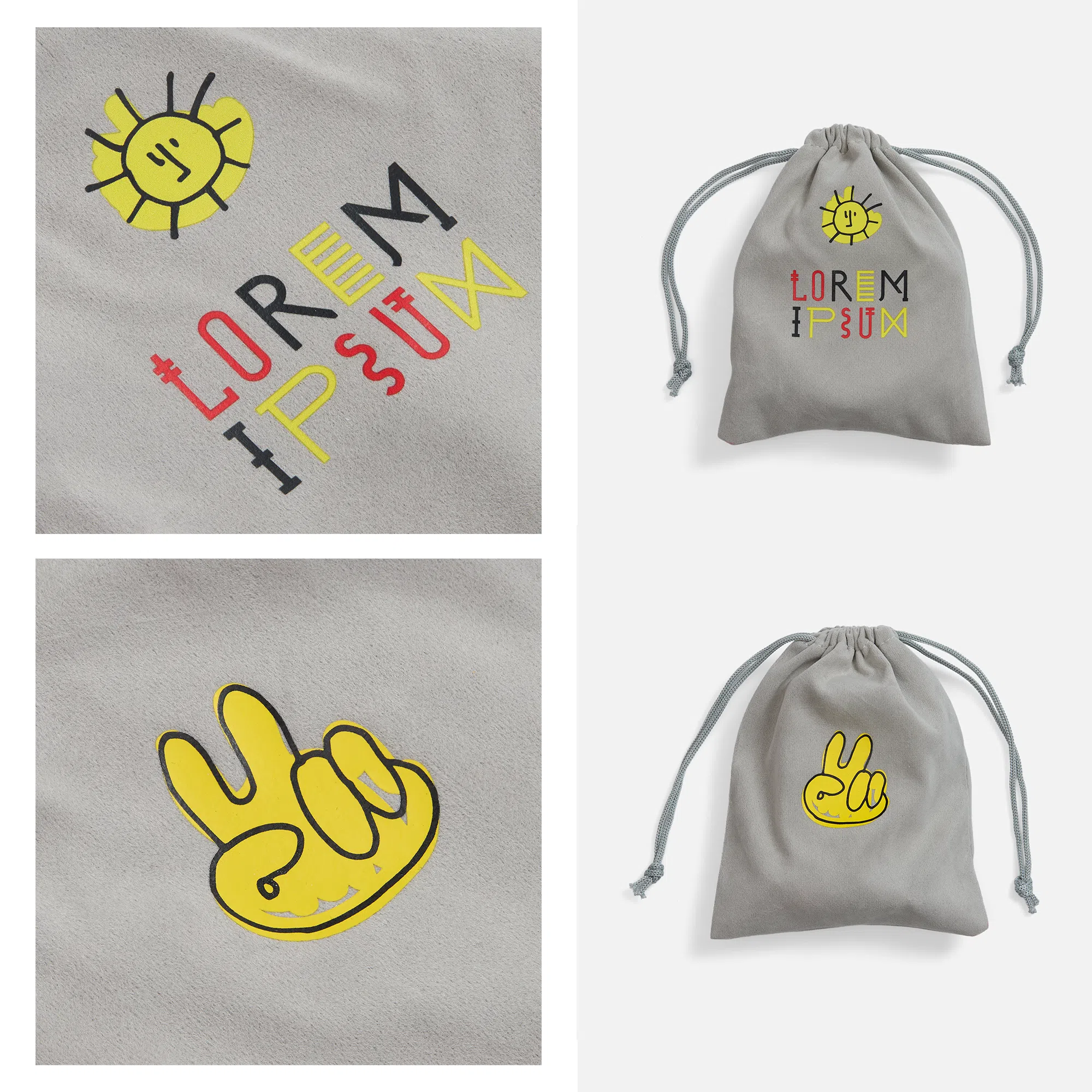
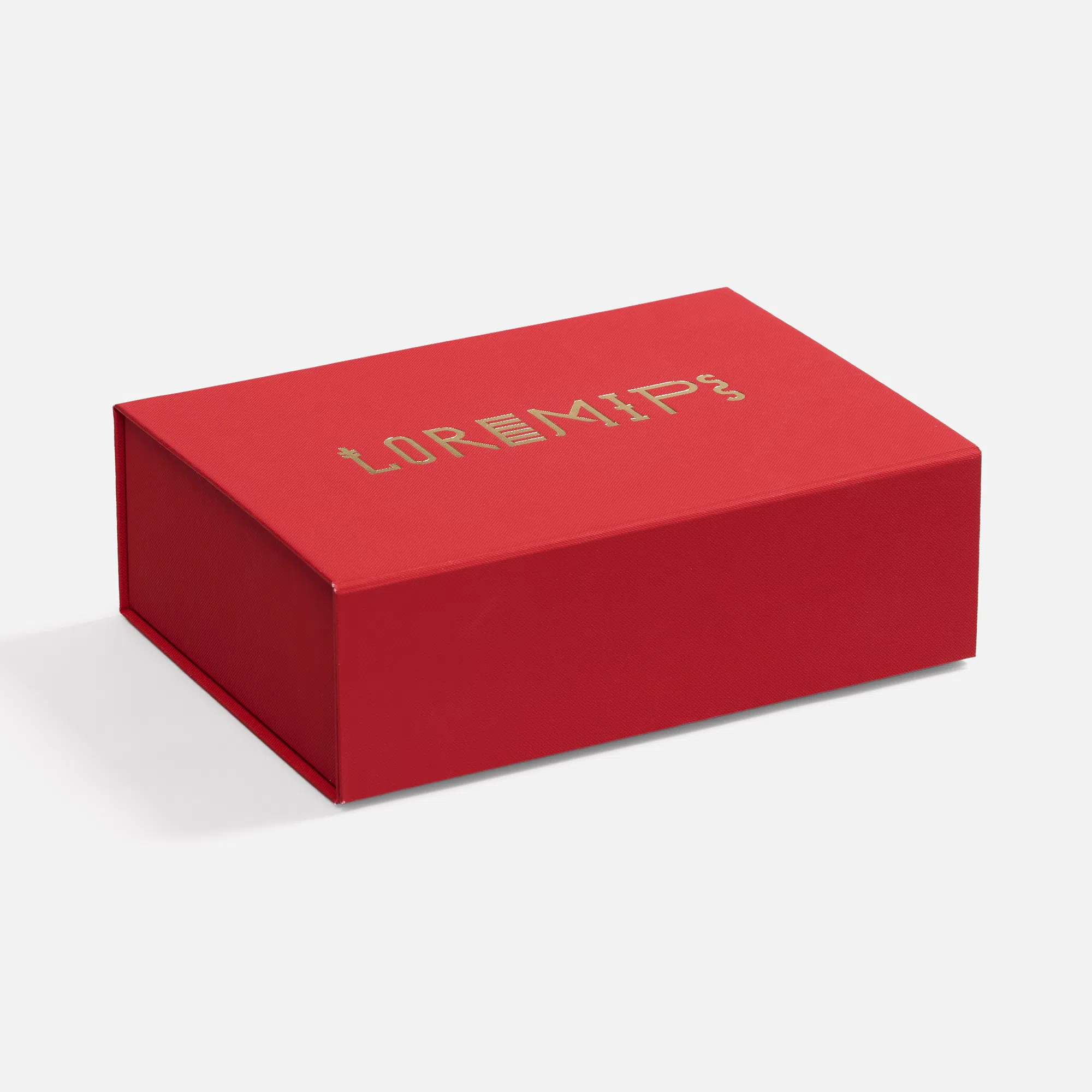
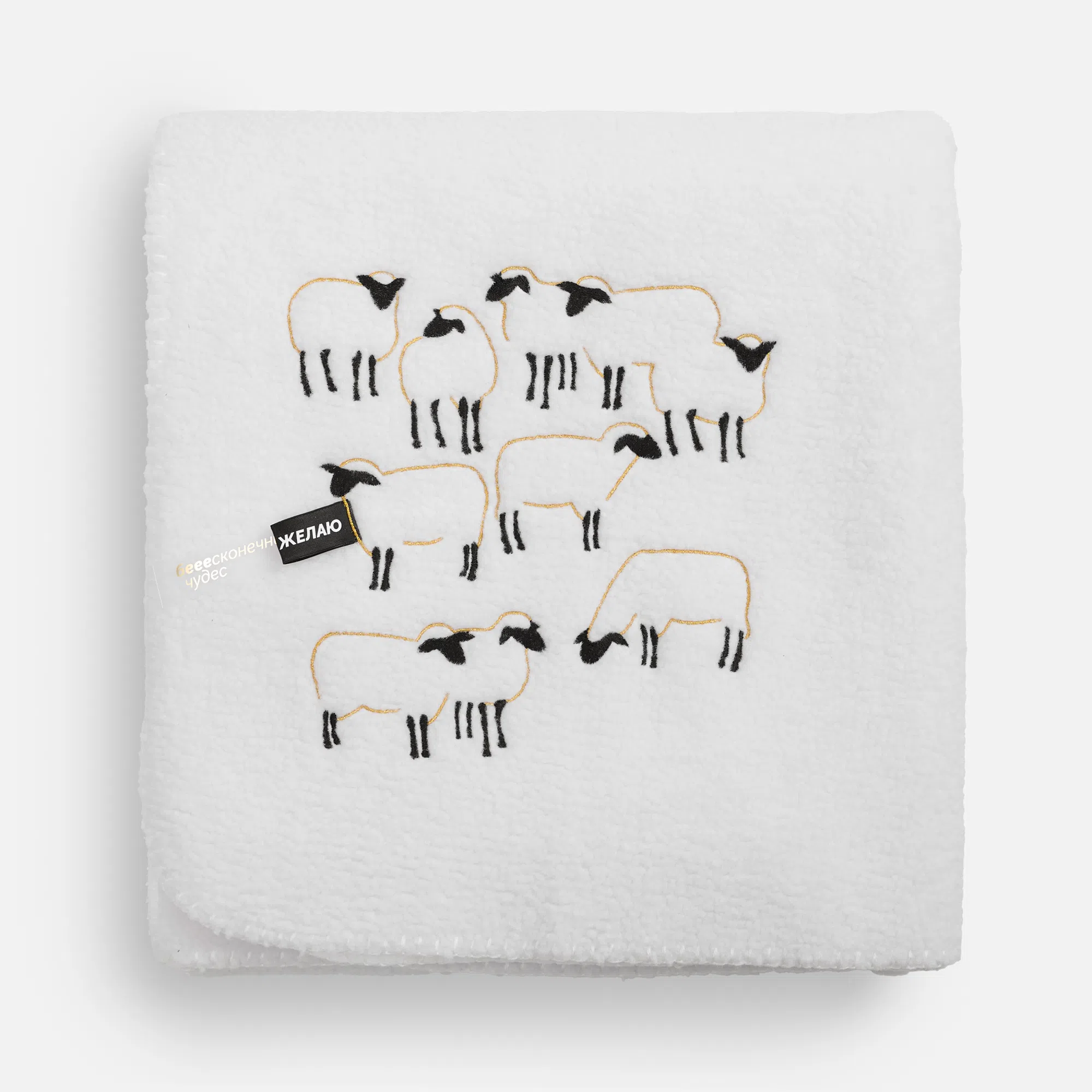
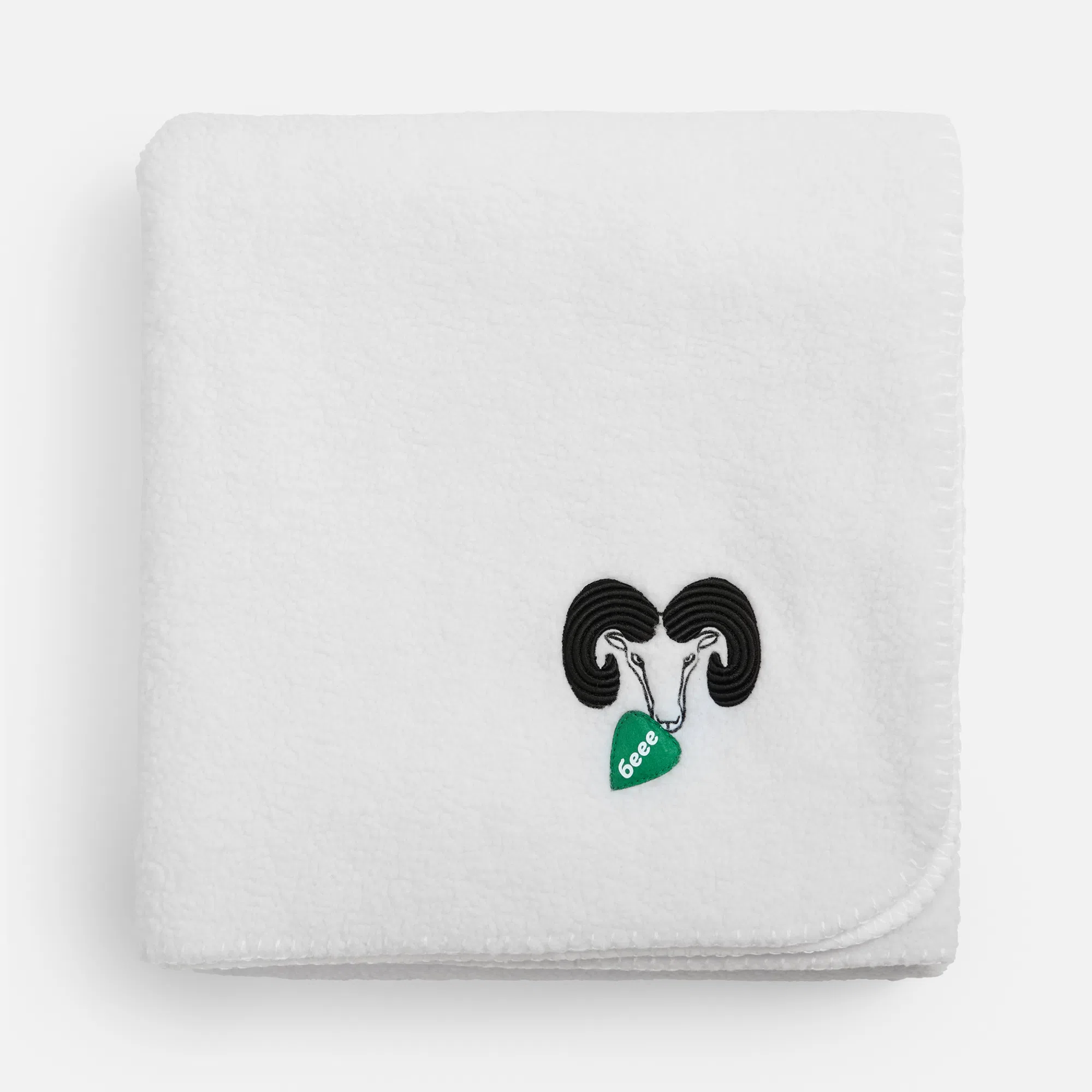
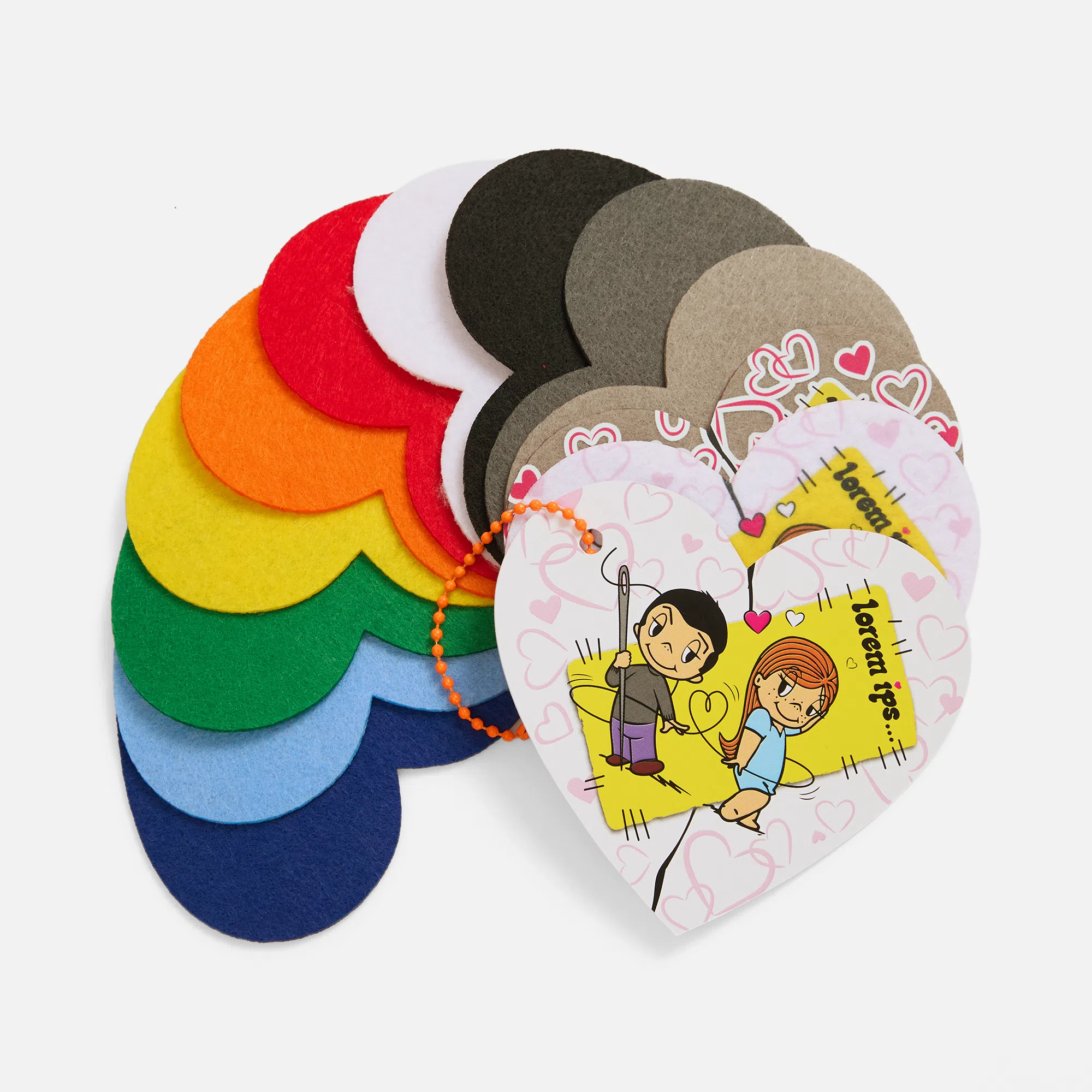
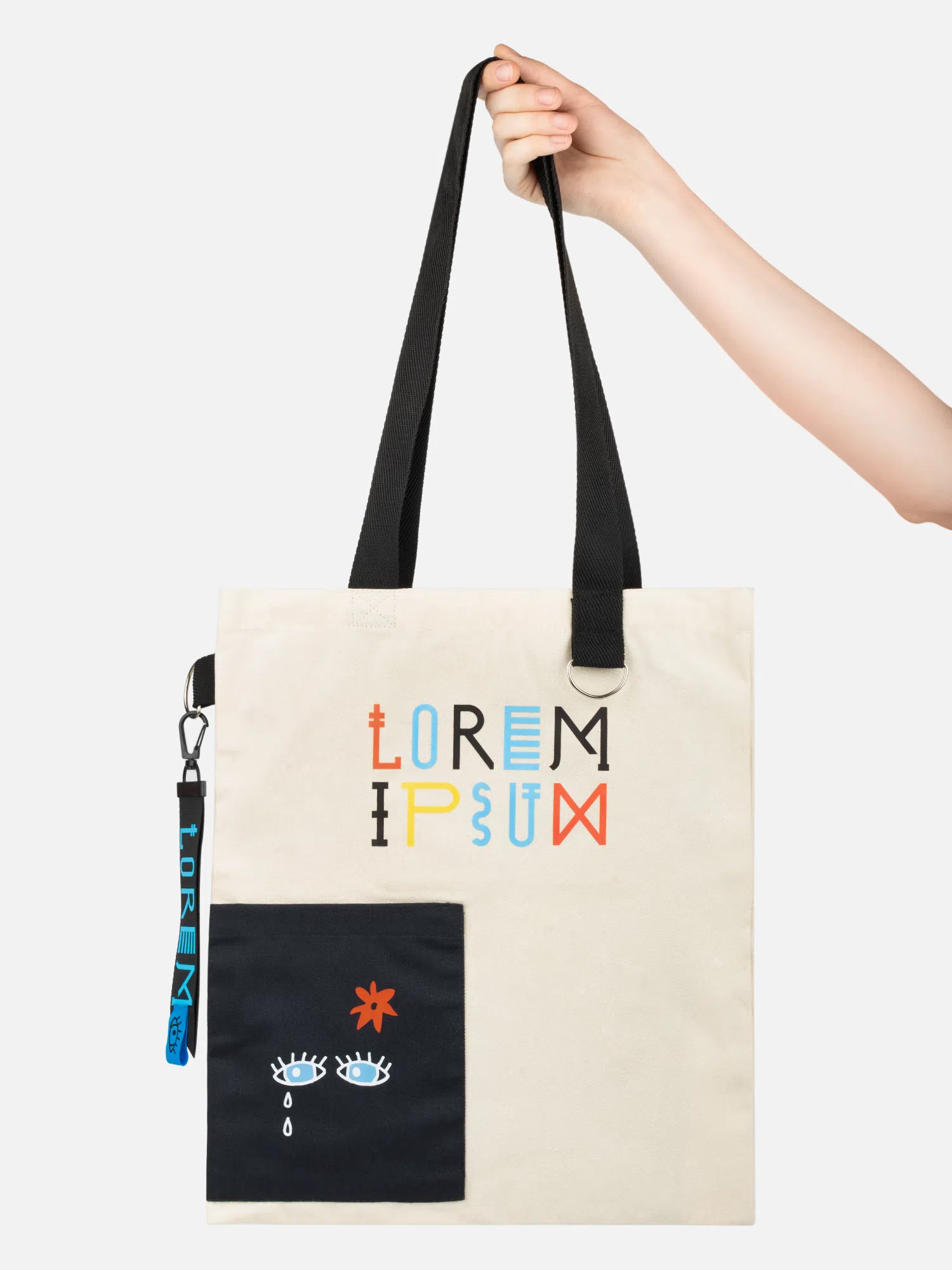
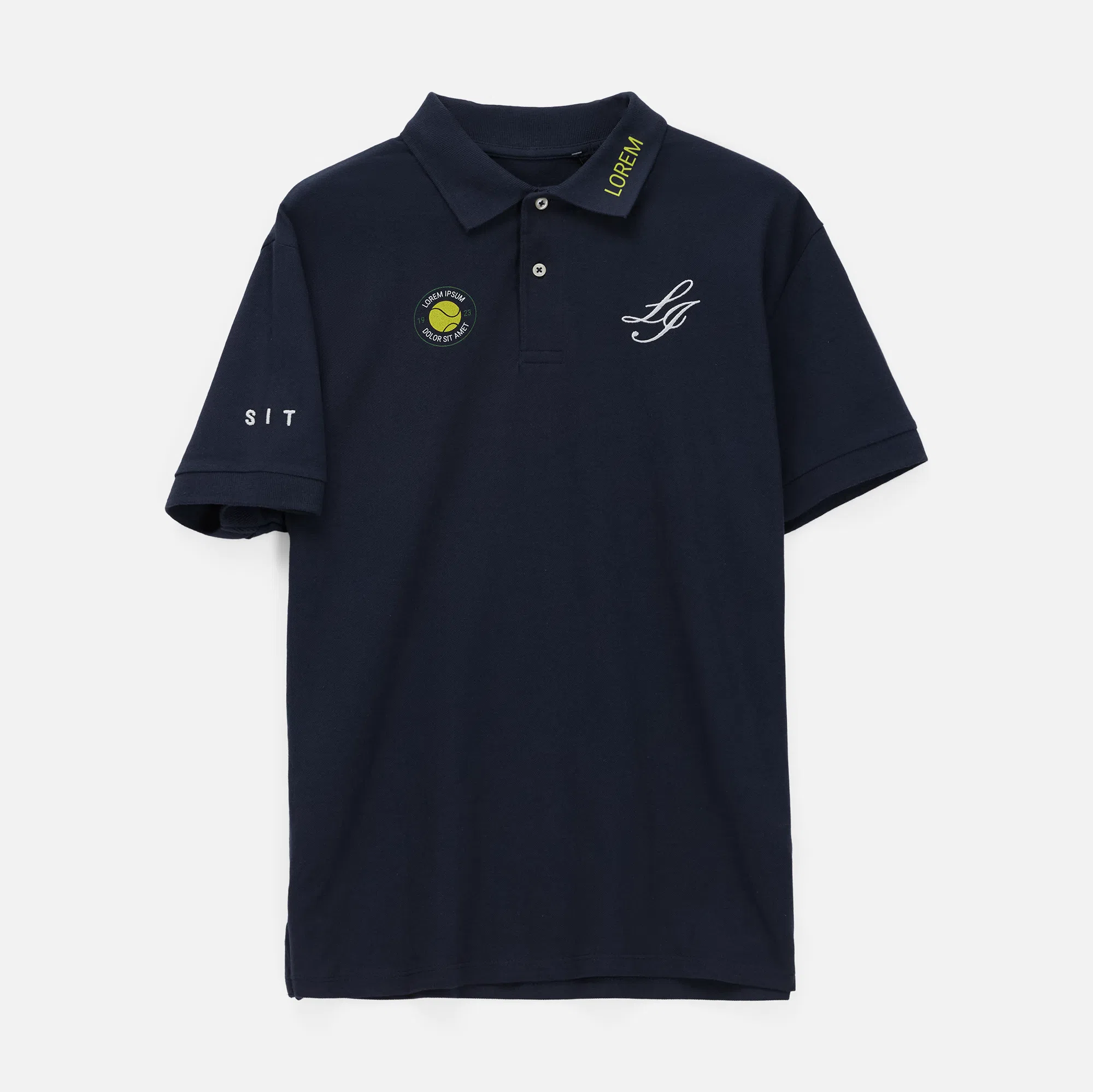
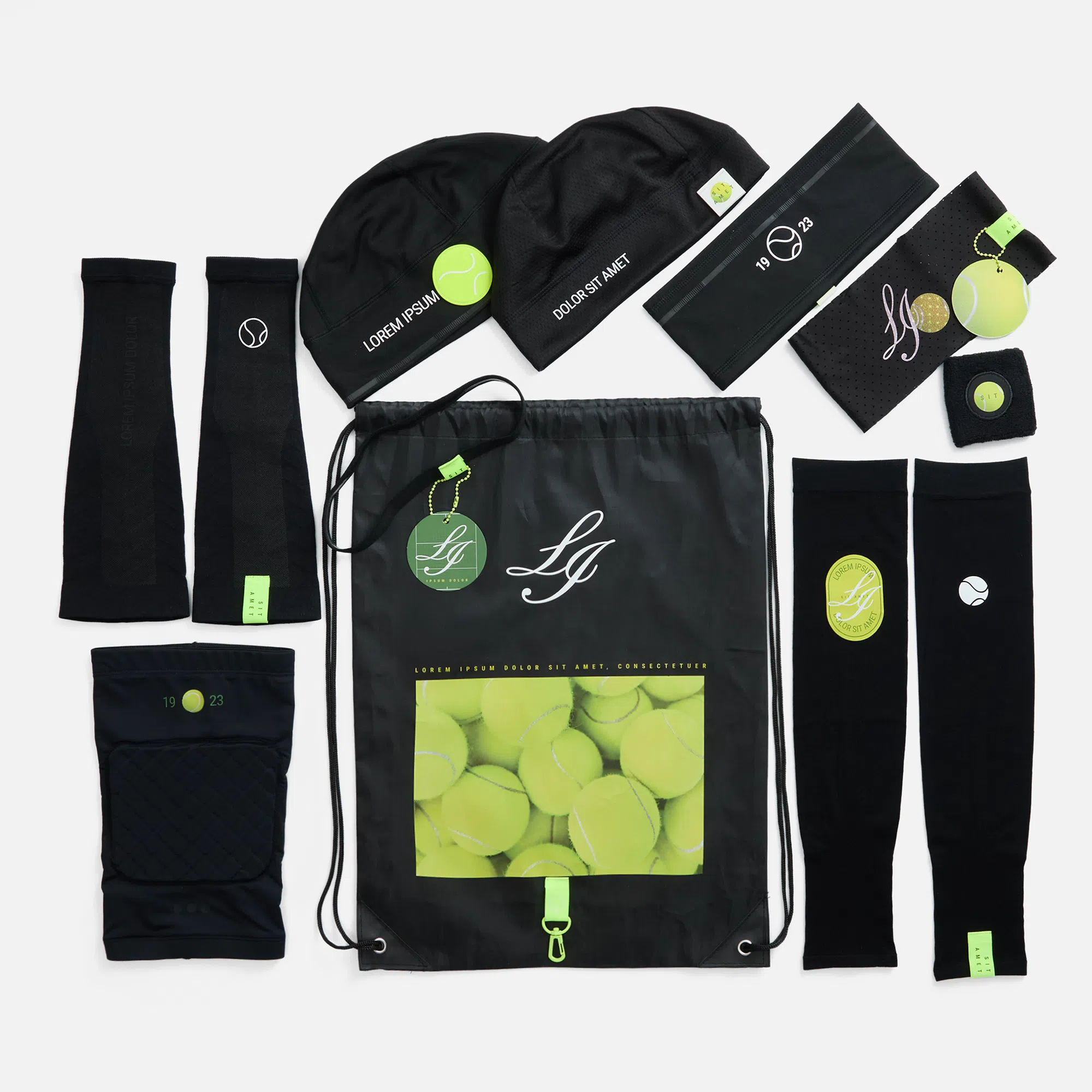
When comparing photos, focus first on the relationship between the product and the graphics. They are reconfigured for the brand, base product, and order quantity according to this rule: check the gift from cultural, legal, and logistical perspectives at the same time.
- Clarify the recipient's corporate policy.
- Remove complex food categories.
- Check transliteration.
- Choose repairable packaging.
If a doubt remains, move it from the presentation to a physical trial. The finished solution should support the task: convey the brand's thoughtfulness without cultural awkwardness or customs surprises.
The process from brief to finished set
Responsibilities are assigned by stage: who selects, who approves, and who accepts the result. The guiding decision for checks is: check the gift from cultural, legal, and logistical perspectives at the same time.
- 1
Define the project goal: convey the brand's thoughtfulness without cultural awkwardness or customs surprises.
- 2
Resolve the brief's questions and record the main risk in your own words: contents, value, and symbolism are perceived differently in different countries.
- 3
Match the product use cases to laser engraving, stamping, and customization methods; eliminate options where function conflicts with branding.
- 4
Prepare artwork and specifications for the solution “check the gift from cultural, legal, and logistical perspectives at the same time,” including the material, packaging, and variable printing data.
- 5
Recreate the real use situation with the sample and check the item “clarify the recipient's corporate policy.”
- 6
At the start of the batch, compare it with the approved reference sample and collect data for the criterion “delivery by the date, no delays, and correct name, language, and form of address.”
Outcome checks and acceptance criteria
Quality control is built around critical properties, rather than the search for a perfect specimen. At acceptance, check the material, placement, completeness, and working function together.
- Check whether the goal has been achieved: convey the brand's thoughtfulness without cultural awkwardness or customs surprises.
- Compare the production run with the approved solution: check the gift from cultural, legal, and logistical perspectives at the same time.
- Recreate the risk separately: contents, value, and symbolism are perceived differently in different countries.
- Record the project metric: delivery by the date, no delays, and correct name, language, and form of address.
- Keep photos, artwork, product codes, branding coordinates, and notes for a repeat order.
A brief post-project review turns experience into savings on the next launch. Record separately which solutions to repeat, where manual work was needed, and what spare quantities were required for the goal “convey the brand's thoughtfulness without cultural awkwardness or customs surprises.”
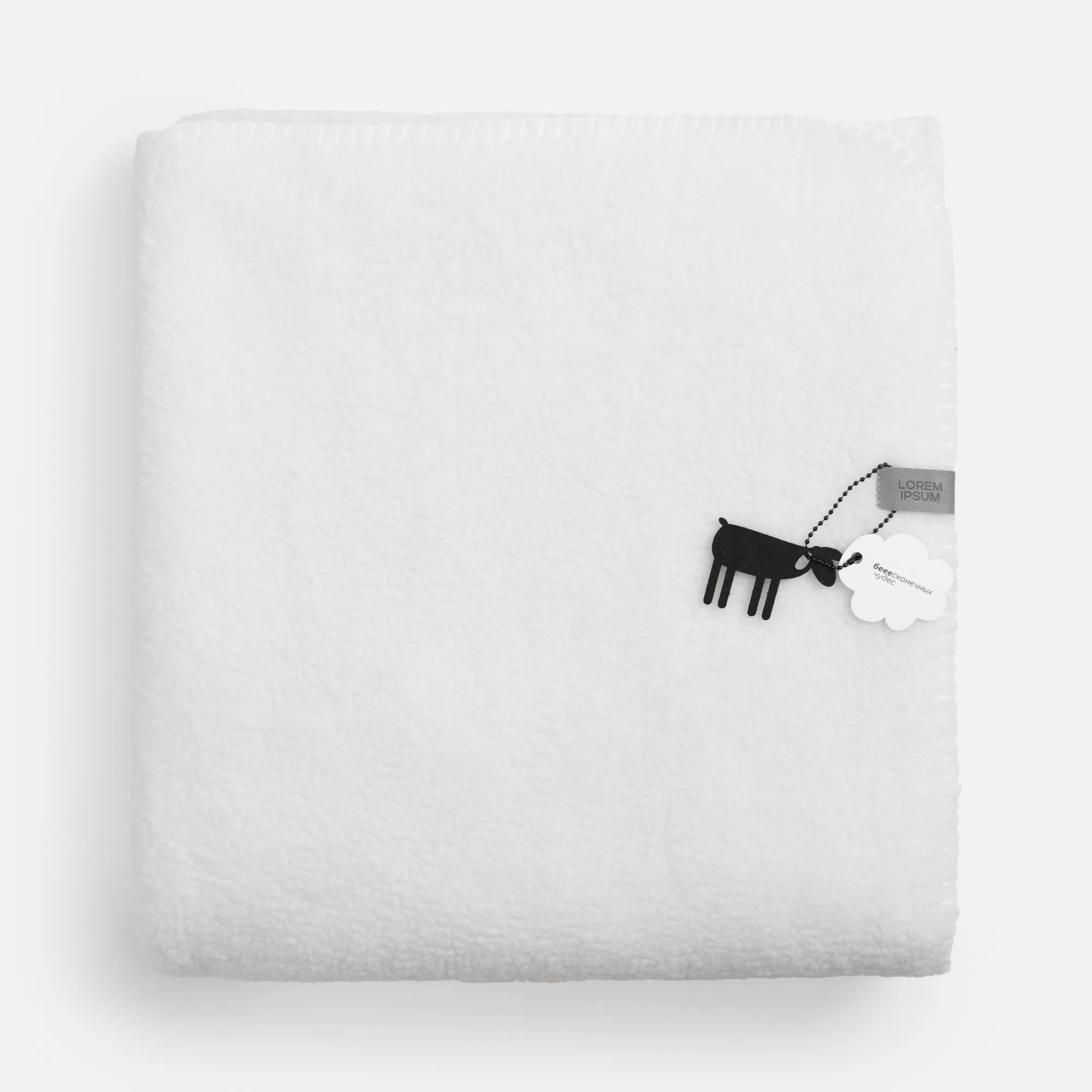
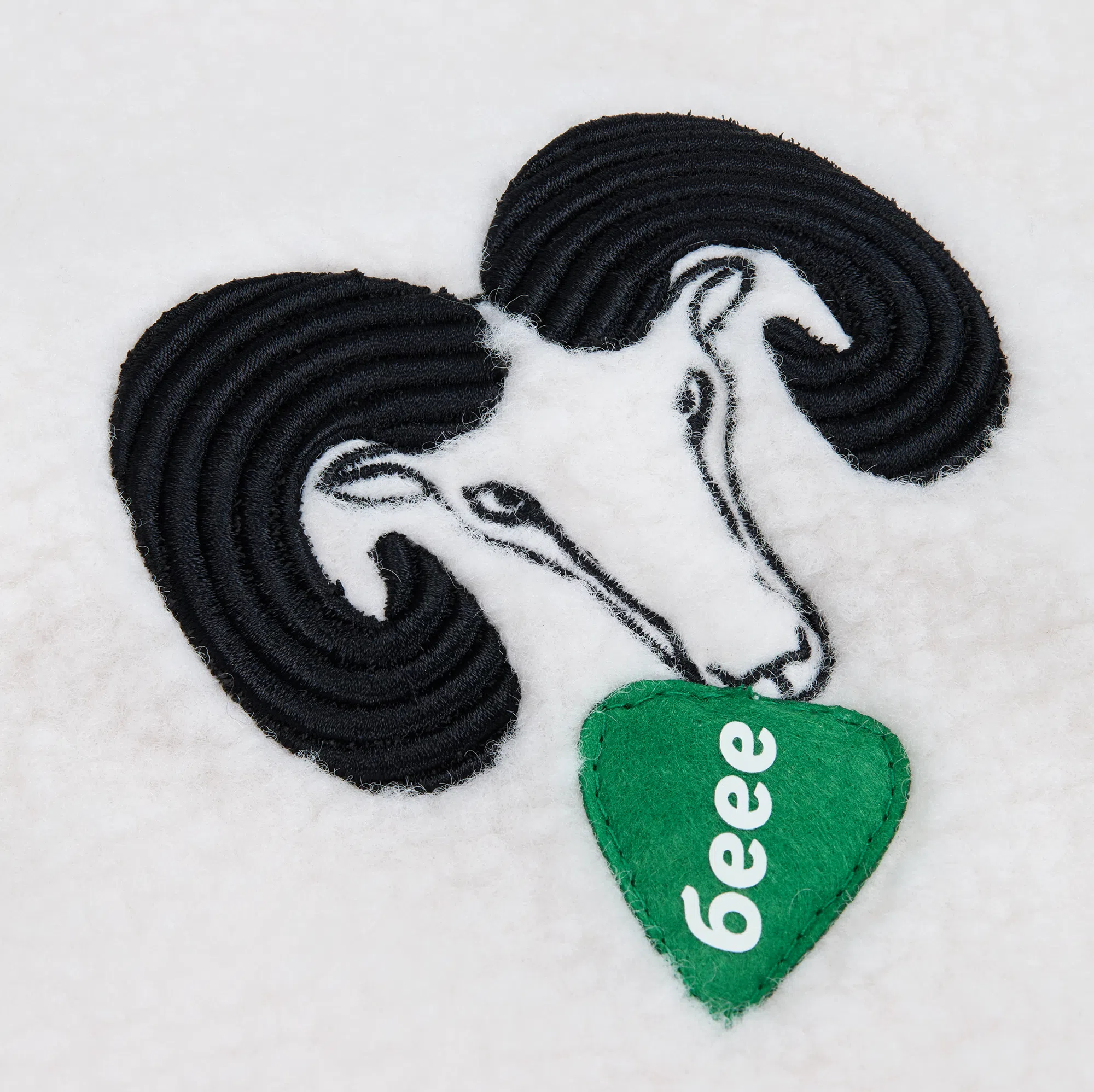
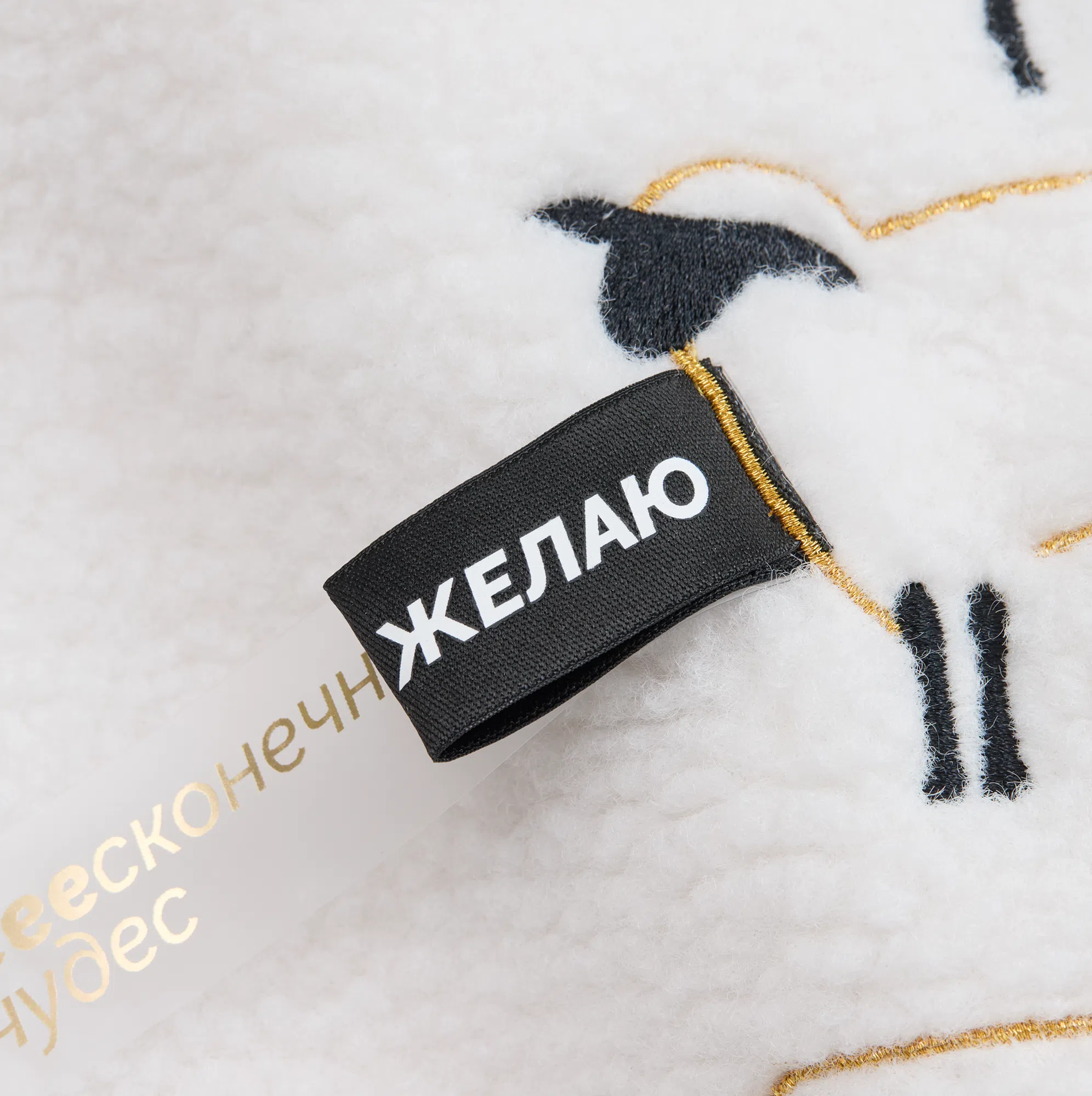
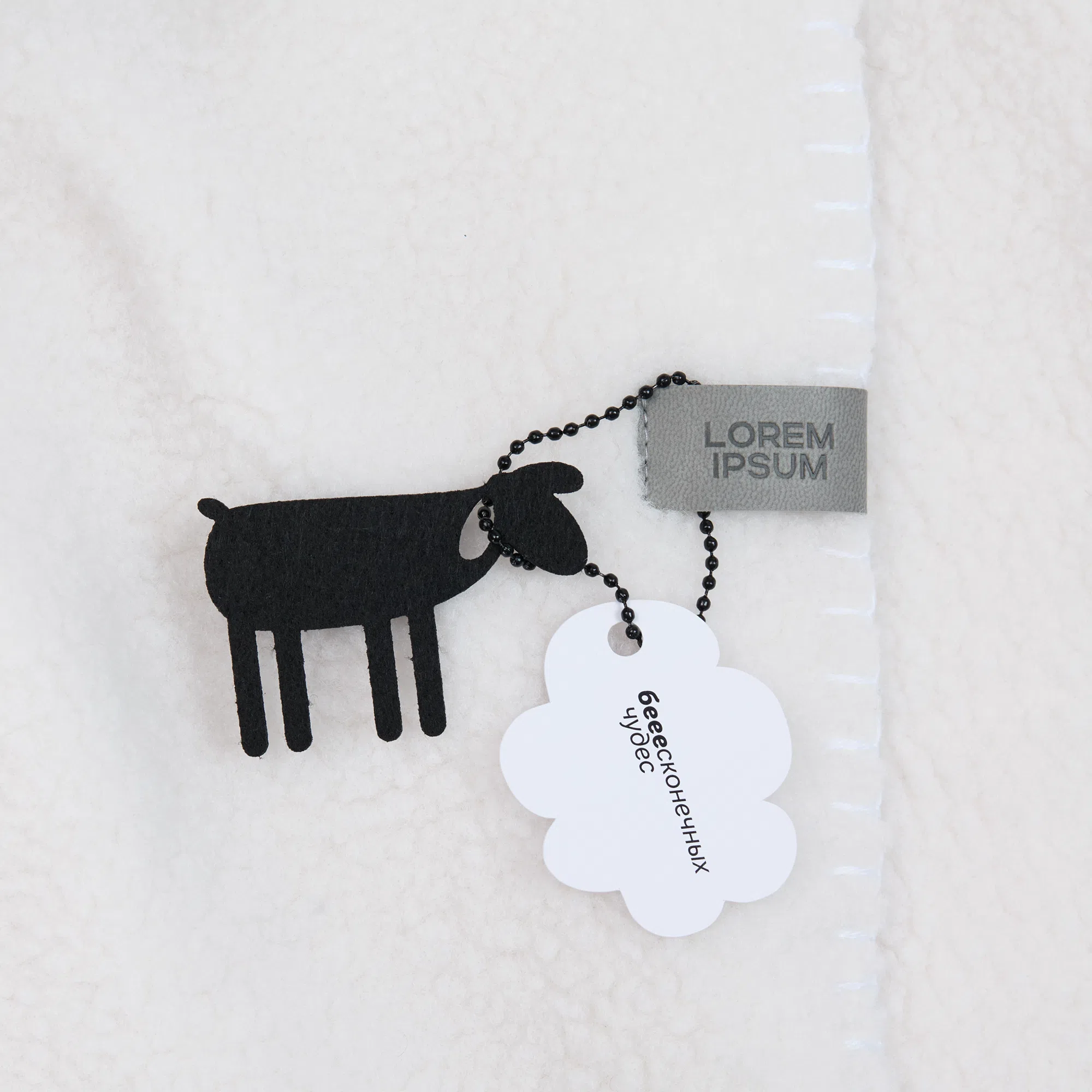
Items to start your selection with
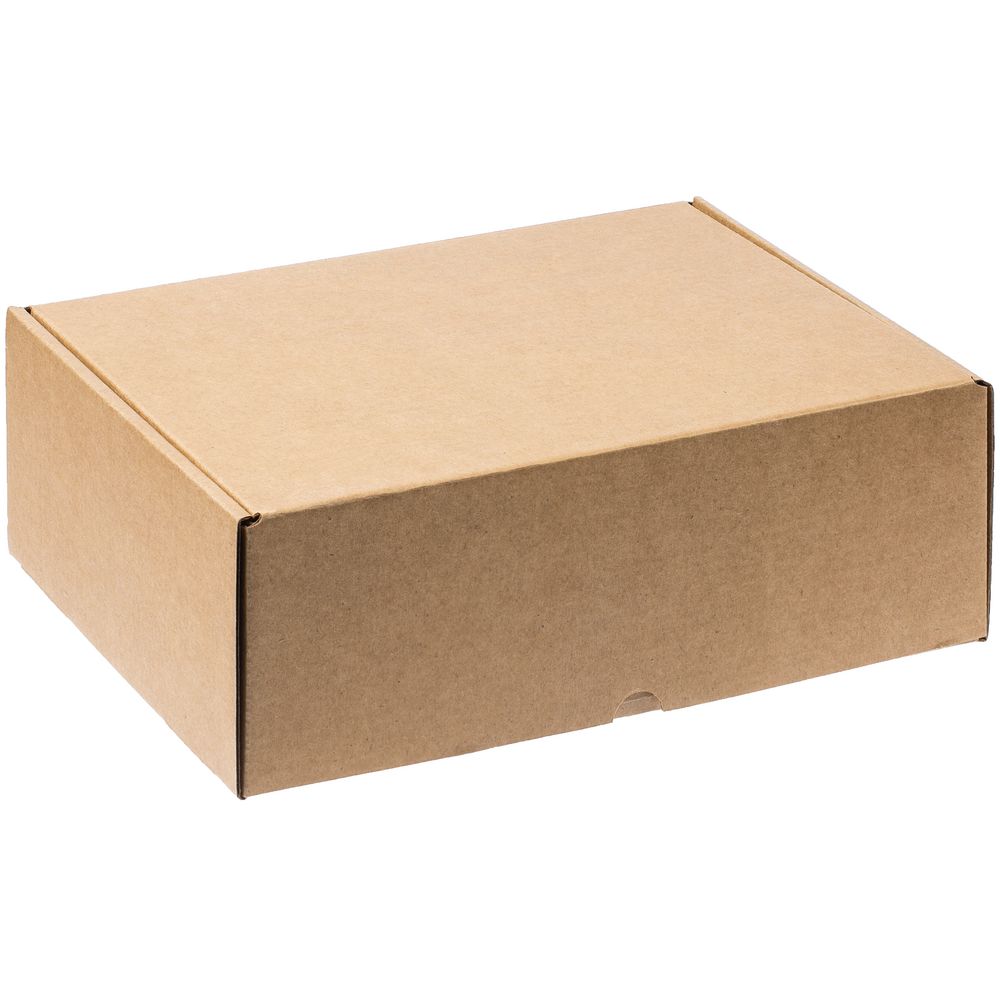
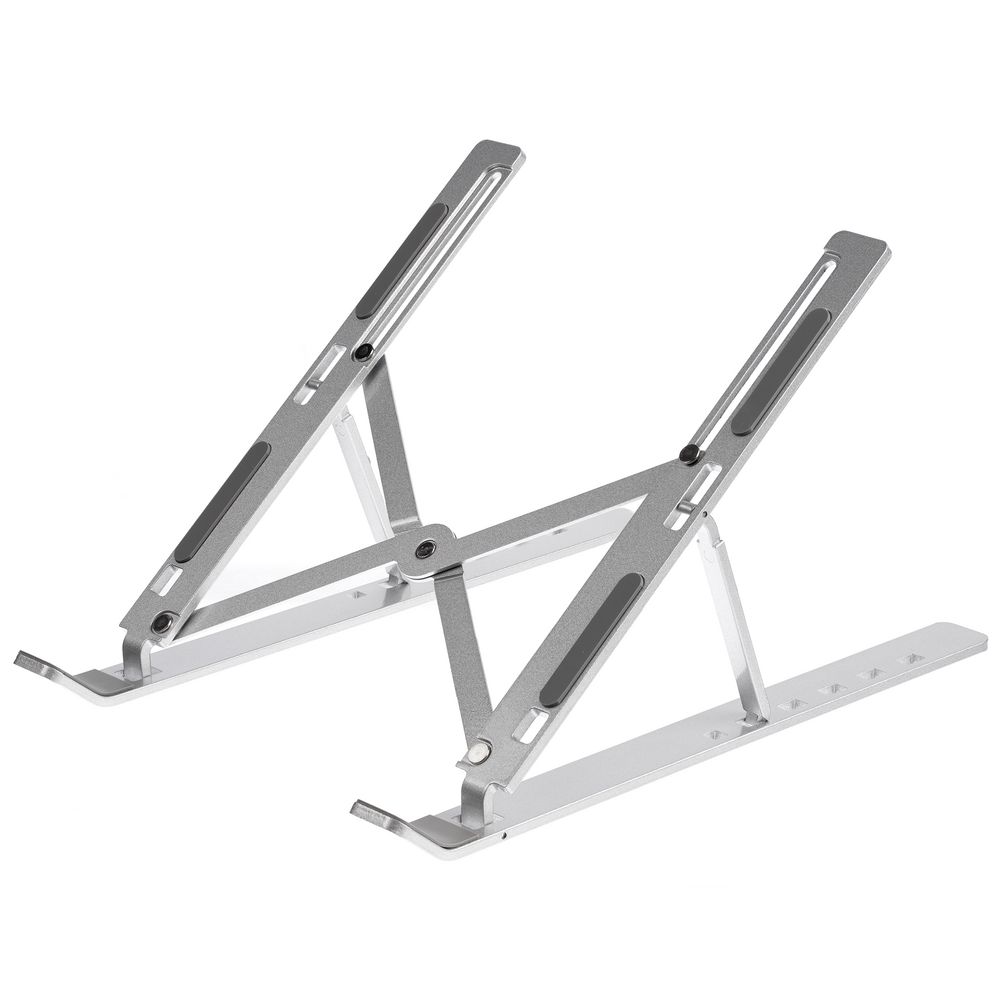
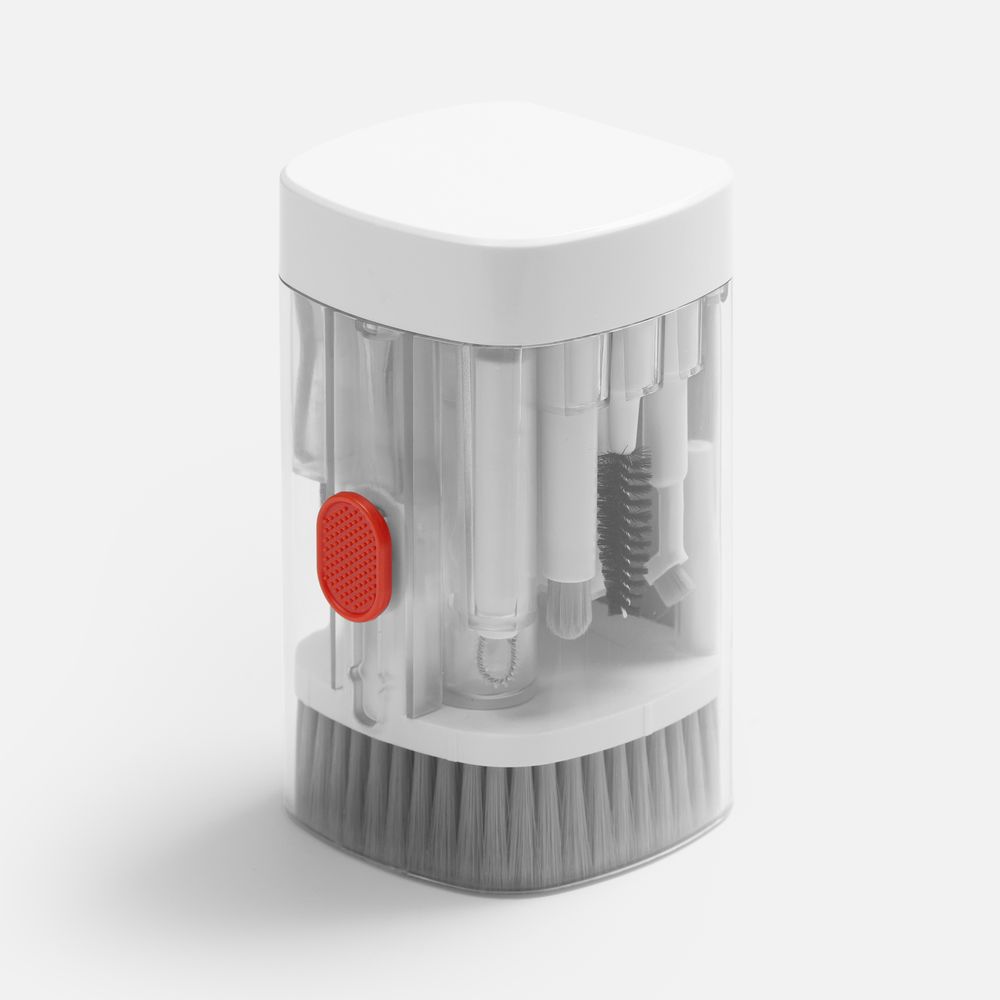
The cards link to the current catalog. Availability, color, and branding compatibility are checked for the selected option and order quantity.


Frequently asked questions
Where should this type of project begin?
Define the outcome: convey the brand's thoughtfulness without cultural awkwardness or customs surprises— and only then move on to products, technology, and budget.
Is a physical sample needed?
Yes, if the result is affected by the material, color, fit, construction, or manual assembly. The sample should specifically test the risk: contents, value, and symbolism are perceived differently in different countries.
How do you compare two proposals?
Compare the same specifications: material, model, branding method, packaging, spare quantities, and inspection. The main metric here is delivery by the date, no delays, and correct name, language, and form of address.
What must be kept after the production run?
Final artwork, photos of the approved reference sample, product codes and colors, branding coordinates, personalization parameters, inspection notes, and remaining packaging.
Related reading
Discuss your project
We will develop a solution for your task, deadline, and order quantity
Send the project details, logo, and date. We will suggest products, explain the limitations, and establish the sample criteria.
Get a selection of ideas