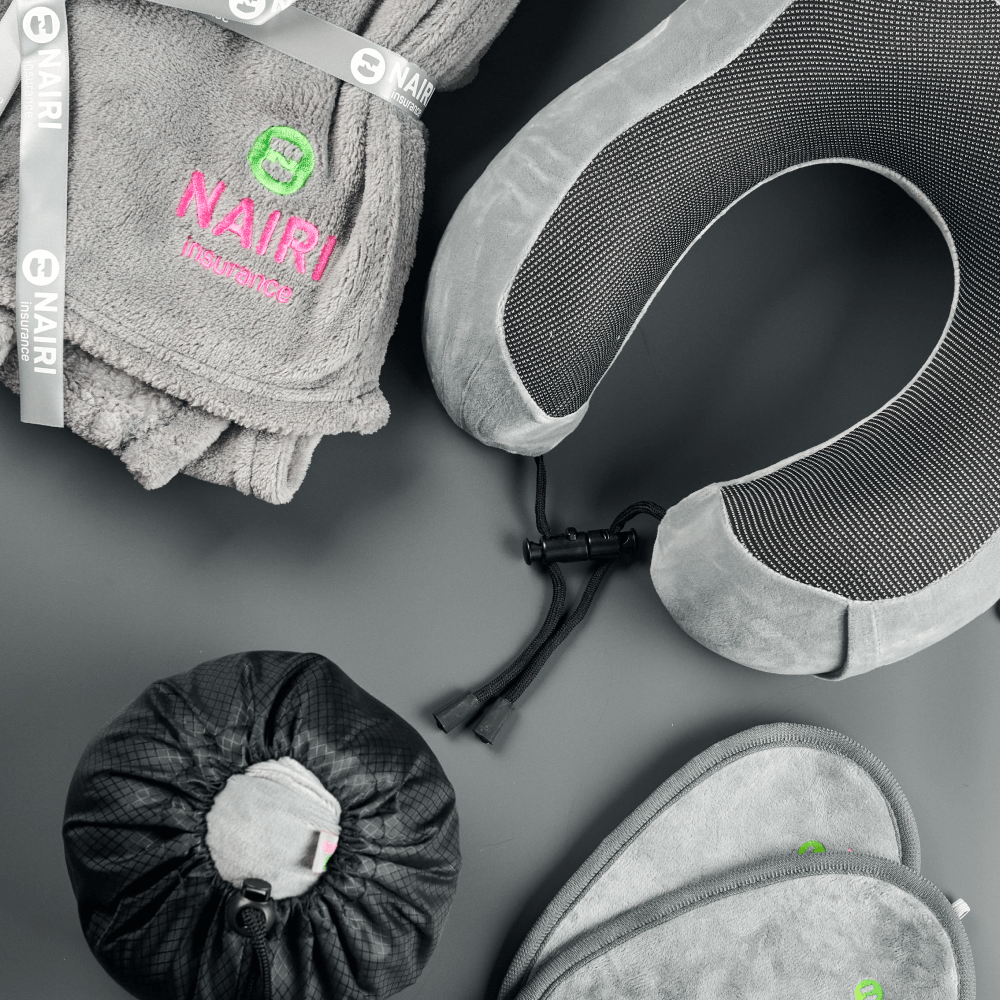
The same design looks different in digital printing, screen printing, and stamping. The choice of technology depends on more than the budget. The box material, quantity, number of colors, image area, paper texture, deadline, and need for personalization all matter.
First define the task: a full-color illustration, exact corporate color, tactile logo, small run, or high-volume series.
Comparison of methods
| Technique | Strength | Limitation | When to use |
|---|---|---|---|
| Digital printing | Small runs, full color, personalization | Cost at high volume | Packaging sleeves, cards, small boxes |
| Offset printing | Consistent color and cost-effective large runs | Setup and minimum volume | Paper wrapping, high-volume packaging |
| Screen printing | Dense color on a dark surface | Limitations on colors and fine details | Ready-made boxes and bags |
| Foil stamping | Metallic or colored accent | Die and detail limitations | Logo, lettering, premium |
| Blind stamping | Tactile effect without color | The result depends on the paper | Subtle branding |
| Embossing | Relief and volume | Requires a die and counter-die | Monogram, mark, series |
| Spot UV varnish | Contrast between matte and gloss | Requires precise registration | Pattern, details, hidden graphics |
| Sticker or plate | Quick application | May look like a separate element | Urgent and small runs |
Digital printing
Suitable for packaging bands, cards, sleeves, labels, and small print runs. Allows text and personal data to be changed. Full-color graphics can include photographs, illustrations, and gradients.
Before printing, check how the material reproduces color. Uncoated or textured paper softens the image, while a dark substrate may require a white underbase.
Offset printing
Offset printing is used for large runs with fixed artwork. It works well for the sheet that is later used to wrap bookbinding board. After printing, lamination, stamping, or spot varnish can be added.
The cost advantages of offset printing emerge at volume. For a small batch, setup can be disproportionately expensive.
Screen printing
Screen printing deposits a dense layer of ink and works well on ready-made boxes, paper bags, and designer paper. It is suitable for one or several colors, a large logo, and a simple pattern.
It is best to avoid fine lines and complex gradients. Results on folds and textured surfaces need testing.
Paper bag Vid M supports screen printing and stamping, so it can serve as an example of a ready-made base for branding.
Foil stamping
Foil adds a metallic or colored accent. It works well on matte paper and with a small logo. An excessively large area can look heavy and require complex pressure control.
Consider:
- minimum line thickness;
- spacing between elements;
- paper texture;
- position relative to the fold;
- grain direction;
- die quality;
- permitted registration variation.
Blind stamping and embossing
Blind stamping creates a recess without color. Embossing raises an element above the surface. Both methods work through light and shadow, making them suitable for understated premium packaging.
On thin paper, relief may damage the surface; on a coarse texture, fine detail will be lost.
Spot UV varnish
UV varnish highlights individual details with gloss. It can be used over matte lamination to create a hidden pattern or highlight the series name.
Varnish requires precise registration. Very fine lines may shift relative to the print.
Sticker, plate, and packaging sleeve
For an urgent or small run, a ready-made box can be decorated with a separate element. A sticker suits full-color artwork, a plate creates a tangible accent, and a sleeve provides a large area.
These solutions are useful when:
- the box has already been produced;
- several segments are needed;
- personal data changes;
- the quantity is too small for complex printing;
- the seasonal design must be removable.
How to combine technologies
Good packaging rarely needs every effect at once. Effective combinations:
- offset + matte lamination + spot varnish;
- designer paper + stamping;
- ready-made box + one-color screen printing;
- kraft paper + white screen printing;
- digitally printed sleeve + blind stamping on the box;
- sticker + personalized card.
The key is to define one main effect.
Color proof and preproduction sample
A screen does not show texture, foil shine, or relief depth. Before the production run, it is useful to make:
- a digital color proof;
- a test on the chosen paper;
- a stamping or screen printing sample;
- an assembled box sample;
- a check under different lighting.
A corporate Pantone color looks different on screen, in CMYK, and on dark paper.
FAQ
What should you choose for a small run?
Digital printing, a sleeve, sticker, plate, or simple screen printing on a ready-made box.
Which technology looks premium?
A premium feel comes from the combination of material, precision, and restraint. Stamping works well, but does not replace a quality box.
Can full-color artwork be printed directly onto a rigid box?
Depends on the construction and equipment. Full-color printing is often applied to the sheet used to wrap the cardboard.
How can a brand color be reproduced?
A chosen color system, a test on the material, and an approved sample are needed.
Can stamping be applied on a fold?
Best avoided. A fold changes the pressure and may damage the foil.
Which lasts longer: printing or a sticker?
Depends on the material, adhesive, coating, and conditions of use.
Is lamination needed?
It protects the print and changes the tactile feel. It may be undesirable for designer paper or an eco concept.
| Impulse Media selects technology to suit the material, quantity, and design, prepares tests, and oversees packaging production. |
|---|