Task and context: what should change
It makes sense to begin work on the topic by defining the result: turn the product's core idea into a sequential unboxing experience. This article will be useful to the PR team, brand manager, and launch producer. This keeps the discussion concrete even with a wide choice. An event has a limited time window: the item must arrive on time, reach the right person, and support the activity on site.
Before the first mockup is created, acknowledge the main challenge: a box of unrelated items does not explain the news and creates unnecessary visual noise. The product's role, its use environment, and the signs of a successful outcome are recorded as one decision: “structure the contents around a narrative: promise, proof, action, and material for publication.” Design, set assembly, carton labeling, and the distribution plan are therefore treated as one production system.
Questions that resolve uncertainty
Four precise answers save more time than ten arbitrary references. The outcome is the ability to make the decision “structure the contents around a narrative: promise, proof, action, and material for publication.” After this preparation, the estimate reflects the project's actual configuration.
- What will the journalist see first?define one key launch message.
- Which item proves the point?assign a role to each item.
- What is convenient to shoot vertically?prepare a short fact card.
- How can complicated disposal be avoided?test unboxing without explanations.
Working decision matrix
| Goal | turn the product's core idea into a sequential unboxing experience |
|---|---|
| Audience | to the PR team, brand manager, and launch producer |
| Solution | structure the contents around a narrative: promise, proof, action, and material for publication |
| Techniques | Customization, digital printing, UV printing |
| Main risk | a box of unrelated items does not explain the news and creates unnecessary visual noise |
| Metric | the share of target publications, accuracy of the key message, and condition after delivery |
Parameters are considered together because a compromise in one row changes the entire project. In this project, the priority metric is “the share of target publications, accuracy of the key message, and condition after delivery.” It helps distinguish an acceptable compromise from a hidden downgrade.
Use cases, products, and visual logic
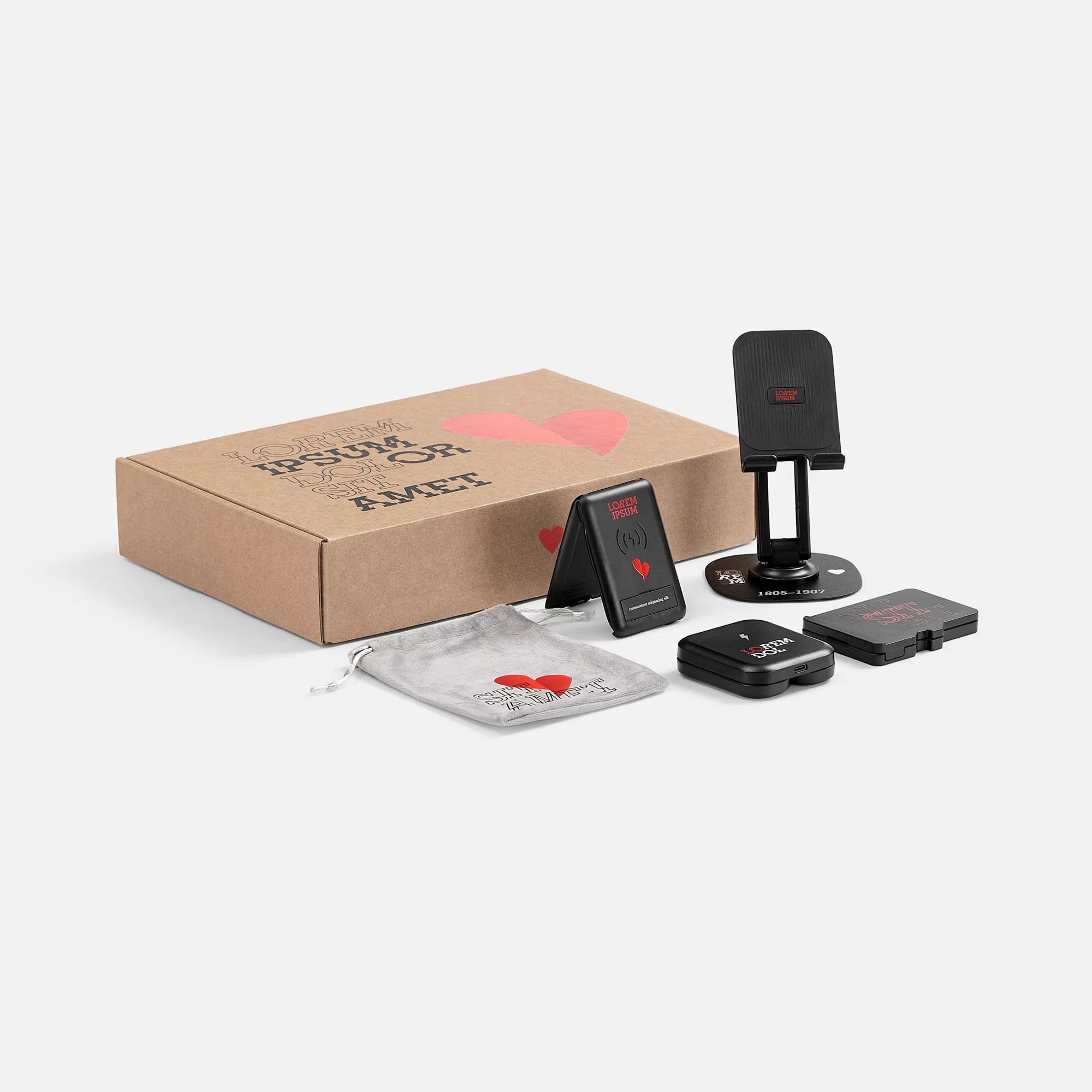
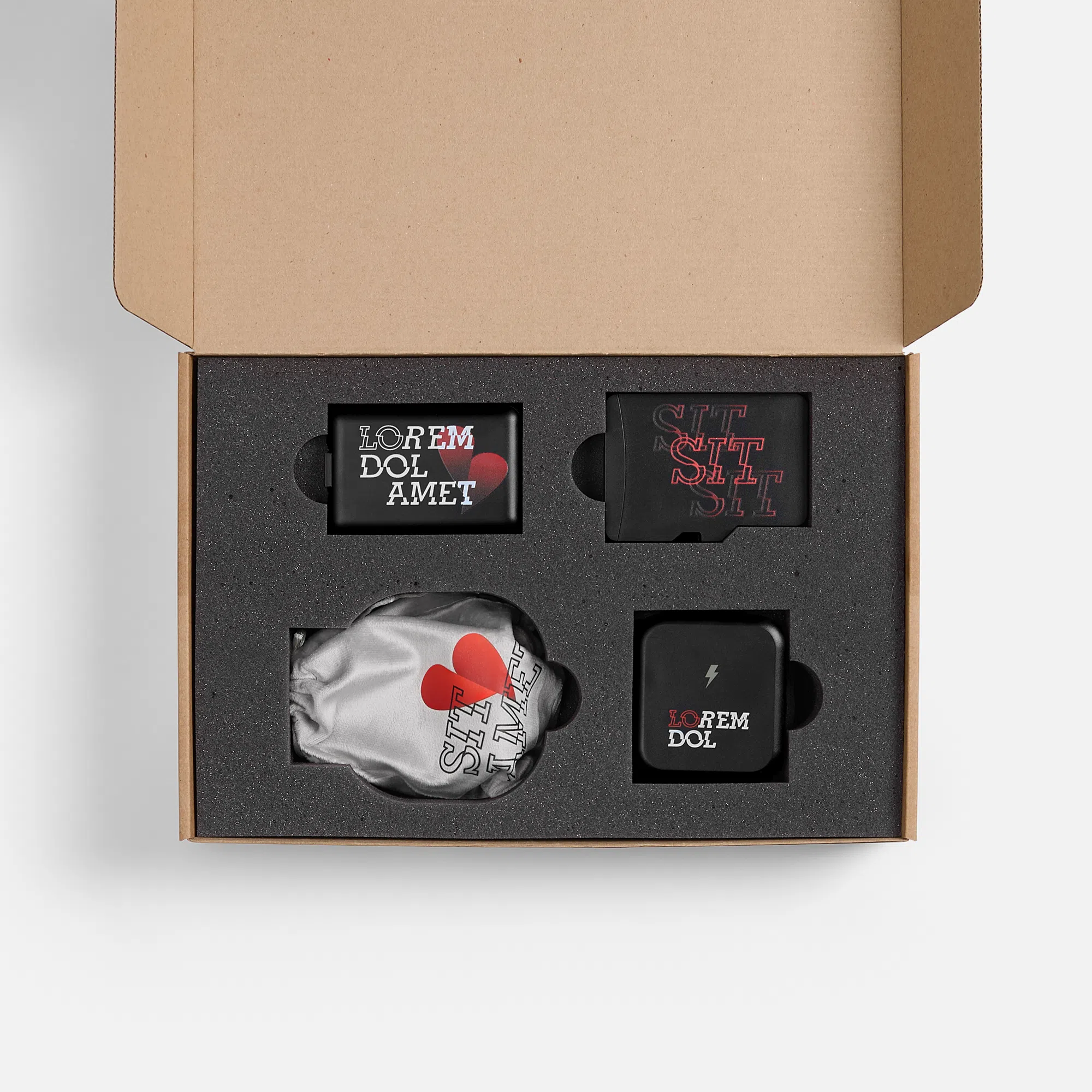
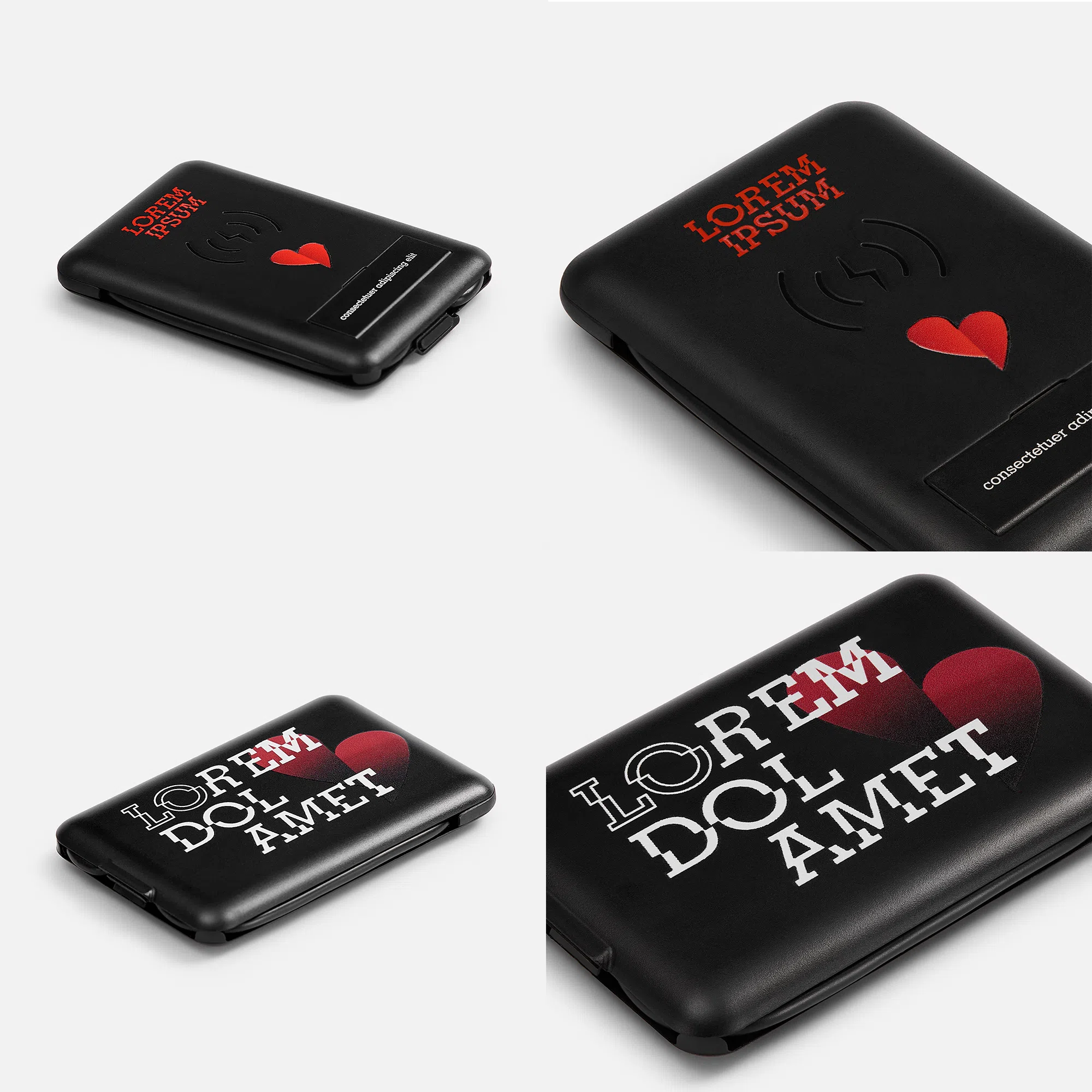
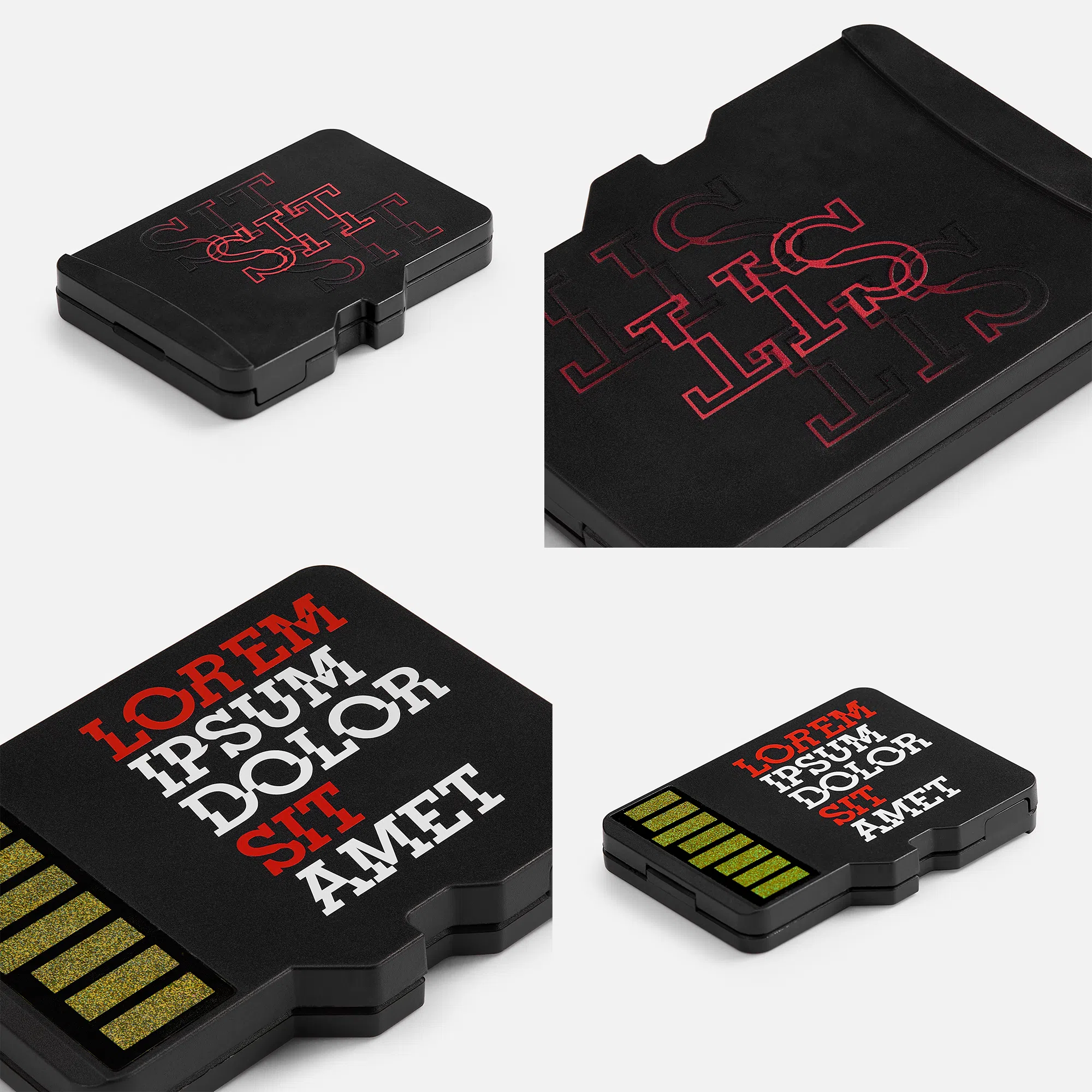
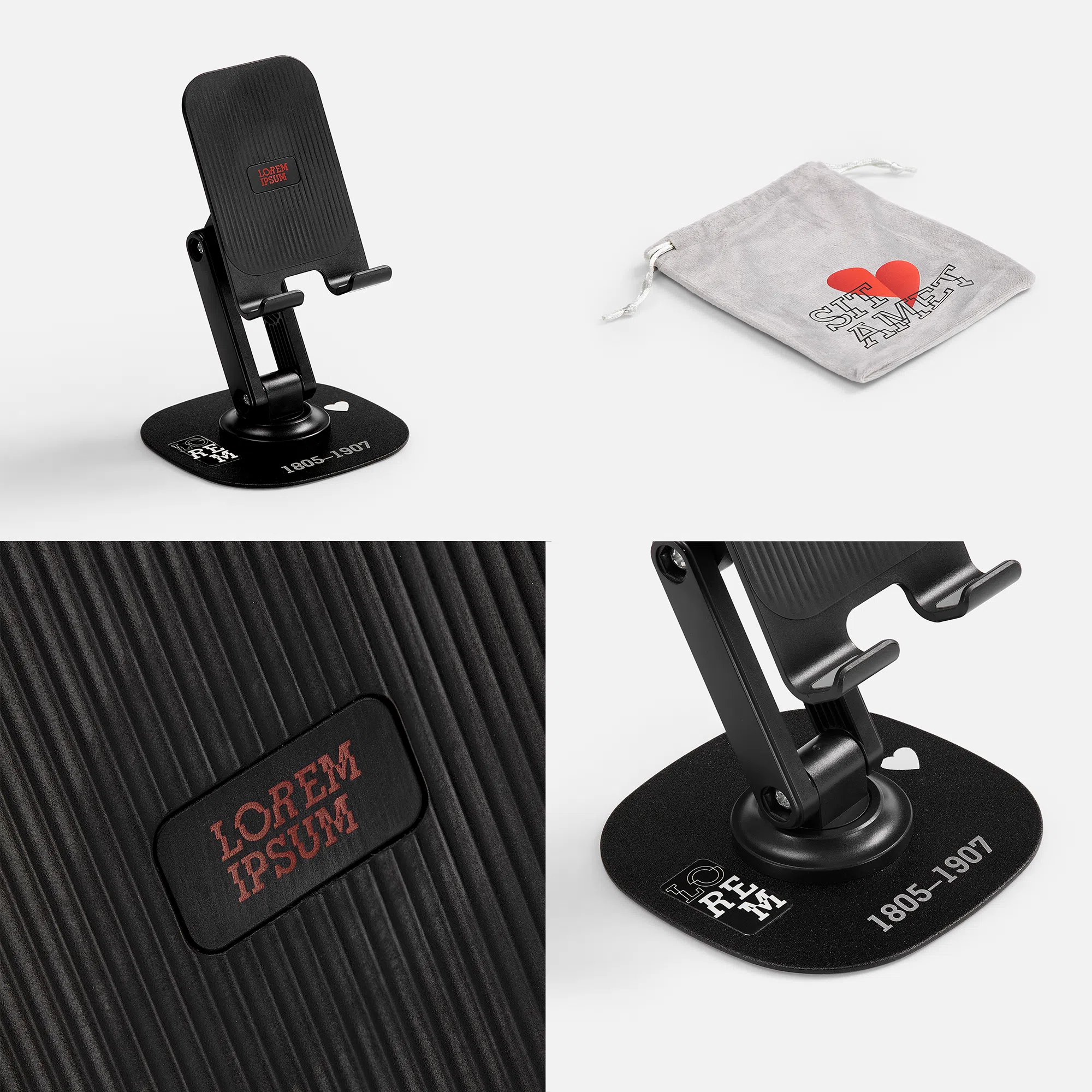
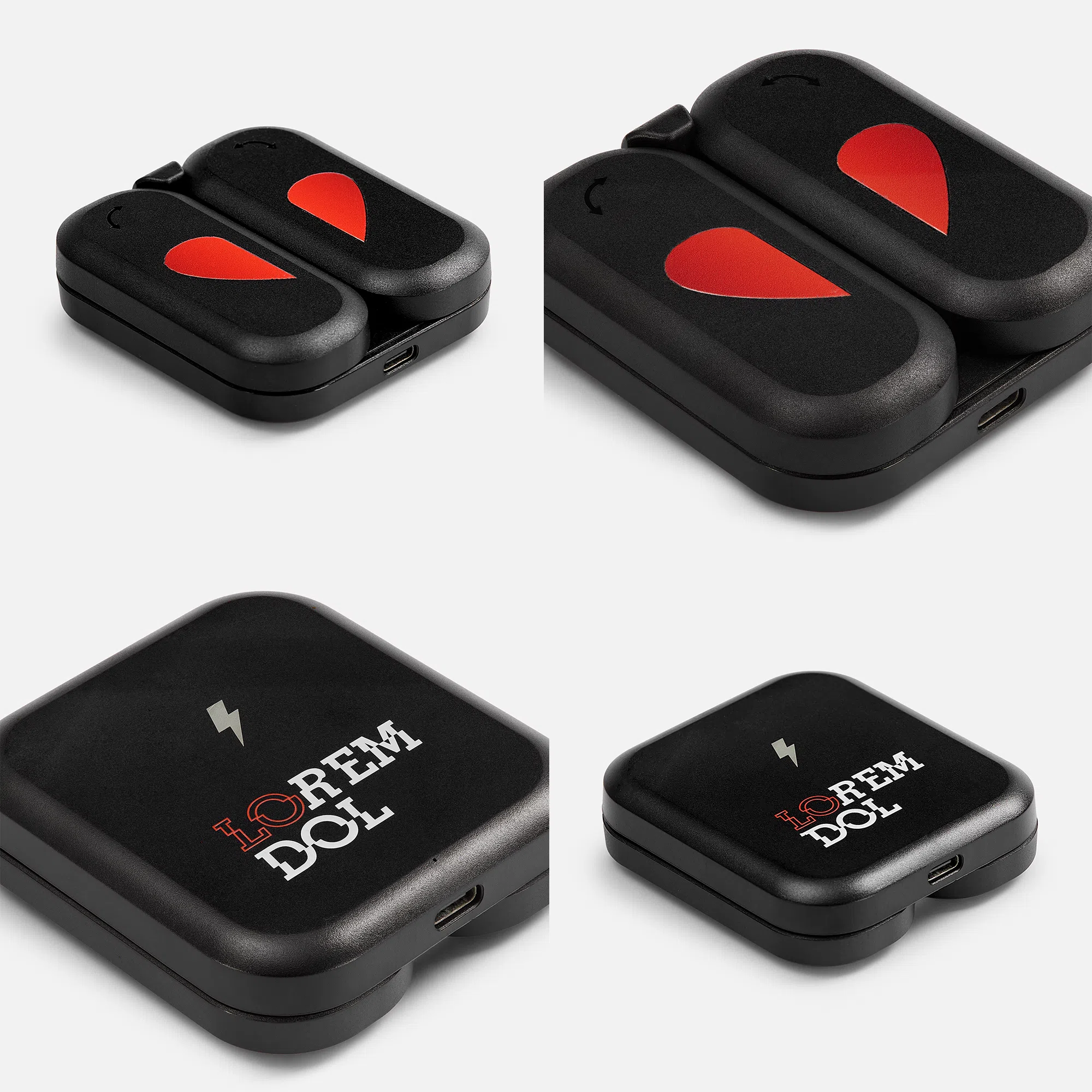
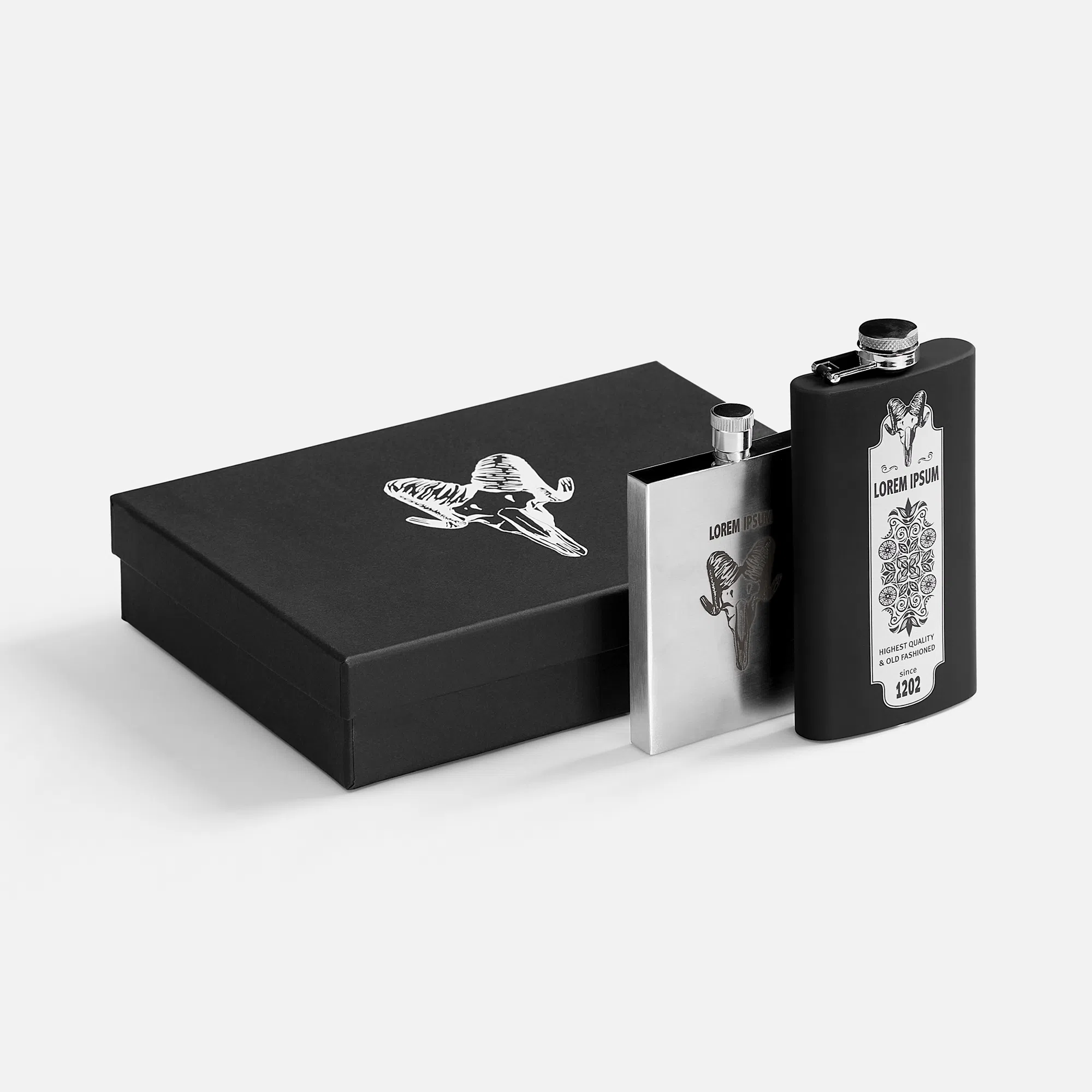
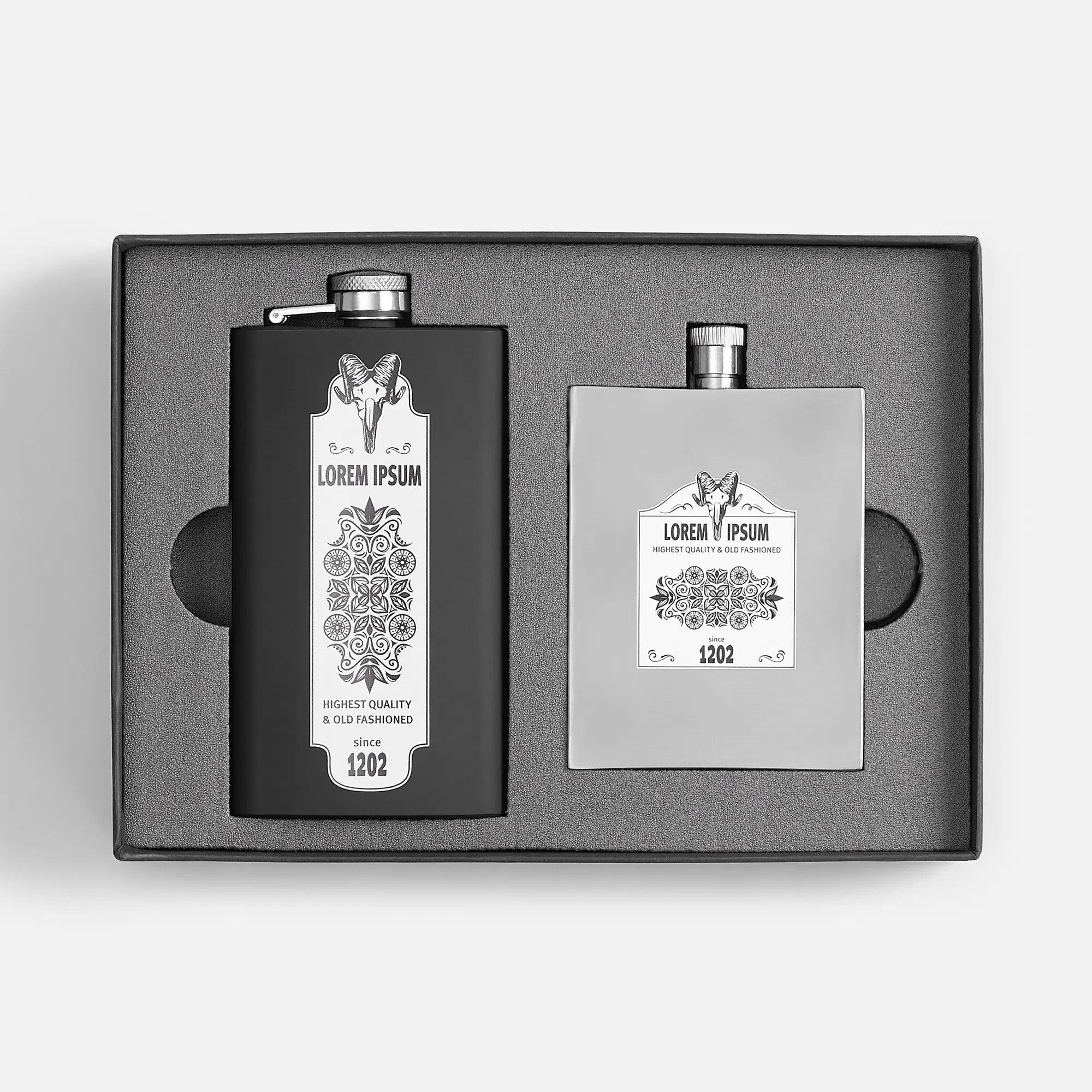
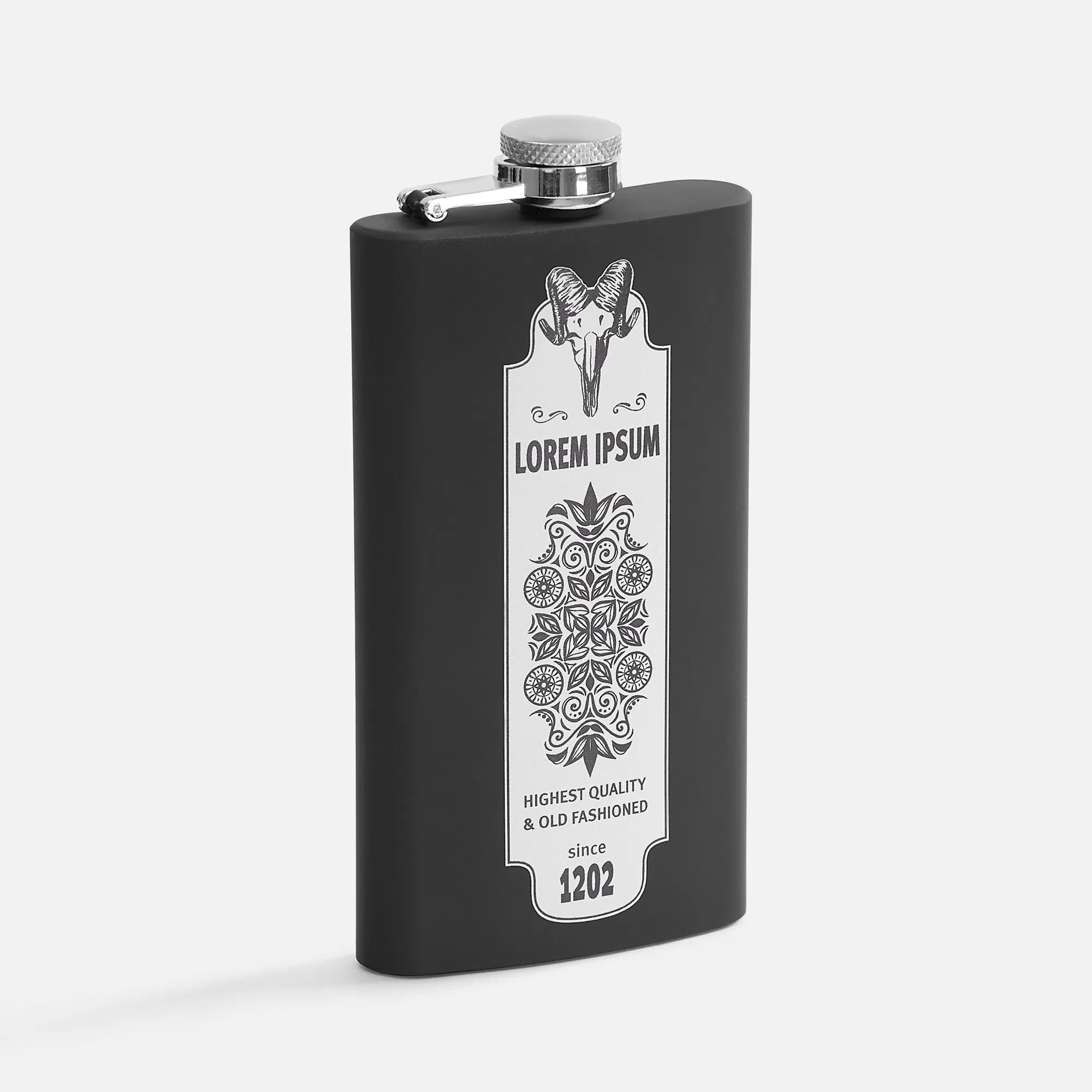
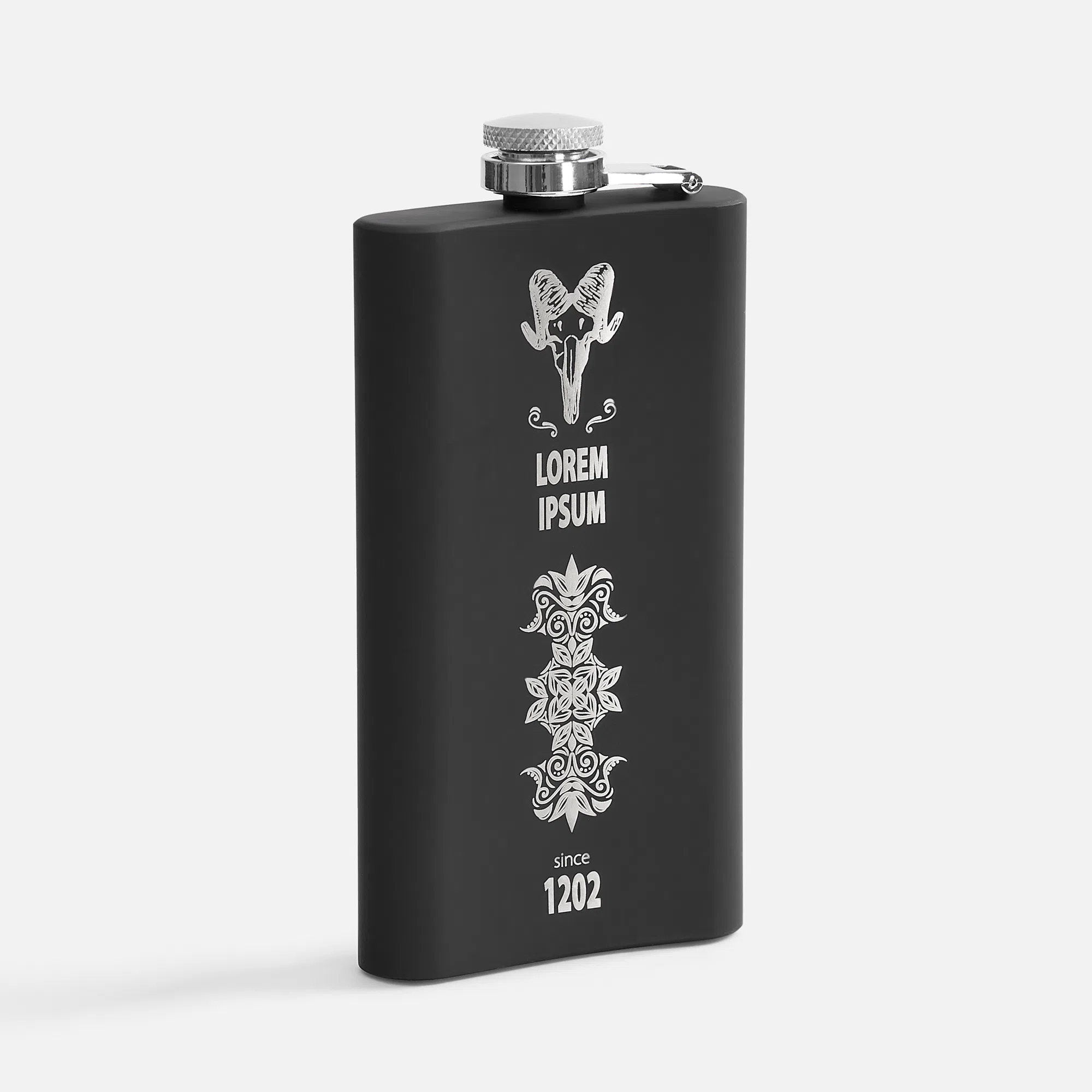
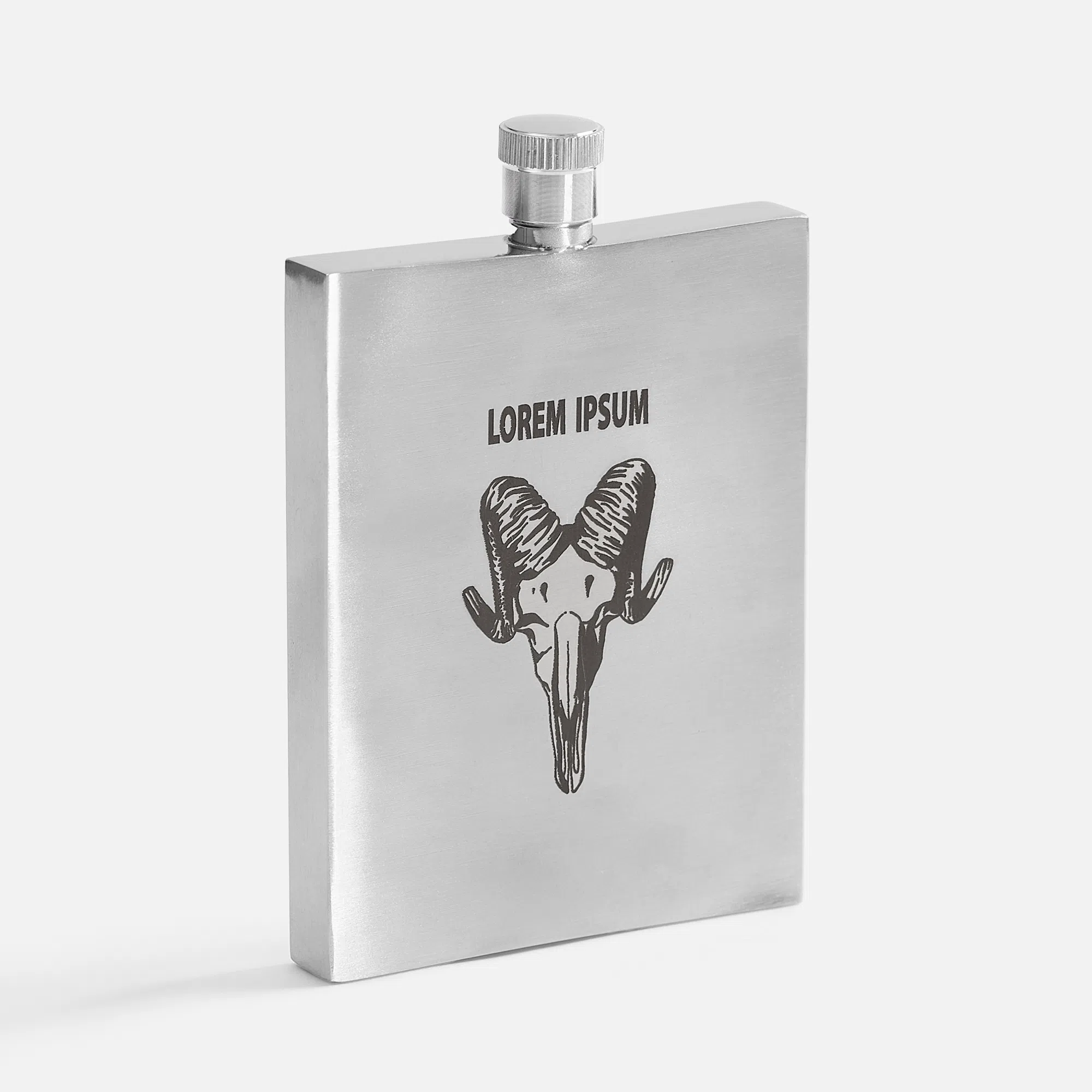
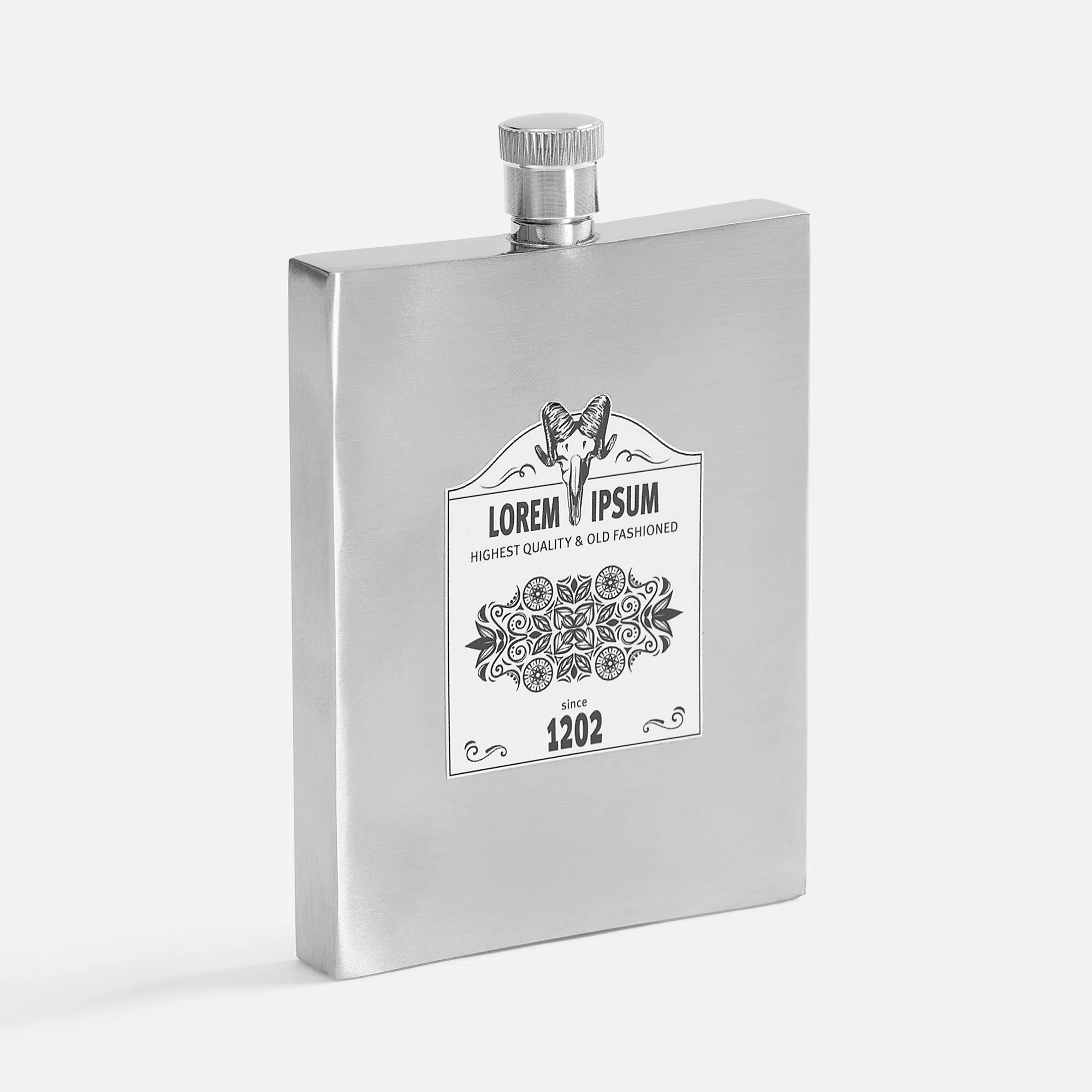
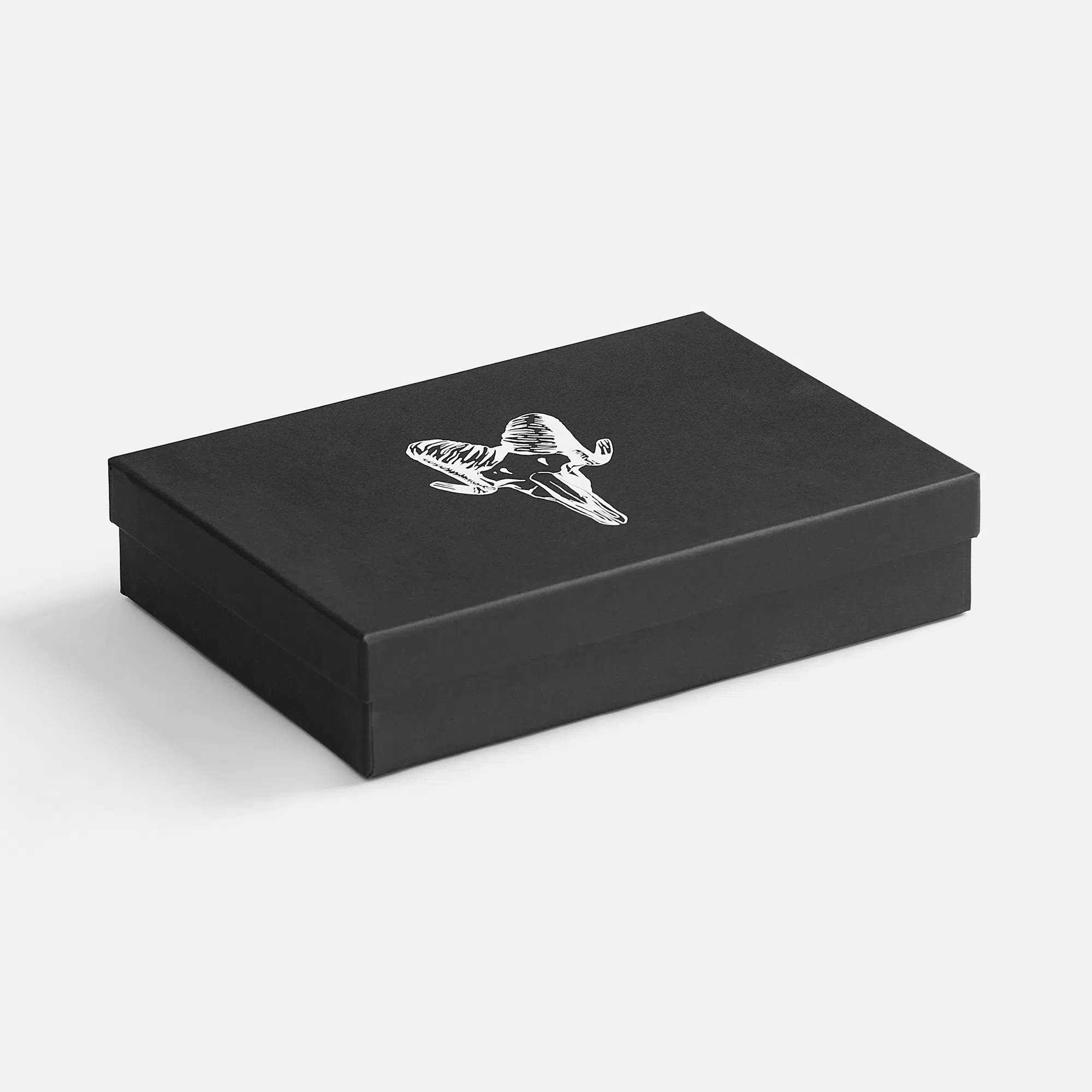
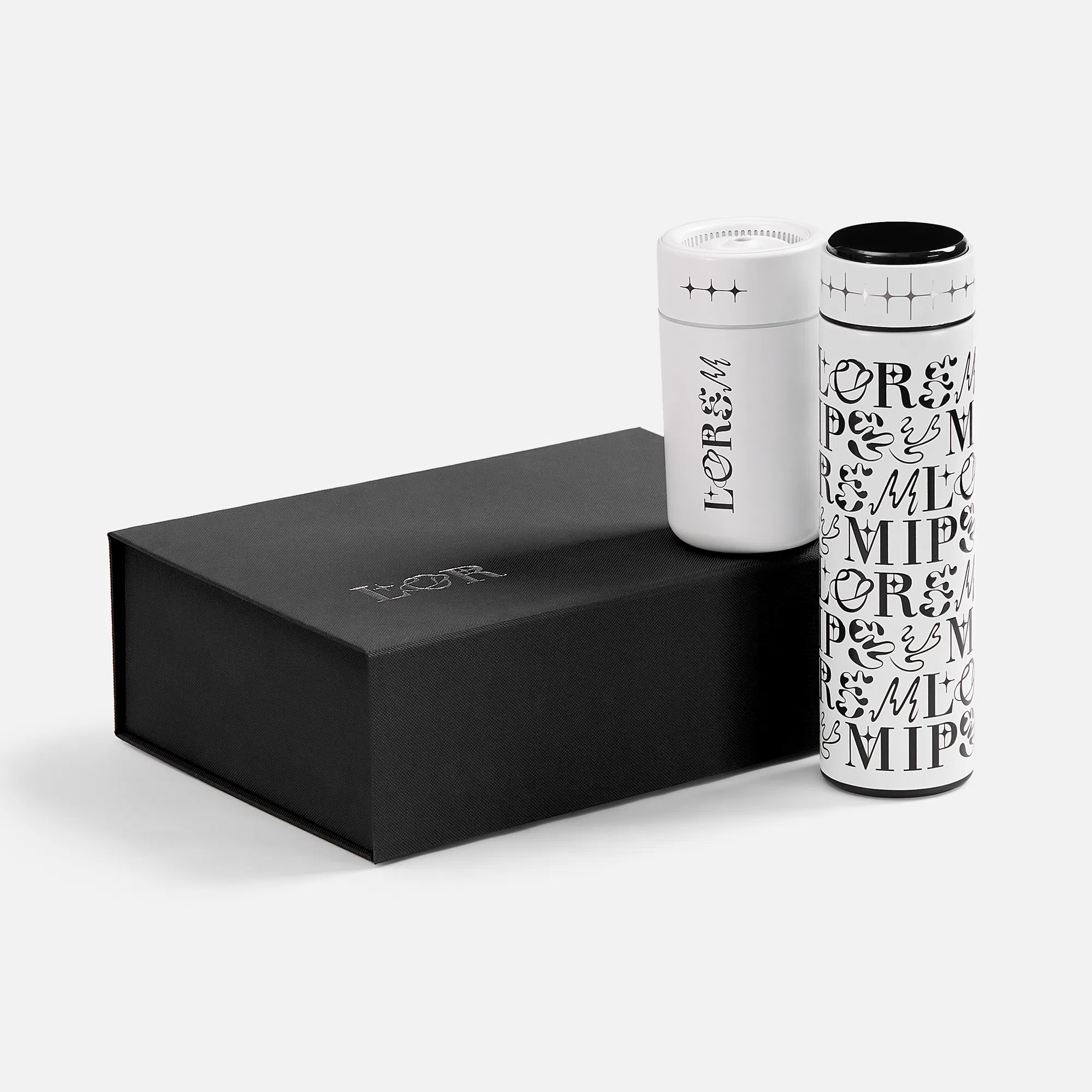
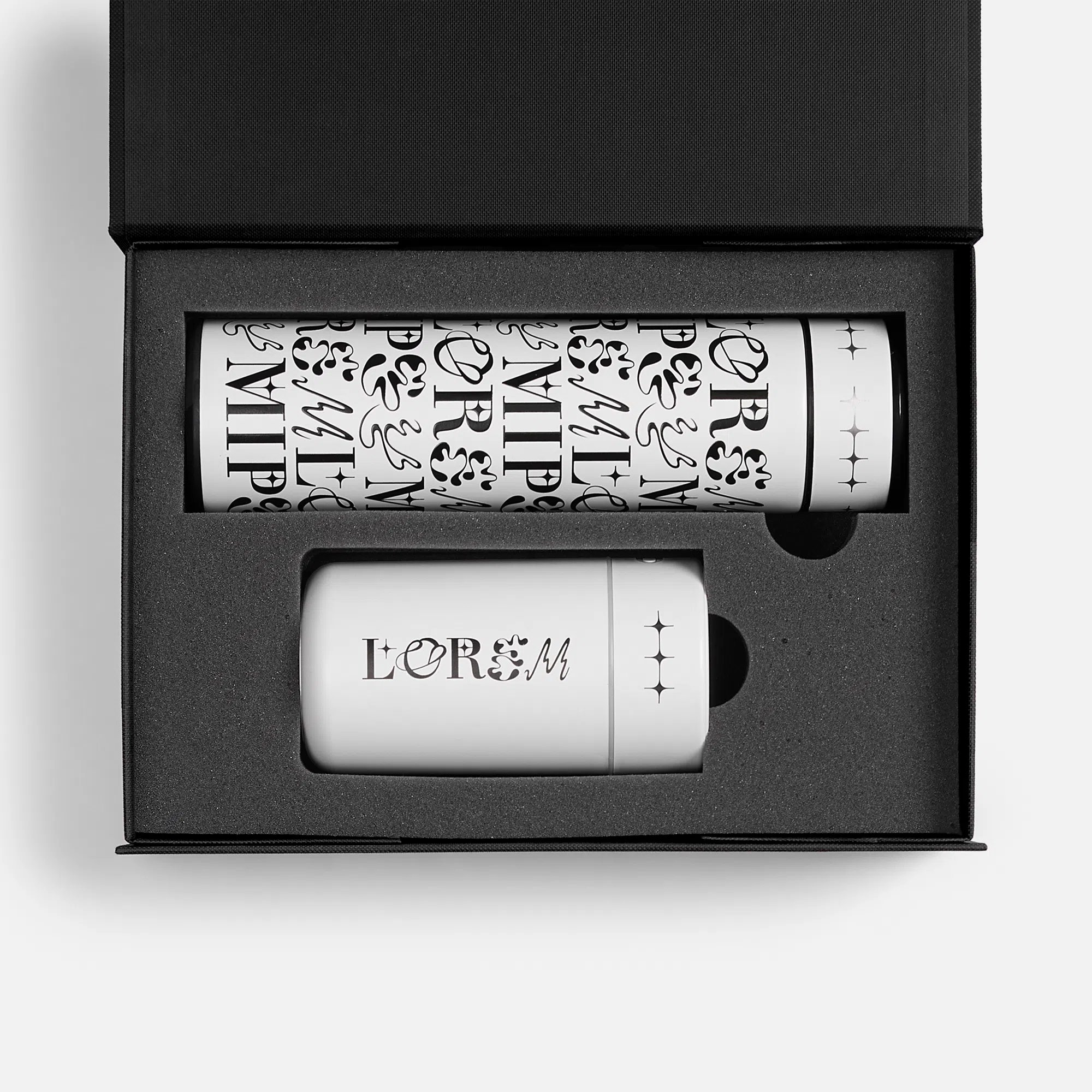
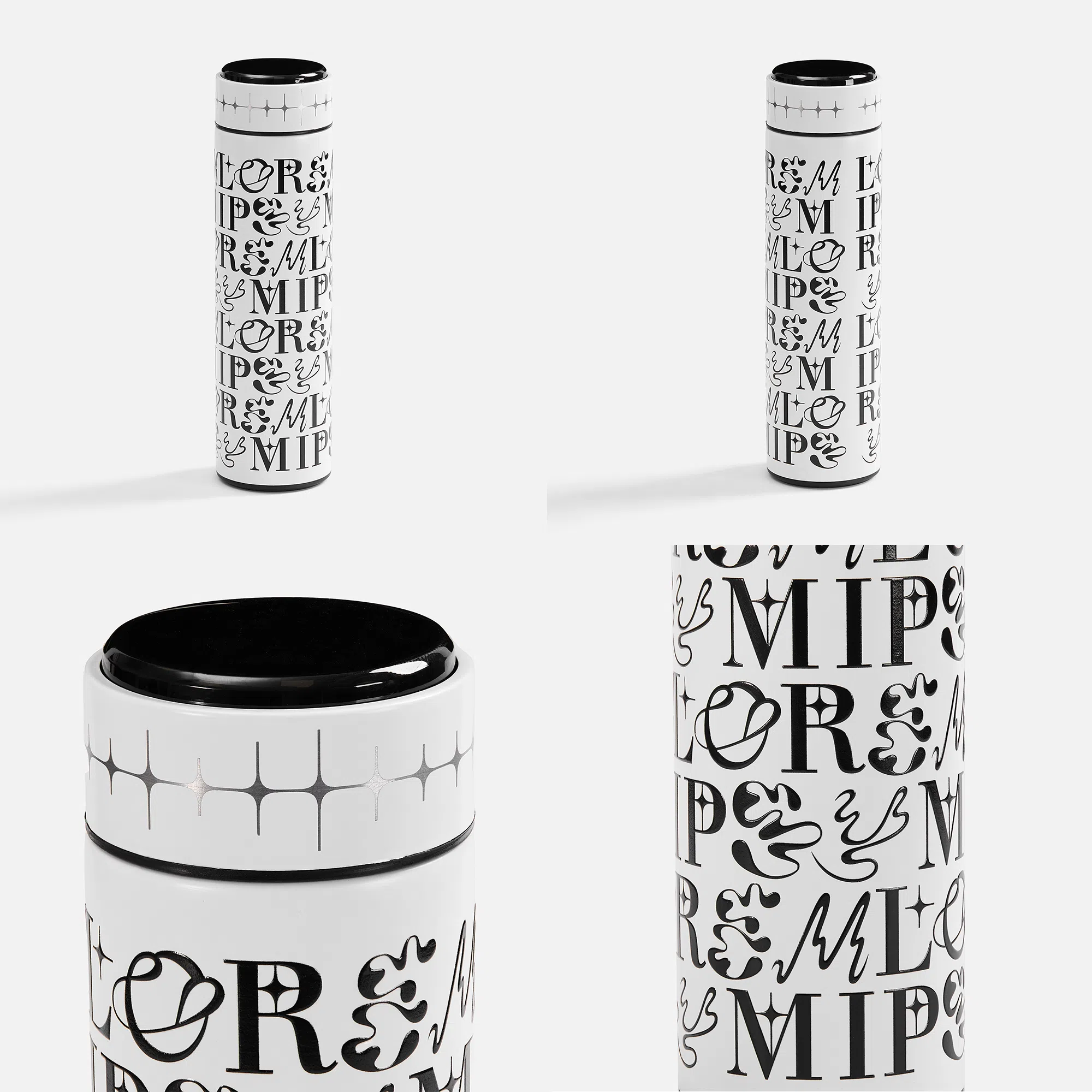
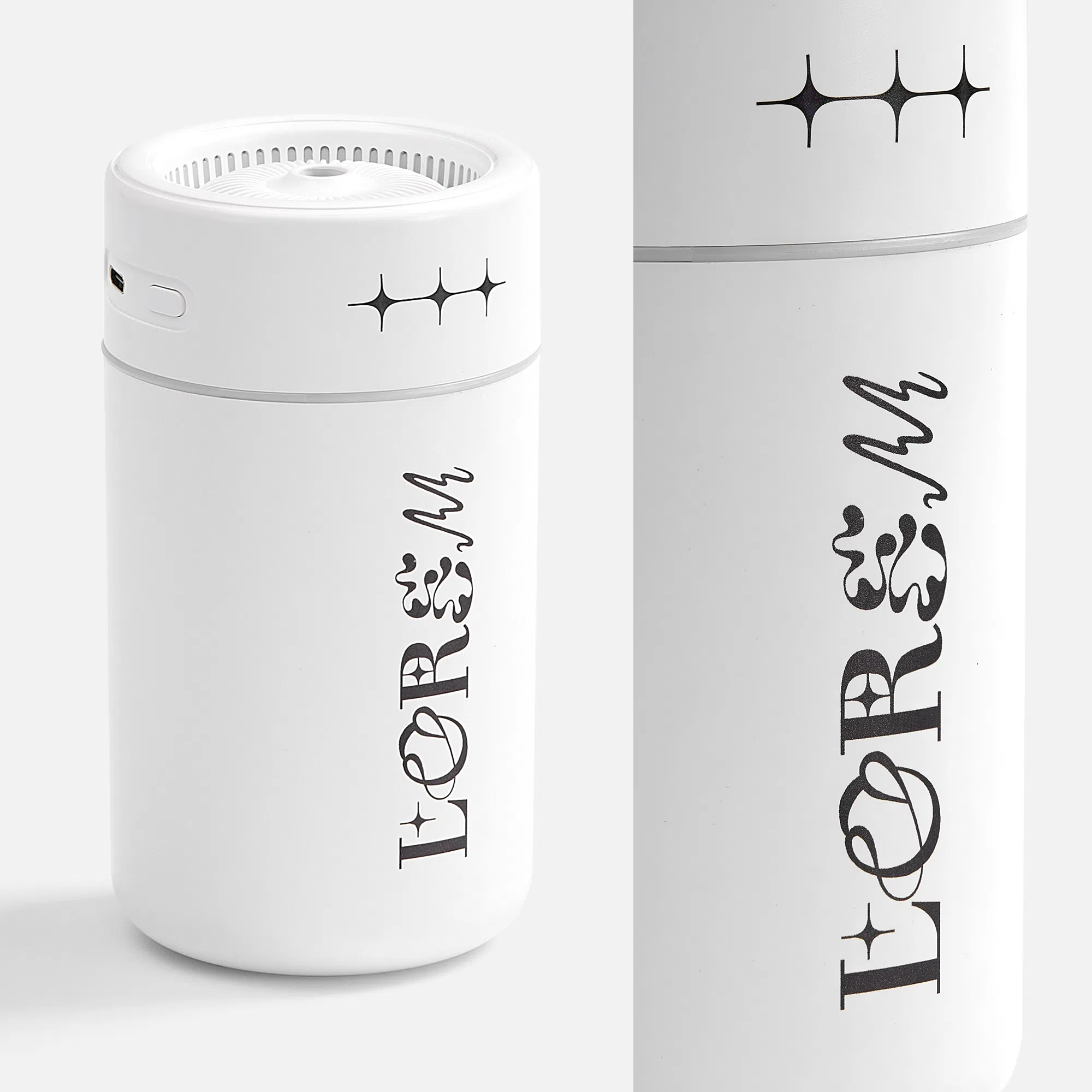
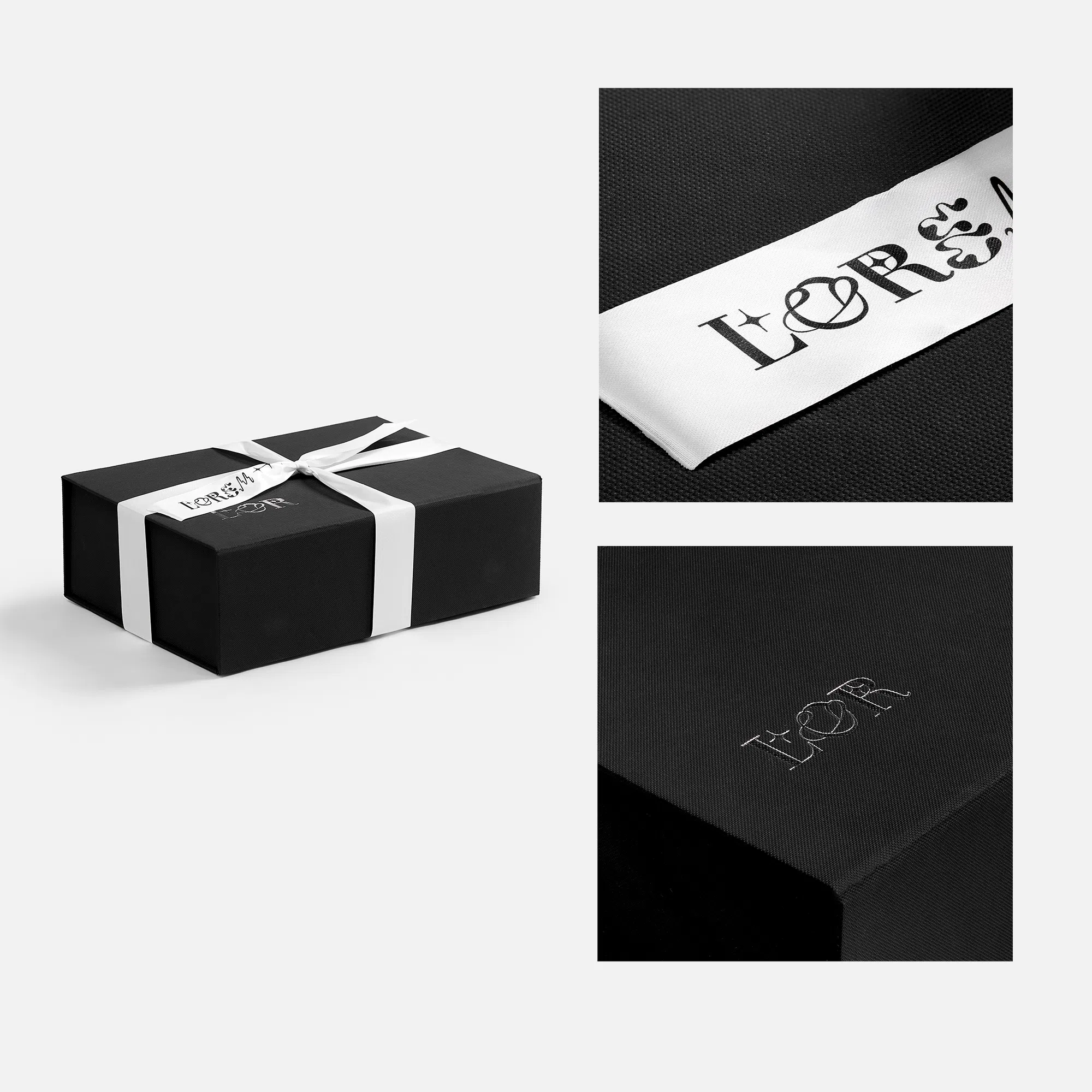
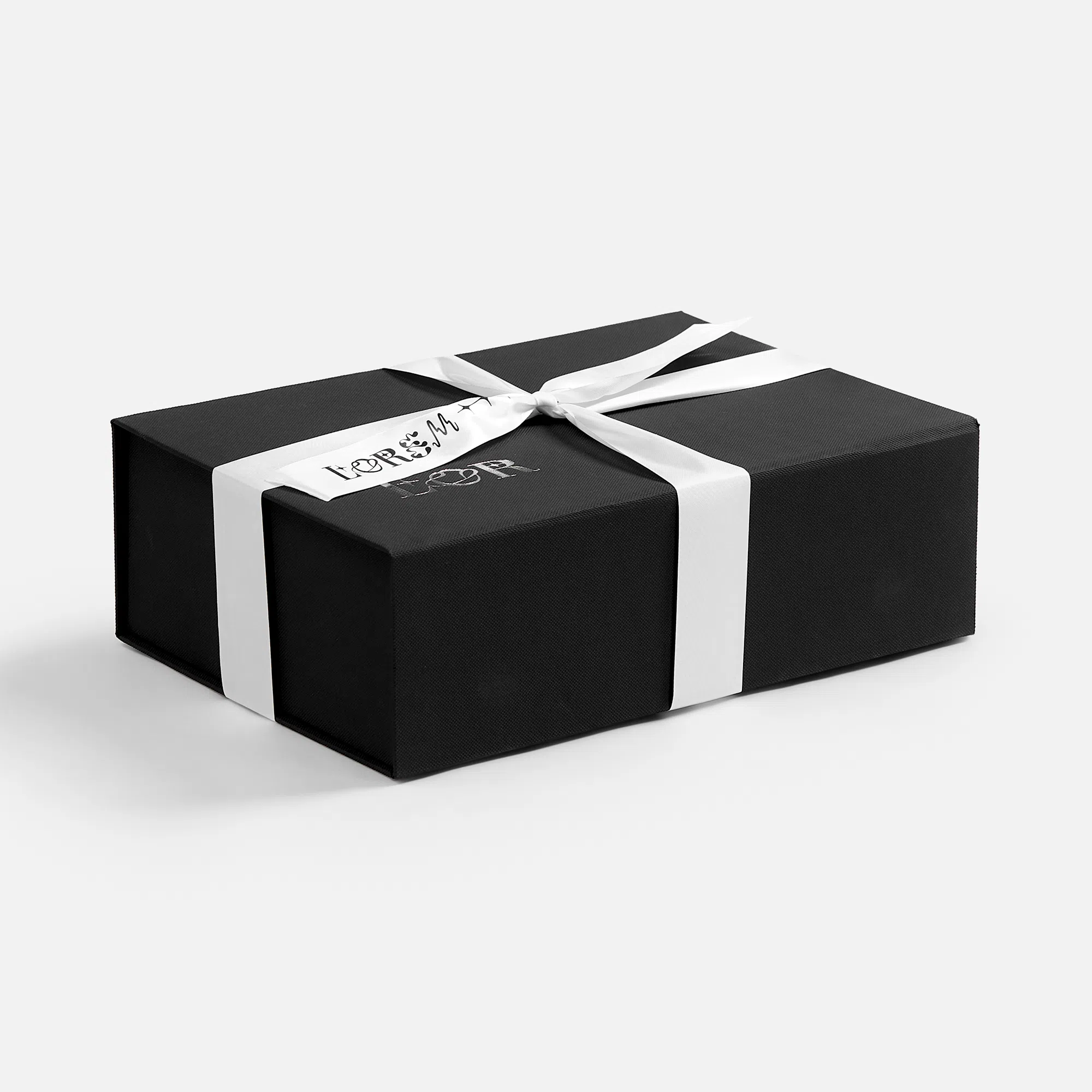
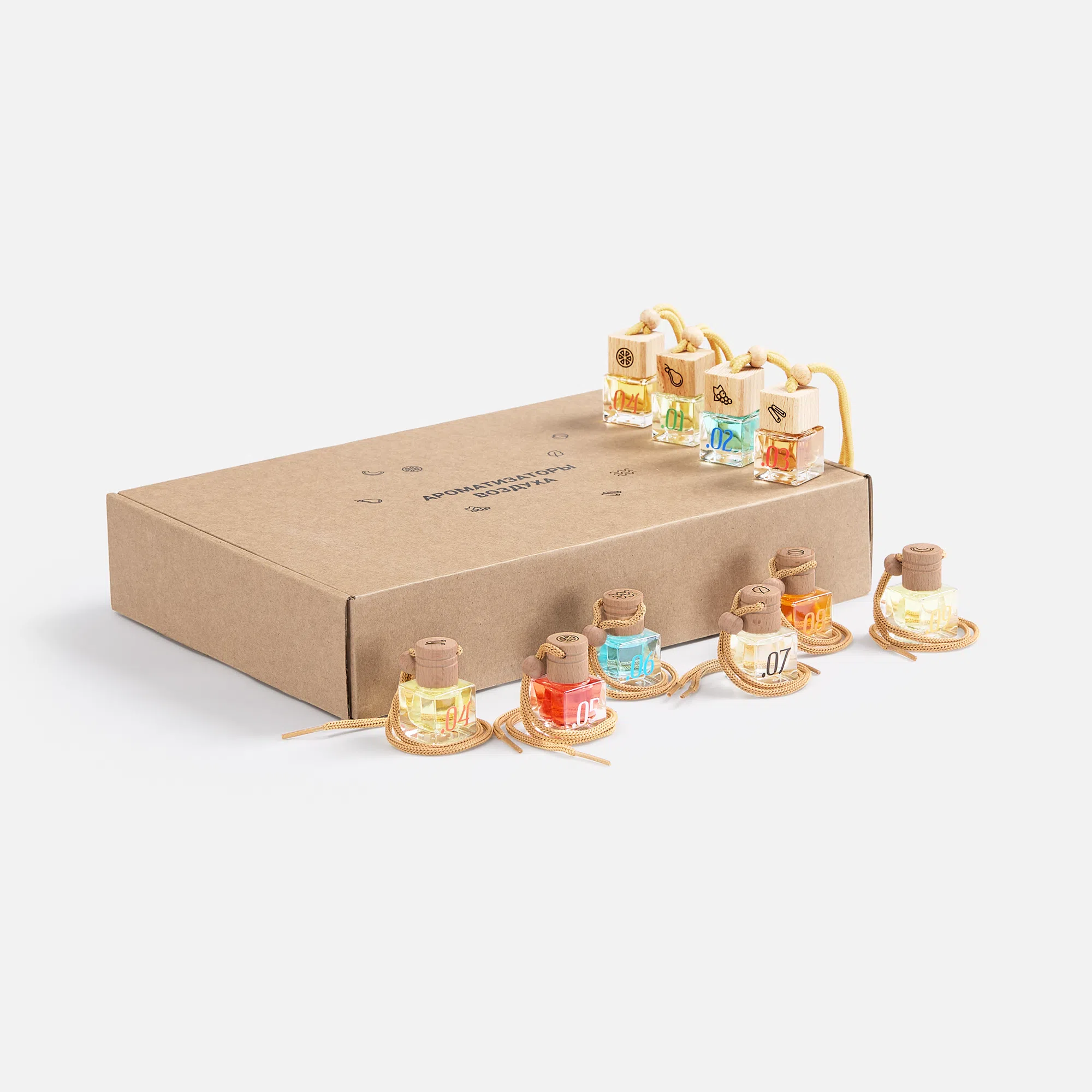
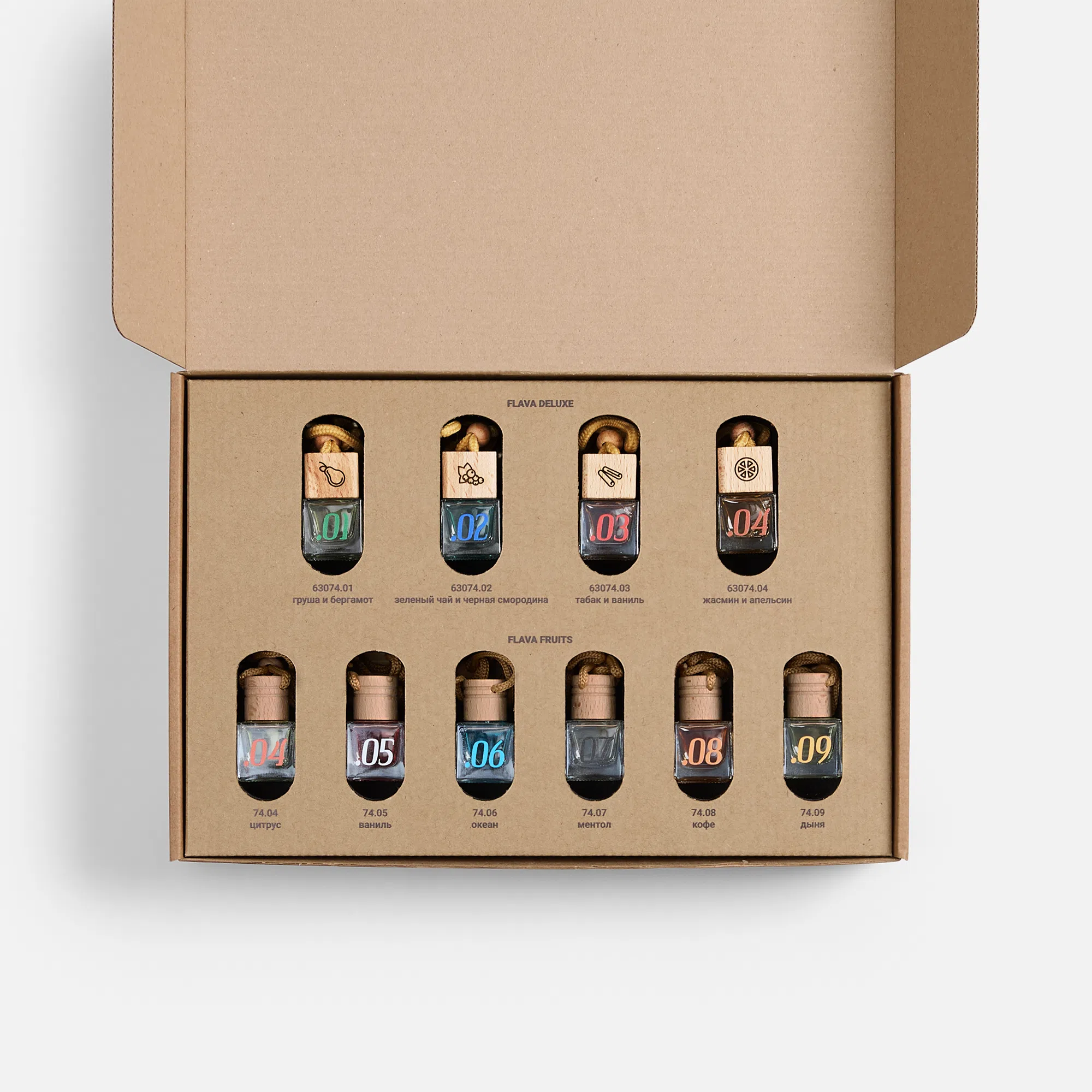
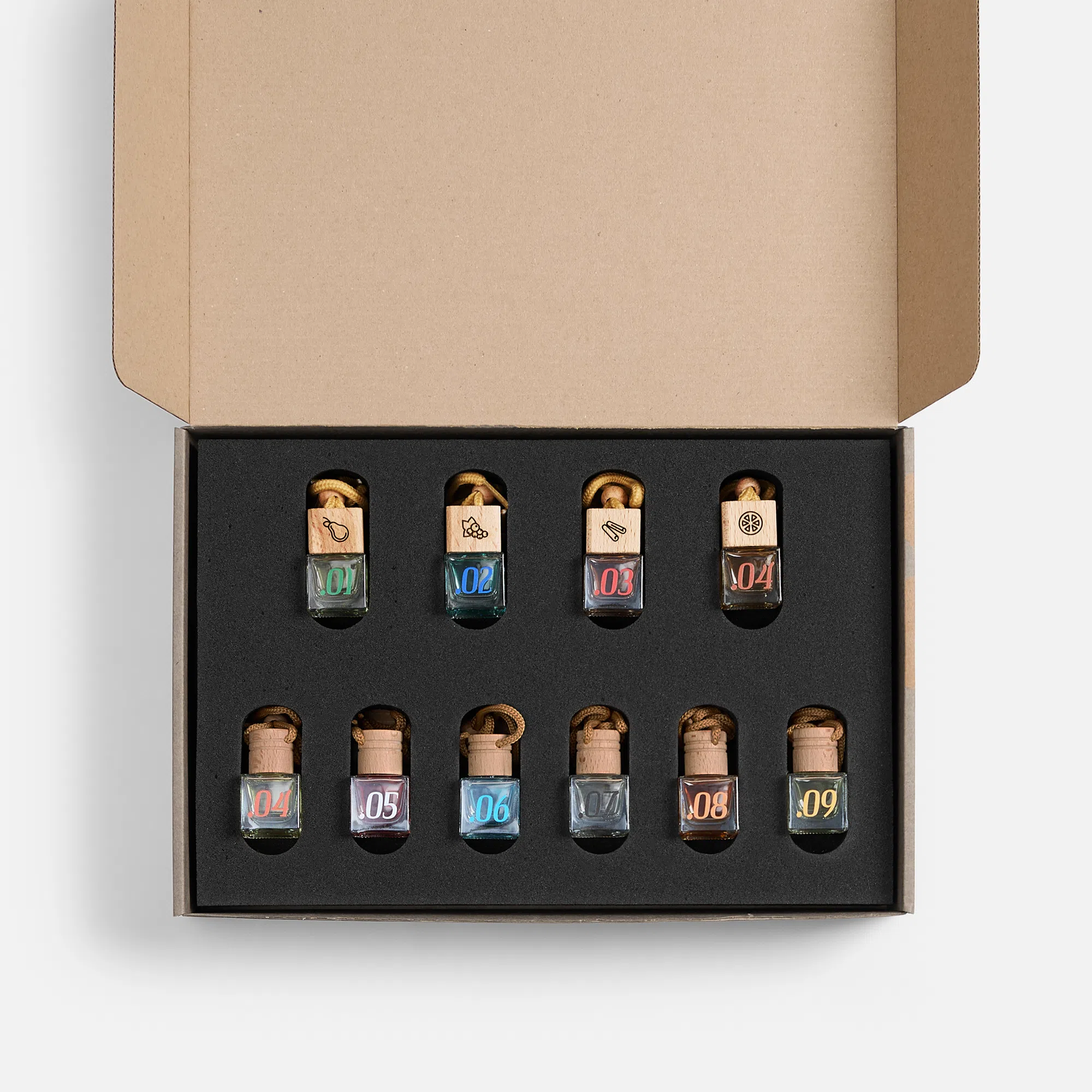
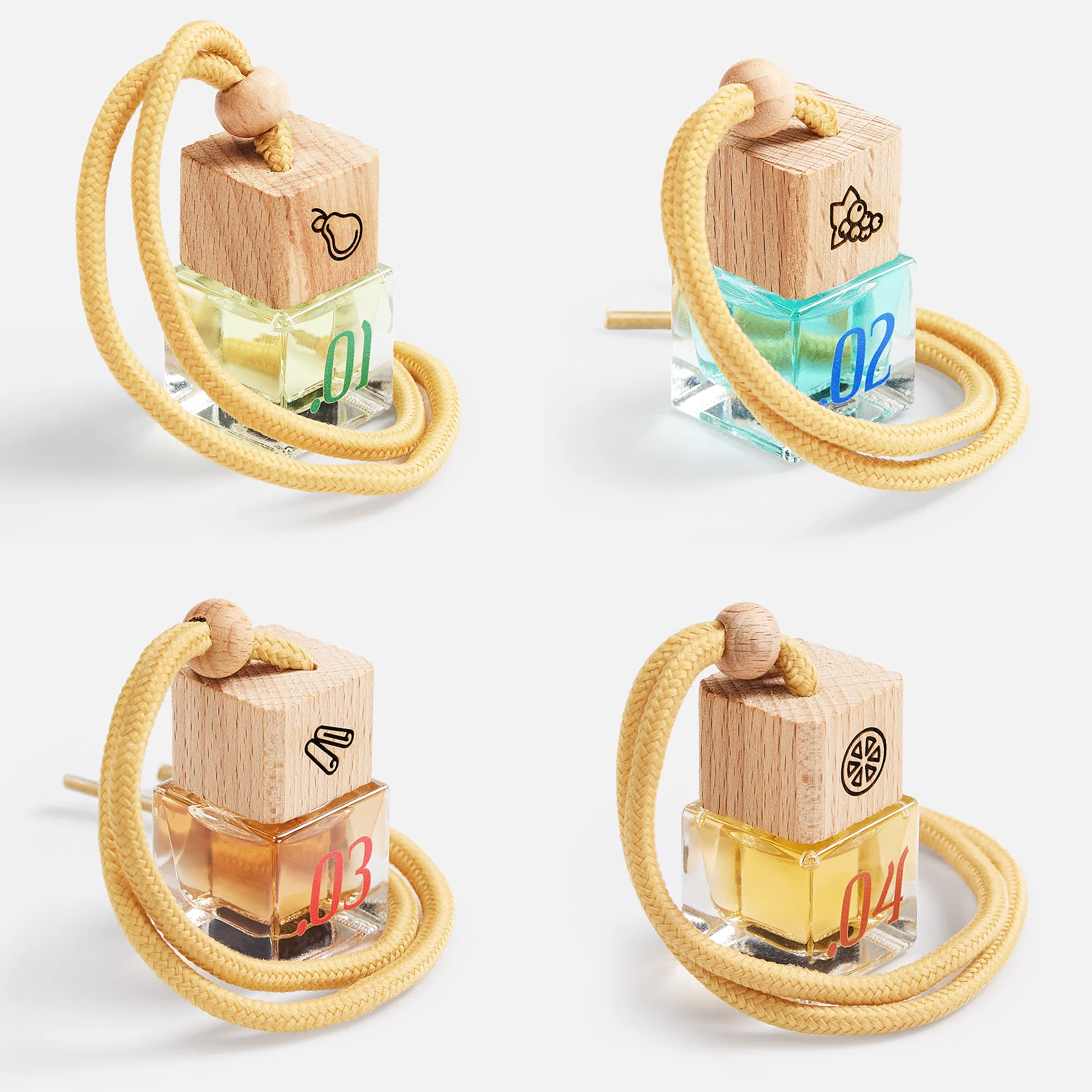
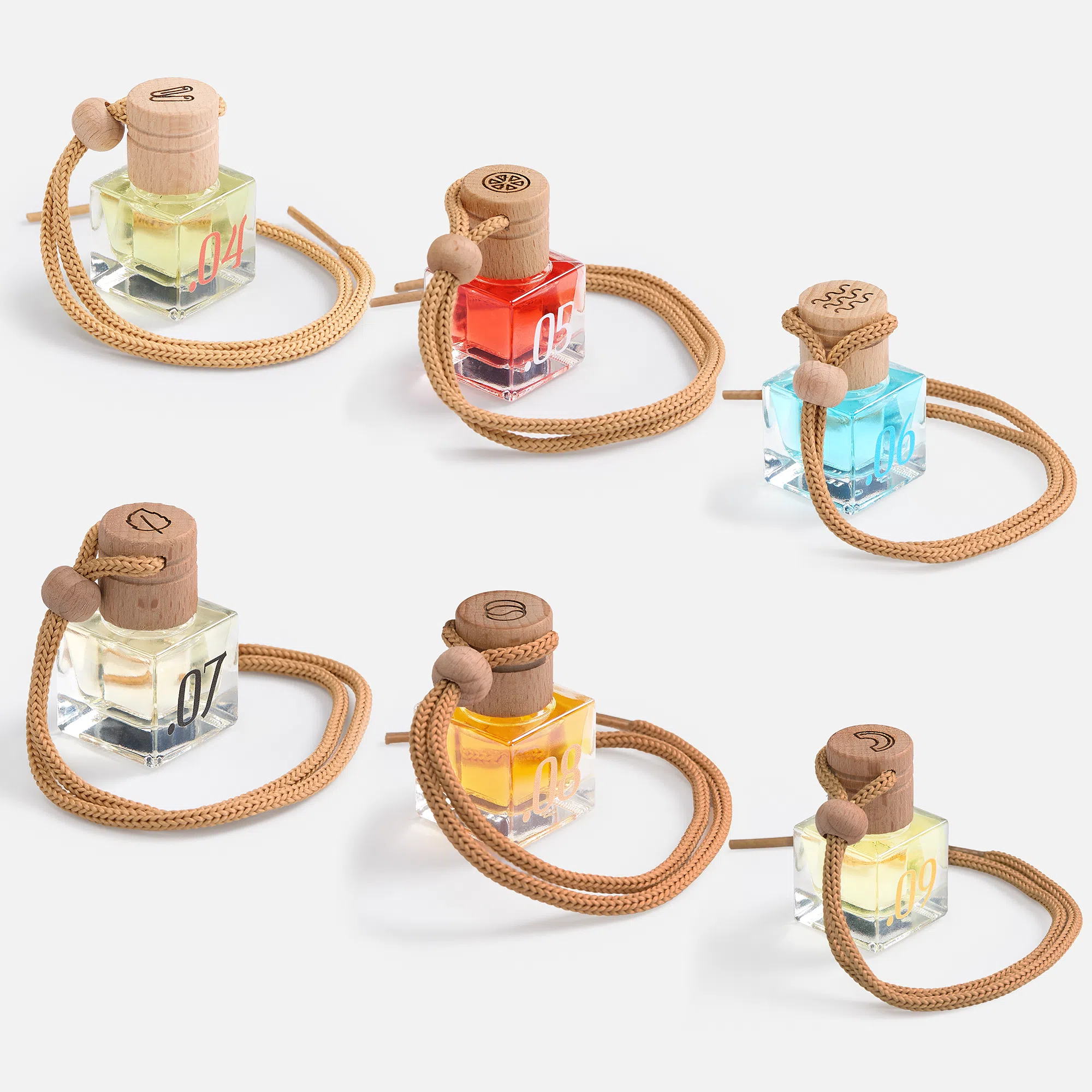
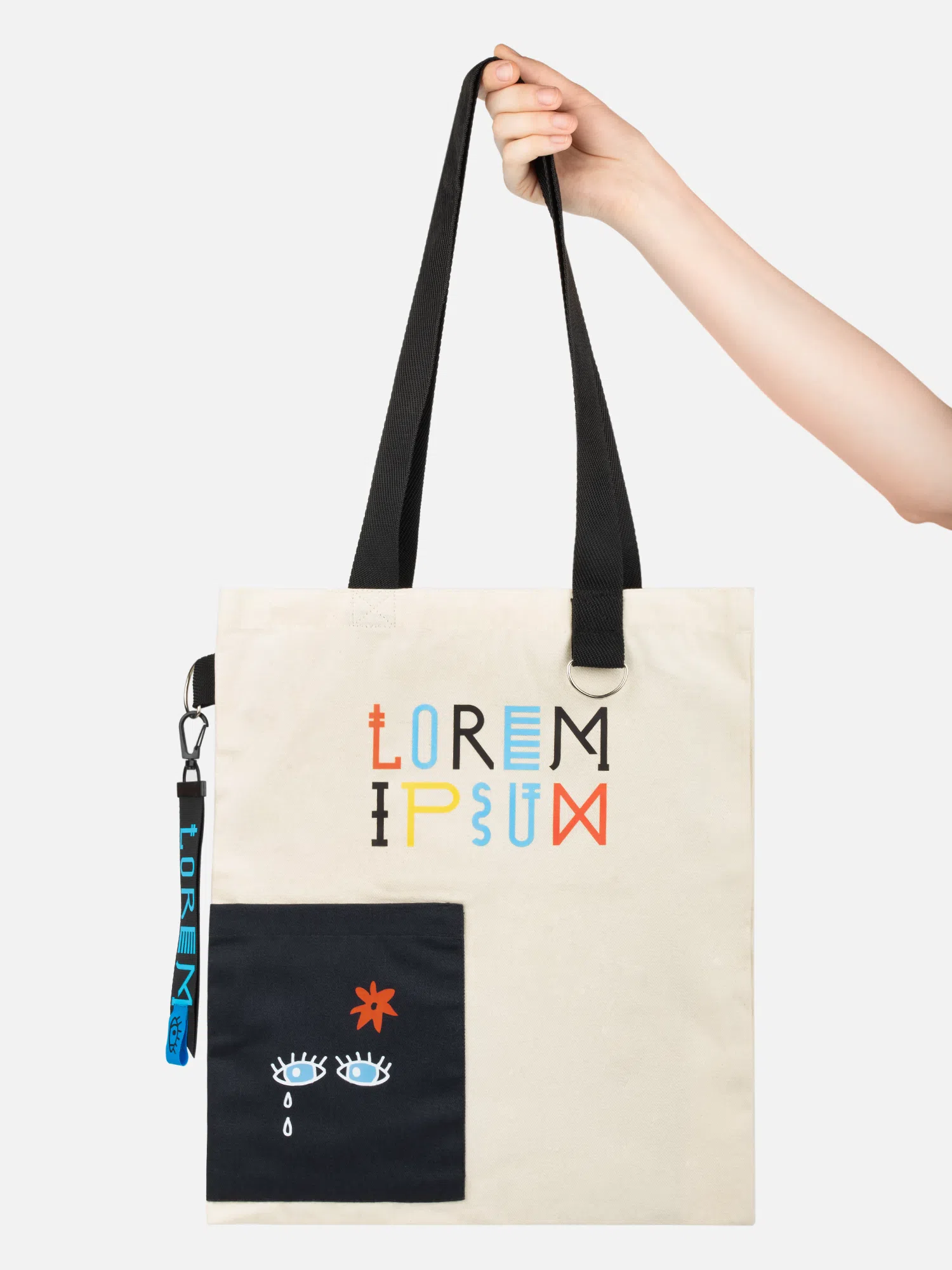
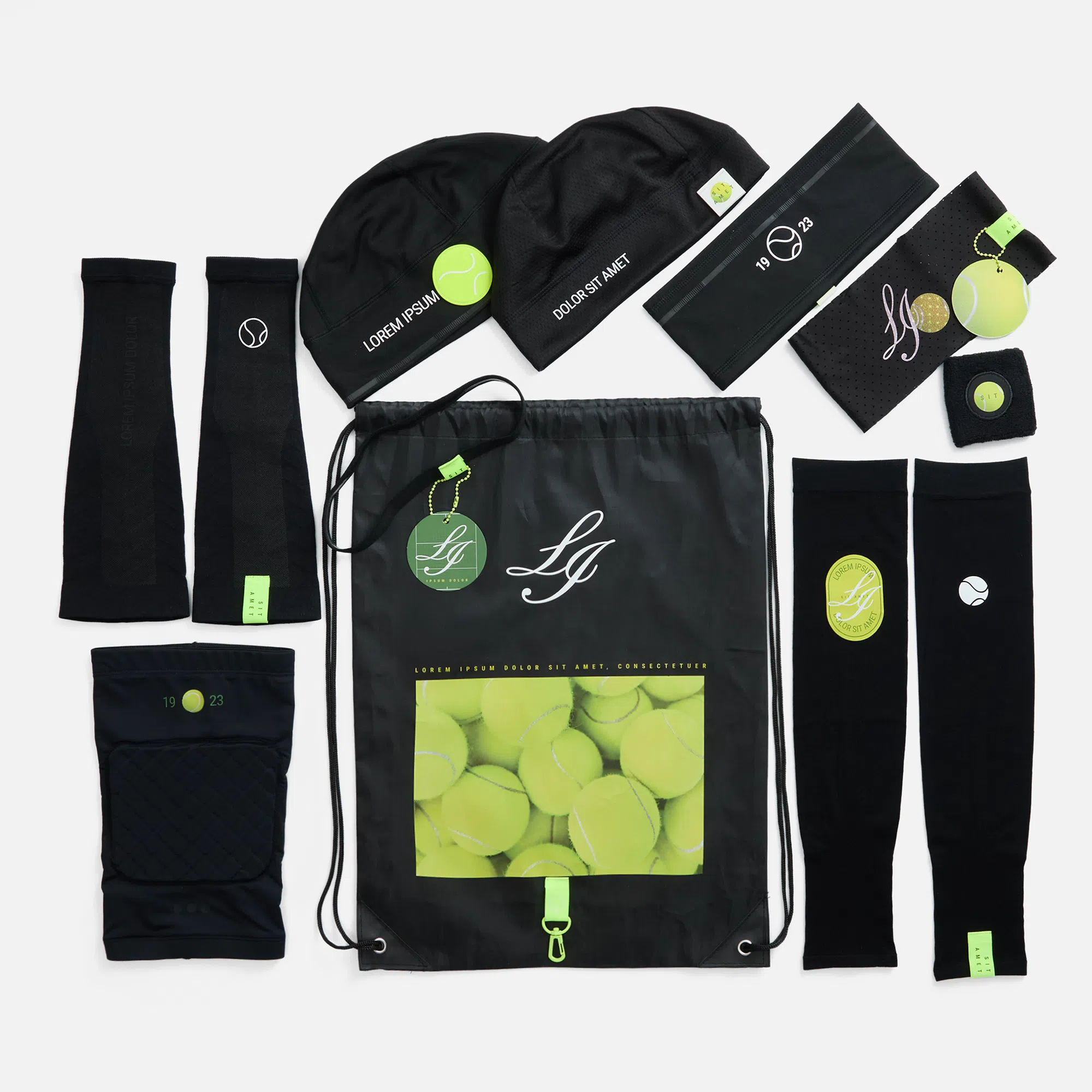
The gallery helps reveal what disappears in a schematic mockup. They are reconfigured for the brand, base product, and order quantity according to this rule: structure the contents around a narrative: promise, proof, action, and material for publication.
- Define one key launch message.
- Assign a role to each item.
- Prepare a short fact card.
- Test unboxing without explanations.
The final choice is checked in the hand, in motion, and at a normal working distance. The finished solution should support the task: turn the product's core idea into a sequential unboxing experience.
The process from brief to finished set
The production schedule is built backward from the date, allowing time for a trial and adjustments. The guiding decision for checks is: structure the contents around a narrative: promise, proof, action, and material for publication.
- 1
Define the project goal: turn the product's core idea into a sequential unboxing experience.
- 2
Resolve the brief's questions and record the main risk in your own words: a box of unrelated items does not explain the news and creates unnecessary visual noise.
- 3
Match the product use cases to customization, digital printing, and UV printing methods; eliminate options where function conflicts with branding.
- 4
Prepare artwork and specifications for the solution “structure the contents around a narrative: promise, proof, action, and material for publication,” including the material, packaging, and variable printing data.
- 5
Recreate the real use situation with the sample and check the item “assign a role to each item.”
- 6
At the start of the batch, compare it with the approved reference sample and collect data for the criterion “the share of target publications, accuracy of the key message, and condition after delivery.”
Outcome checks and acceptance criteria
Spot checks are carried out before personalized packing and sealing the shipping boxes. At acceptance, check the material, placement, completeness, and working function together.
- Check whether the goal has been achieved: turn the product's core idea into a sequential unboxing experience.
- Compare the production run with the approved solution: structure the contents around a narrative: promise, proof, action, and material for publication.
- Recreate the risk separately: a box of unrelated items does not explain the news and creates unnecessary visual noise.
- Record the project metric: the share of target publications, accuracy of the key message, and condition after delivery.
- Keep photos, artwork, product codes, branding coordinates, and notes for a repeat order.
It is useful to classify all deviations as isolated, systematic, or acceptable. Record separately which solutions to repeat, where manual work was needed, and what spare quantities were required for the goal “turn the product's core idea into a sequential unboxing experience.”
Items to start your selection with
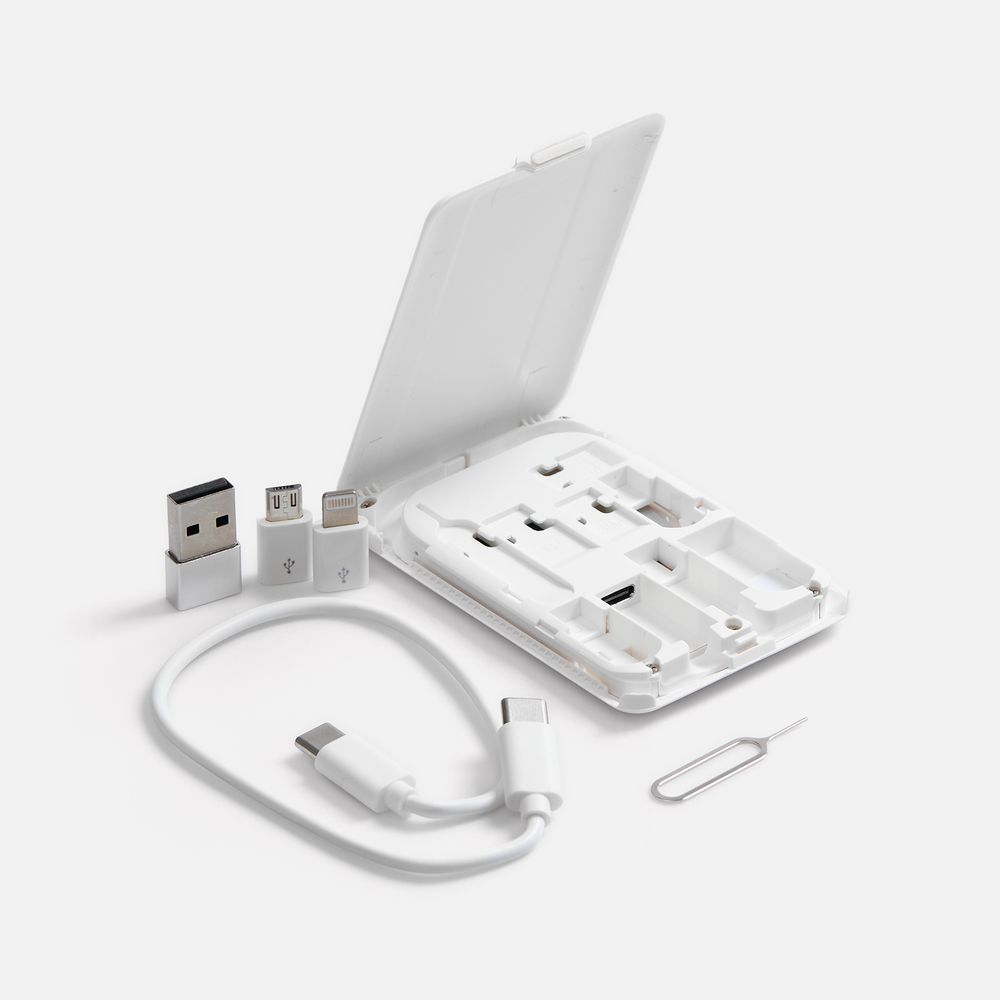
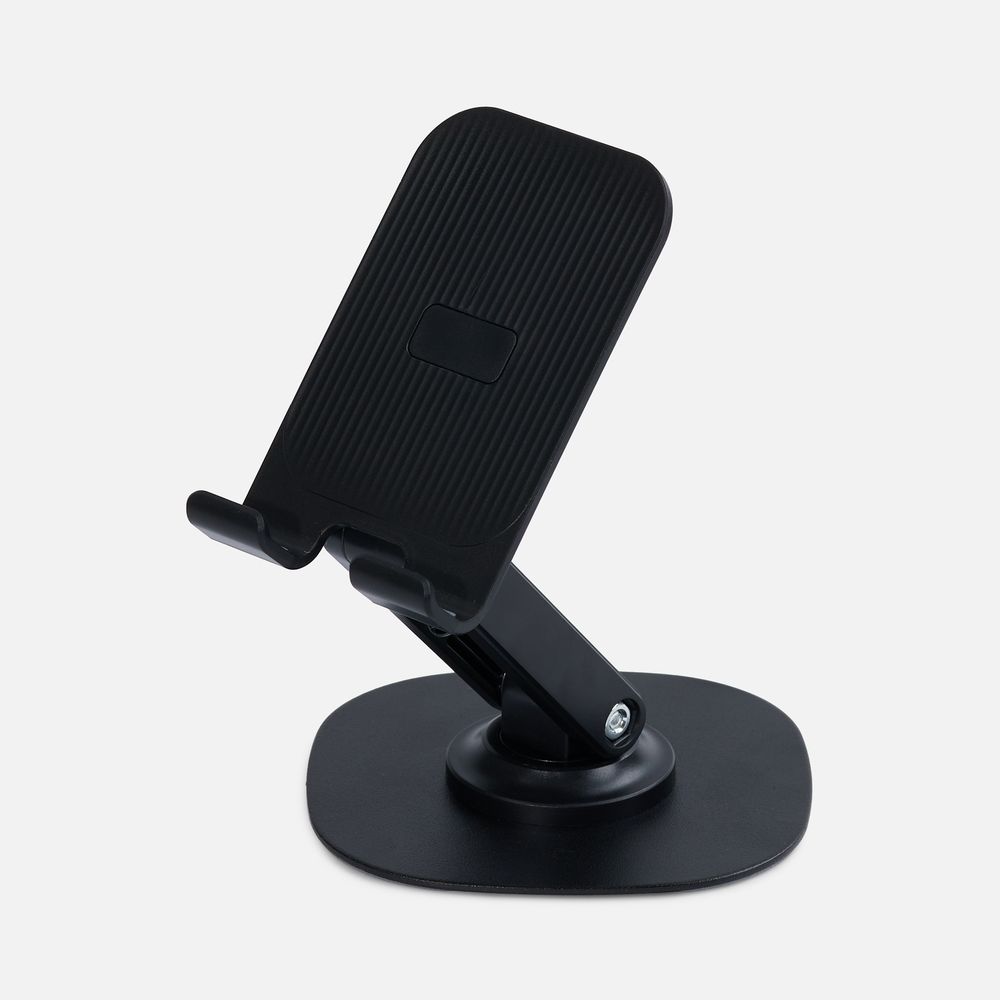
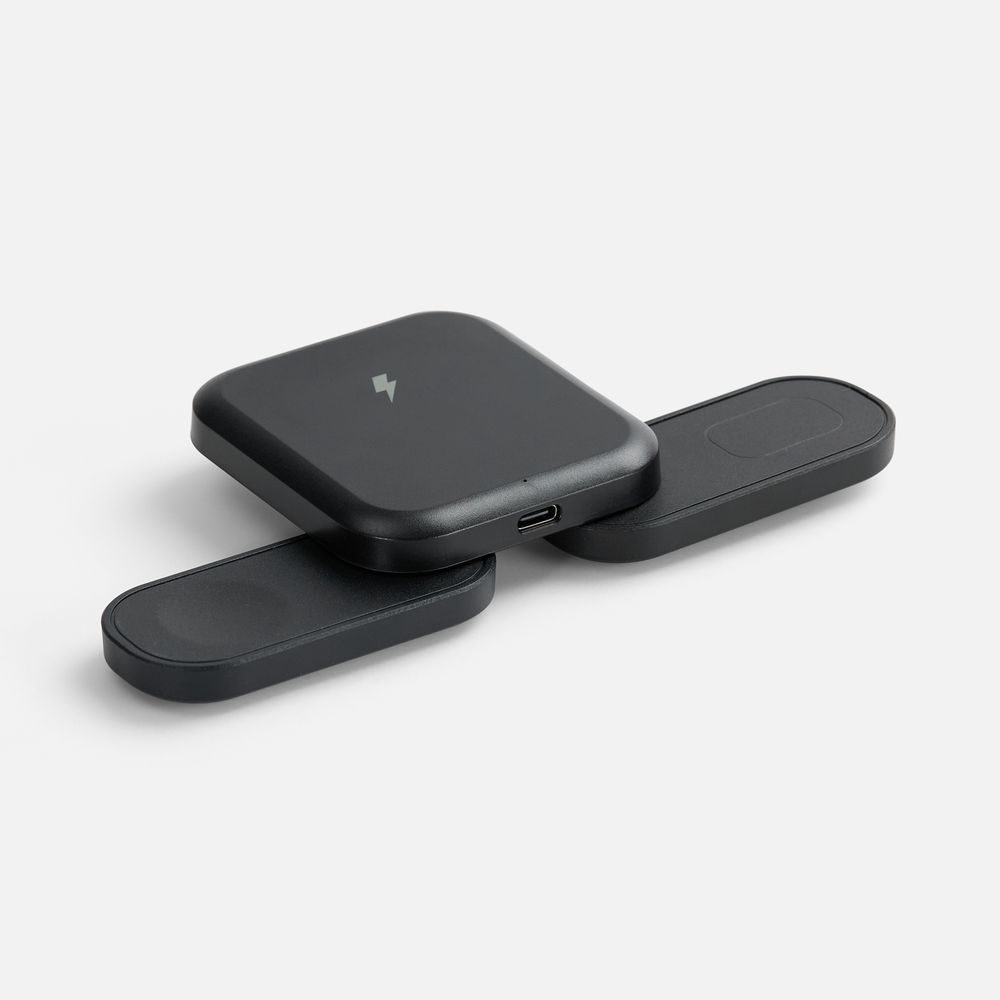
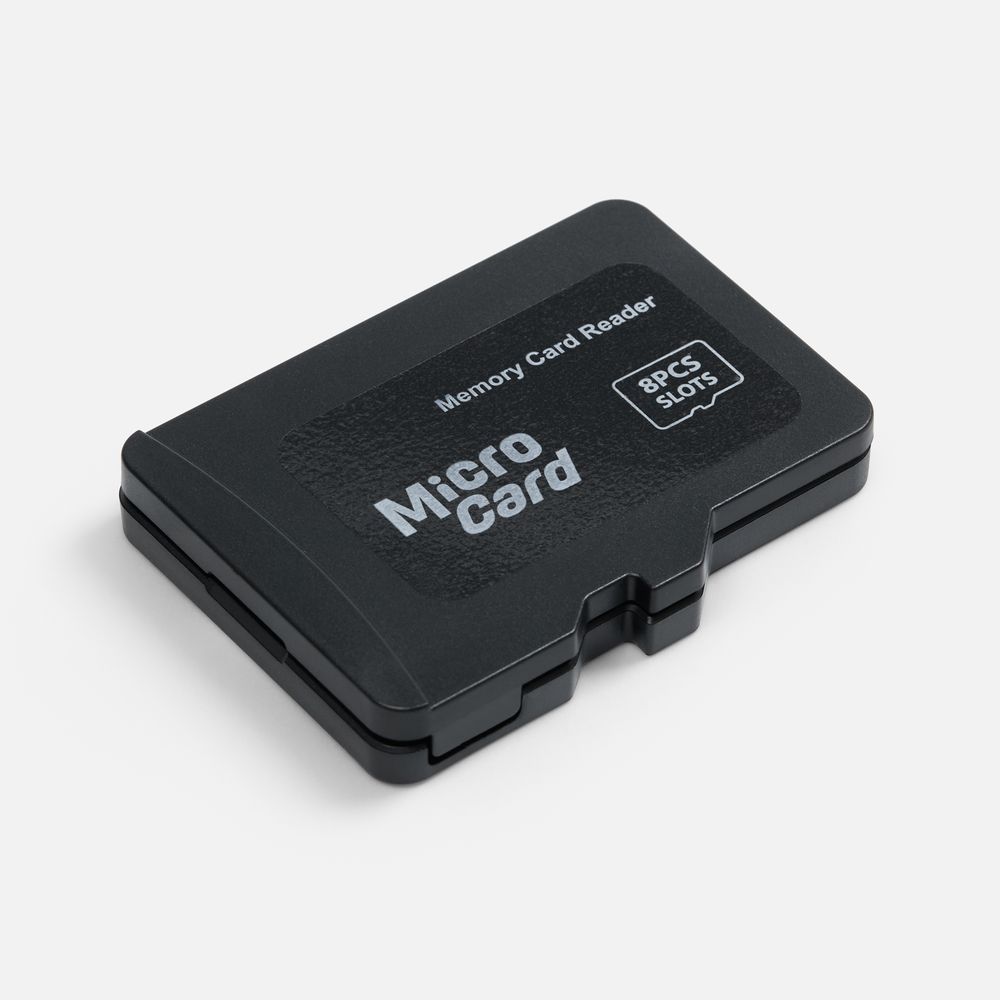
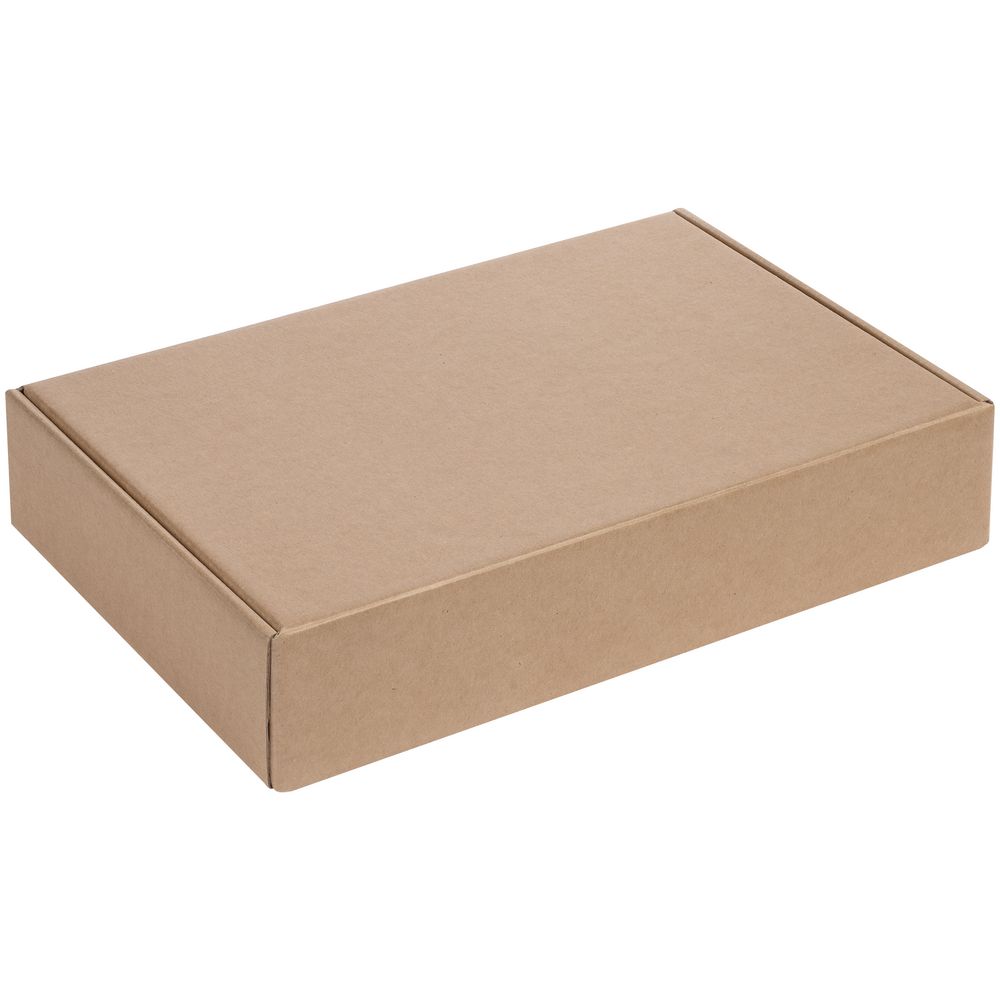
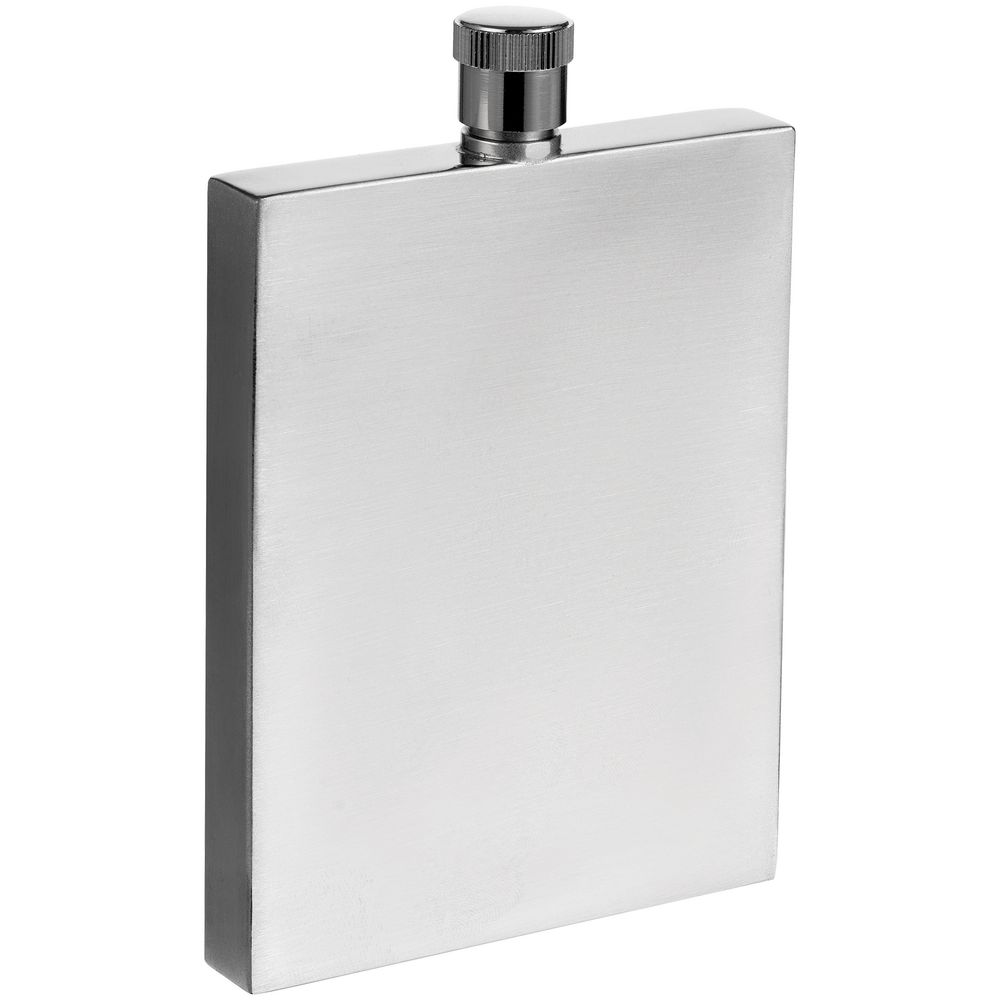
The cards link to the current catalog. Availability, color, and branding compatibility are checked for the selected option and order quantity.
Frequently asked questions
Where should this type of project begin?
Define the outcome: turn the product's core idea into a sequential unboxing experience— and only then move on to products, technology, and budget.
Is a physical sample needed?
Yes, if the result is affected by the material, color, fit, construction, or manual assembly. The sample should specifically test the risk: a box of unrelated items does not explain the news and creates unnecessary visual noise.
How do you compare two proposals?
Compare the same specifications: material, model, branding method, packaging, spare quantities, and inspection. The main metric here is the share of target publications, accuracy of the key message, and condition after delivery.
What must be kept after the production run?
Final artwork, photos of the approved reference sample, product codes and colors, branding coordinates, personalization parameters, inspection notes, and remaining packaging.
Related reading
Discuss your project
We will develop a solution for your task, deadline, and order quantity
Send the project details, logo, and date. We will suggest products, explain the limitations, and establish the sample criteria.
Get a selection of ideas