Apparel and accessories
Custom Branded Tote Bags: fabric, size, and durable printing
We explain how to put together a solution for the audience “employees, customers, and event attendees” and the use case “everyday use,” while accounting in advance for the project's main constraint: choose the fabric weight and print placement. We show the contents, branding options, packaging, order costing, and sample checks before production. The main topic is “custom Branded Tote Bags.”
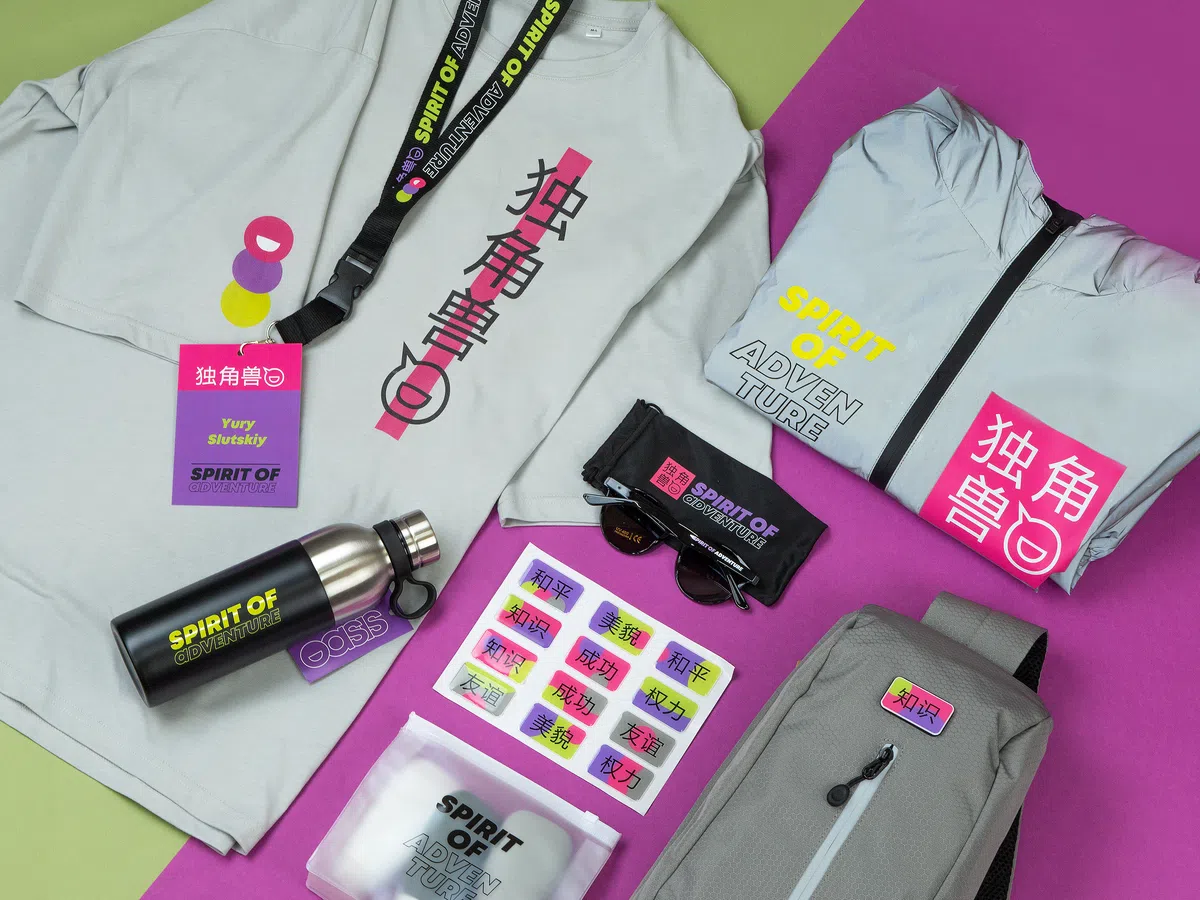
Custom Branded Tote Bags: purpose and recipient
When a company needs to put together “custom Branded Tote Bags,” the first step is to define the task for the audience “employees, customers, and event attendees.” In the “custom Branded Tote Bags” project, first define when the item will be used, how it will be handed over, and the action it should support after receipt.
For the use case “everyday use,” assess the material and construction, everyday convenience, a suitable branding area, and the model's consistency for repeat orders. For the use case “everyday use,” this selection becomes precise: every item supports a real situation rather than simply filling the box.
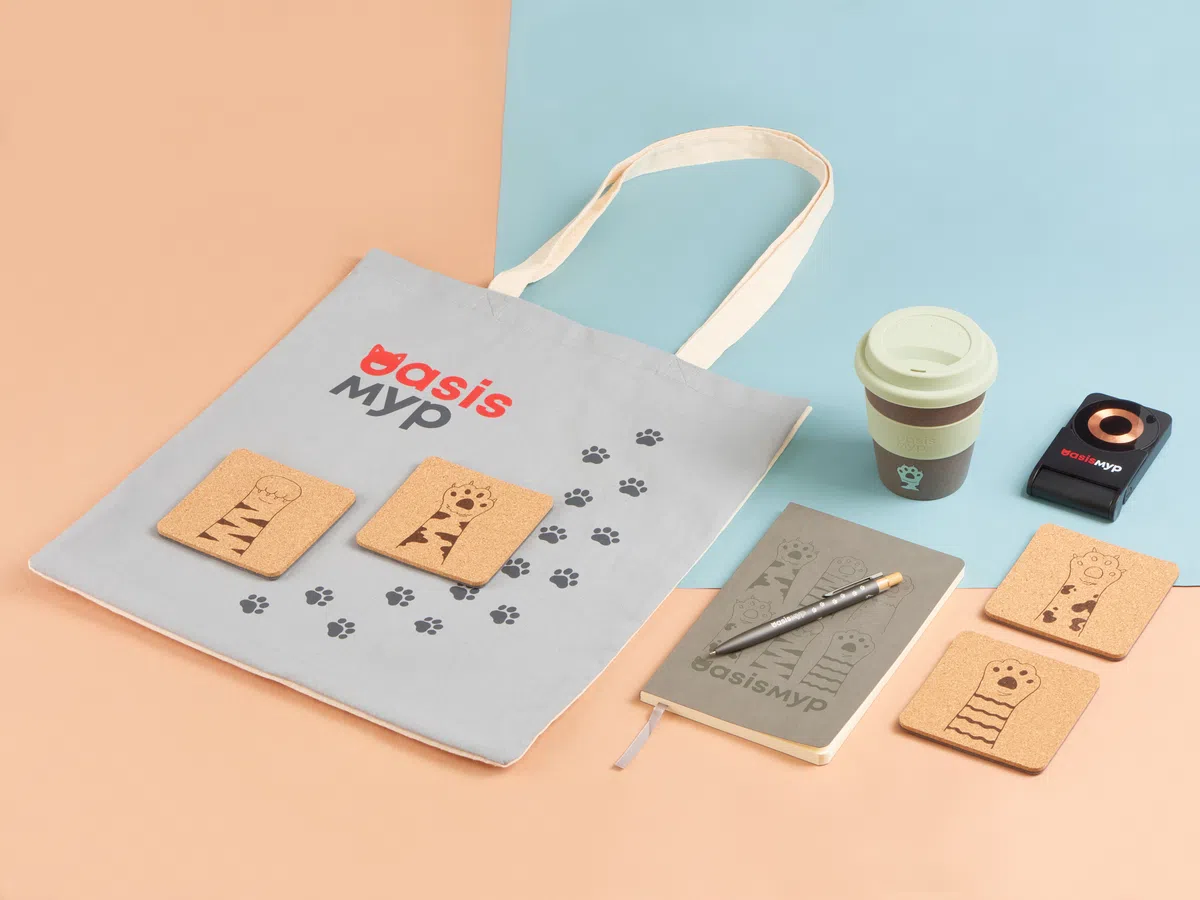
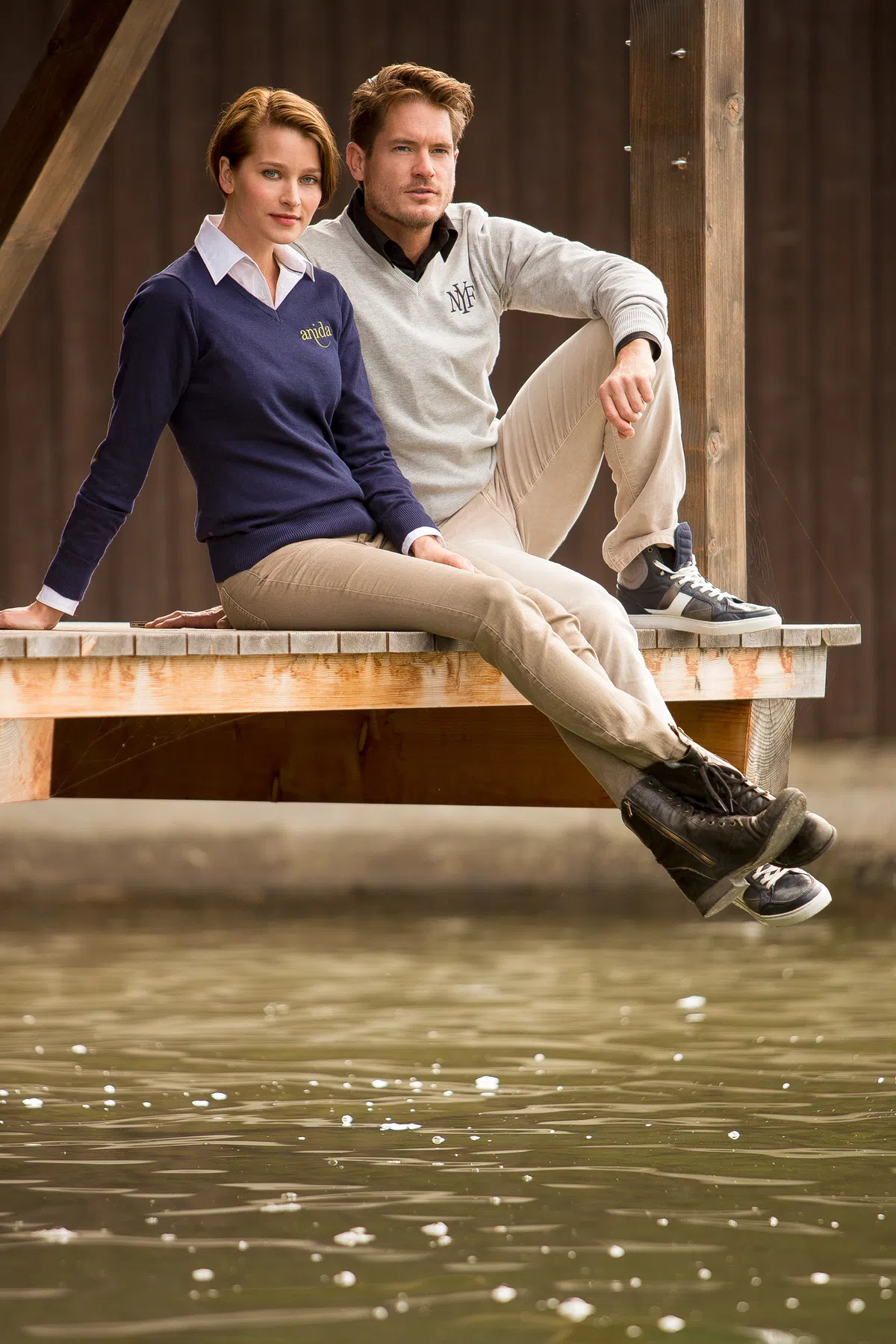
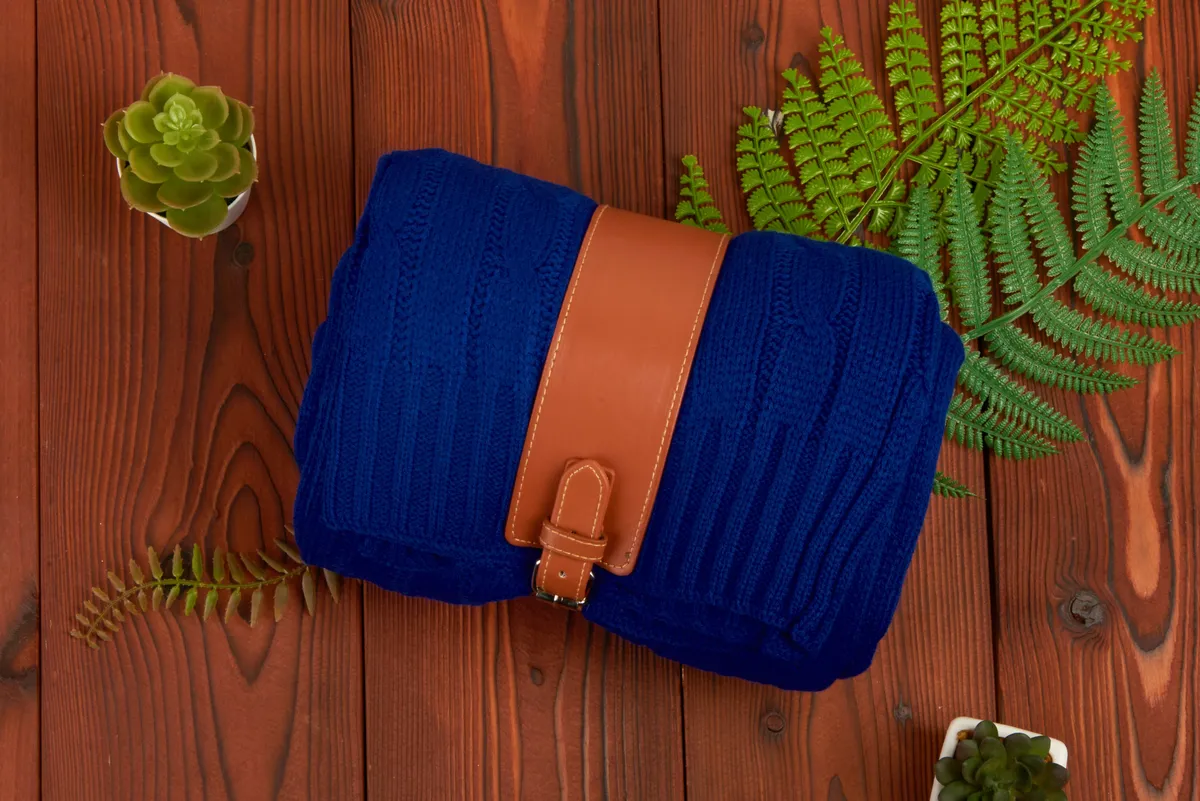
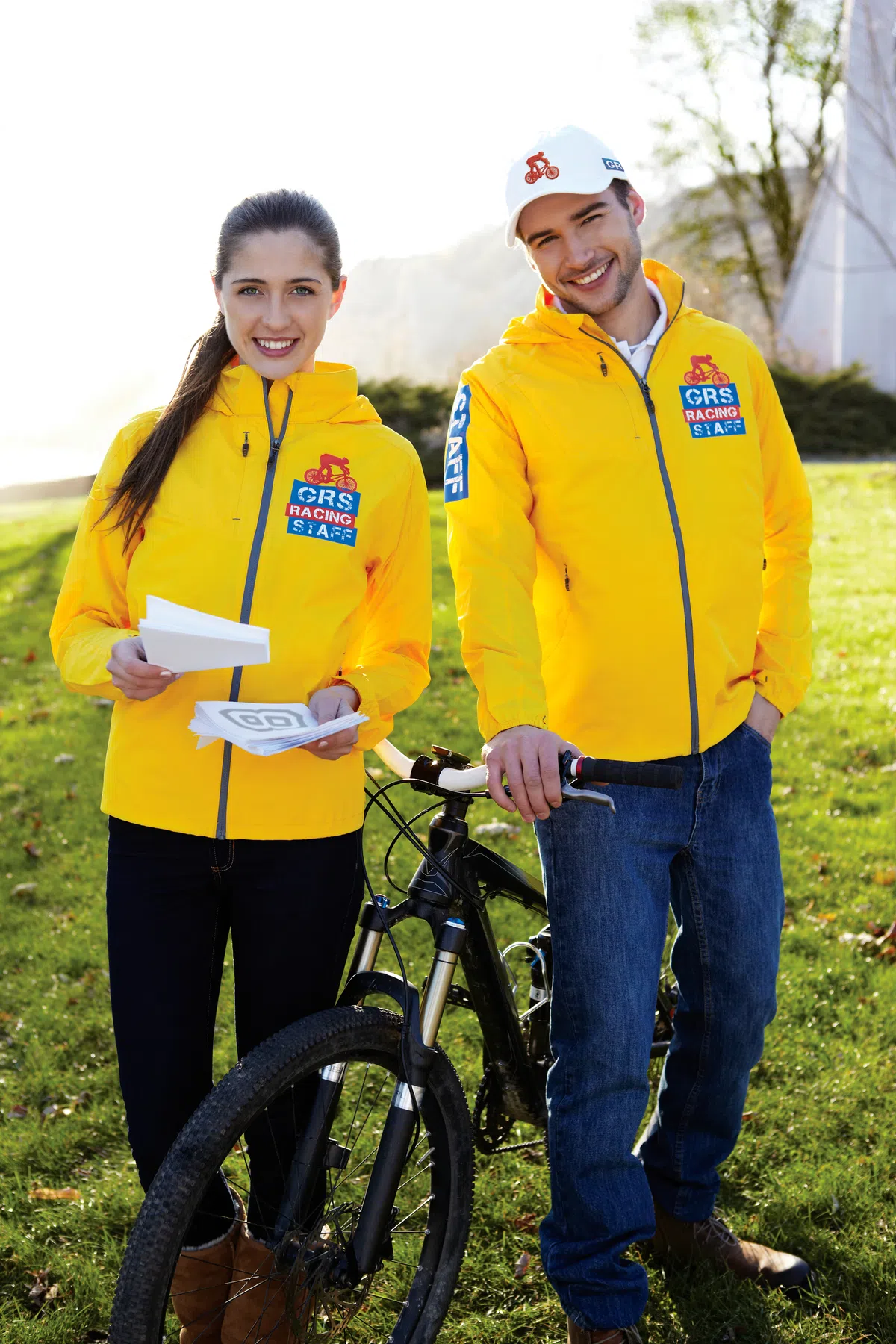
Solution Components: Tote Bag, Inner Pocket, Label, and Print
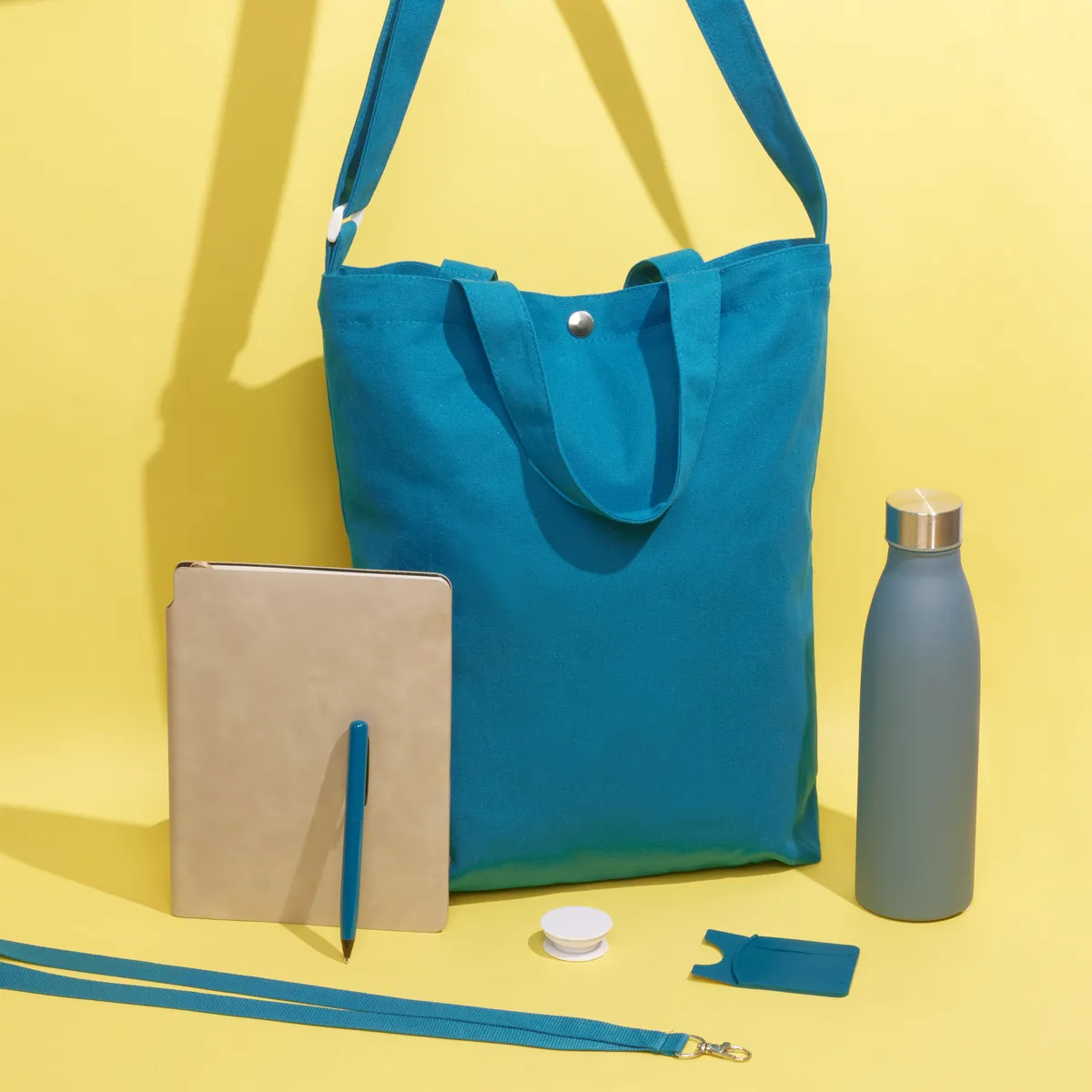
The basic components are a tote bag, inner pocket, label, and print. The tote bag provides the core value, the inner pocket supports everyday use, and the remaining elements help express the idea or neatly complete the set. Each item should be understandable without explanations from the manager.
Before selecting product codes, specify the order quantity, date, geography, budget range, and acceptable substitutions. Record the constraint as a separate item: choose the fabric weight and print placement. For the topic “custom Branded Tote Bags,” this makes it possible to compare options with the same function, rather than proposals containing different numbers of items.
- Material and construction: how will this show up in actual use?
- Convenience of daily use: does the solution suit the entire audience?
- Suitable branding area: what needs to be checked before production?
- Model consistency on repeat orders: can the order be repeated a few months later?

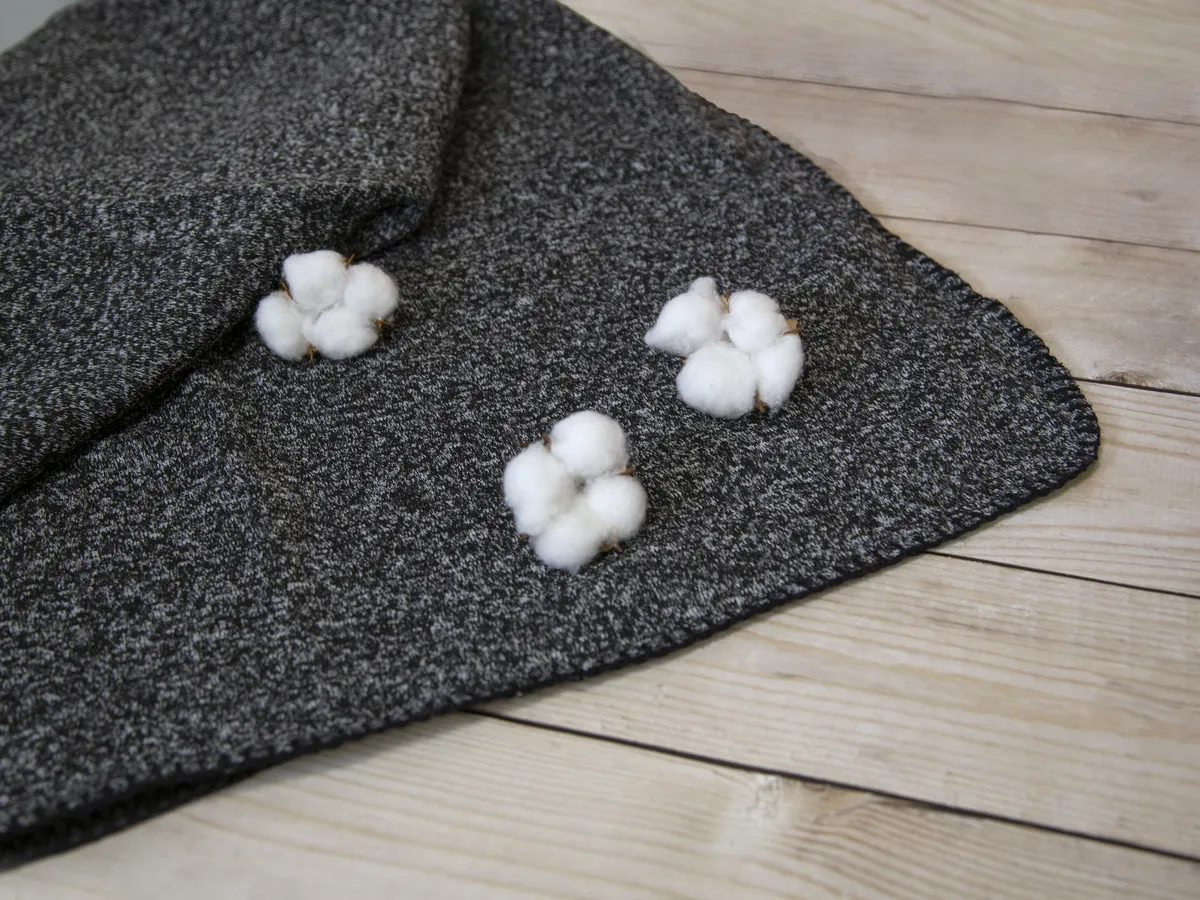
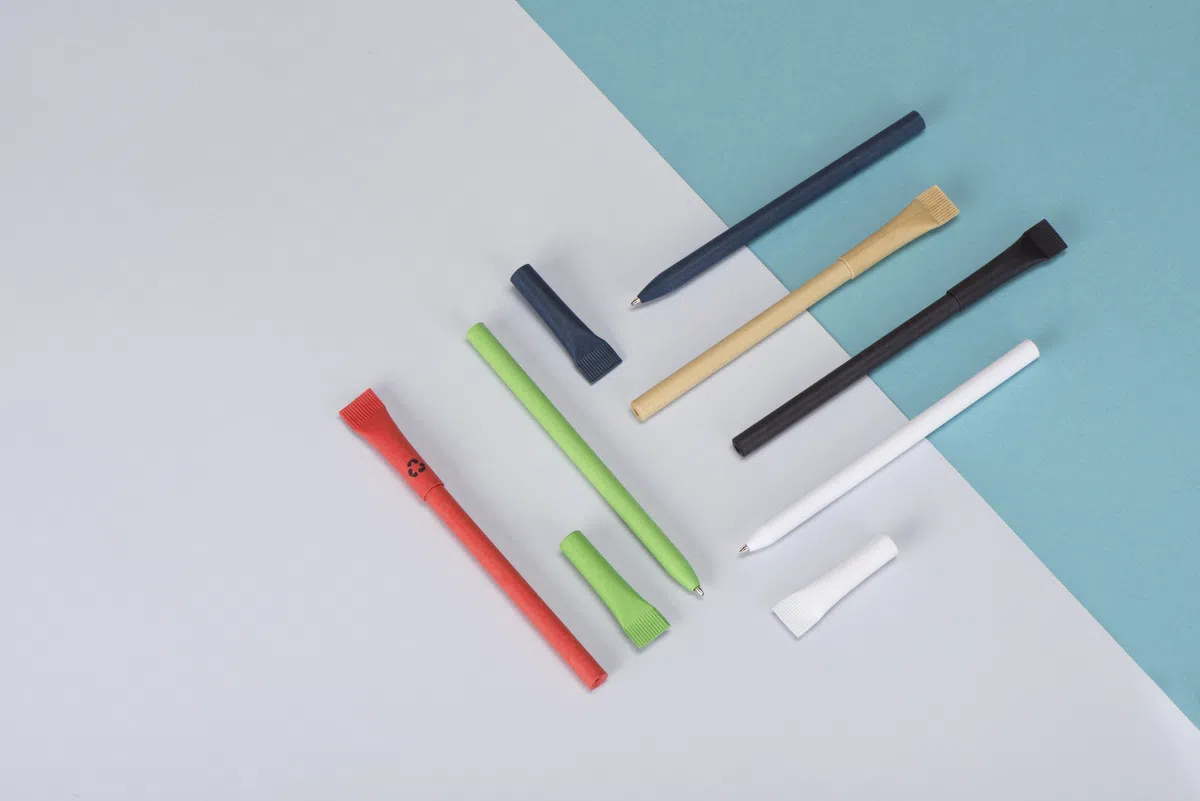
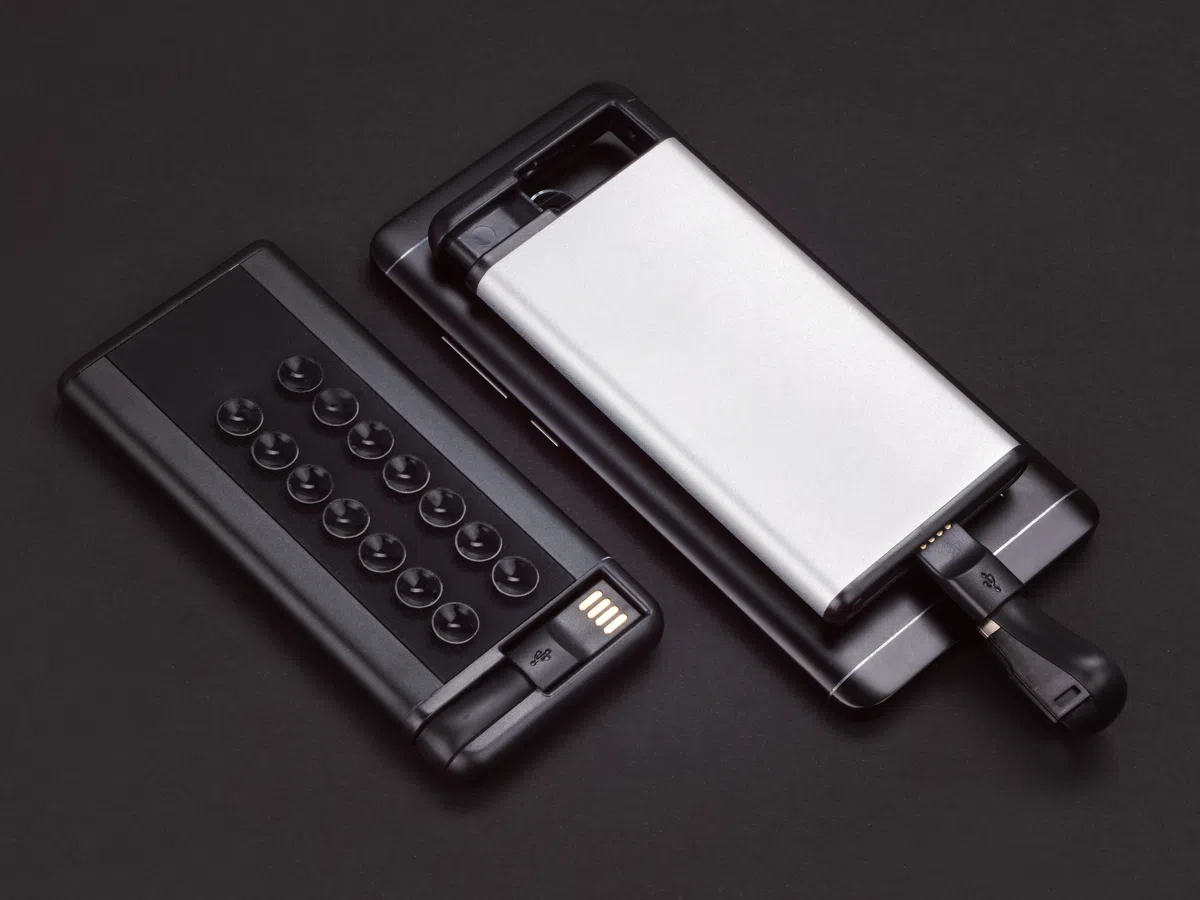
How to connect the items for the use case “everyday use”
In the use case “everyday use,” the items are connected by a shared logic rather than identical logos. In the “custom Branded Tote Bags” solution, one item can be the centerpiece, the second practical, the third emotional, and the fourth part of the packaging. For the audience “employees, customers, and event attendees,” this hierarchy makes the set more understated and useful.
Build the color system around a neutral base, a brand accent, and a recurring graphic approach. If the tote bag, inner pocket, and label have different textures, unify them through logo scale, the rhythm of the labels, a shared inscription, or a consistent unboxing approach.
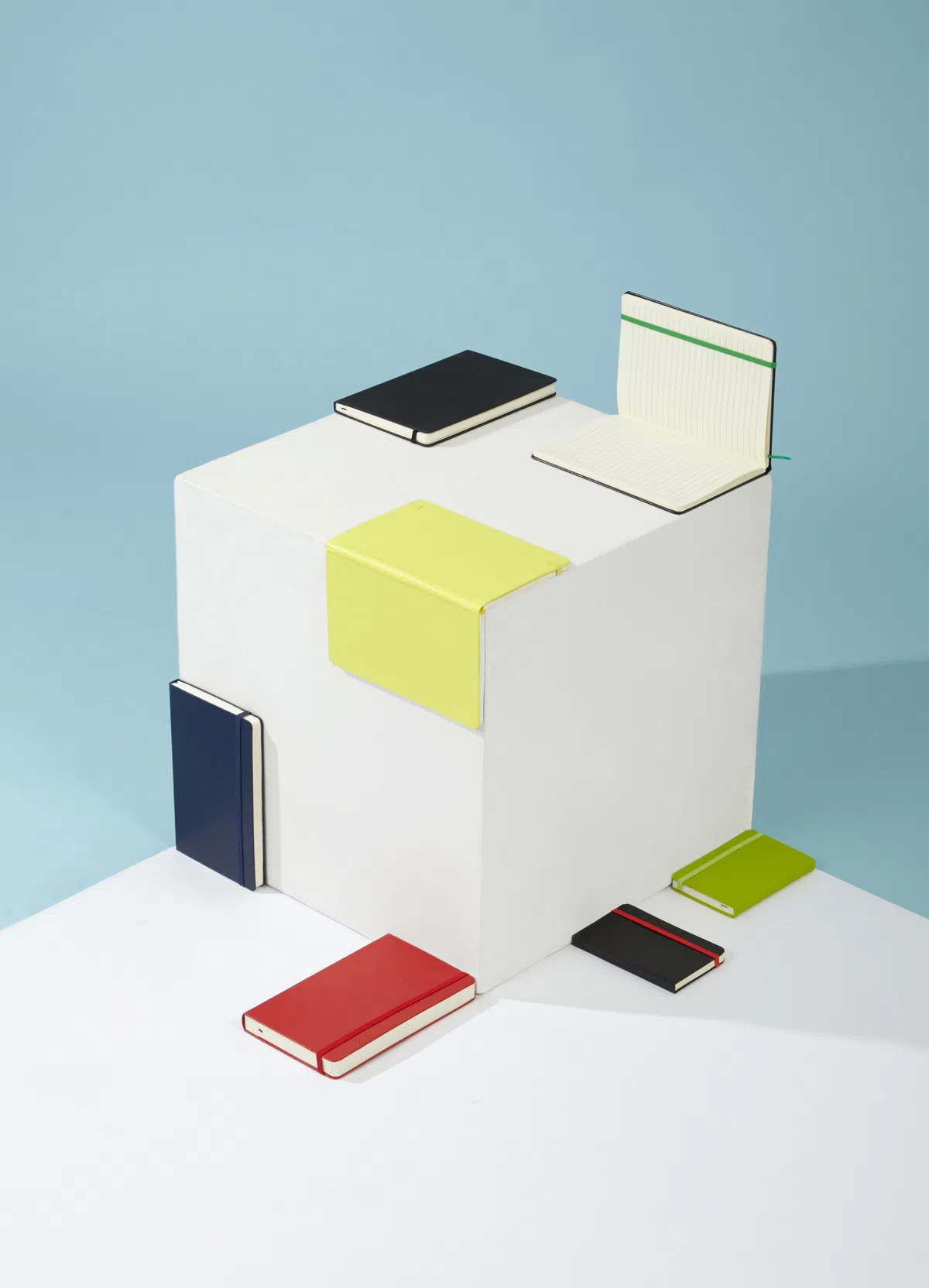
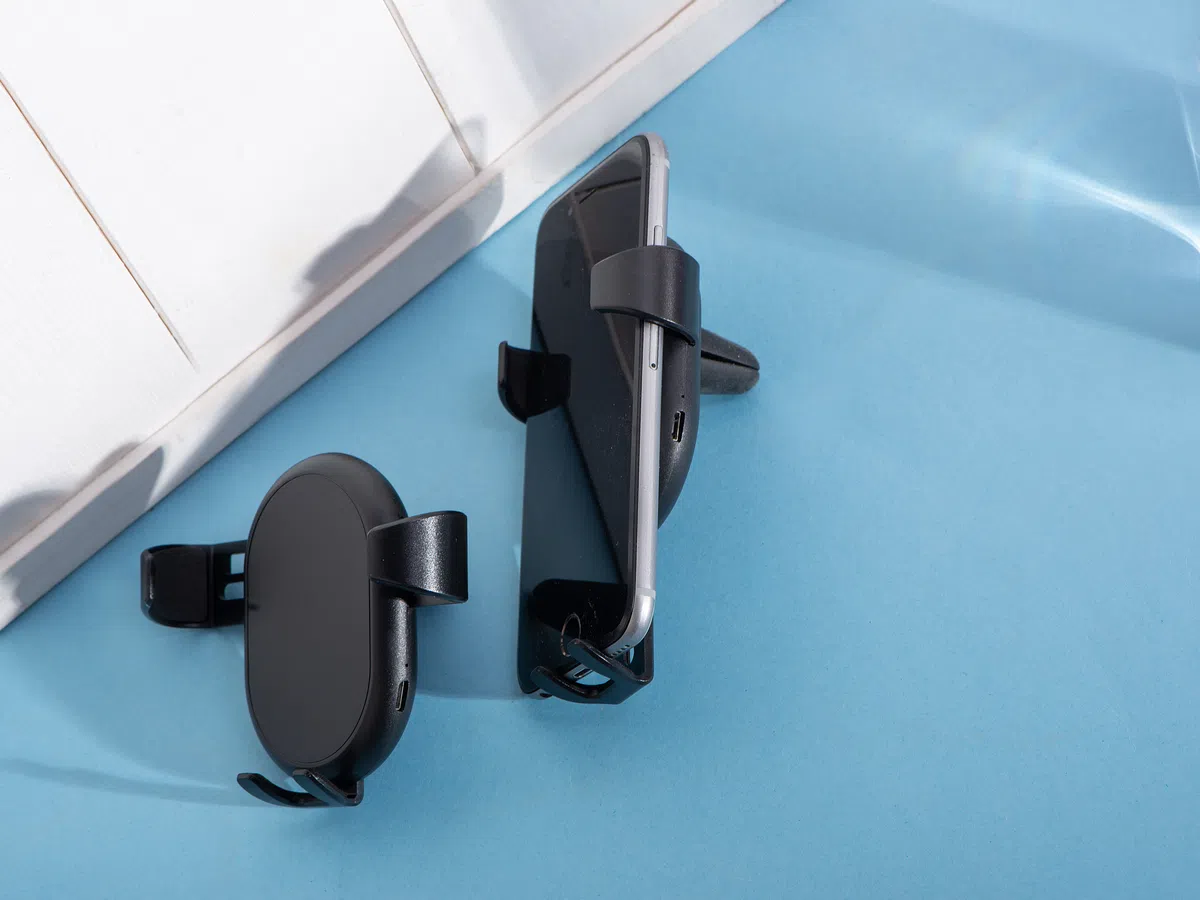
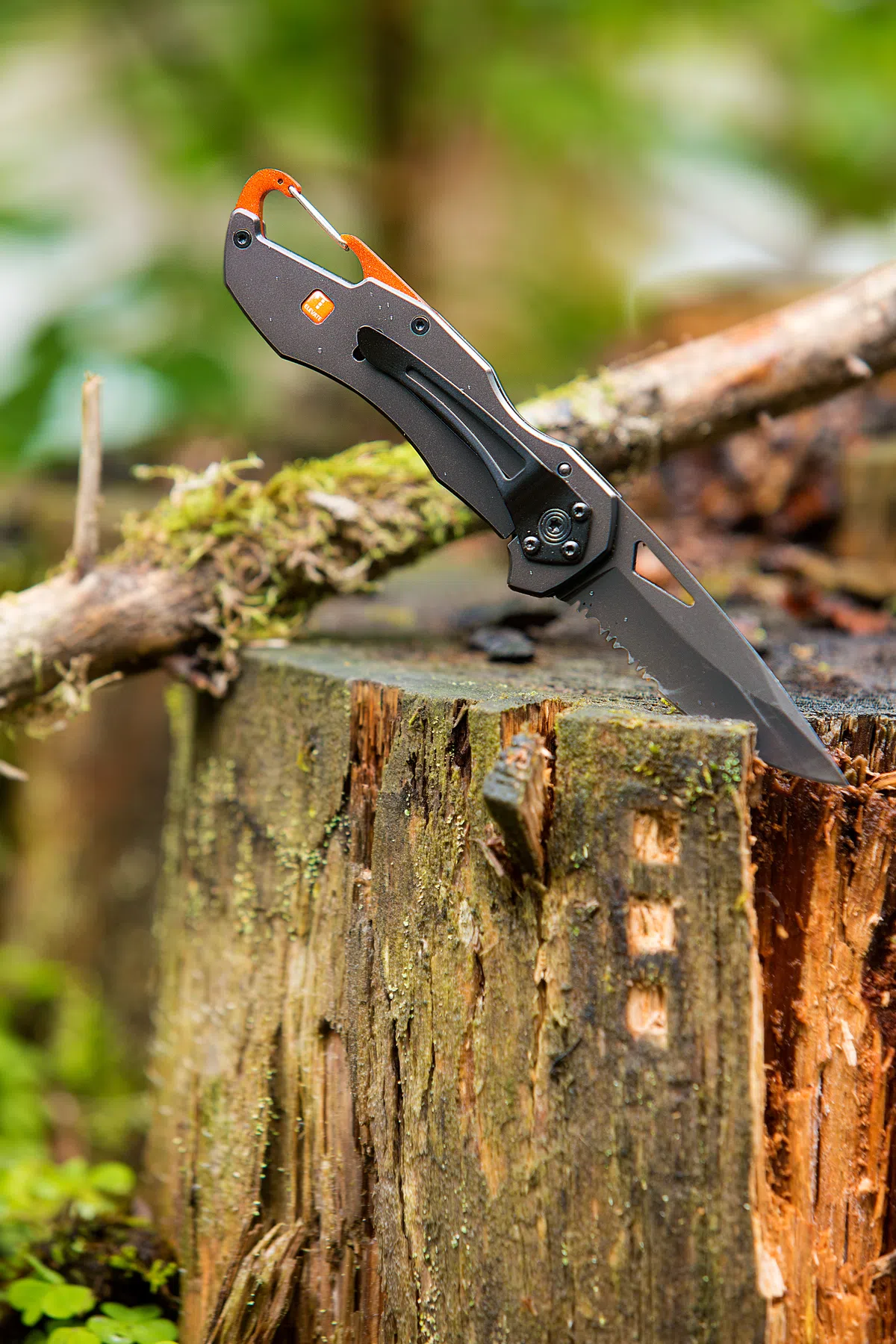
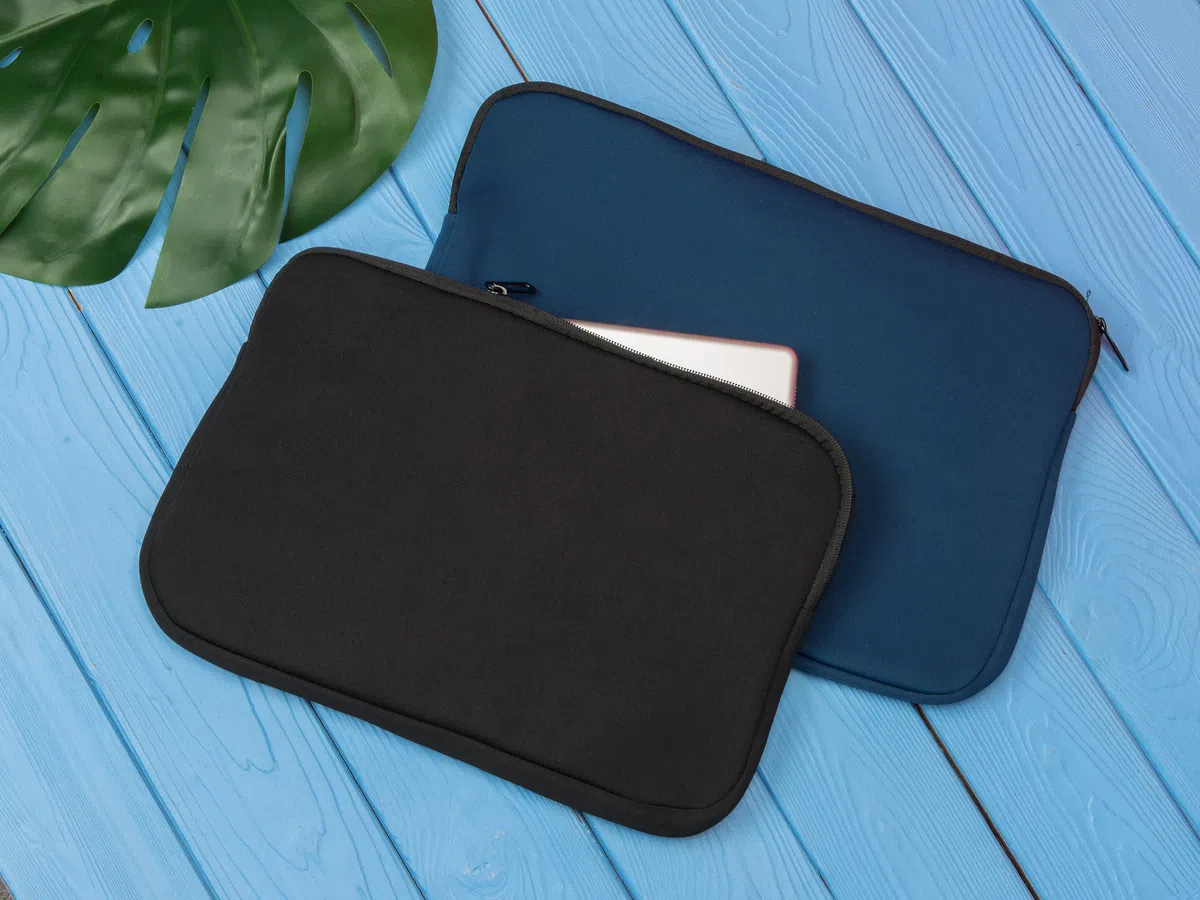
Logo and your design: tote bag, inner pocket, label
The same technique does not have to be repeated across the “tote bag, inner pocket, label” items. For the “custom Branded Tote Bags” project, choose the technique after the item: engraving highlights metal, embroidery works on dense textiles, and UV and pad printing suit different hard surfaces. For the request “custom Branded Tote Bags,” show the artwork on the specific color and at the actual size of the branding area.
Keep the main mark on one or two items. In the “custom Branded Tote Bags” project, the other items can feature a short phrase, a small symbol, a jacquard element, engraving, or a color accent. Before producing the “custom Branded Tote Bags” run, check contrast, fine details, image edges, feel, and how the surface behaves in normal use.
Corporate order quantity, estimate, and schedule
The estimate separates the items, branding, packaging, personalization, set assembly, and delivery. For the “custom Branded Tote Bags” project, show the reserve and replacement cost separately in case the selected model runs out before the order is confirmed. In the “custom Branded Tote Bags” estimate, the client can see what they are paying for and change the contents without undermining the idea.
Work backward from the handover date to plan the “custom Branded Tote Bags” project: delivery to individual addresses, set assembly, production, approval sample, artwork, and stock reservation. The most important schedule check concerns the condition “choose the fabric weight and print placement,” so dedicated time is allocated to it before production starts.
Sample, packaging, and batch acceptance
Assemble the approval sample exactly as the audience “employees, customers, and event attendees” will receive it. Check the tote bag, inner pocket, label, and print, their arrangement, logo legibility, item protection, and how intuitive the unboxing is. A photograph cannot replace this check without actually opening the box.
Photograph the approved reference, label the product codes and colors, and retain the branding coordinates and assembly layout. During acceptance, open boxes from different parts of the batch. Accept the result if it matches the sample and meets the project's main condition: choose the fabric weight and print placement.
Item selection
Continue in the catalog
Open the relevant section, add products to the project cart, and send the selection to the manager. We confirm availability, color, and branding method for the selected order quantity.
Key points at a glance
Frequently asked questions
What does the solution for the request “custom Branded Tote Bags” include?
The working foundation is a tote bag, inner pocket, label, and print. Adjust the contents to daily use, the budget, and the handover method, while keeping one clear role for each item.
Can the contents be changed while keeping the same visual idea?
Yes. First define each element's role, then choose a replacement with an equivalent function and quality level. The project's main check is— choose the fabric weight and print placement.
How can you add a logo without overloading the items?
One item carries the main mark, while the others support it through color, small graphics, a label, or packaging. Confirm the technique on the material of the specific model.
What order quantity is needed for costing?
Specify the base quantity, possible reserve, and number of personalized variants for the audience “employees, customers, and event attendees.” The manager will check availability, minimum branding quantities, and set assembly costs.
What should you send the manager for an accurate proposal?
You need the date, order quantity, city or address list, budget range, vector logo, preferences for the contents, and constraints: choose the fabric weight and print placement.
Continue exploring
Related reading
Discuss your project
We will develop a solution for your task, deadline, and order quantity
Send the date, number of recipients, budget range, and logo. We will suggest items, branding options, and a production plan.