HR and events
Starter kit for an intern: useful merchandise without the feel of a cheap giveaway
Exploring “Starter kit for an intern: useful merchandise without the feel of a cheap giveaway”: the role of each item, logo scale, scheduling, set contents, and batch acceptance criteria.
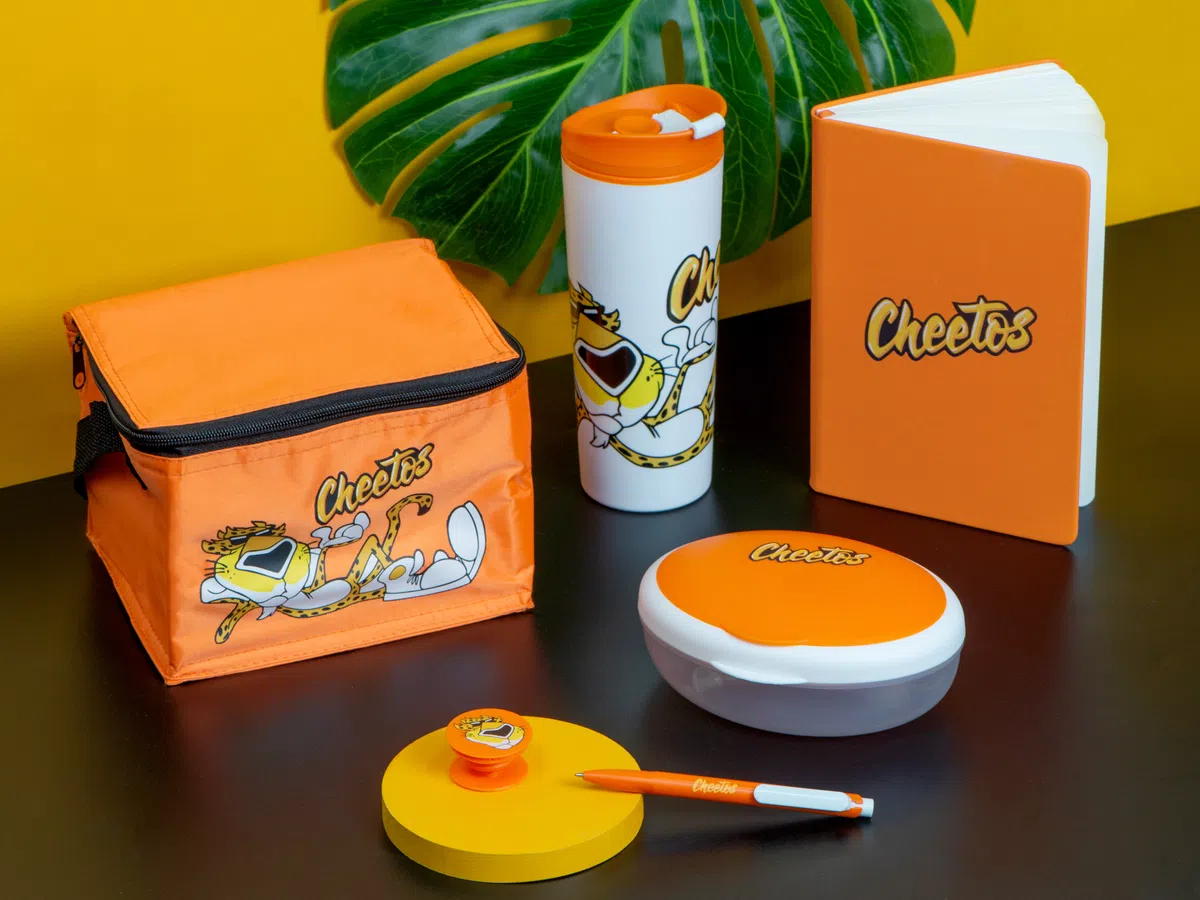
What problem starter kit for an intern solves
A strong solution connects the business task, the audience's habits, and the properties of the selected products. For “starter kit for an intern”, a simple result provides that reference point: the new employee should understand the company culture faster and receive the items they actually need for the first few weeks. In the “starter kit for an intern” project, this reference point helps quickly distinguish useful options from impressive but arbitrary ideas.
First, establish the recipient, place of use, and moment of handover. Next, four properties are checked for the “starter kit for an intern” project: a connection to the first work scenario, clear distribution, availability of sizes and colors, and the ability to replenish stock. This keeps the discussion of “starter kit for an intern” from becoming a matter of one person’s taste and keeps it connected to the brand’s goal.
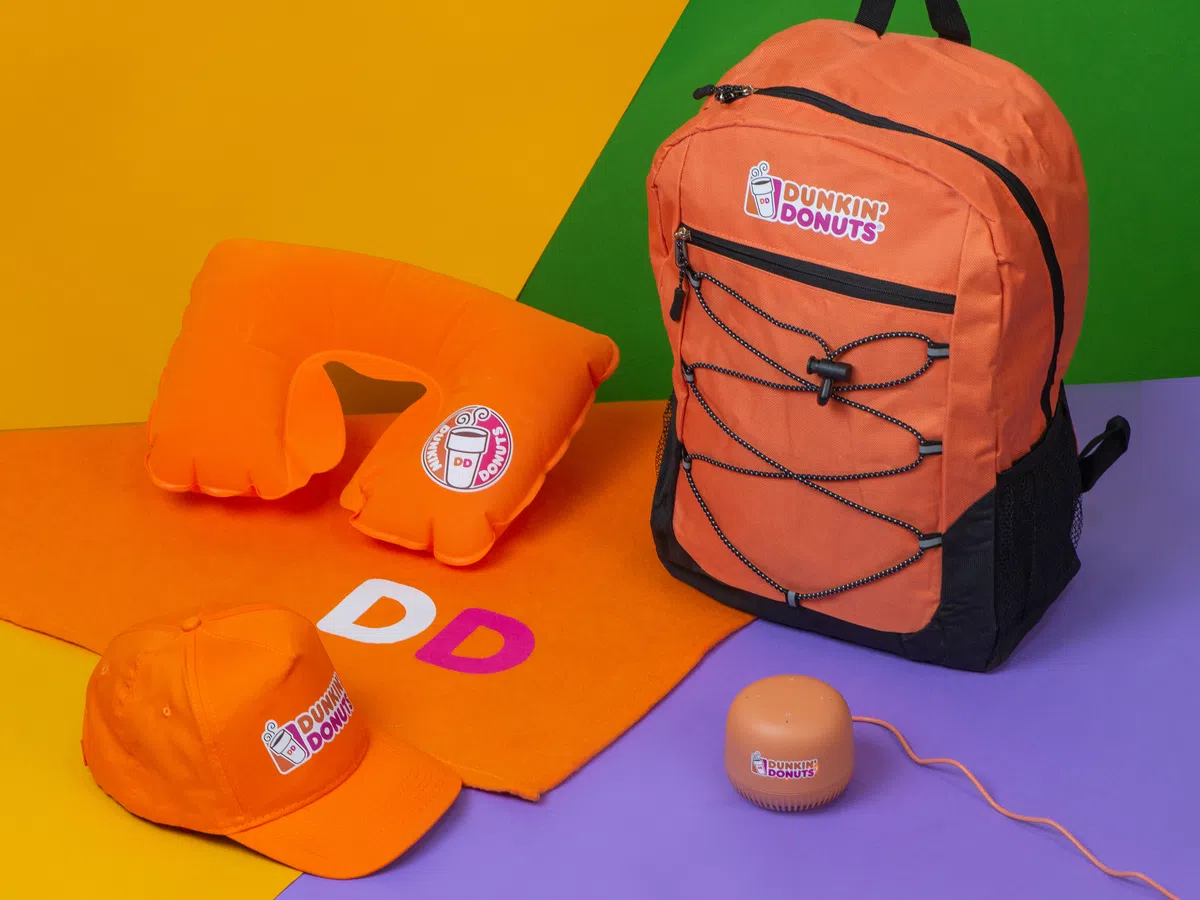
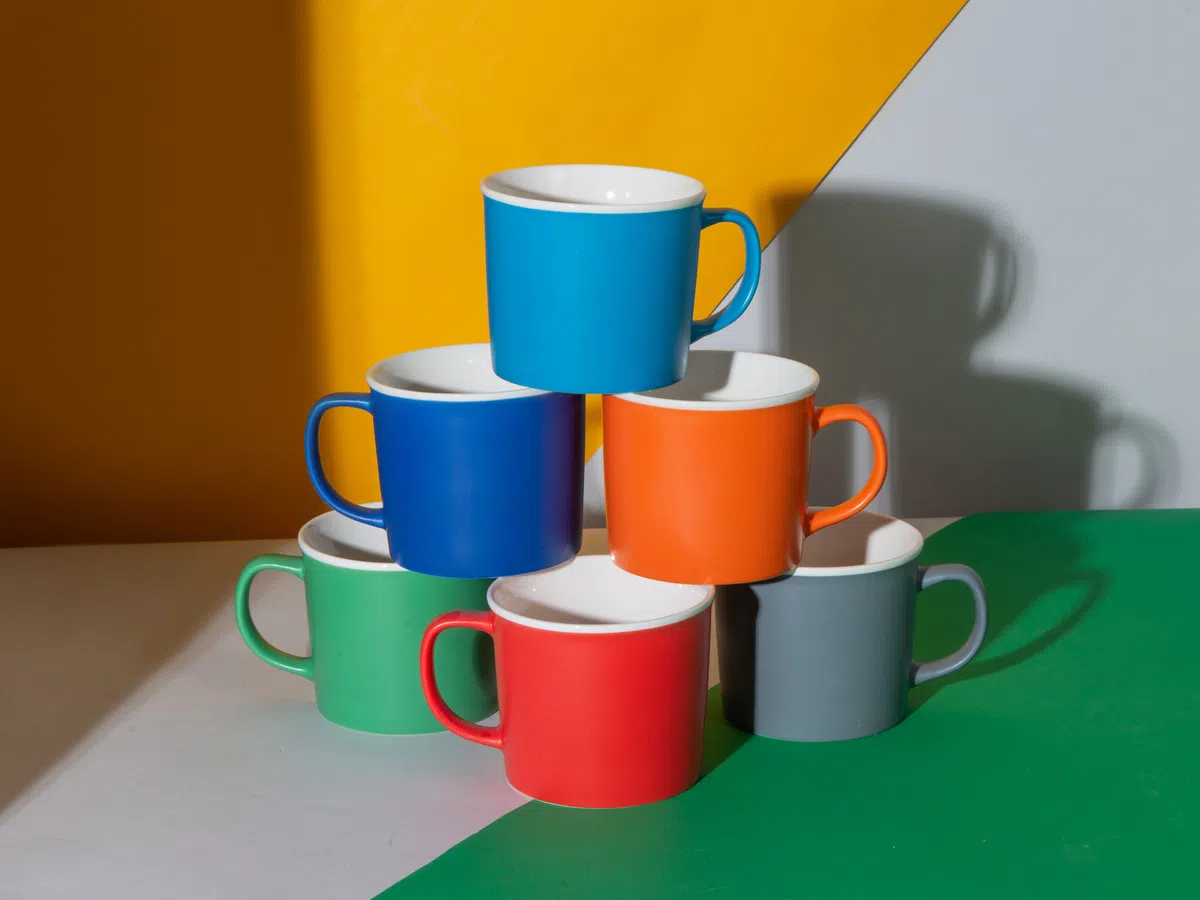
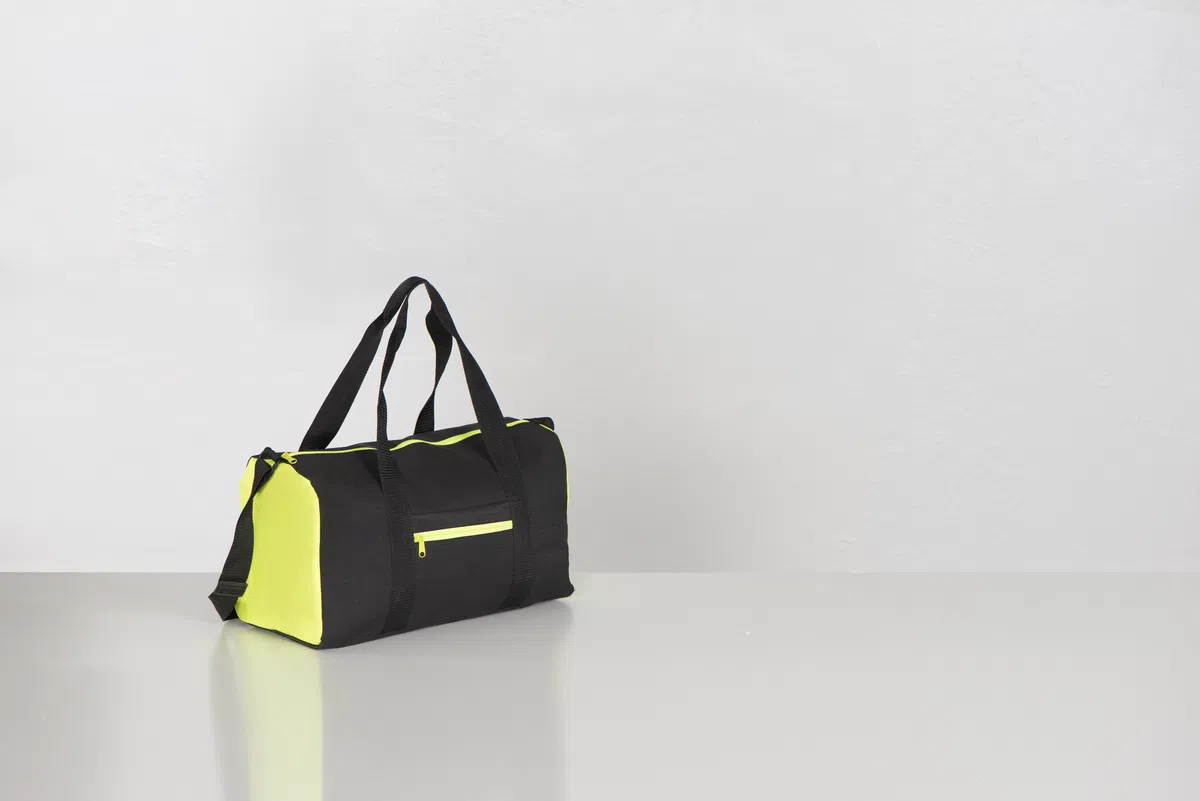
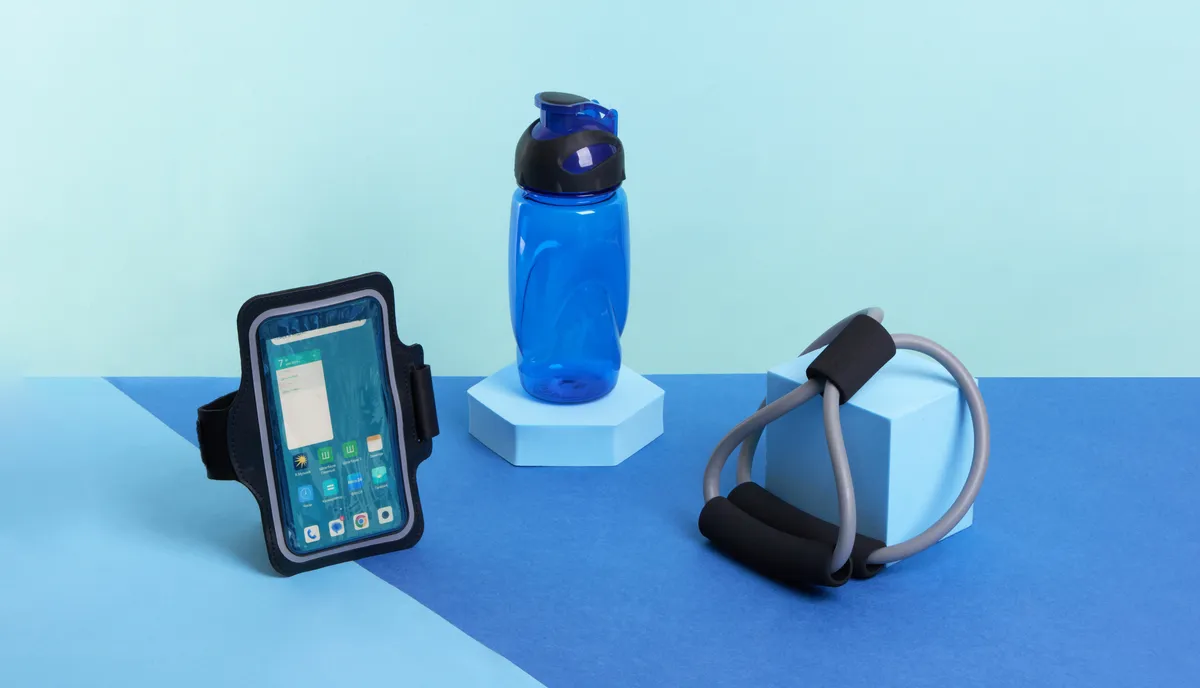
What to include in the brief before choosing items
A good “starter kit for an intern” brief includes the quantity, date, geography, budget range, audience profile, and delivery constraints. The “starter kit for an intern” brief should separately specify which items have been used before and what must definitely be excluded from the new version.
For the “starter kit for an intern” project, the key question is not “what to put in the box” but “what the person should do or feel after receiving it”. When preparing “starter kit for an intern,” it is important not to turn the introduction to the company into a formal handout of souvenirs. The answers reduce the number of substitutions and make it possible to price comparable options.
- Connection to the first work activity: how will this show up in actual use?
- Clear distribution: does the solution suit the entire audience?
- Availability of sizes and colors: what needs to be checked before production?
- Ability to replenish stock: can the order be repeated a few months later?
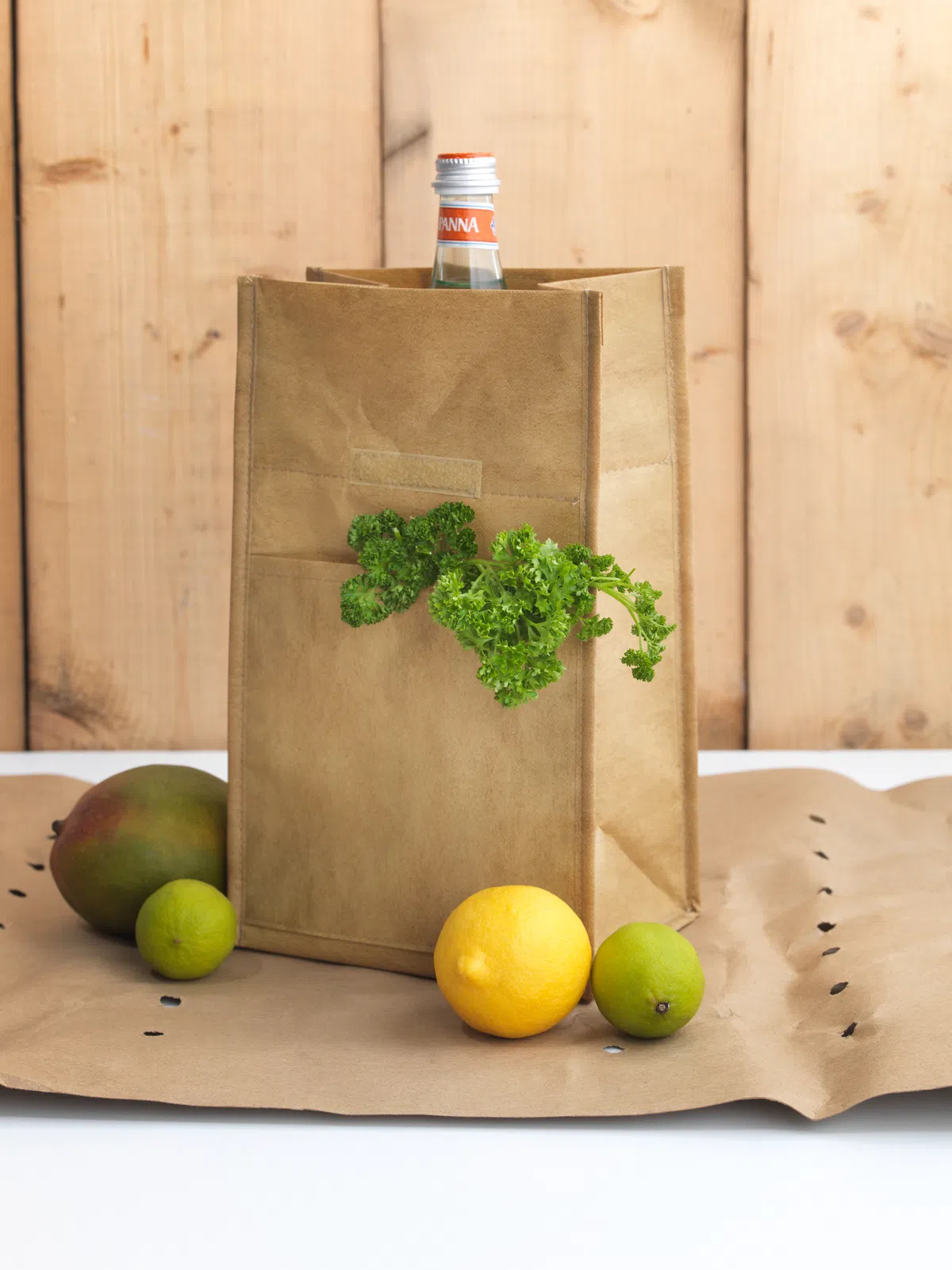
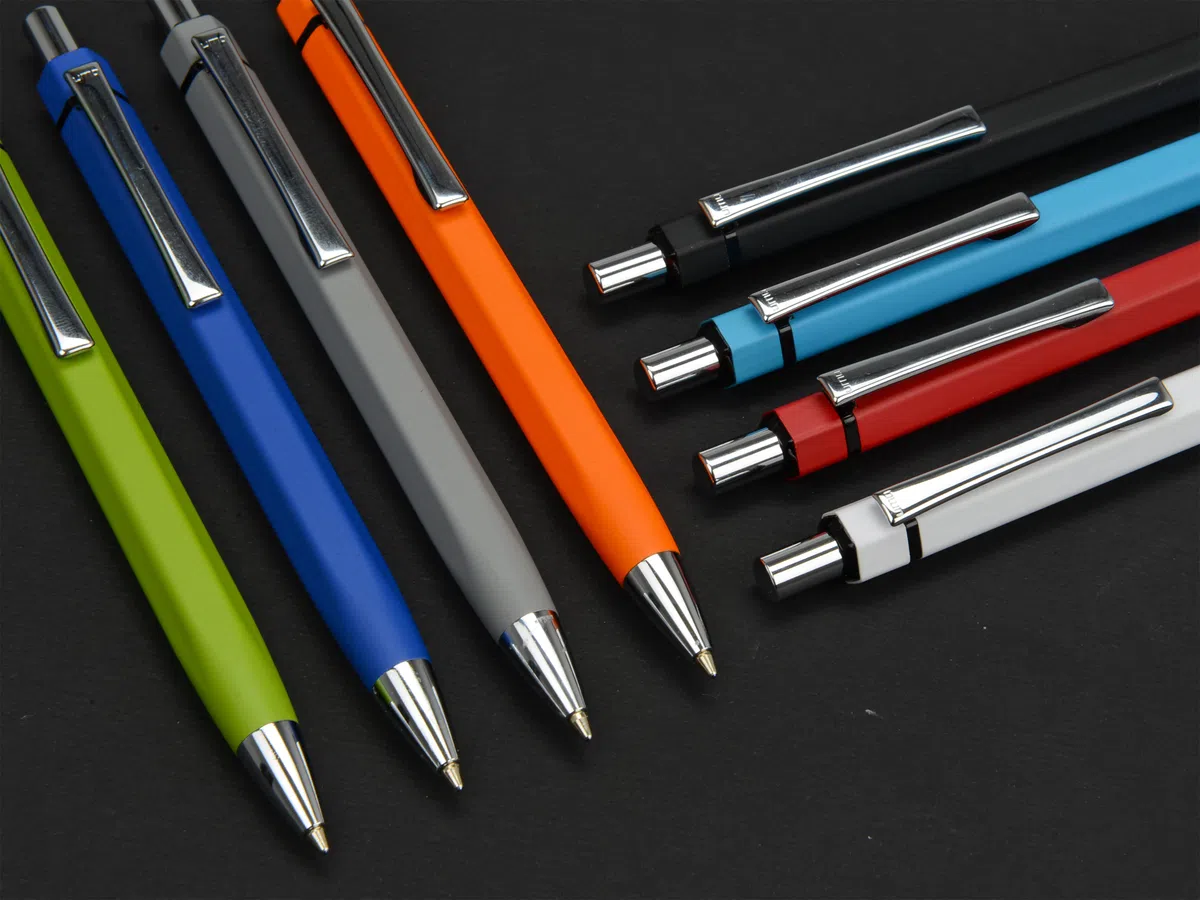
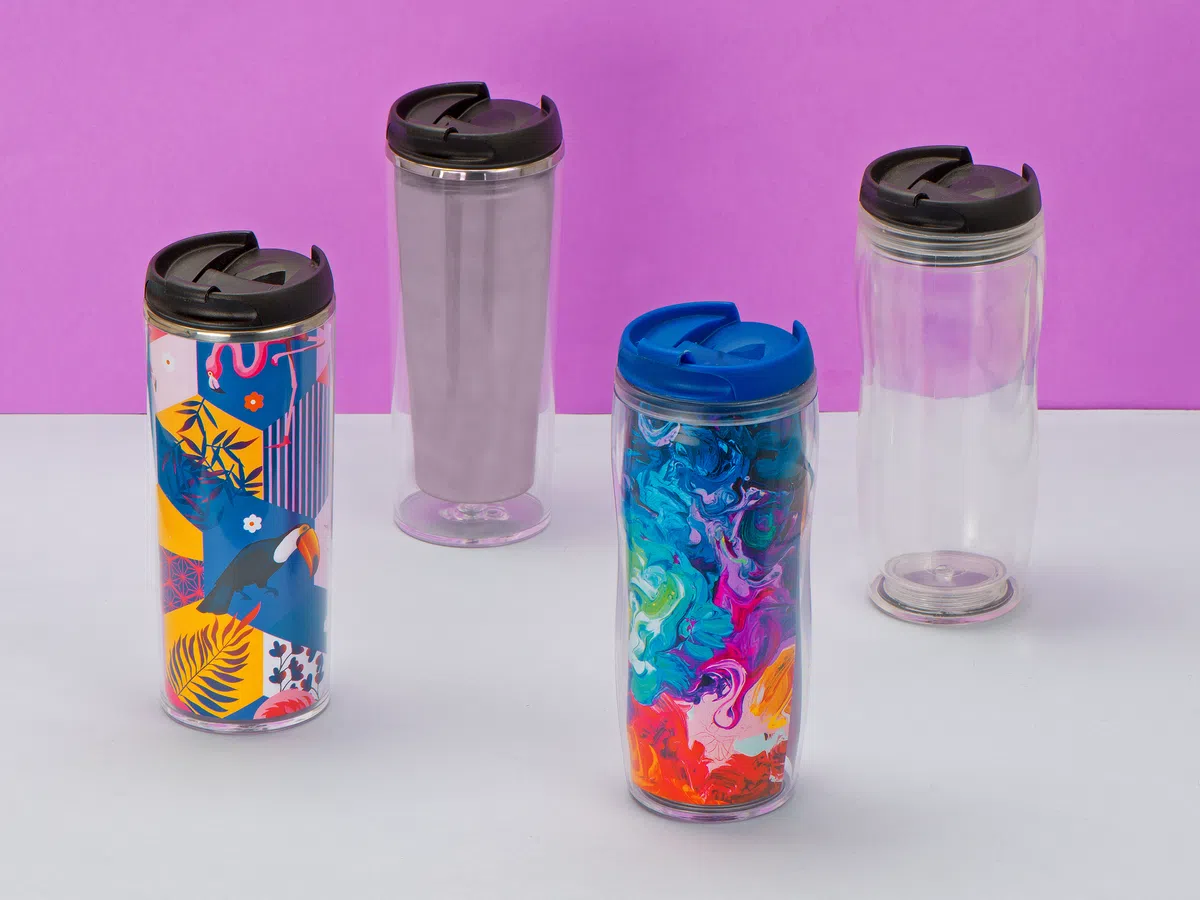
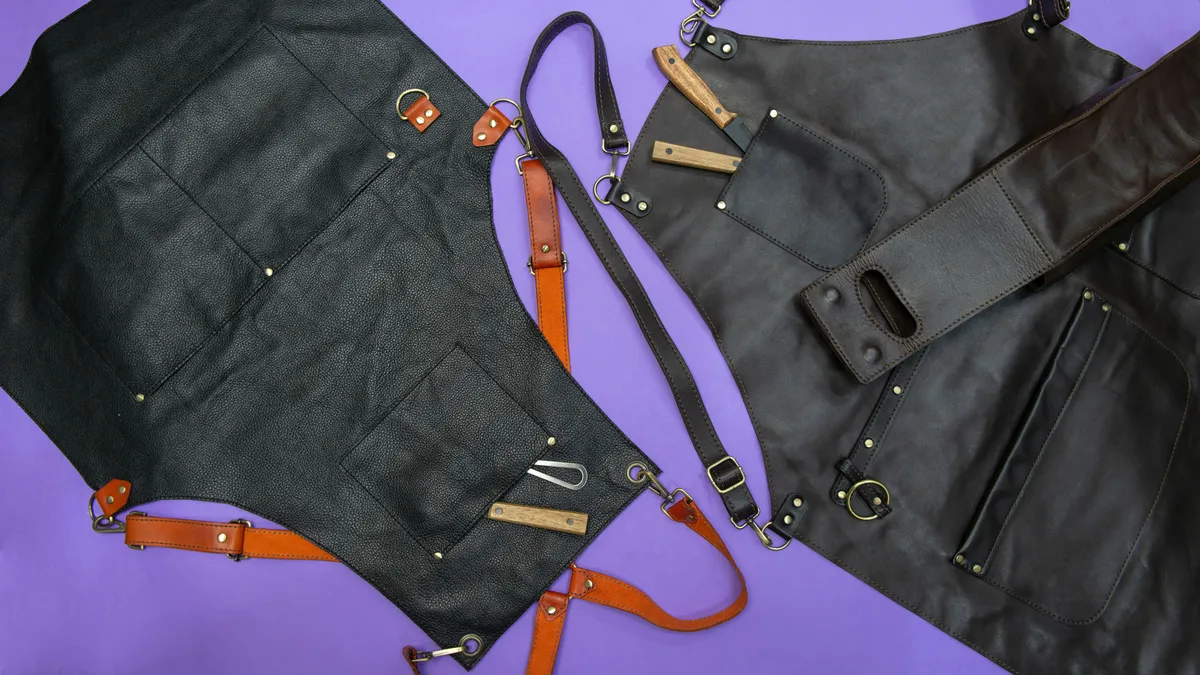
How to bring the items together as one system
The “starter kit for an intern” composition works better when each element has its role: the main item establishes the value, the second supports everyday use, and the packaging connects them visually. The number of items alone does not make a gift more convincing.
Color in the “starter kit for an intern” solution can be arranged in layers: a neutral base, one brand accent, and understated graphics. If the items for the “starter kit for an intern” project use different materials, they are unified through logo scale, a repeating module, identical wording, or a shared packaging principle.
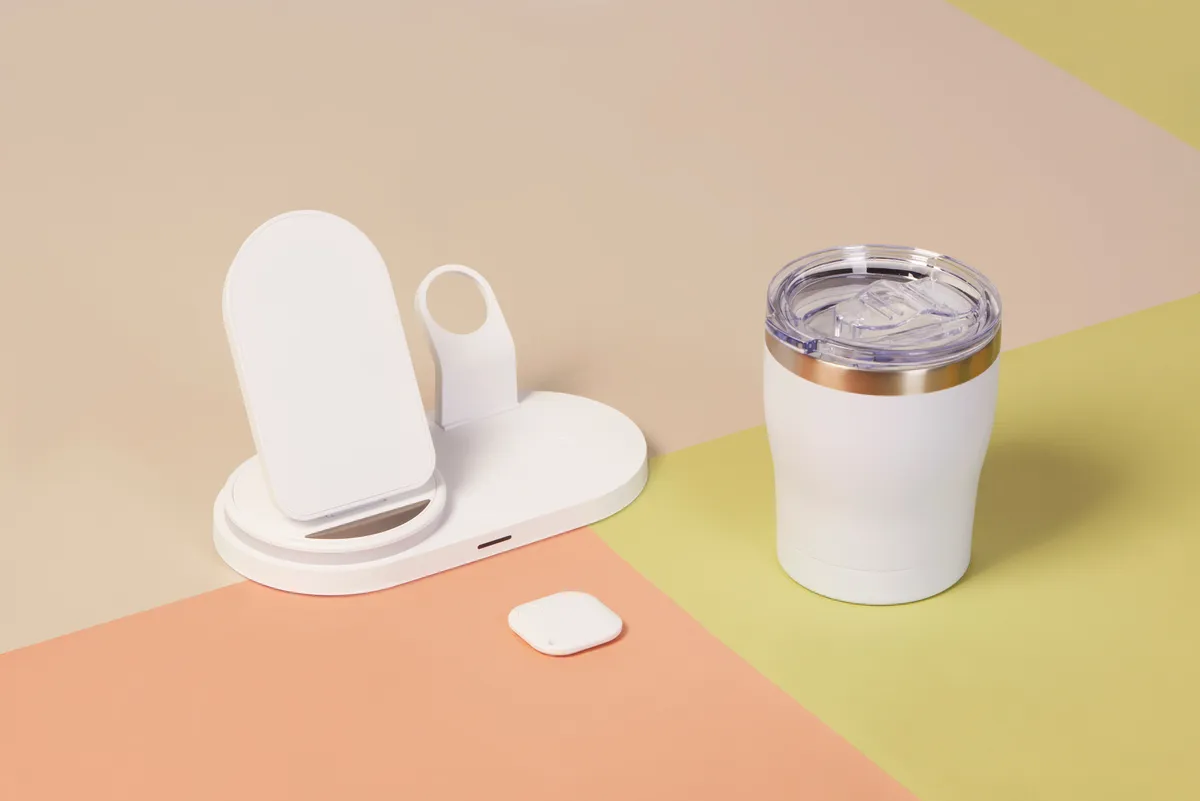
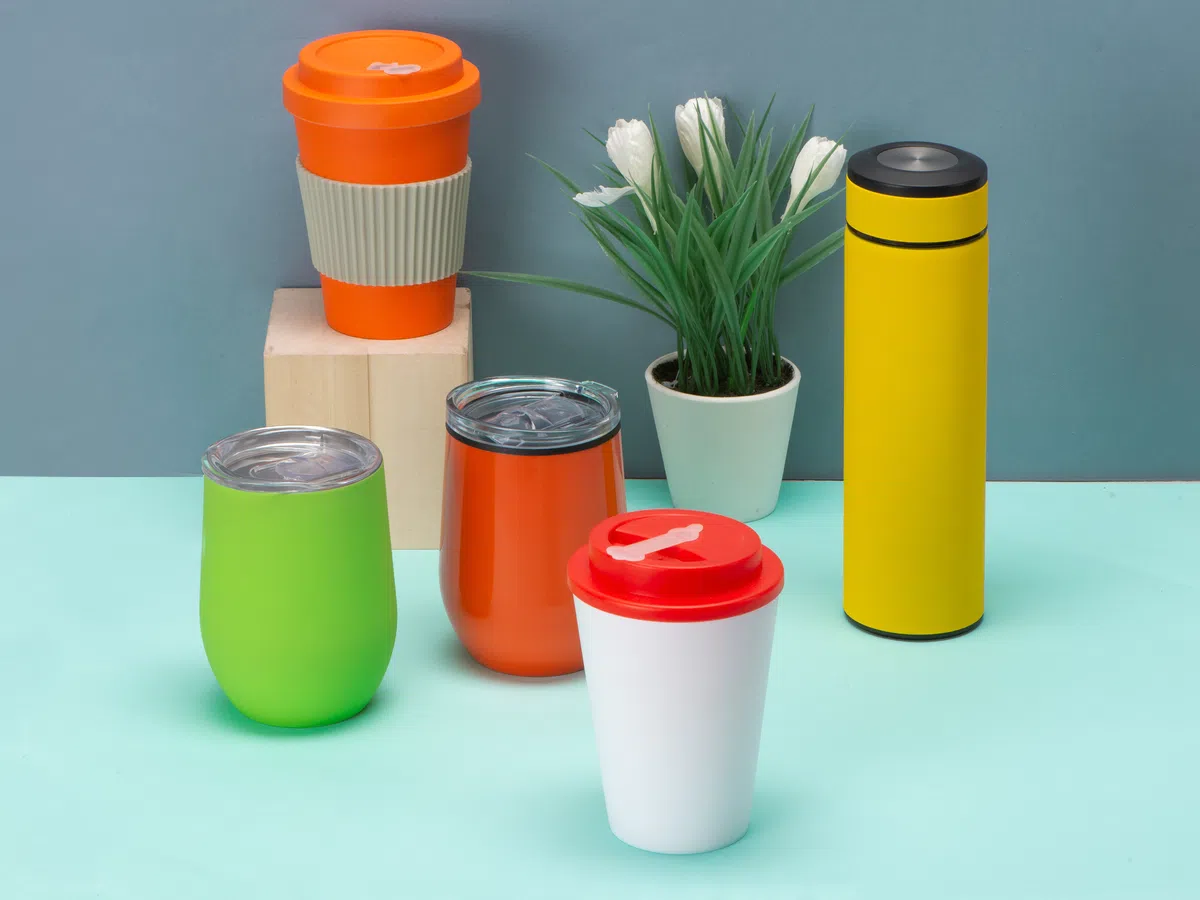
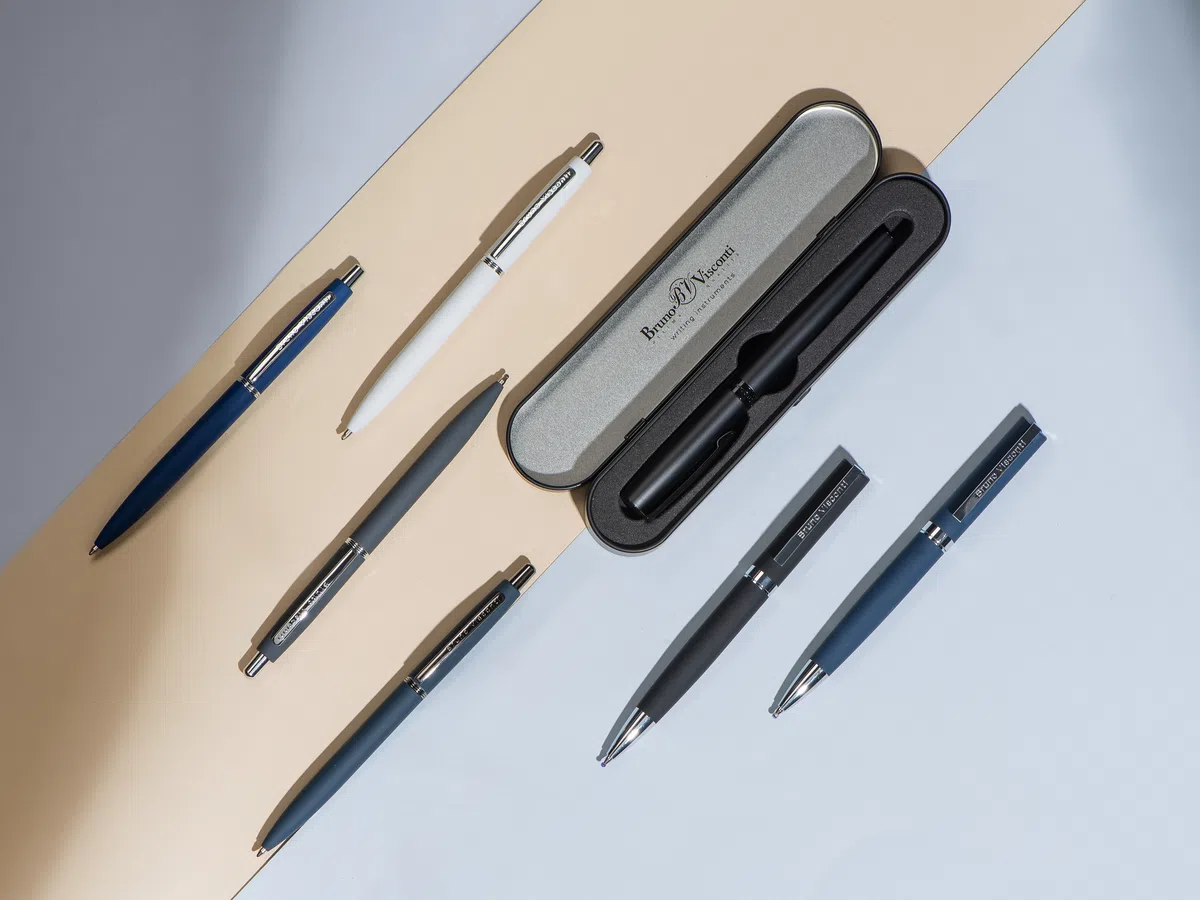
Branding, color, and materials
It is best to distribute the main mark across one prominent and several subtle applications: printing on packaging, embroidery on textiles, and engraving on a work accessory. For the “starter kit for an intern” project, the artwork is checked on the specific product color and variant, not only against a white presentation background.
In the “starter kit for an intern” project, the size of the mark is assessed from a normal viewing distance: on a bottle held in the hand, on clothing being worn, and on a box as it is opened. If the collection for the “starter kit for an intern” project uses several techniques, they are given a consistent visual intensity so engraving, printing, and embroidery do not compete.

Budget, lead times, and quantity without unpleasant surprises
The estimate for the “starter kit for an intern” project should separate the costs of items, branding, packaging, personalization, assembly, and delivery. The “starter kit for an intern” cost estimate shows where the real value lies and where the budget goes toward operations that go unnoticed.
The “starter kit for an intern” schedule is built backward from the handover date: delivery, packaging, production, sample approval, artwork preparation, and product selection. For “starter kit for an intern,” practical metrics are assembly time, the percentage of kits distributed without substitutions, and feedback from new hires after the first month.


What to check on the sample and during acceptance inspection
The sample for “starter kit for an intern” is tested as a complete experience: the item is held, opened, worn, washed, or connected, depending on its function. The sample for the “starter kit for an intern” project is checked separately for color, branding position and size, completeness, text legibility, and protection during transport.
Before production starts, the reference sample is photographed and attached to the specifications. During acceptance inspection, boxes from different parts of the batch are opened at random. If the ready-made solution supports the goal — the new employee understands the company culture sooner and receives truly useful items for the first few weeks — and matches the sample for the “starter kit for an intern” project, the batch can be accepted without subjective disagreements.

Item selection
Continue in the catalog
Open the relevant section, add products to the project cart, and send the selection to the manager. We confirm availability, color, and branding method for the selected order quantity.
Key points at a glance
Frequently asked questions
Where should a project on starter kit for an intern begin?
Describe the moment of use and the result for the recipient. Then choose the items, branding, and packaging that help achieve that result.
Is a physical sample necessary?
Yes, if color, texture, fit, packaging, or personalization matters. For “Starter kit for an intern: useful merchandise without the feel of a cheap giveaway”, the sample should specifically test this risk: turn the introduction to the company into a formal handout of souvenirs.
How do you compare proposals from different contractors?
Compare the same specifications: model, material, color, branding method and size, packaging, allowance for defects, lead time, and replacement terms.
How can you tell whether a set is overloaded?
Every item should have a role in the overall use case. If an item in the set does not support the goal — the new employee understands the company culture sooner and receives truly useful items for the first few weeks — it is better to remove or replace it.
What should be kept for a repeat order?
The final artwork, reference sample photographs, product codes and colors, branding positions, personalization parameters, packing layout, and acceptance inspection comments.
Continue exploring
Related reading

Discuss your project
We will develop a solution for your task, deadline, and order quantity
Send the date, number of recipients, budget range, and logo. We will suggest items, branding options, and a production plan.