Where the right solution begins
Good branding starts with the item's role, rather than the question “where to place the logo.” If it is part of the user's daily routine, the branding should support its shape, material, and function. For the task “color images, fine details, and small runs on rigid items,” the image and unit price are not the only considerations: the contact area, geometry, texture, repeatability, and the item's behavior after several weeks of use also matter.
The most common mistake is choosing a technique from a photograph in a presentation. A screen does not show layer thickness, actual gloss, relief, substrate color, or how the mark looks in the hand or in motion. A separate risk for this topic is— soft areas, low-adhesion coatings, and areas exposed to constant friction. The decision is therefore based on the connected sequence “task → material → area → artwork → sample → production run,” rather than a single attractive mockup.
What matters for this particular task
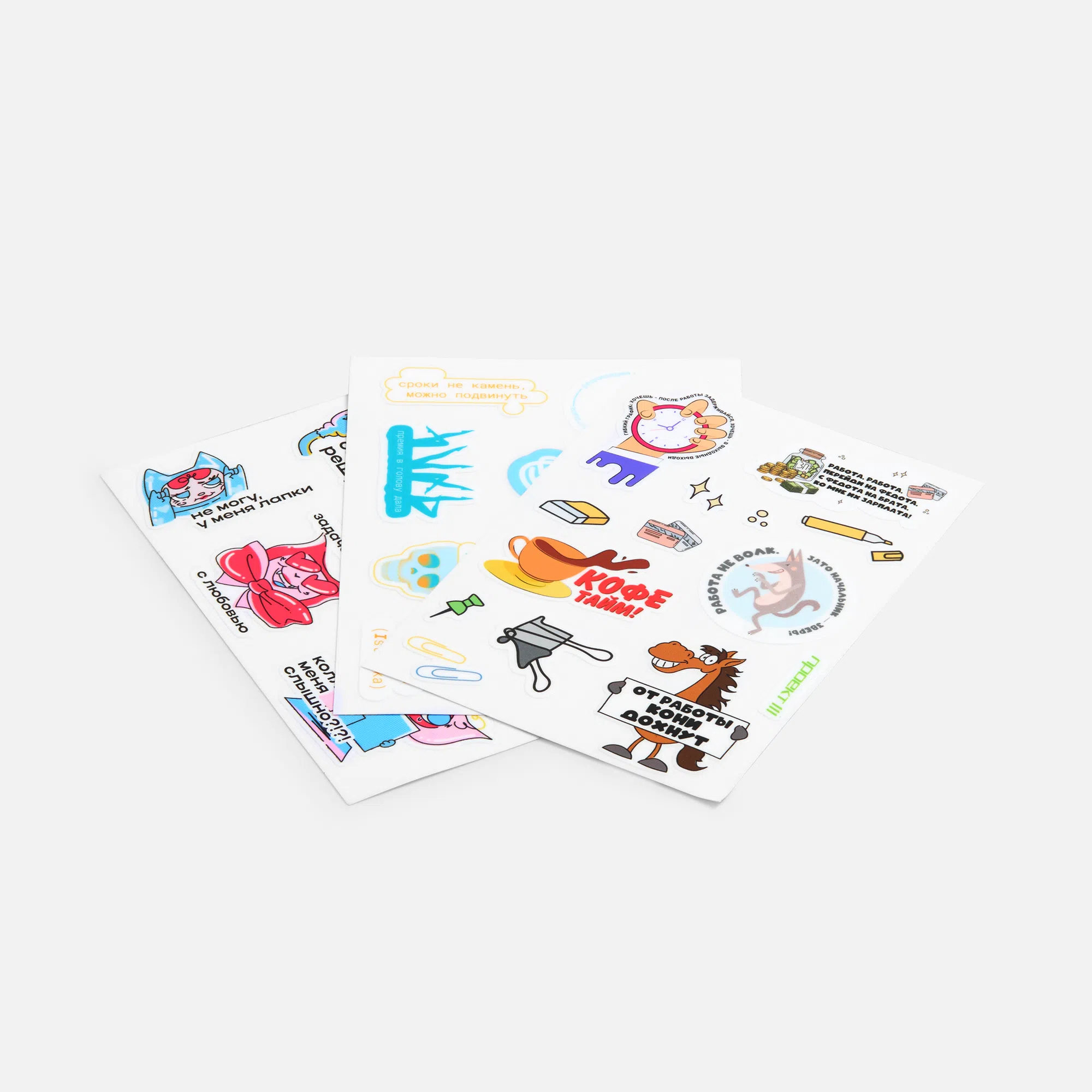
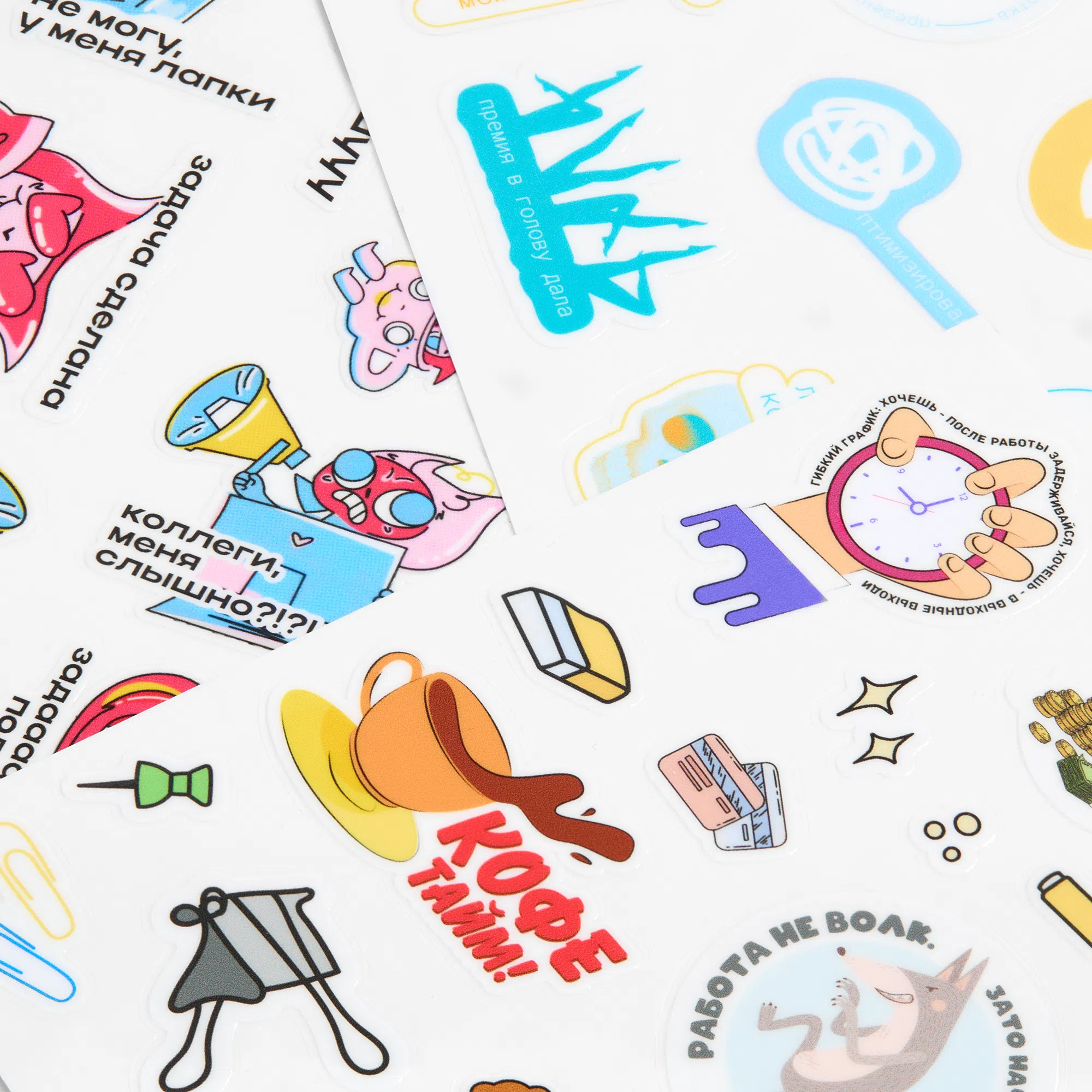
- White ink forms an underbase on colored material, while spot varnish adds relief; both layers must be checked at the edges of small elements.
- Adhesion is assessed on the actual production finish: plastics that look identical can have different surface energies.
- For this task, the strength of the solution is— color images, fine details, and small runs on rigid items.
- The following risk is checked separately: soft areas, low-adhesion coatings, and areas exposed to constant friction.
Questions to ask before costing
A good brief does not have to be long, but it must eliminate uncertainty. Answer the questions below before choosing a specific model so the selection does not become a random list of promotional products.
- What task should “UV Printing on Promotional Products” fulfill after it is handed over, once the presentation effect has worn off?
- What will a person see first in this project: the item, the graphics, the name, or the distinctive effect of UV printing?
- Which area will remain legible given the constraint “soft areas, low-adhesion coatings, and areas exposed to constant friction”?
- Can the “color images, fine details, and small runs on rigid items” effect be reproduced throughout the run without manual adjustment?
- Which test will confirm the durability of “UV Printing on Promotional Products” before production starts?
Criteria that determine the result
| Use scenario | For the “UV Printing on Promotional Products” project, document where and how often the item is used, and which parts are held, bent, washed, or worn. |
|---|---|
| Material | The suitability of UV printing is assessed by the coating, composition, texture, color, and impregnation treatment, rather than the material's everyday name. |
| Geometry | Assess the usable area for the task “color images, fine details, and small runs on rigid items”: radius, seams, edges, buttons, and functional elements all matter. |
| Artwork | For “UV Printing on Promotional Products,” specify the minimum line width, reversed-out elements, number of colors, ink coverage area, and permissible simplification. |
| Order quantity | Calculate setup, personalization, the breakdown by variant, and the economics of repeating the same configuration. |
| Use | The test protocol must identify the project's main risk: soft areas, low-adhesion coatings, and areas exposed to constant friction. |
These parameters are considered together. For example, a suitable material still does not guarantee success if the usable area is small or next to a seam. Conversely, simple graphics in a well-chosen area often look stronger than a technically complex but poorly scaled image.
How the solution looks on real items
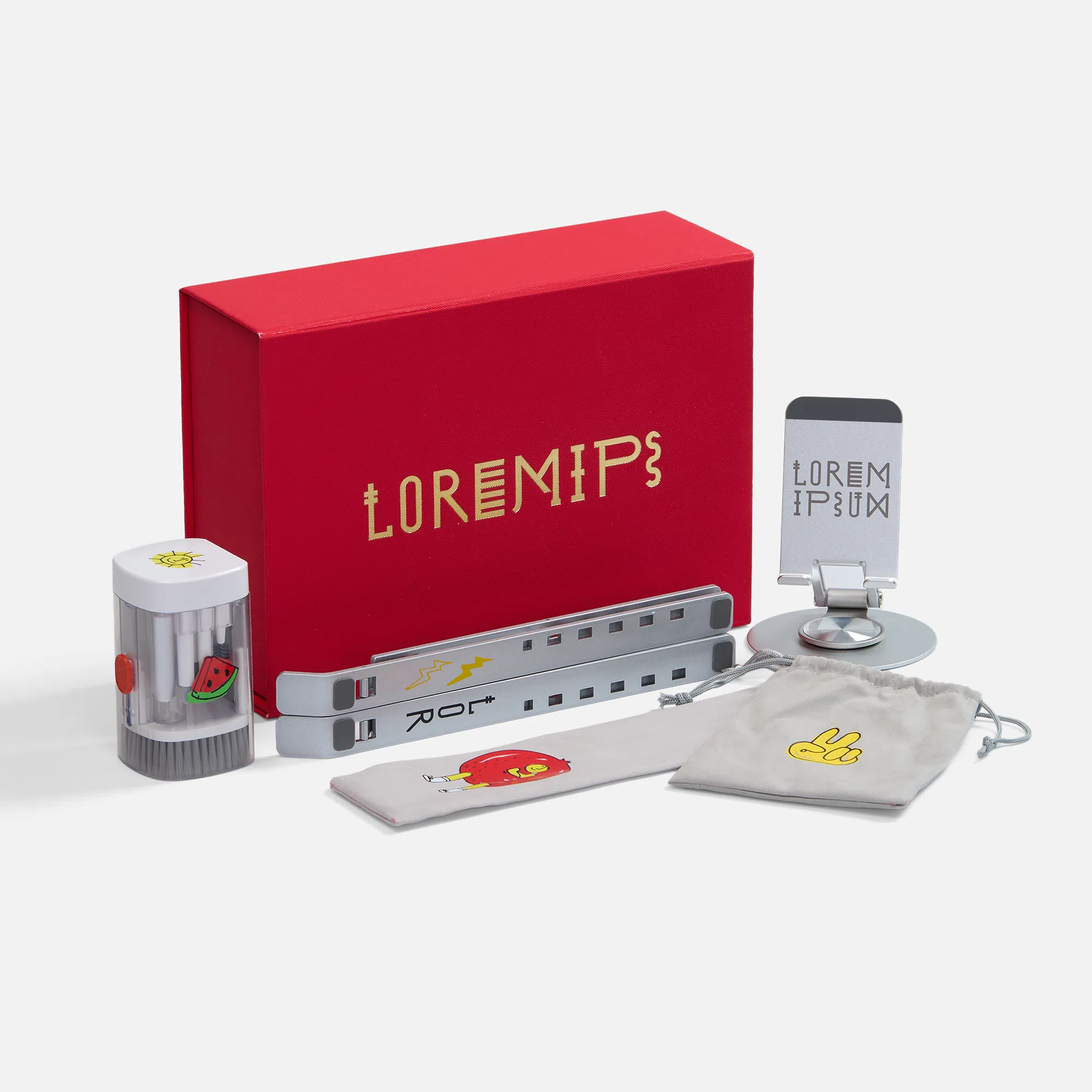
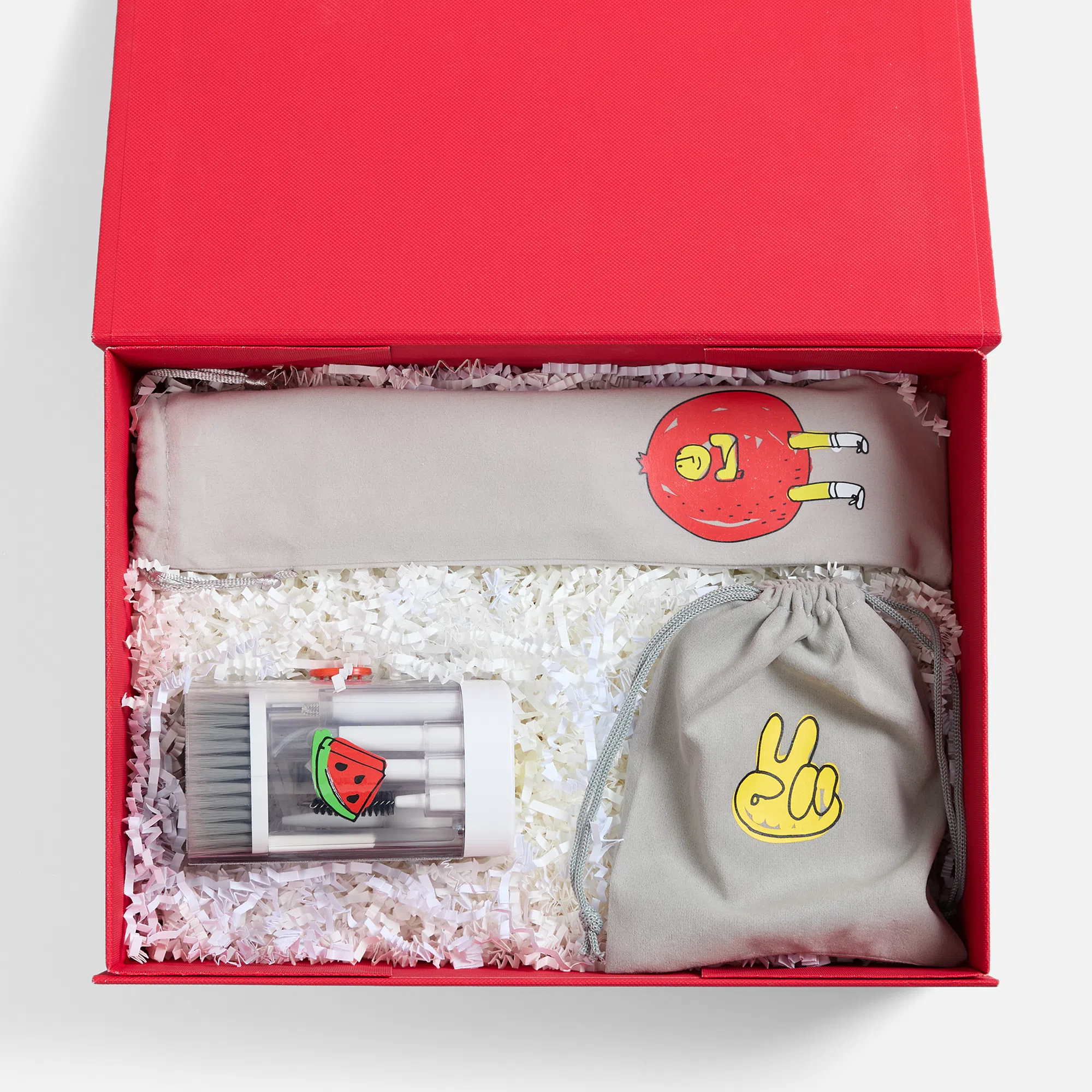
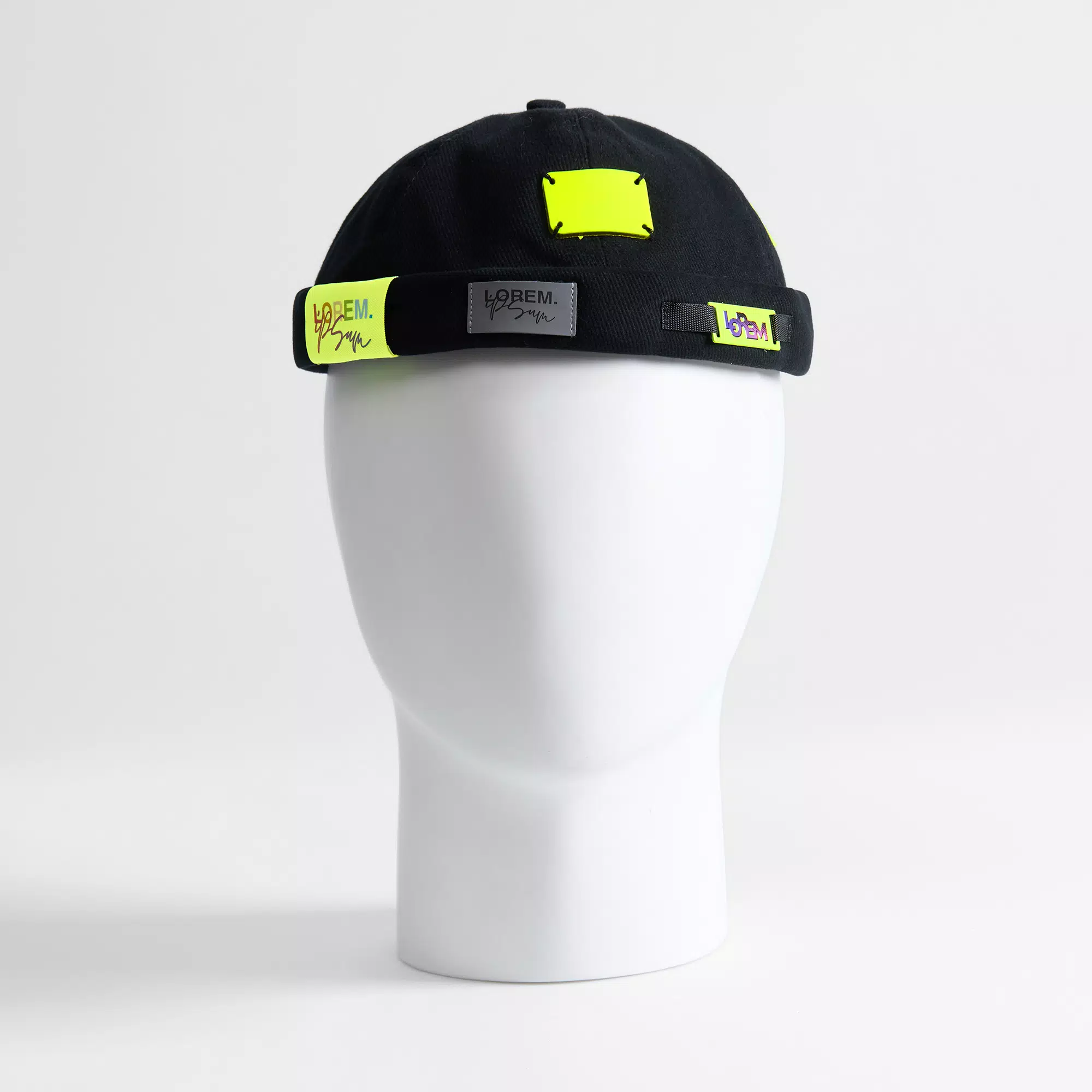
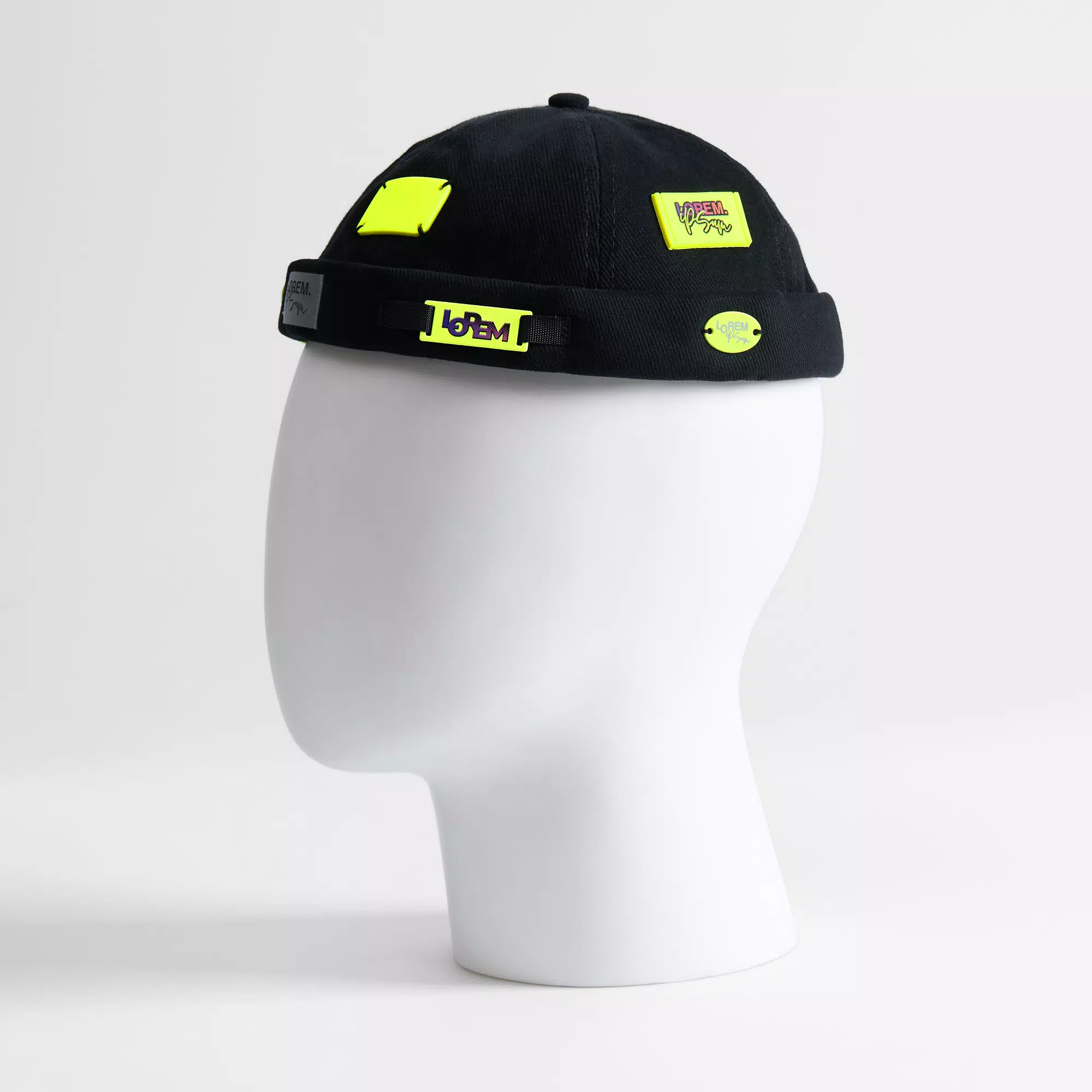
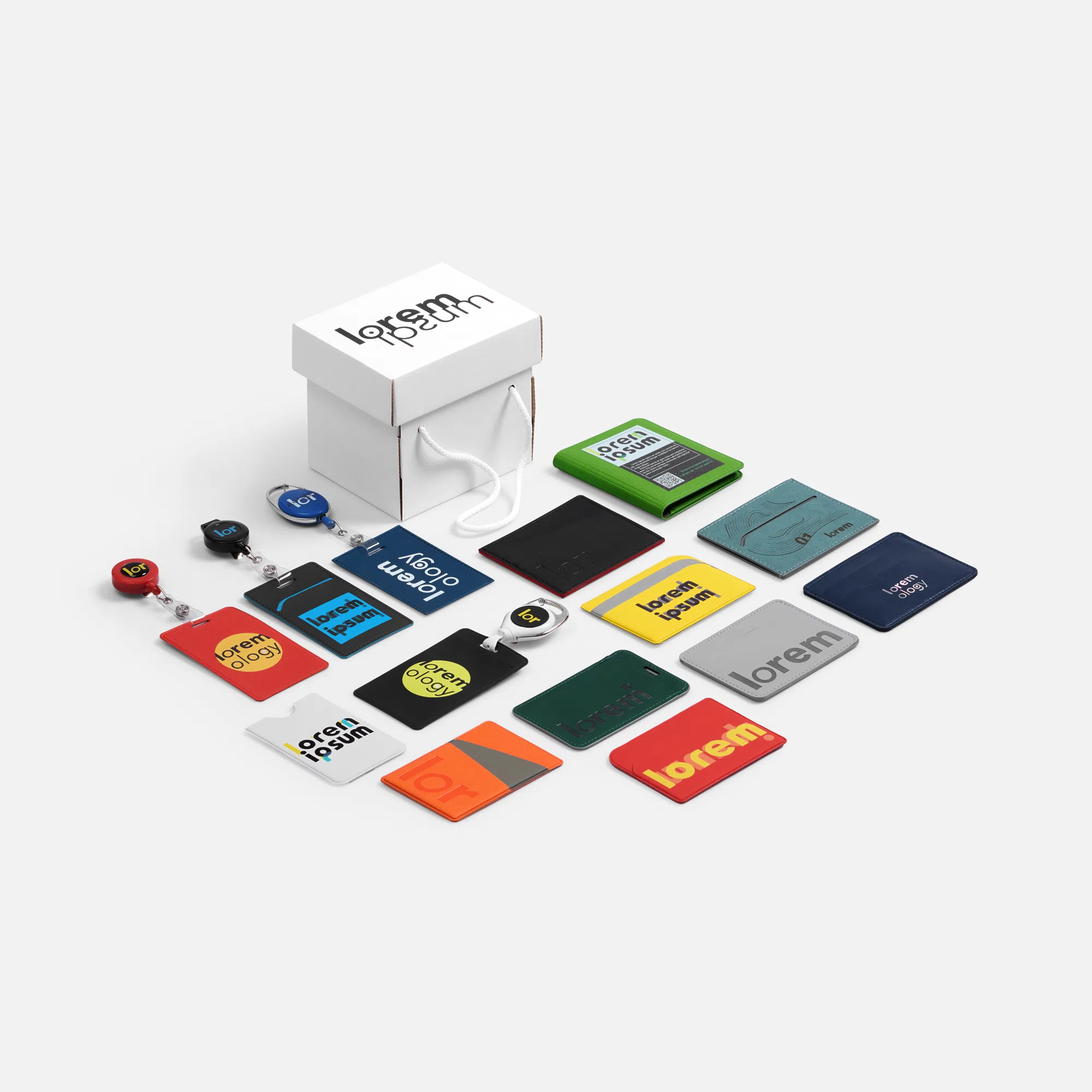
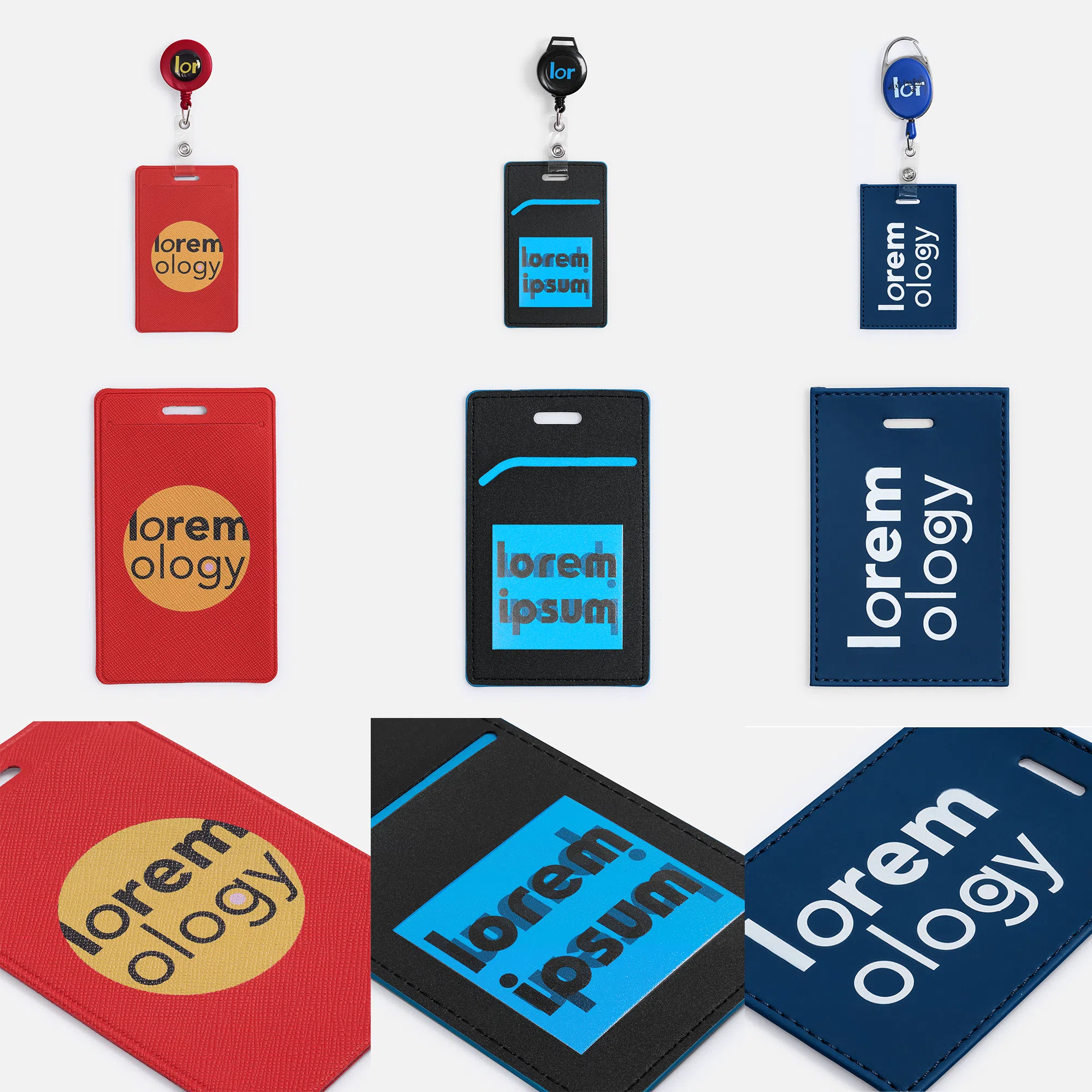
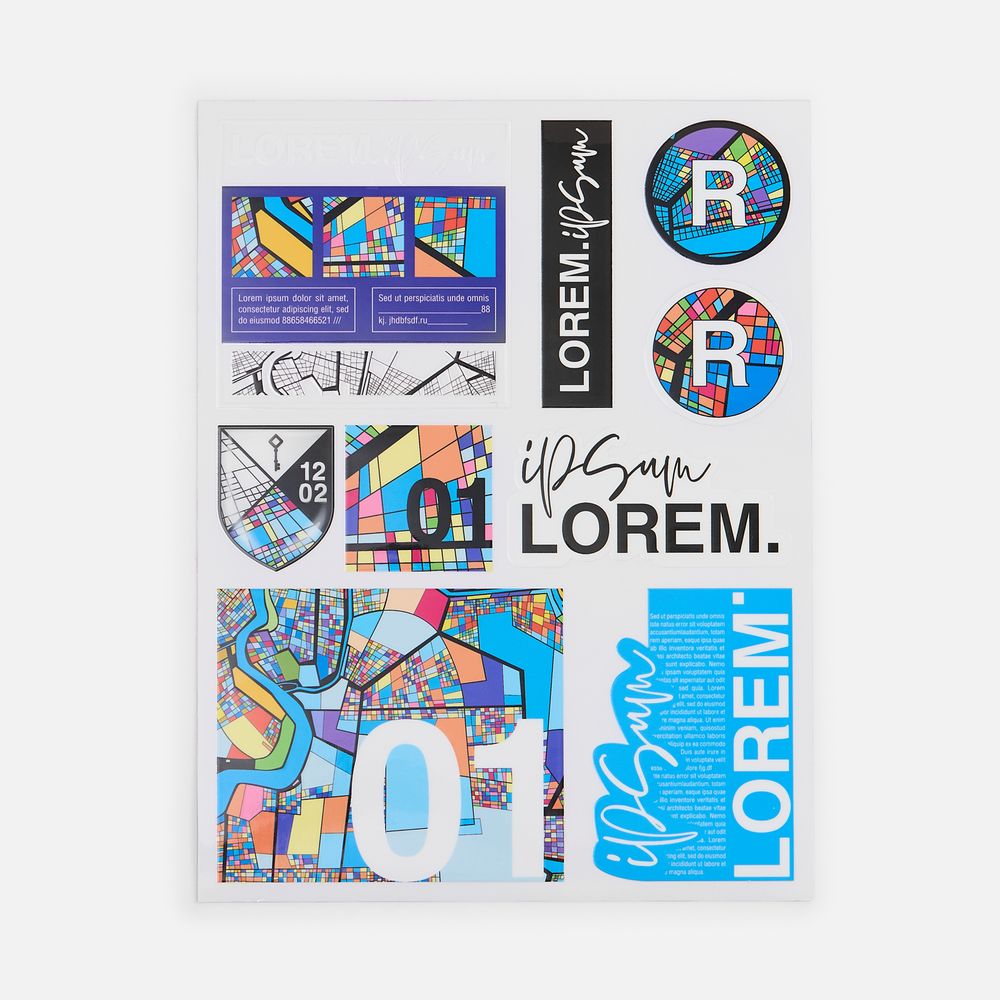
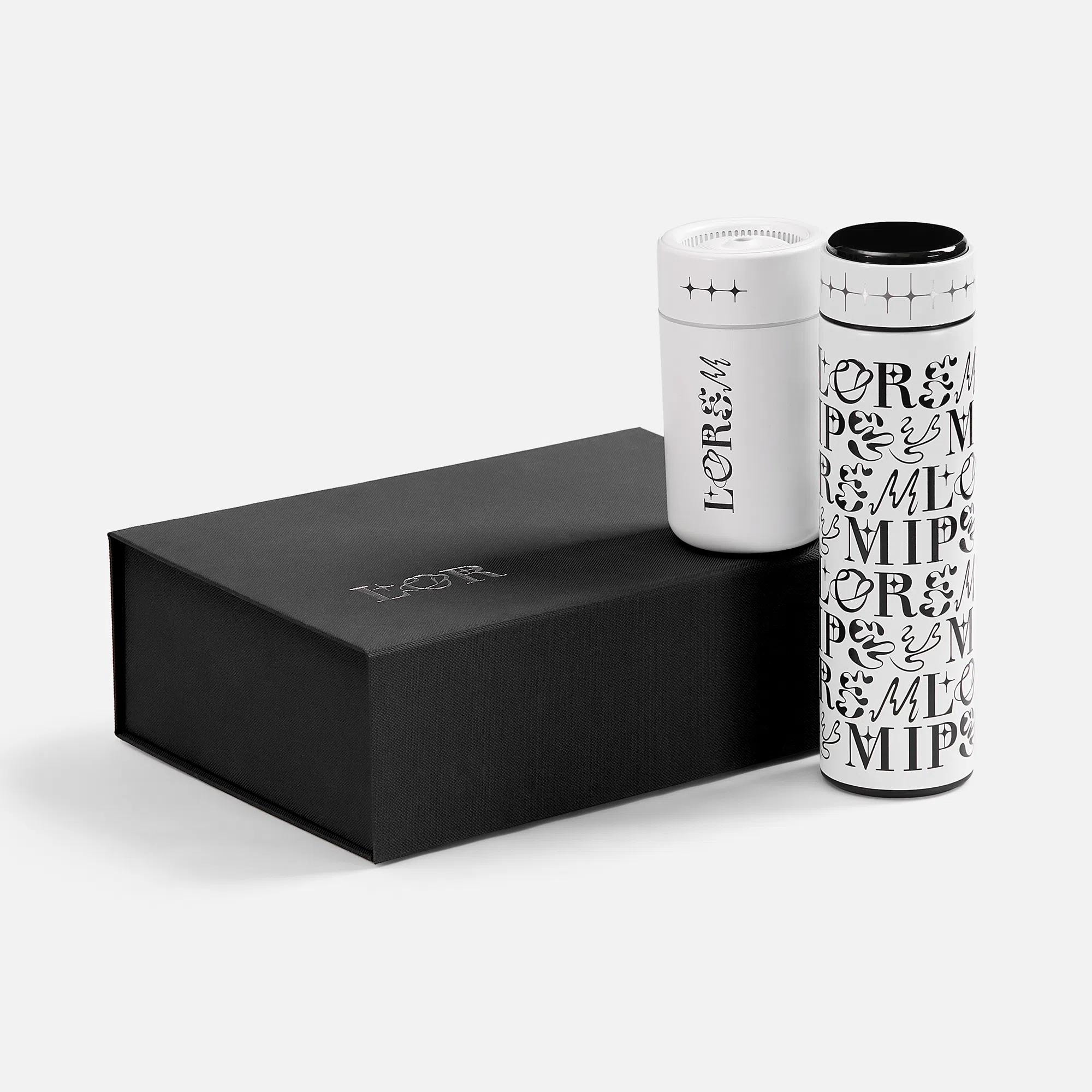
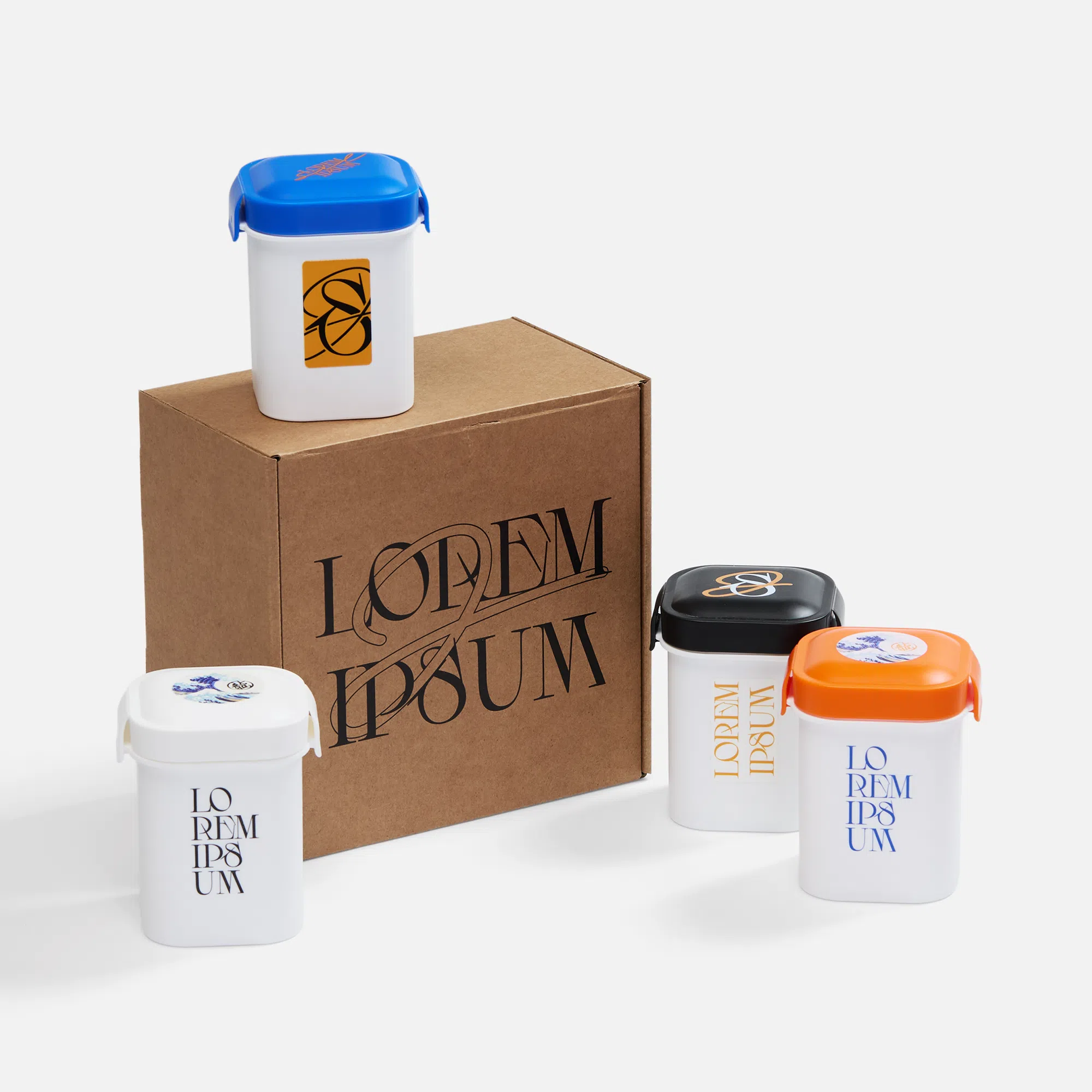
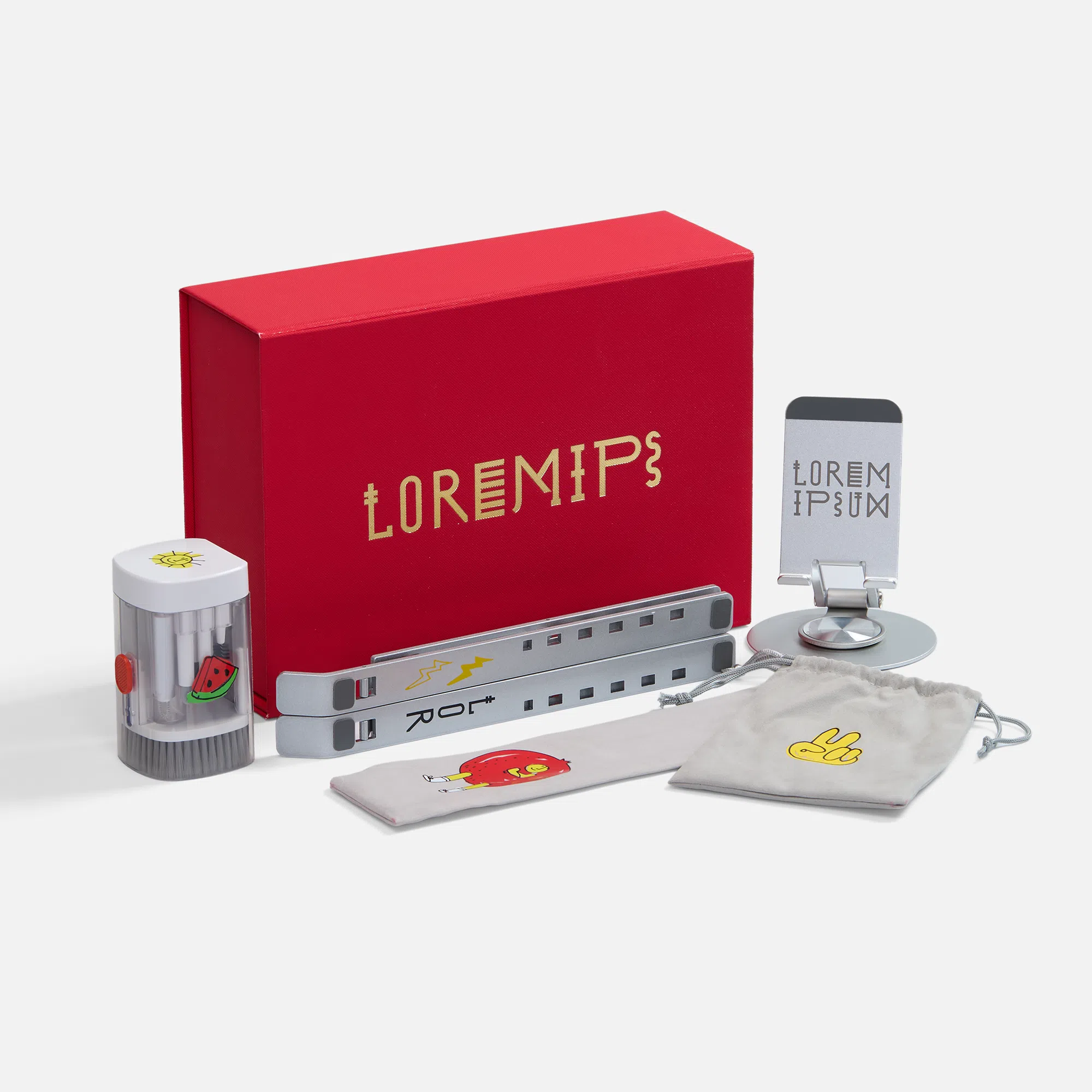
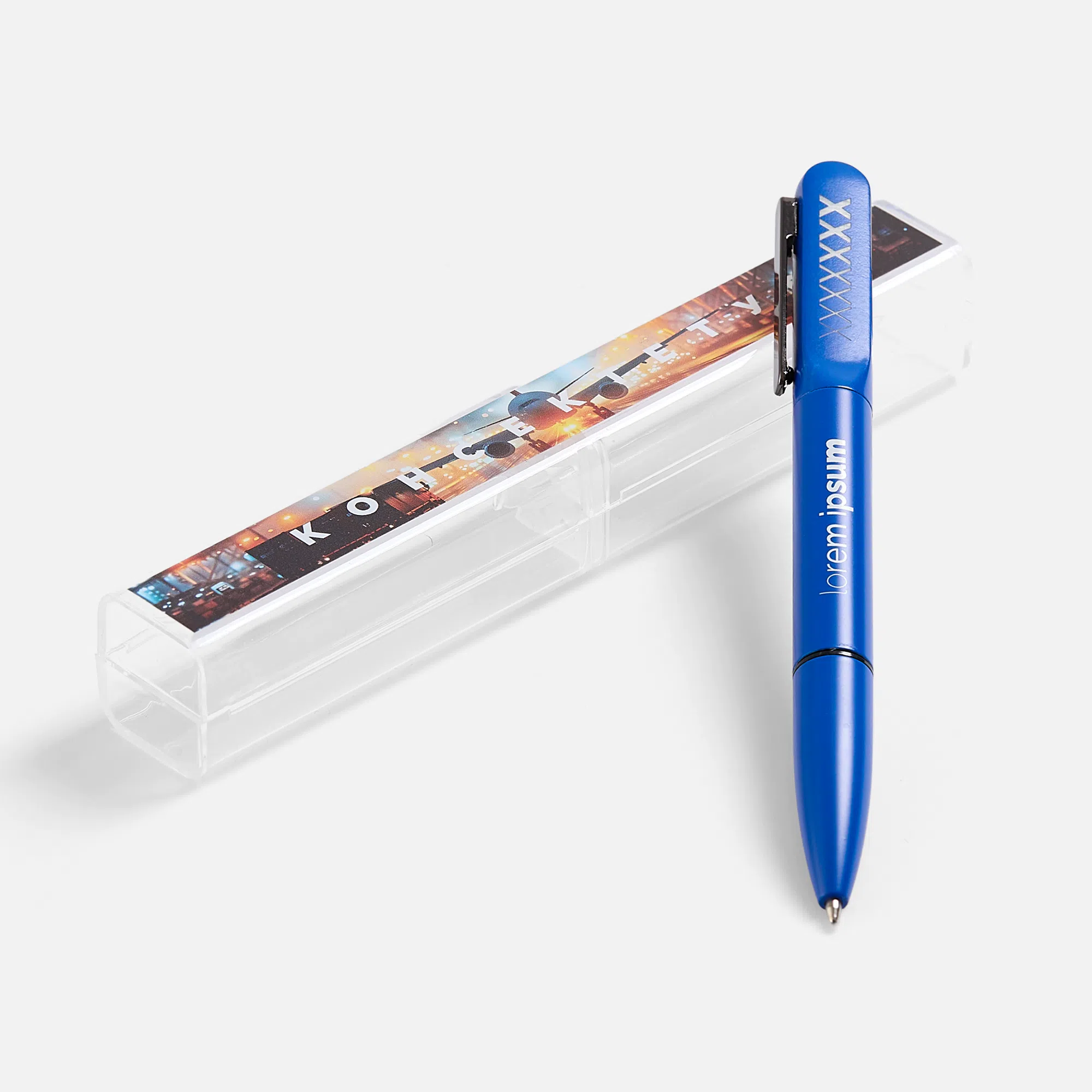
The examples below are visual references, not “ready-made formulas.” Look at the scale of the mark, the combination of textures, the clear space around the graphics, and how the branding supports the item's shape. For a new project, the composition needs to be reworked for the brand, material, and order quantity.
Items to start your selection with
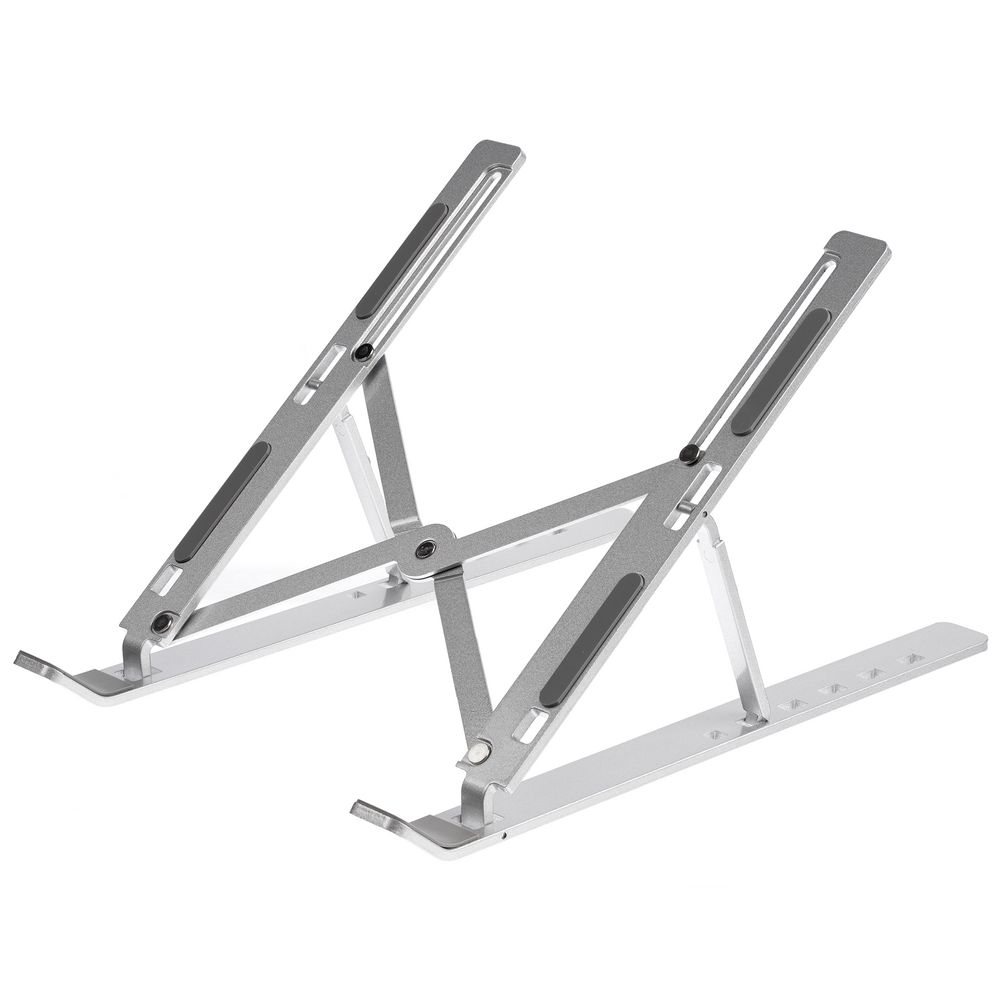
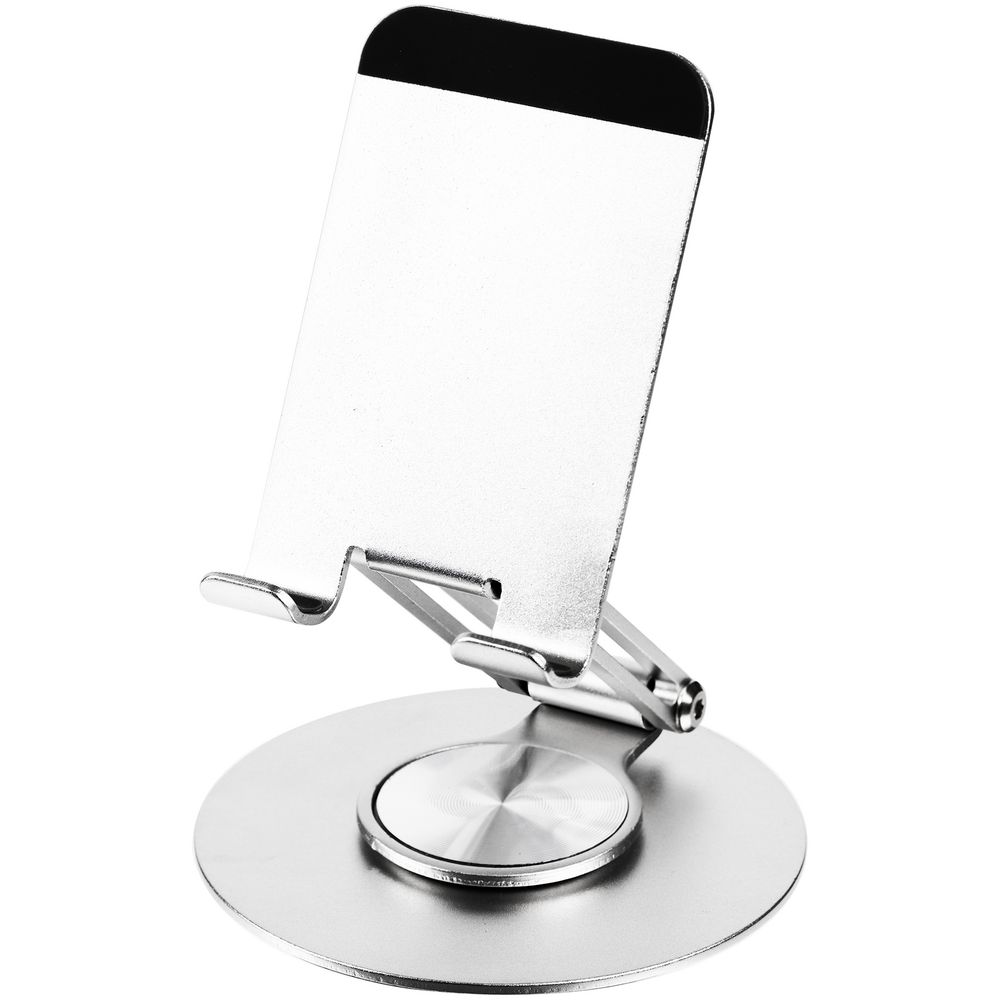
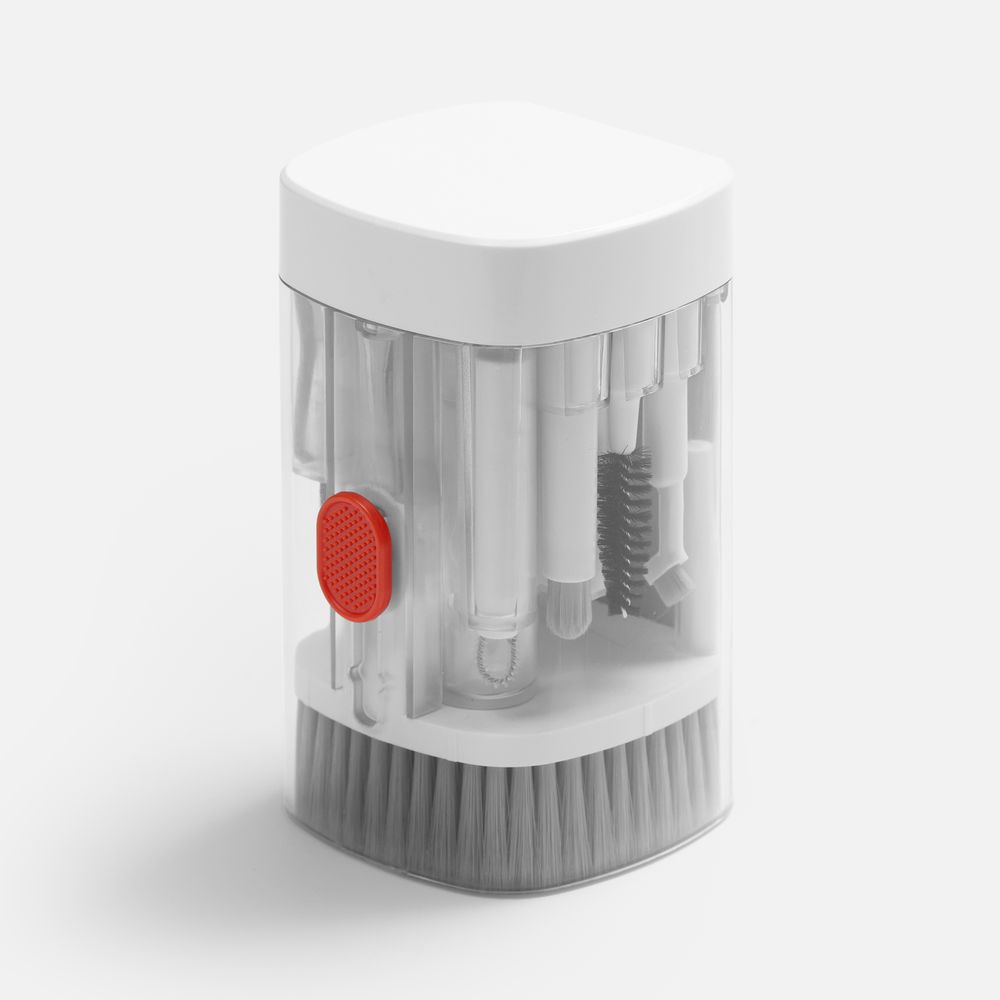
The cards link to the current Impulse Media catalog. Availability, color, and compatibility with the specific technique are checked for the chosen variant and order quantity before costing.
How the work progresses from brief to production run
- 1
Define why the project needs “UV Printing on Promotional Products”: audience, occasion, order quantity, date, and budget range.
- 2
Choose 2–3 items that genuinely suit the task “color images, fine details, and small runs on rigid items” and obtain the material specification.
- 3
Adapt the artwork to the constraints of UV printing instead of simply scaling down the logo.
- 4
Make a trial sample that specifically tests the risk “soft areas, low-adhesion coatings, and areas exposed to constant friction” and assess it in daylight and office lighting.
- 5
Document the approved reference for “UV Printing on Promotional Products”: size, coordinates, color, material, equipment, and permitted tolerances.
- 6
Check the start of production and carry out spot checks before packaging and assembling individual sets.
At the sample stage, it is useful to view the item from the distance at which it will be seen in real use. After the visual assessment, check functionality: the item must open, bend, fit, wash, or fold properly. An attractive photograph is no substitute for a use test.
Mistakes that increase project costs
- Ignoring the key constraint: soft areas, low-adhesion coatings, and areas exposed to constant friction.
- Approving “UV Printing on Promotional Products” solely from a digital mockup, without a photograph or a physical trial on the selected color.
- Keeping the logo the same size even though UV printing behaves differently on items of different sizes.
- Failing to specify tolerances for position, shade, and size, then assessing the production run “by eye.”
- Trying to communicate the entire brand platform on one small item instead of delivering one clear message.
Most rework results from incomplete decisions before launch rather than the technique itself: the wrong item, an unspecified color, incorrect scale, or late personalization. The earlier the team sees a physical prototype and acceptance criteria, the more predictable the schedule and budget become.
Frequently asked questions
Can “UV Printing on Promotional Products” be ordered in a small quantity?
Often yes, but feasibility depends on setup and the decoration method. For small runs, compare digital and transfer methods; for large runs, compare techniques that require form preparation.
Is a physical sample needed?
For the task “color images, fine details, and small runs on rigid items,” a sample is needed when precise color, feel, a complex surface, or a new construction matters. A repeat order can be produced using the saved approved reference.
Why does the color on screen differ from the product?
A screen emits light, while a material reflects it. In the “UV Printing on Promotional Products” project, the result varies with substrate color, underbase, equipment profile, texture, and lighting; a critical shade is approved using a trial sample.
How can you tell whether the branding will withstand use?
The test is chosen to address the main risk— soft areas, low-adhesion coatings, and areas exposed to constant friction. This may involve laundering, abrasion, washing, bending, scratching, or conditioning under climatic exposure.
What has the greatest impact on cost?
For “UV Printing on Promotional Products,” calculate order quantity, area, number of operations, form preparation, personalization, and production allowance. Compare the overall project outcome, rather than the price of a single operation.
Related reading
Discuss your project
We will select the item, technique, and reference sample
Send the logo, order quantity, date, and a brief description of the audience. We will put together options from the catalog and explain why each suits the task.
Get a selection of ideas