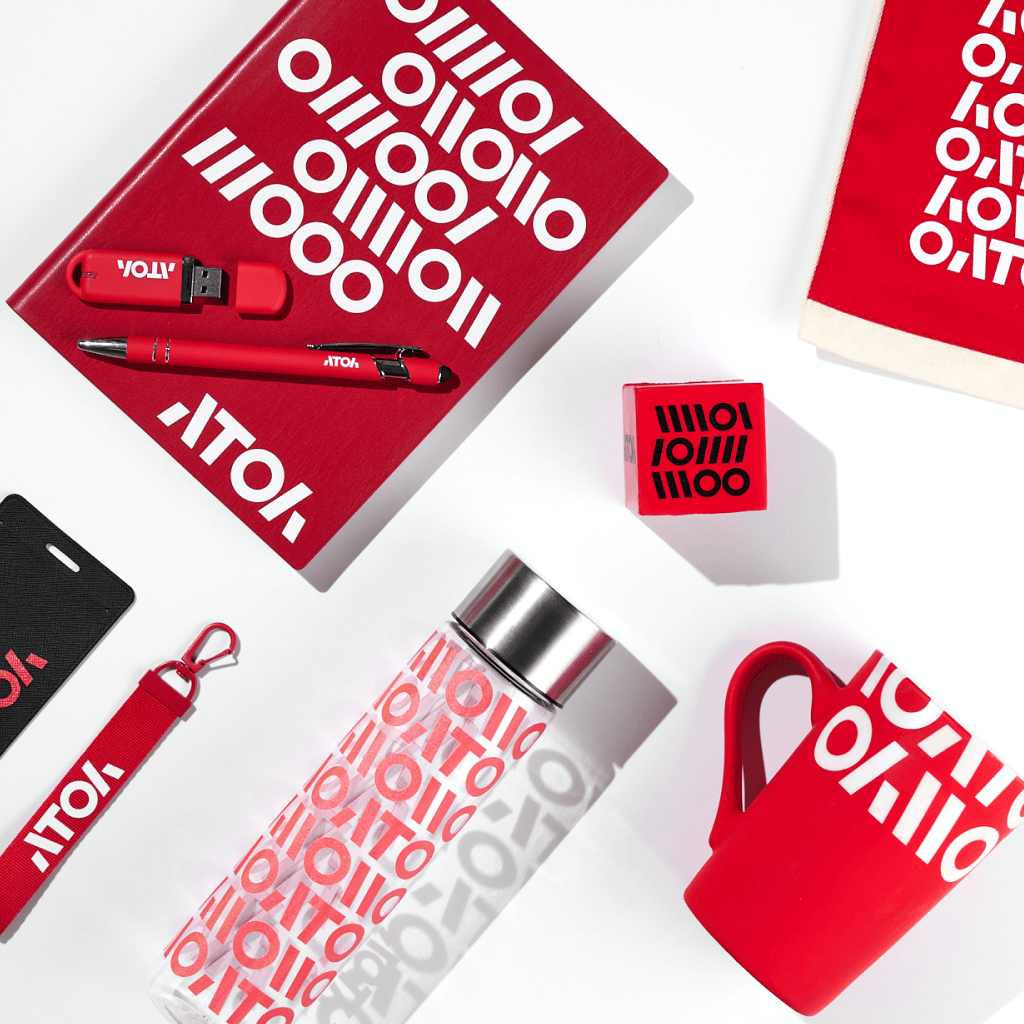
A welcome pack does not replace onboarding
A welcome pack is useful if it helps a new employee understand:
- how the company is organized;
- who is on their team;
- whom to contact;
- which rules and tools are used;
- what the company considers important;
- what will happen in the first 30, 60, and 90 days.
In an international study O.C. Tanner Job Transitions involved 38 075 workers from companies with at least 500 employees in 24 countries. When onboarding included team connection, community, development, and flexibility, the likelihood of a transformative transition experience increased 60-fold. The study considers both new employees and internal transitions between roles.
A respectful hiring experience increased the chances of positive onboarding by 65% and of quickly developing a sense of belonging by 126%. Daily contact with the manager during the first month increased the likelihood of high onboarding satisfaction approximately threefold.
Map of the first 90 days
| Period | Main task | The role of merch |
|---|---|---|
| Before the first day | Reduce uncertainty | A letter or small preboarding box |
| Day 1 | Introduce the culture | Core welcome pack |
| Week 1 | Help start work | Instructions, notebook, access pass |
| Day 30 | Confirm progress | Manager's message |
| Day 60 | Strengthen belonging | Team item |
| Day 90 | Mark the completion of a stage | Award or a choice in the shop |
What to include in a welcome pack
For a basic kit, combine:
- clothing for the team;
- a planner or notebook;
- a pen;
- electronics or an accessory;
- a printed letter;
- a custom box.
In the section corporate gift sets features ready-made arrangements with planners, insulated drinkware, textiles, electronics, and welcome packs. The project can use a ready-made foundation or a custom configuration.
Four layers of the kit
| Layer | Examples |
|---|---|
| Work-focused | Notebook, pen, sleeve, access pass |
| Informational | Contacts, instructions, QR |
| Cultural | History, values, glossary |
| Emotional | Clothing, personal letter, local item |
Practical budget guide
| Cost item | Share |
|---|---|
| Core items | 55% |
| Branding | 15% |
| Packaging | 12% |
| Printed materials | 6% |
| Assembly | 5% |
| Delivery and reserve | 7% |
This is an Impulse Media model, not market statistics.
What should not be included
- clothing without collecting sizes in advance;
- a large number of cheap promotional products;
- food with a short shelf life without delivery control;
- instructions that become outdated, without a QR code;
- gendered kits built on stereotypes;
- items inconvenient for a remote employee;
- a box without a personal message.
Metrics
| Metric | Period |
|---|---|
| Delivery before the start | Before the first day |
| Completeness | Day 1 |
| Usefulness of the items | Day 7 |
| Understanding the culture | Day 30 |
| Belonging | Day 30 and 90 |
| Use of items | Day 60 and 90 |
| Onboarding completion | Day 90 |
| Intention to stay | Day 90 and 180 |
Internal links
Colleagues exchange gifts in an office — Pexels
Photo: Utopix Pictures / Pexels. Illustration of a corporate gift-giving scenario. Used under the Pexels license.
Sources
- O.C. Tanner: Job Transitions
- Работа.ру: why companies give welcome kits
- SHRM: The Case for Employee Experience
How to connect the welcome pack with the onboarding plan
A kit is more useful when every item supports a specific employee action. On the first day, these are access credentials, orientation, and team contacts. The first week requires materials for meetings and training. By the end of the probationary period, an item connected to the role, results, or company culture can be added.
Do not send the same kit without checking the work format. Sizes, delivery addresses, safety requirements, and genuinely useful items differ for office employees, remote employees, and specialists at a production site. The onboarding owner should see the kit assembly status alongside the other onboarding tasks.
Assign an owner to each stage: HR confirms the start date and work format, the manager selects role-specific materials, the contractor handles assembly, and support resolves delivery and exchange issues. After 90 days, compare actual item use with new hires' responses. Exclude unused items from the next batch, even if they look good in photographs.
For repeat launches, keep the contents version, change date, and reason for replacing each item. This lets HR compare outcomes across different cohorts of new hires and retain successful solutions when the contractor or responsible manager changes.
- Day 1: letter, access credentials, and contact map
- Week 1: work materials and meeting schedule
- Day 30: a short survey on the kit's usefulness
- Day 60: exchange an unsuitable size if needed
- Day 90: an item or token marking the completion of onboarding