For 30–50 welcome packs, choose stock products, digital techniques without expensive molds, and simple packaging. Reserve fully custom production for one key element, rather than the entire set.
A small order is often needed by a small company, a pilot group, an internship program, or a new office. The main risk is trying to apply a production model for 1000 pieces to 30 kits. Molds, complex construction, and several unique materials make the project disproportionately demanding.
A practical model is ready-made bases plus targeted branding. The catalog provides planners, sets, pens, and accessories; graphics, a personal card, stickers, or one specially produced item create individuality.
Ready-made compact sets
First compare four products with one function, then four with a second function. Any item can be replaced without losing the set's logic.
Planners and notebooks
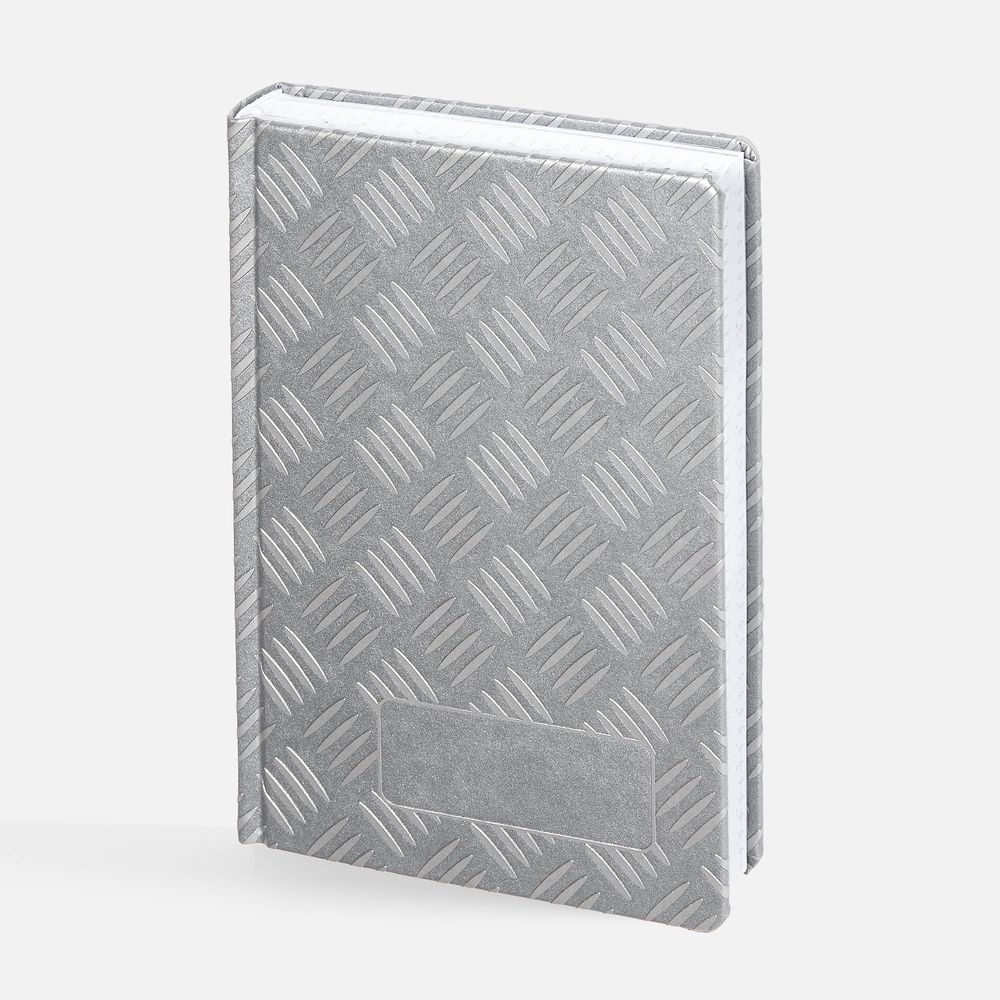 Planners and notebooksReal Hard Work notebookSuitable for the “planners and notebooks” section; we will confirm branding and availability for the order quantity.Open in the catalog →
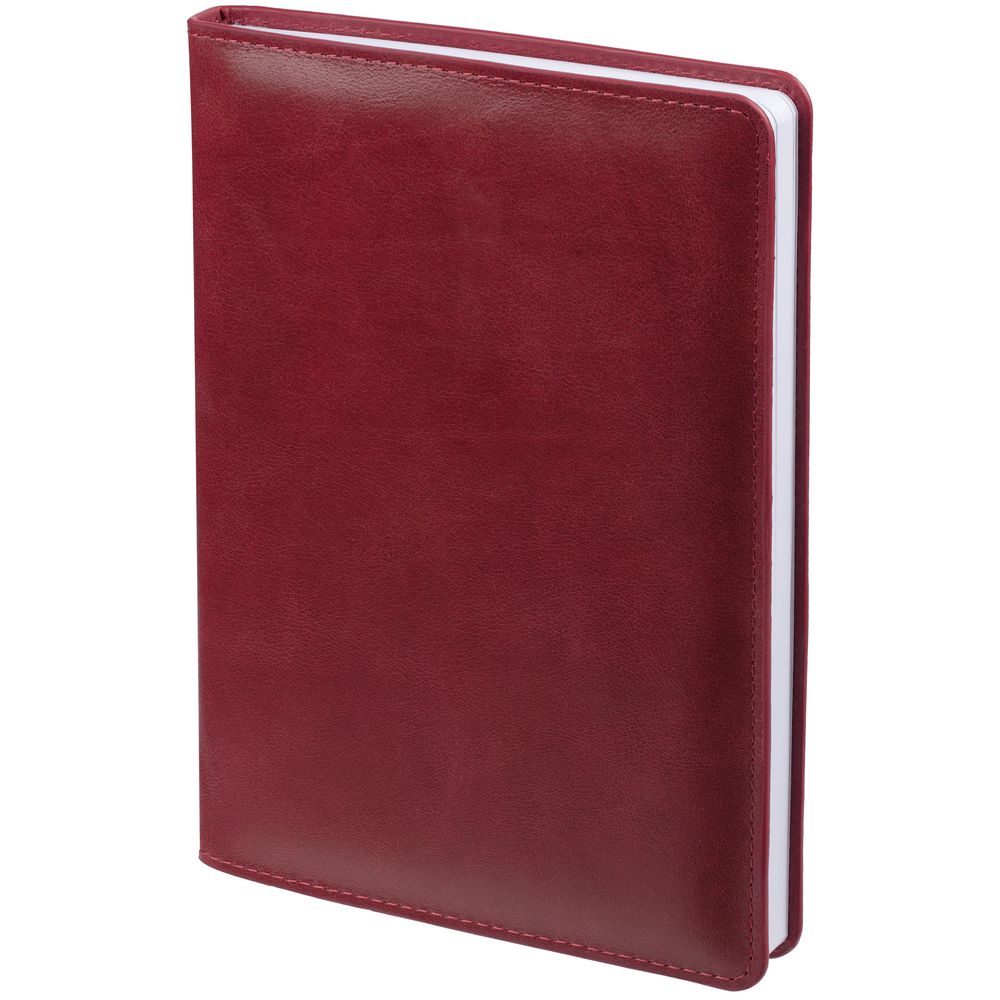 Planners and notebooksTermini planner, undatedSuitable for the “planners and notebooks” section; we will confirm branding and availability for the order quantity.Open in the catalog →
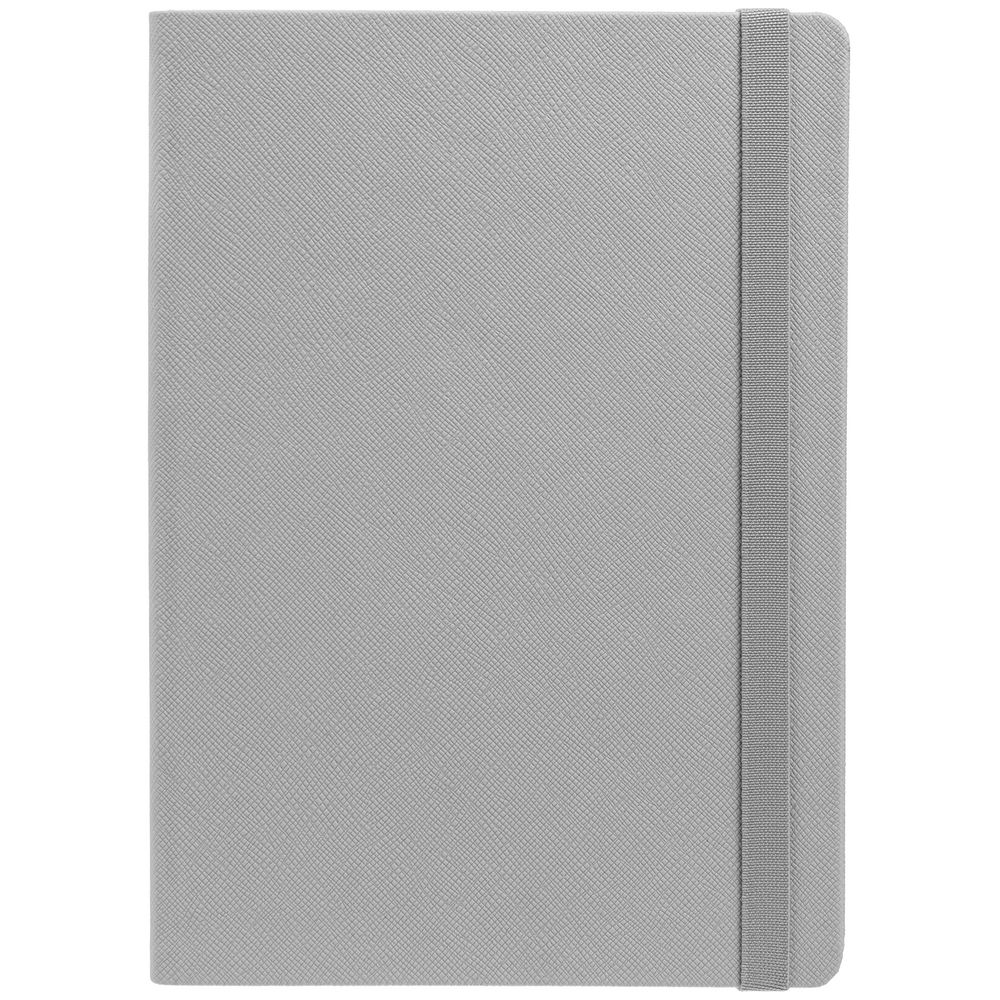 Planners and notebooksMust planner, datedSuitable for the “planners and notebooks” section; we will confirm branding and availability for the order quantity.Open in the catalog →
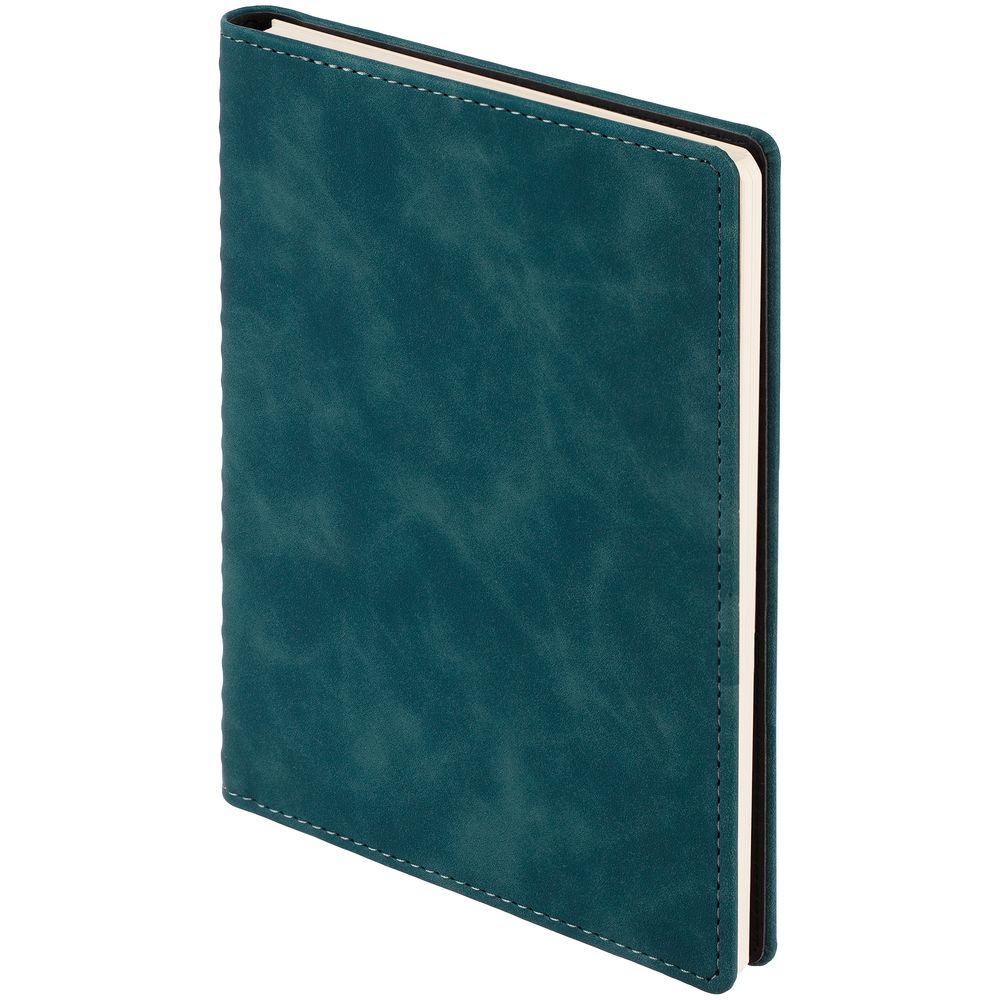 Planners and notebooksCustom Spring Urban planner, undatedSuitable for the “planners and notebooks” section; we will confirm branding and availability for the order quantity.Open in the catalog →
Pens for branding
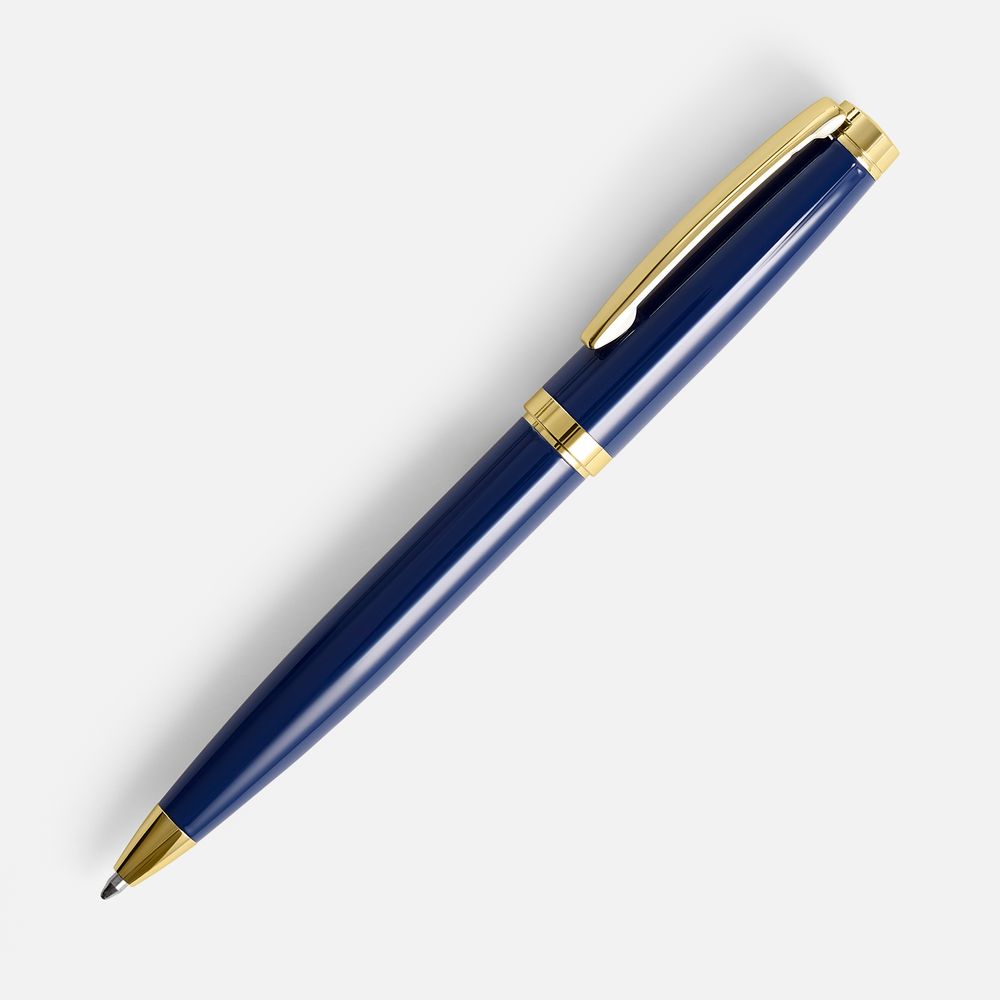 Pens for brandingLetra Gold ballpoint pen, glossySuitable for the “pens for branding” section; we will confirm branding and availability for the order quantity.Open in the catalog →
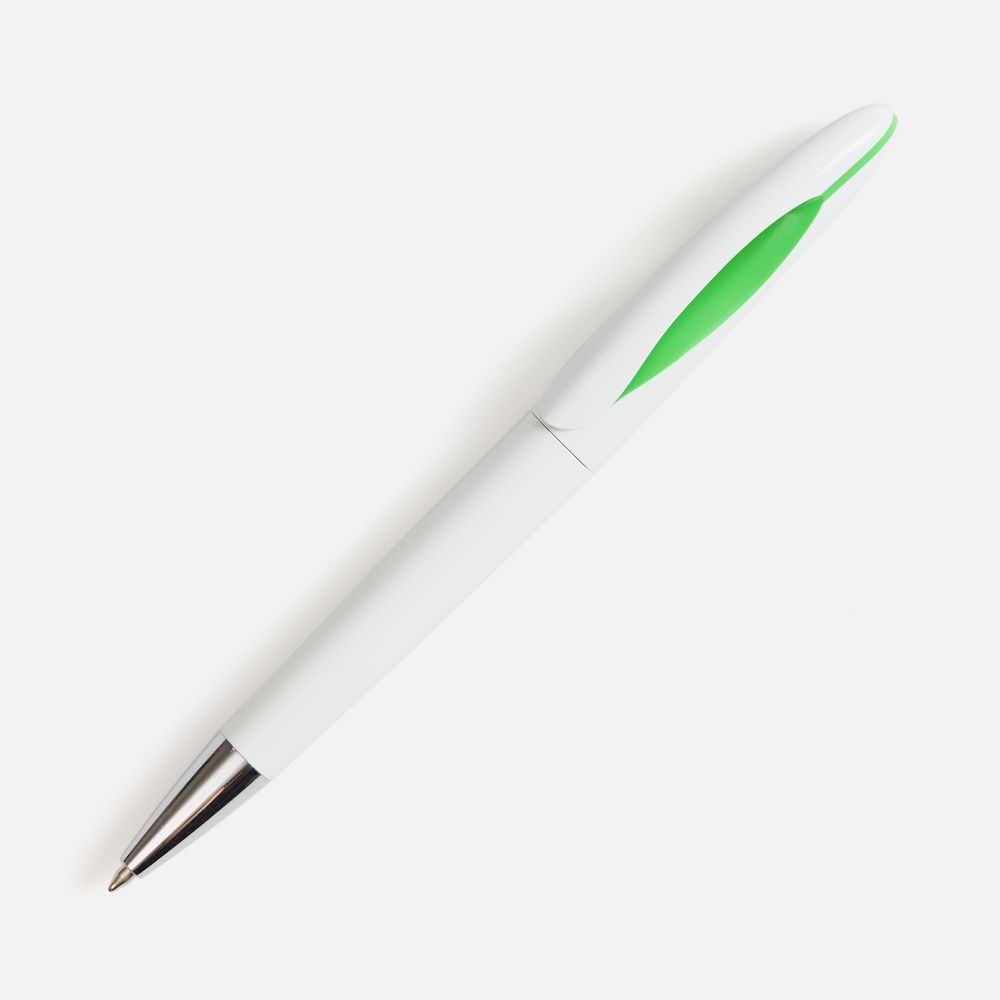 Pens for brandingNave ballpoint penSuitable for the “pens for branding” section; we will confirm branding and availability for the order quantity.Open in the catalog →
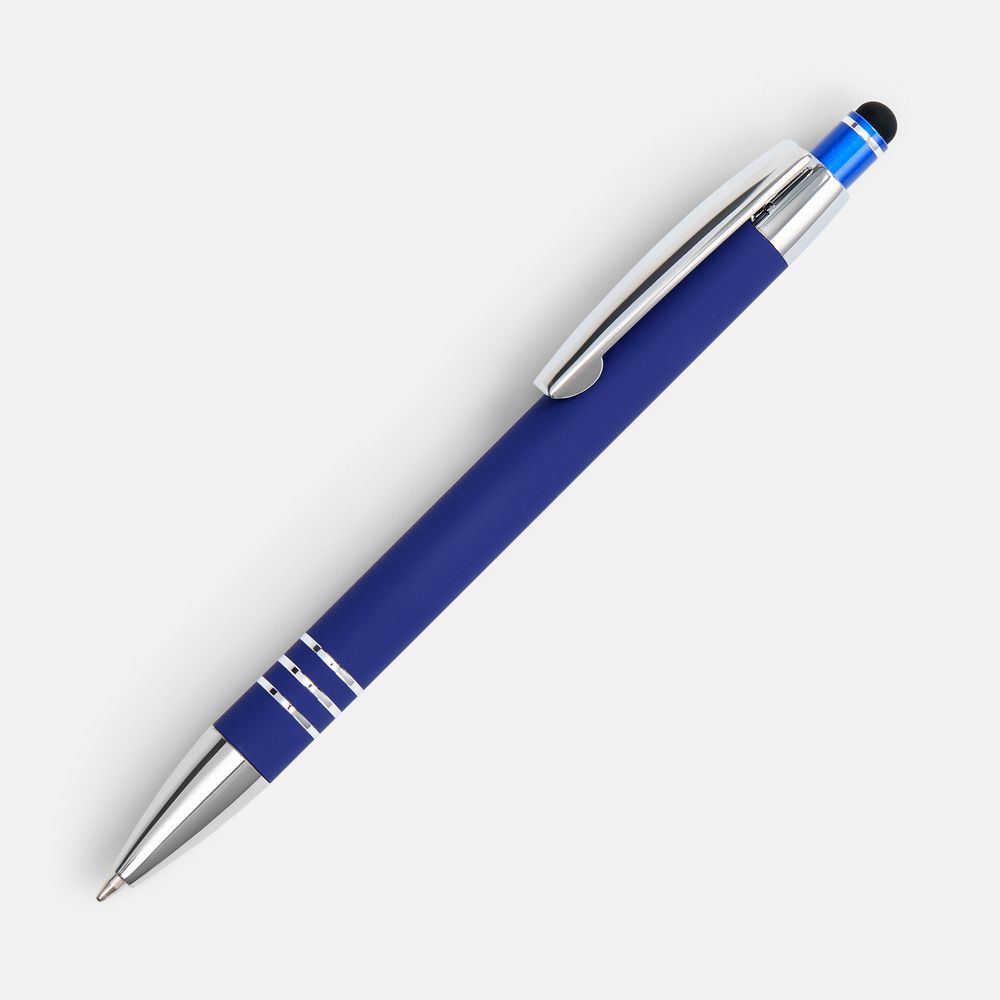 Pens for brandingSansen Soft Touch ballpoint pen with stylusSuitable for the “pens for branding” section; we will confirm branding and availability for the order quantity.Open in the catalog →
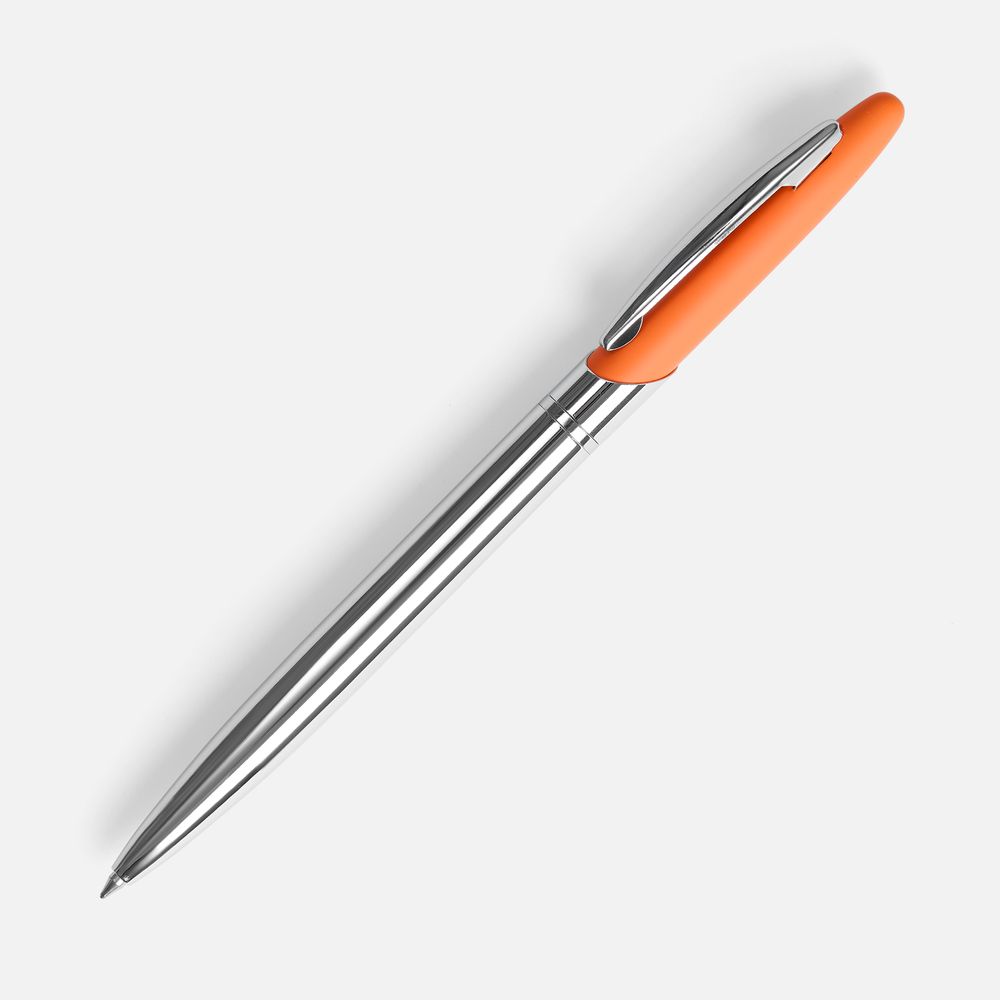 Pens for brandingDagger Soft Touch ballpoint penSuitable for the “pens for branding” section; we will confirm branding and availability for the order quantity.Open in the catalog →
We will turn 30–50 kits into a cohesive collection
A small order should not look like a collection of random leftovers. We will find available bases, choose one effective branding technique, and add a personal detail.
Impulse Media will confirm minimum quantities and backup items in advance. You will receive a realistic option for your deadline and budget, without hidden production complications.
What counts as a small order
30 or 50 is not a universal minimum order quantity for all products. A ready-made planner may be available in a small quantity, while a custom box or textiles have a different MOQ. That is why every line of the specification is checked.
It is useful to separate stock items, branding, and custom production in the proposal. The client can then see which element limits the quantity and timeline, and make an informed decision to replace it.
| Element | Approach for 30–50 pieces | Risk | Alternative |
|---|---|---|---|
| Planner | Ready-made model + branding | Stock of the selected color | Mixed palette |
| Pen | Stock model | Technique MOQ | Laser or UV |
| Box | Ready-made format + sleeve | Expensive die-cutting | Stand-up pouch or tote bag |
| Apparel | Ready-made base product | Dimensions | Accessory that does not require sizing |
Three configurations for a small team
The compact version is built around a planner and pen. The work version adds a bottle, cable, or bag. The emotional version may include a bright accessory, a card, and custom packaging. Each version should have one main item.
The Cortado, Urban Office, and Flowork sets already provide a ready-made base. They do not have to be used unchanged: after checking the batch, you can select individual items, change the color, or add personalized printed materials.
Planner, pen, letter, and flexible packaging.
A business set plus a bottle or tech accessory.
A bright set, stickers, and a personal detail.
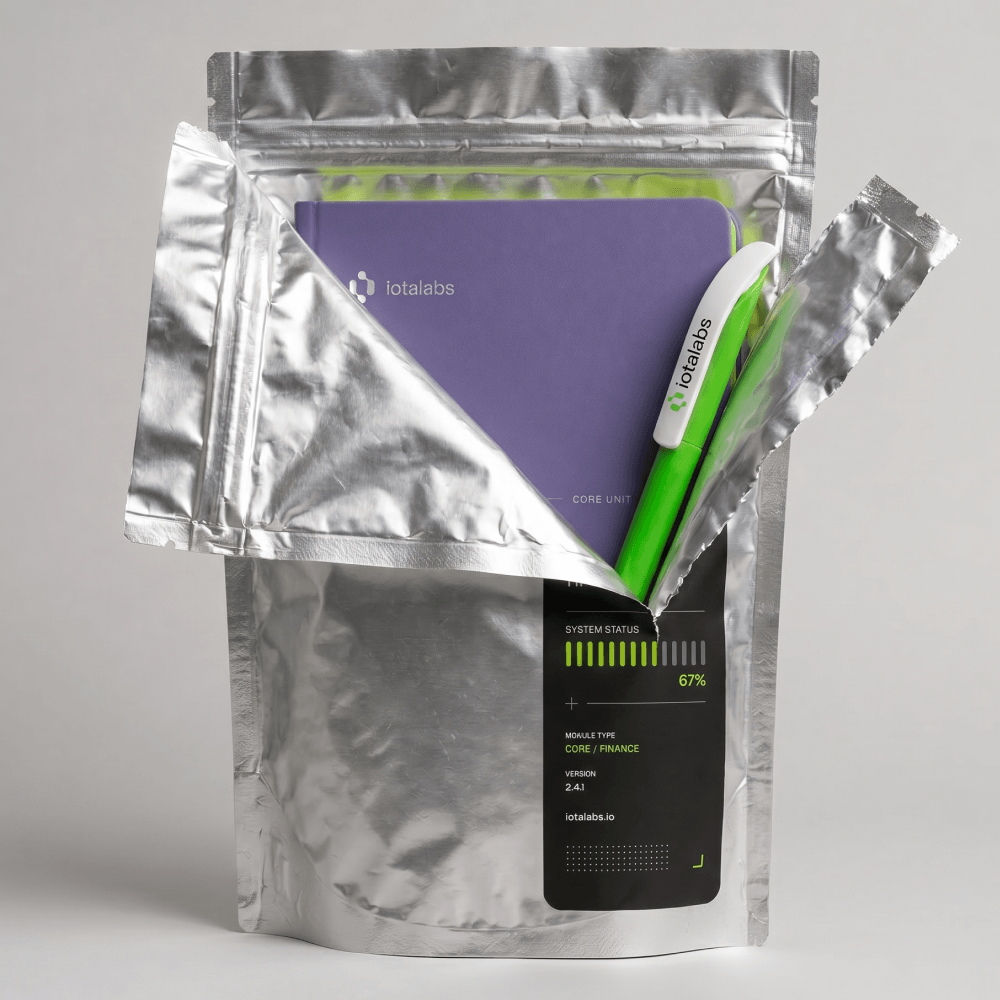
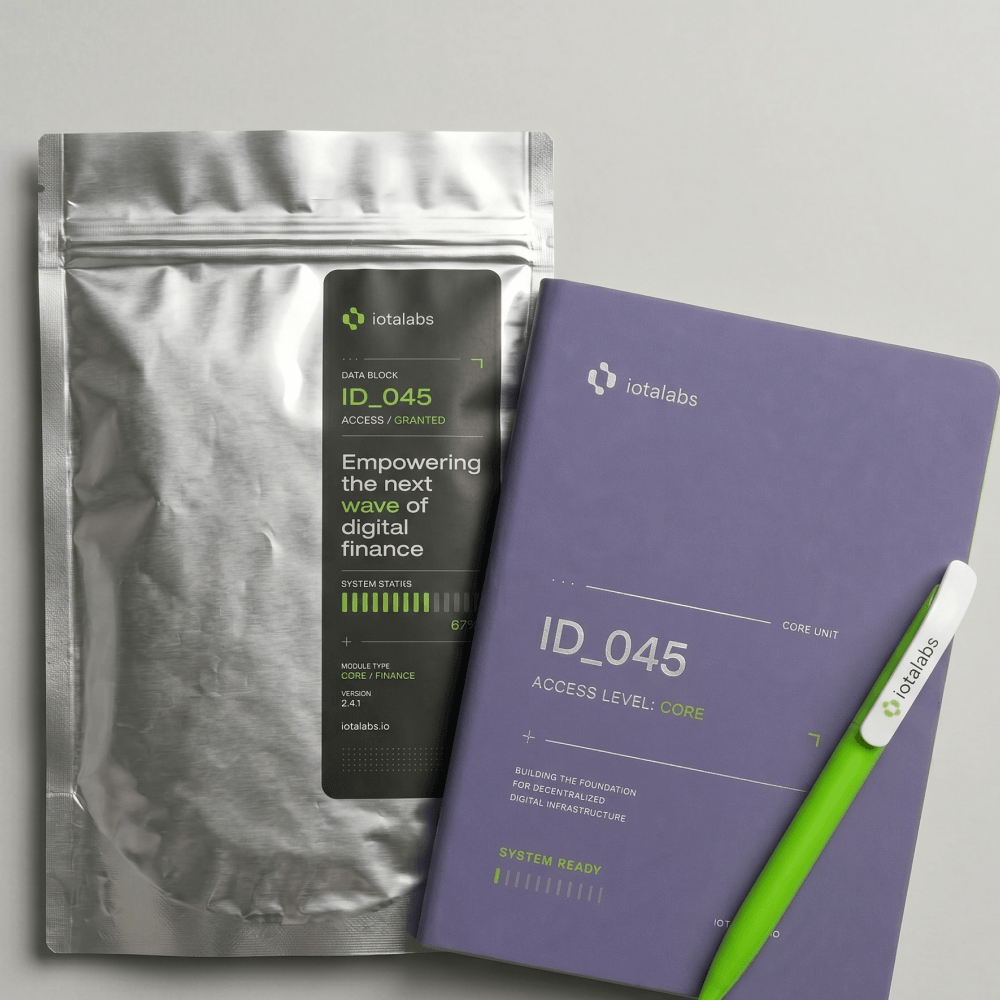
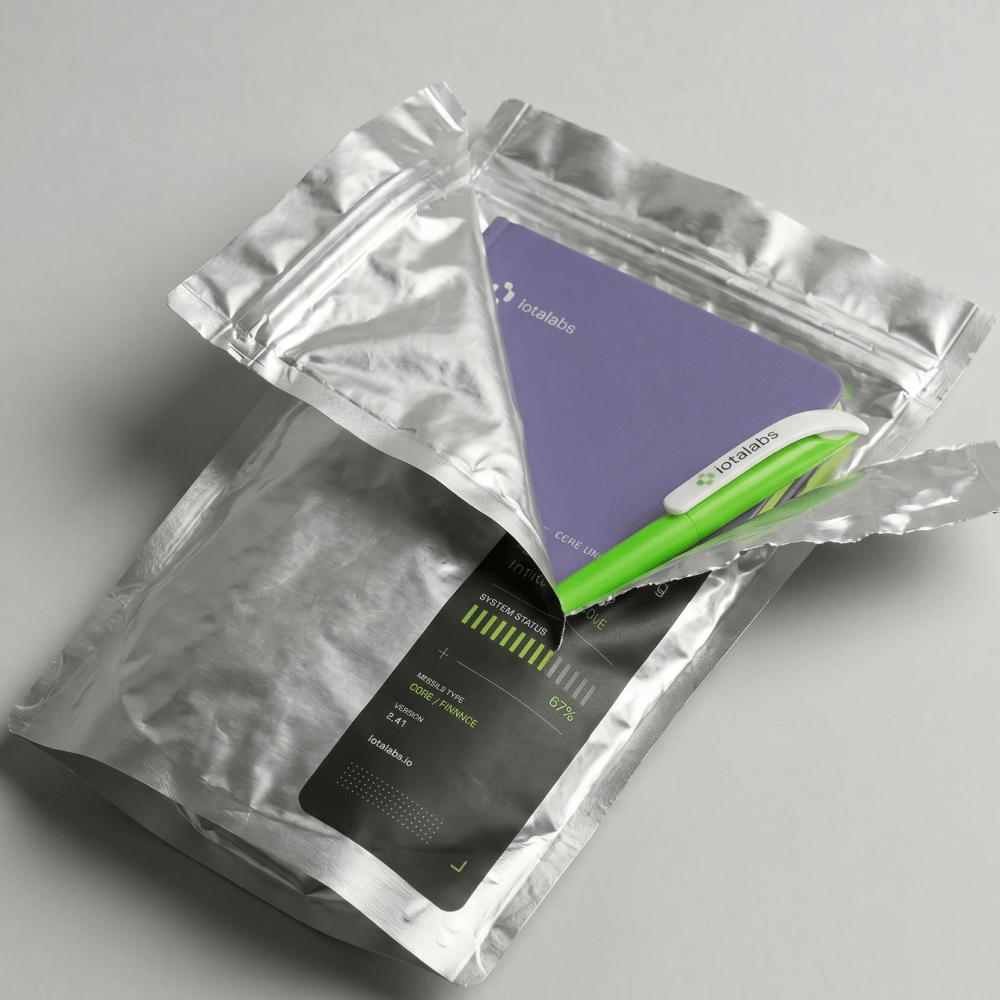
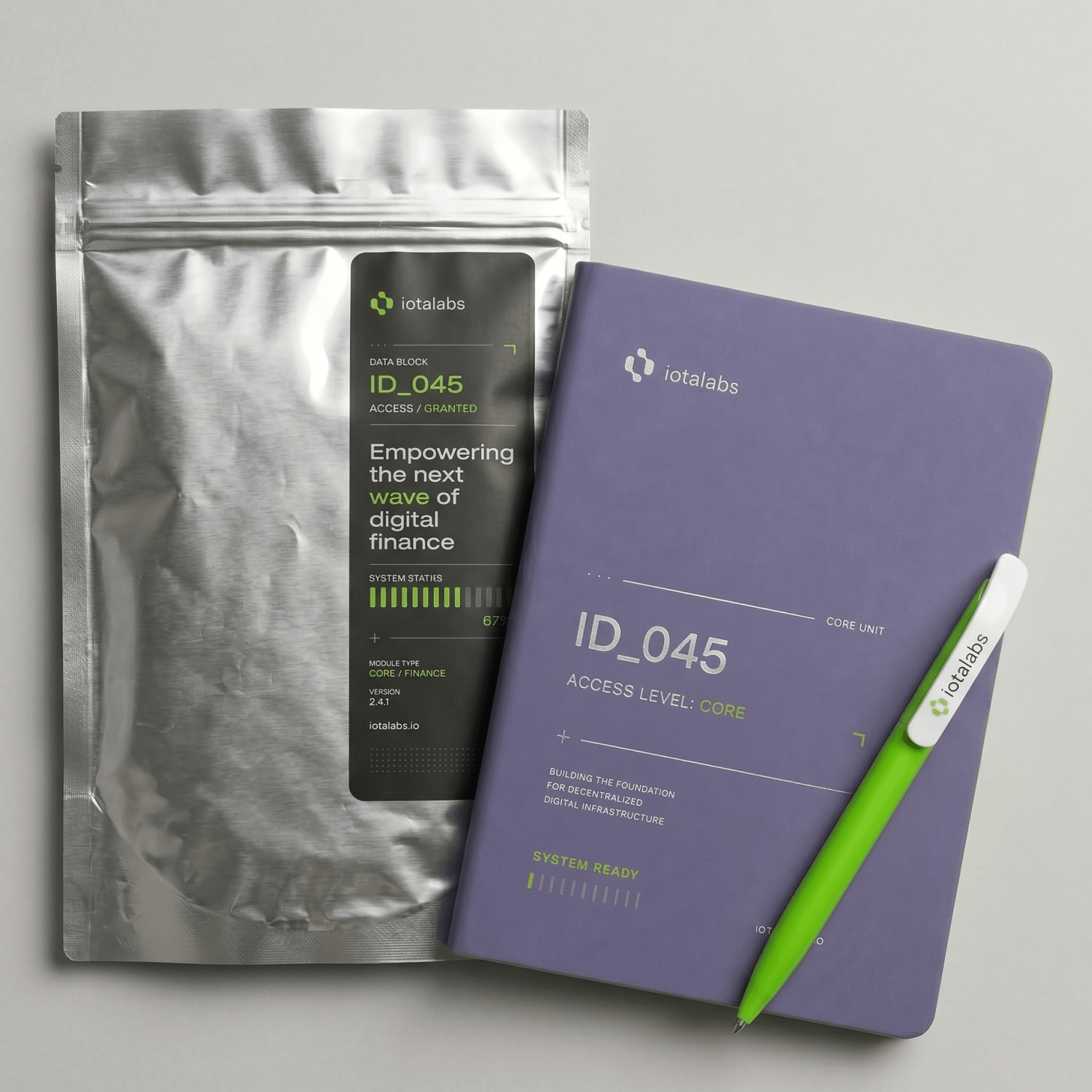
IOTAlabs: a small selection with precise finishing
The planner, pen, and stand-up pouch show how texture and printing replace unnecessary items.
Techniques without expensive tooling
UV printing and laser engraving are often suitable for small batches when the material and branding area have been confirmed. DTF is convenient for color graphics on ready-made textiles. However, the minimum quantity depends on the specific supplier, model, and equipment setup.
A universal “from 30 pieces” cannot be promised for every item. The manager first checks stock, color, the branding option, and packaging, then establishes the project's actual limits.
- Choose ready-made bases with sufficient stock.
- Avoid unique hardware for a single small order.
- Limit the number of techniques to one or two.
- Approve a backup model before payment.
- Order a sample if the material behaves unpredictably.
Packaging that does not eat up the budget
A custom wrapped rigid box is not always justified. For 30–50 kits, you can use a ready-made box, tote bag, stand-up pouch, or sleeve. An insert card and sticker create a branded experience without separate die-cutting.
The contents are physically assembled first, and only then is the packaging selected. Trying to order a box using catalog dimensions leads to empty space, pressure on the items, or an expensive fitted insert.
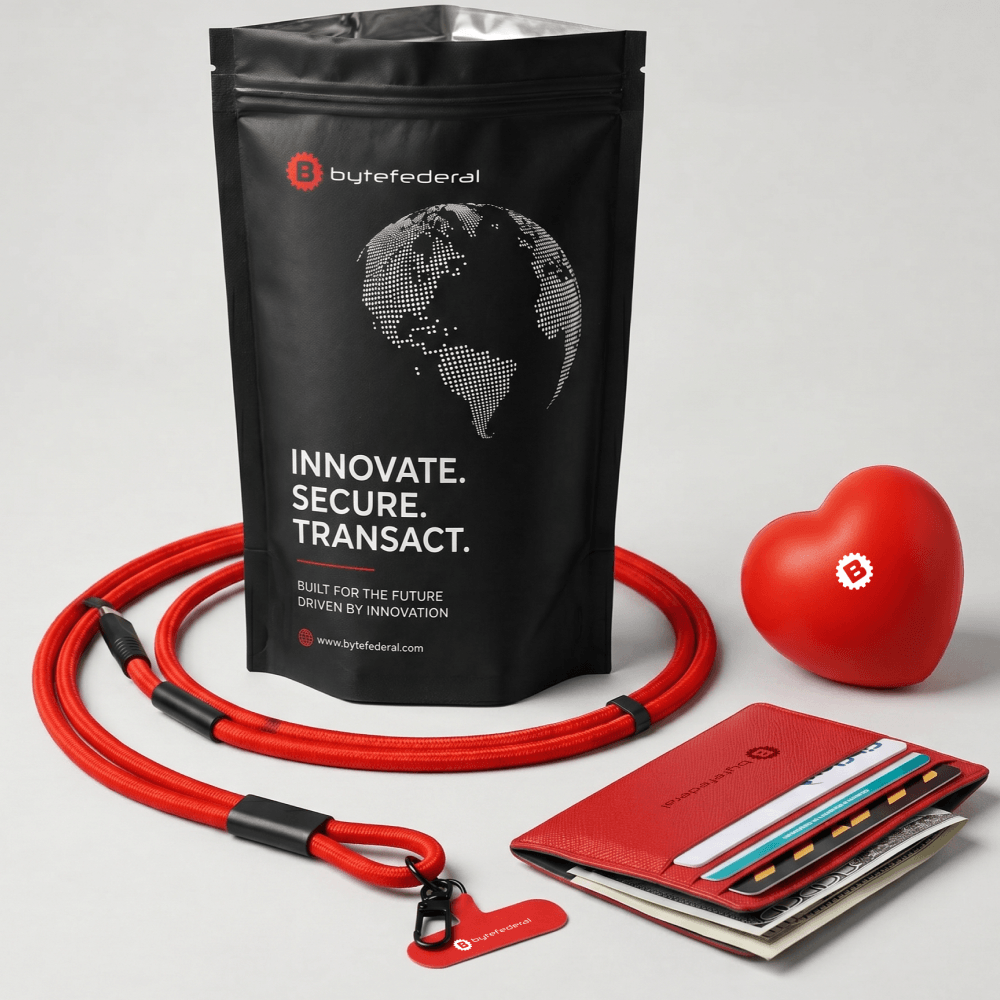
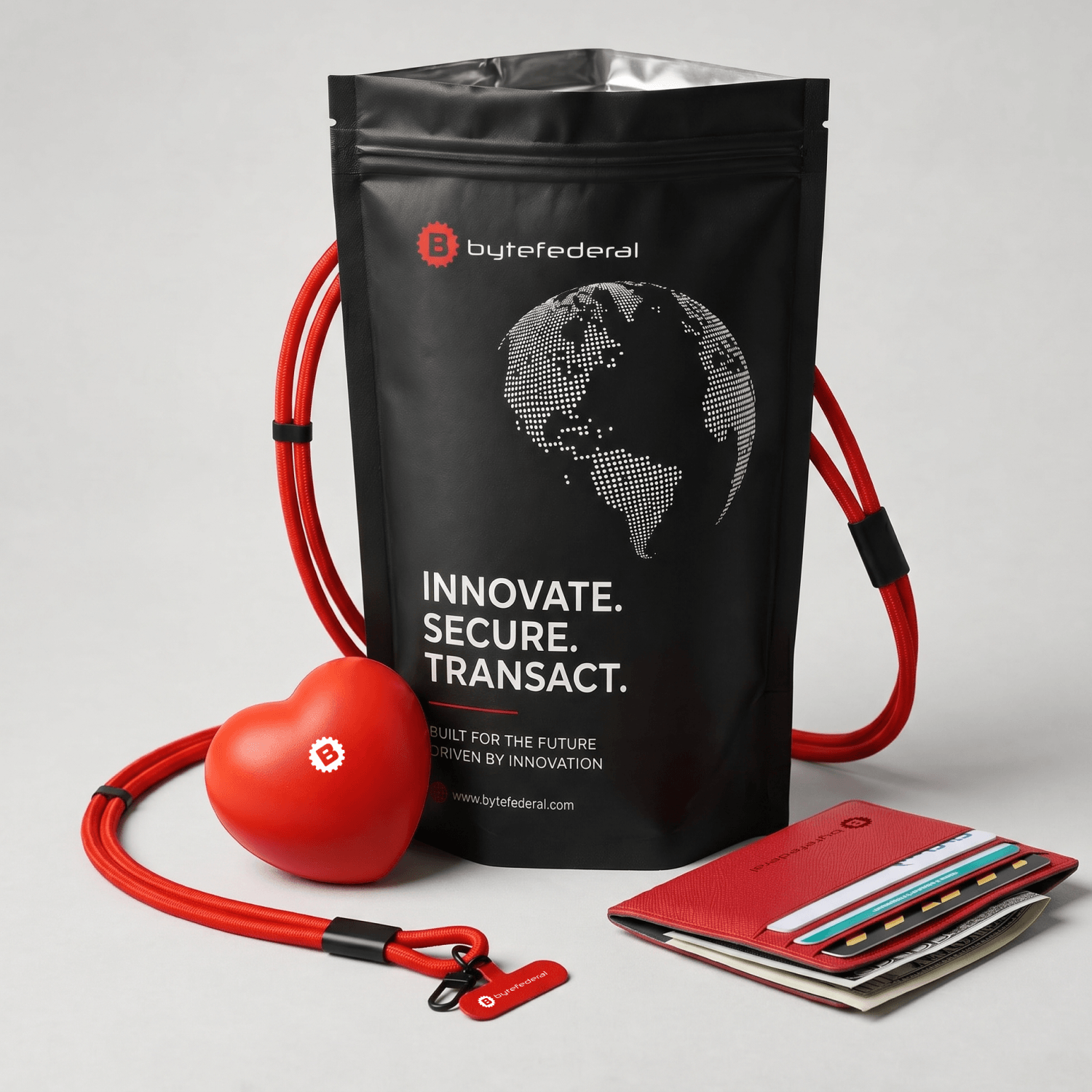
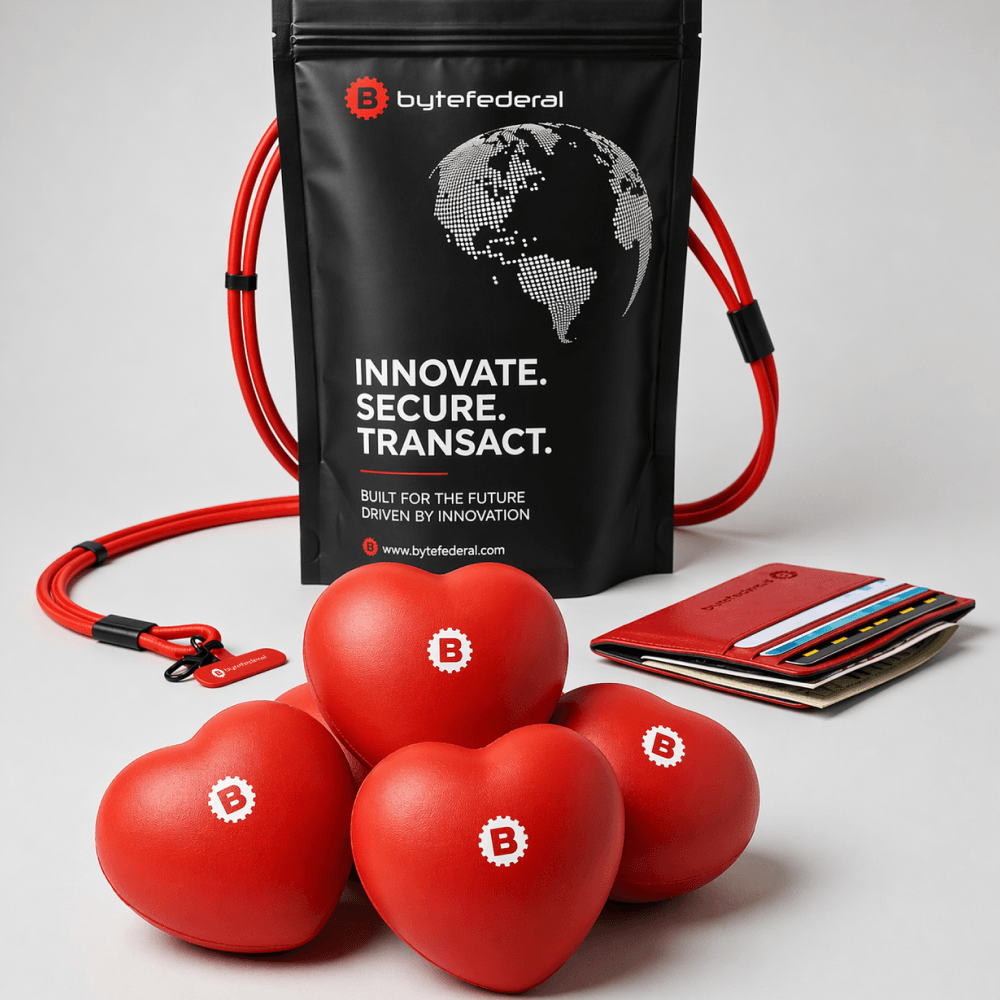
ByteFederal: compact flexible packaging
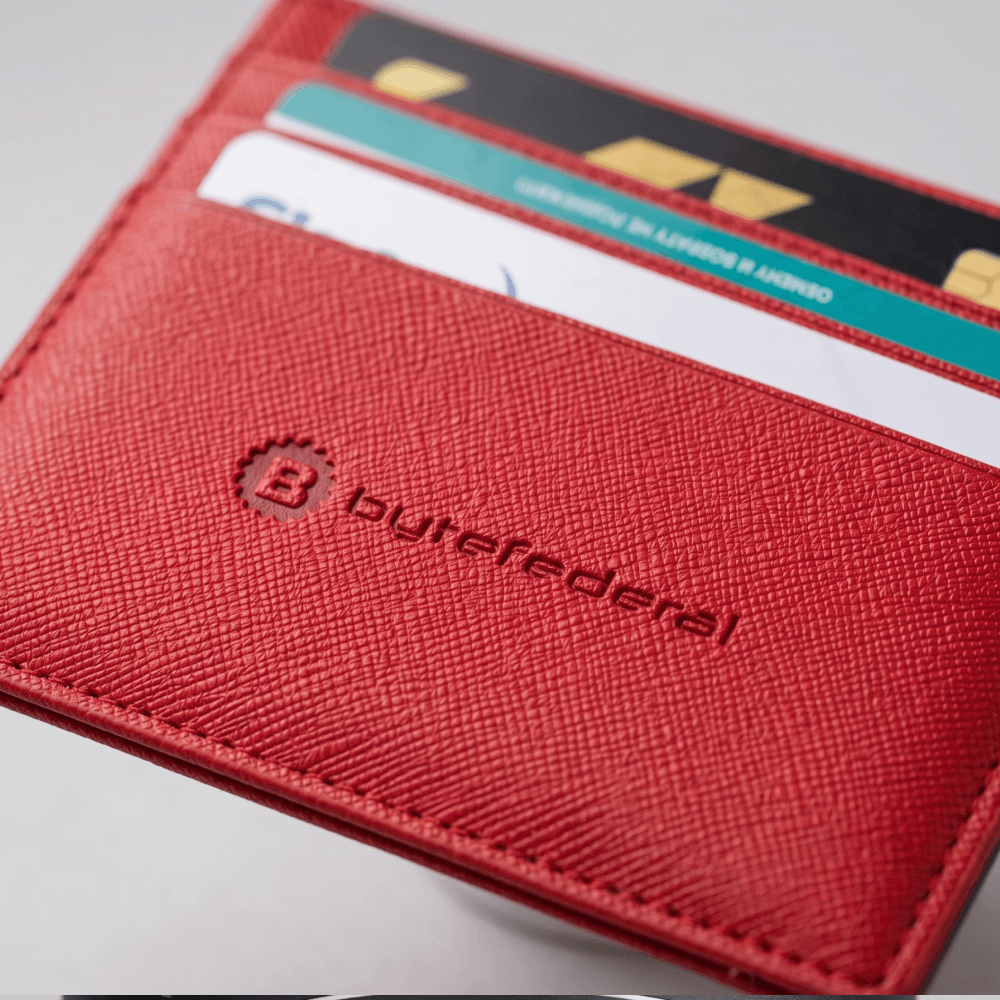
The stand-up pouch reduces bulk, while the cardholder and cable maintain a businesslike fintech character.
Case studies and details of completed projects
Two photos from each project show not only the overall appearance but also the quality of assembly, branding, and packaging.
Case studyIOTAlabsA planner, soft-touch pen, and stand-up pouch: a compact format for a small production run.
View case study →Case studyByteFederalA compact fintech set with a cable, cardholder, stress-relief item, and soft packaging.
View case study →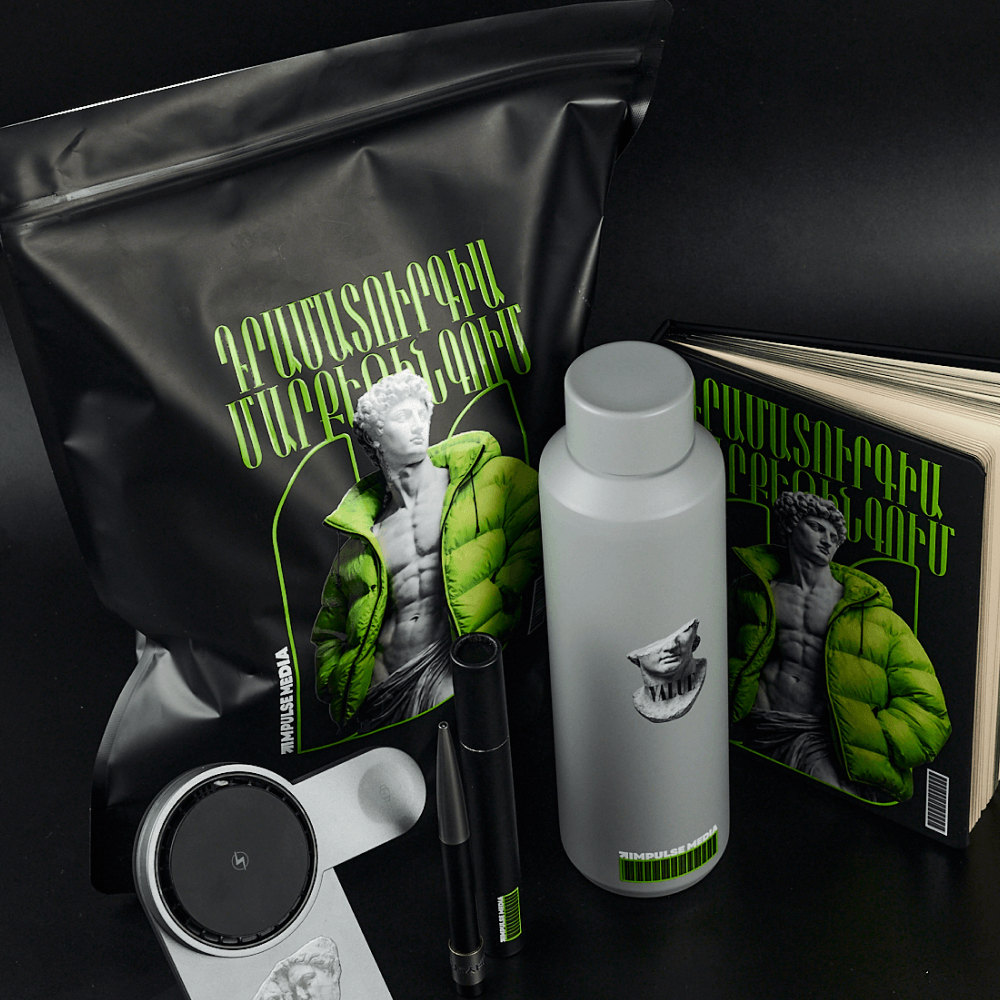
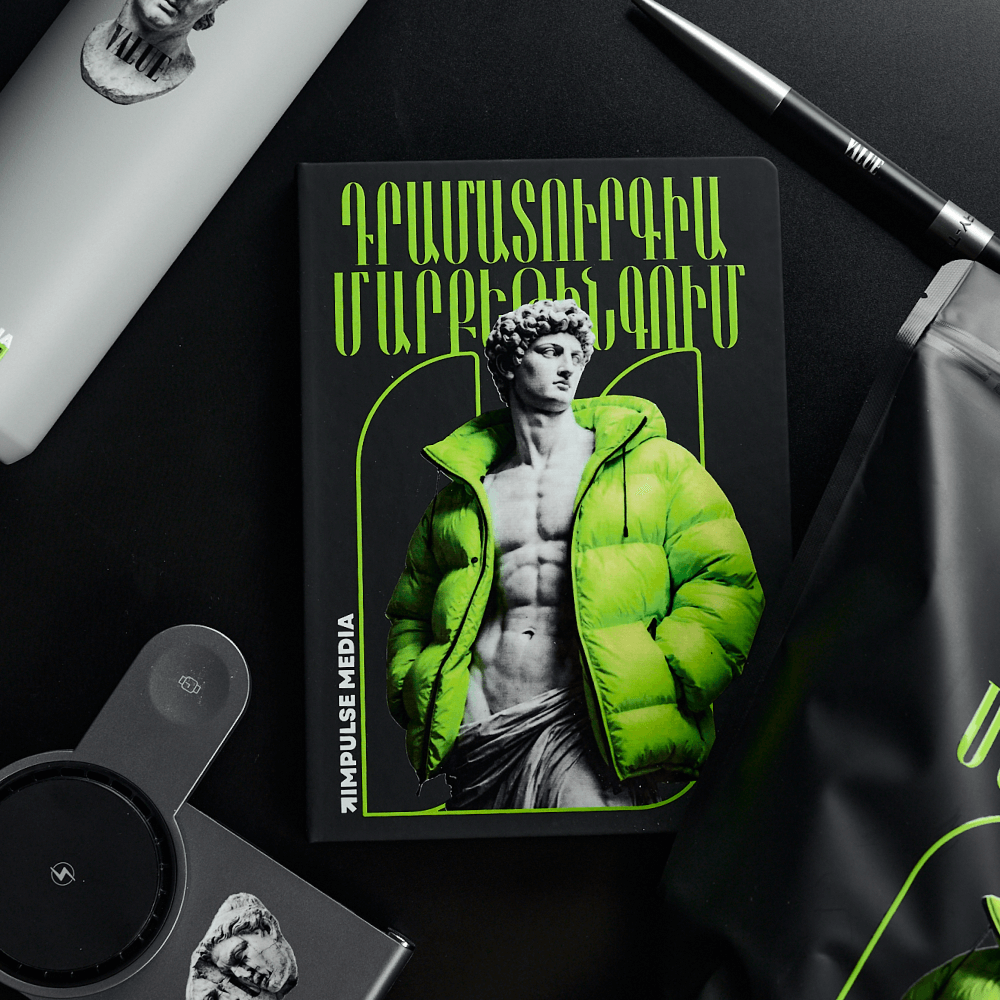 Case studyWelcome kit Impulse Media
The charger, insulated bottle, mat, and planner illustrate how the set is used at work.
View case study →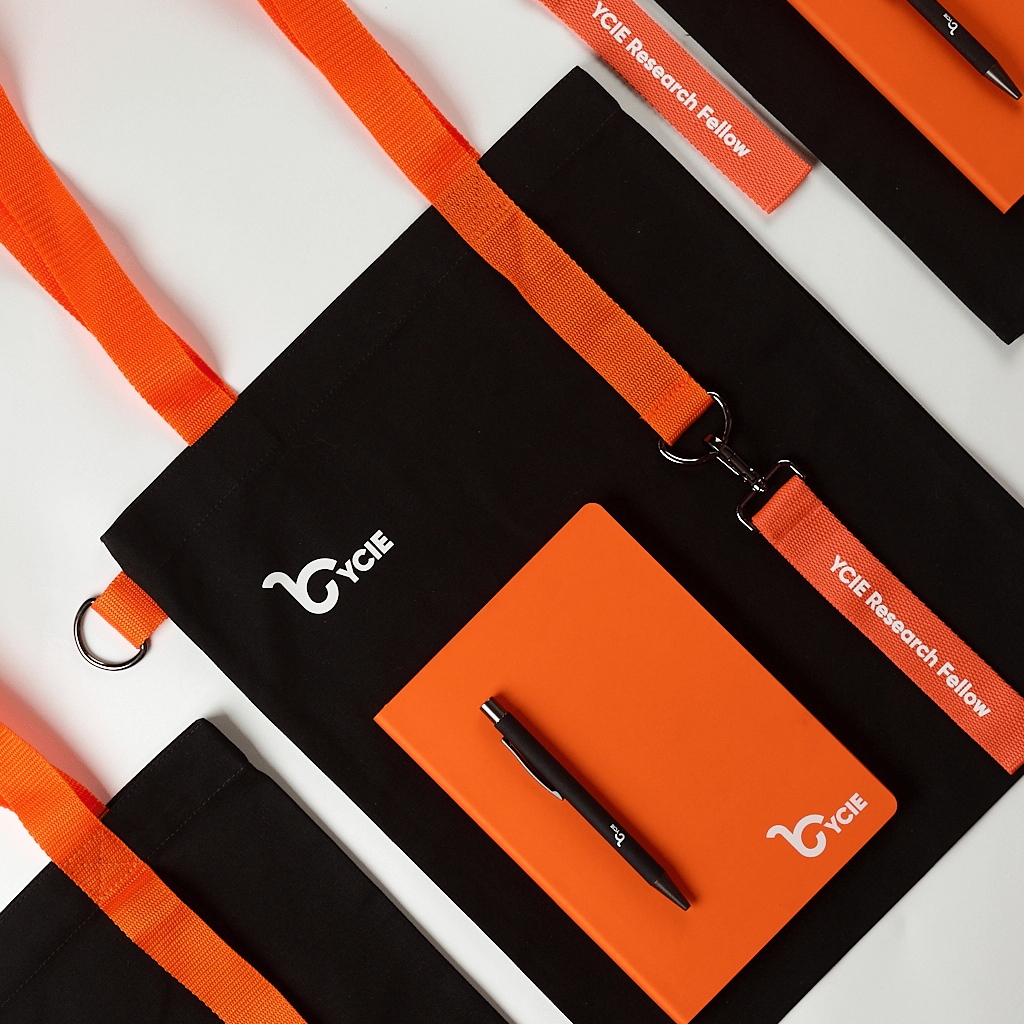
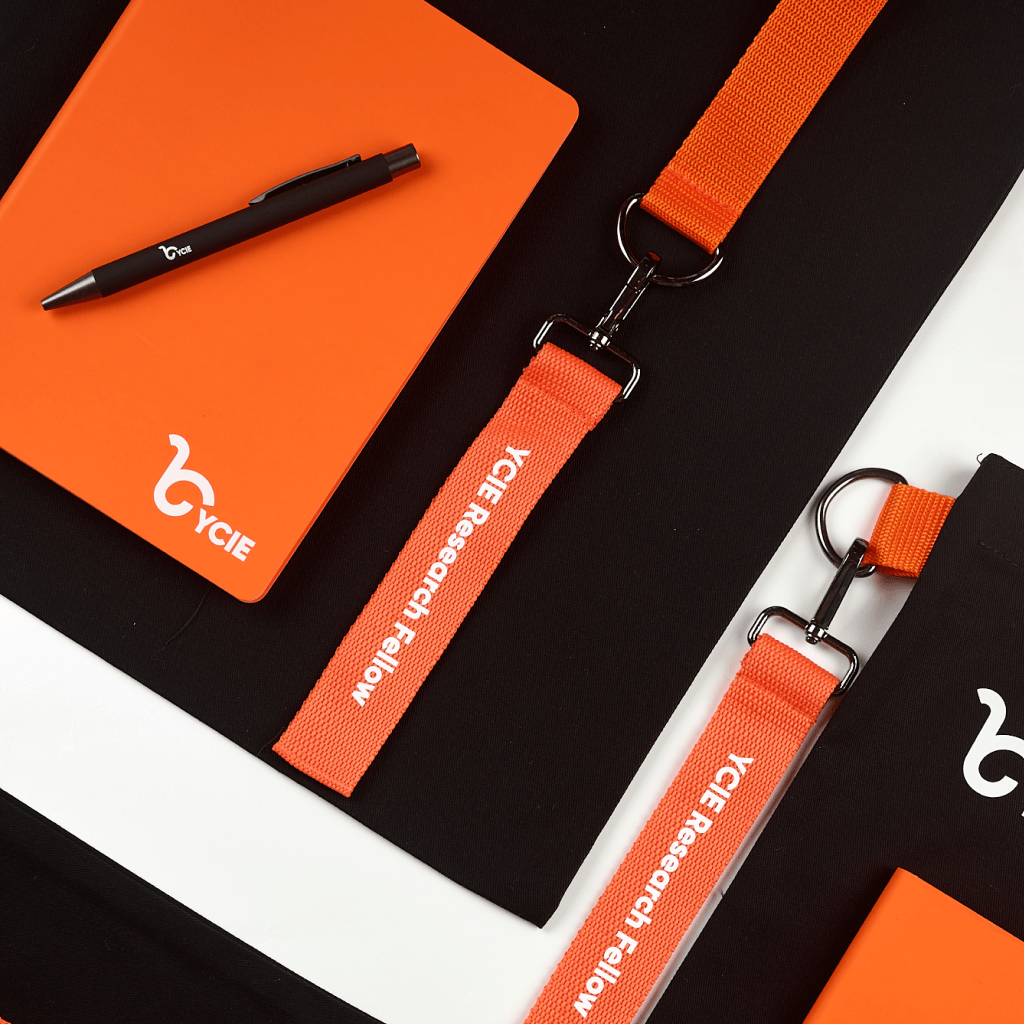 Case studyYCIE
A tote bag, planner, pen, and fabric key tag in a striking black-and-orange design system.
View case study →How to compare proposals
Compare the same scope—products, branding, artwork preparation, packaging, assembly, reserve, and delivery—rather than a total with no breakdown. If one quote excludes assembly, it only appears cheaper.
Fixed setup work has a particularly noticeable impact on a small batch. Sometimes it is more cost-effective to remove one weak item and put the resources toward high-quality branding of the main element.
| Article | What to clarify | Why it matters |
|---|---|---|
| Products | Model, color, stock | The batch may change |
| Branding technique | Technique and preparation | There is fixed setup work |
| Packaging | Ready-made or custom | Different MOQs |
| Assembly | What is included | Affects readiness |
| Delivery | One address or many | Changes the project model |
A short path from brief to finished kits
The brief records the quantity, date, roles, palette, and must-have item. The manager checks stock and suggests two backup items. After approval, one physical kit is assembled to check the composition and packaging.
Branding and assembly begin only after that. This sequence reduces the risk of 50 good items ending up in an impractical box or looking like five unrelated purchases.
Items for targeted customization
First compare four products with one function, then four with a second function. Any item can be replaced without losing the set's logic.
Cardholders and covers
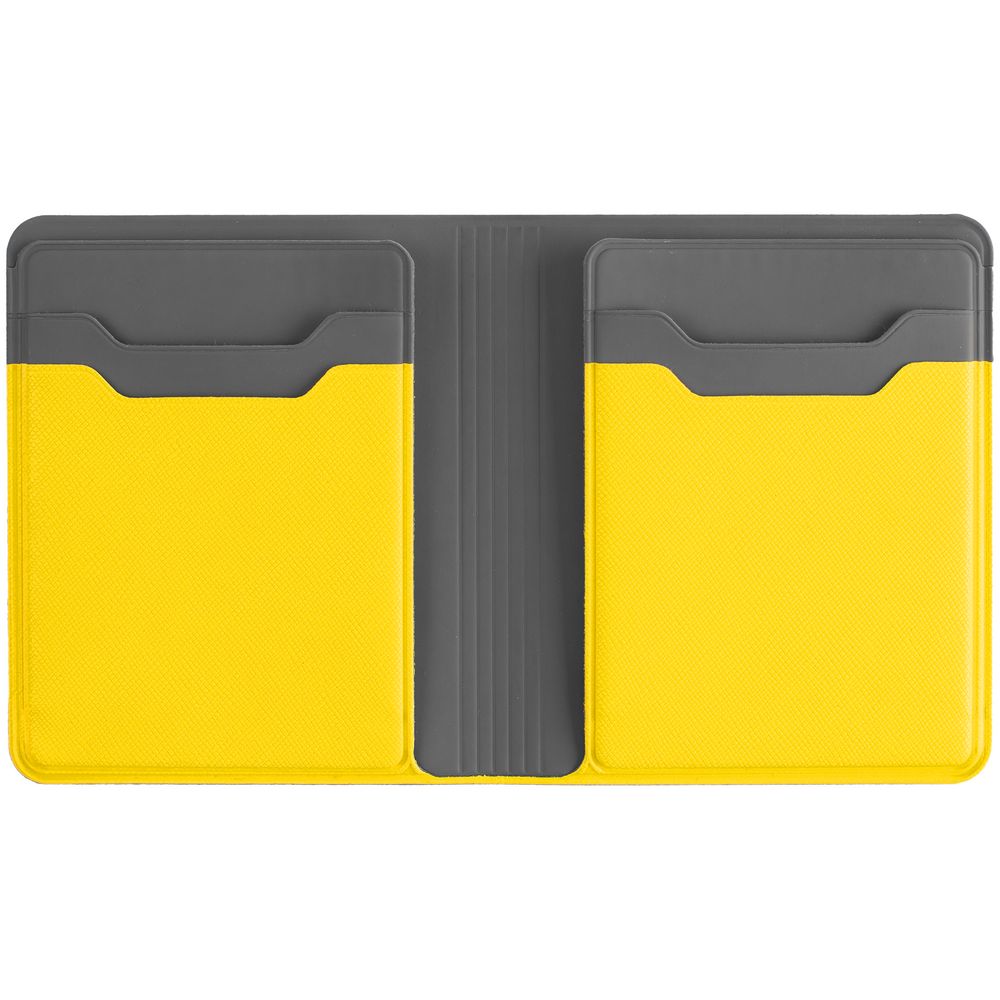 Cardholders and coversDual cardholder with a banknote compartmentSuitable for the “cardholders and covers” section; we will confirm branding and availability for the order quantity.Open in the catalog →
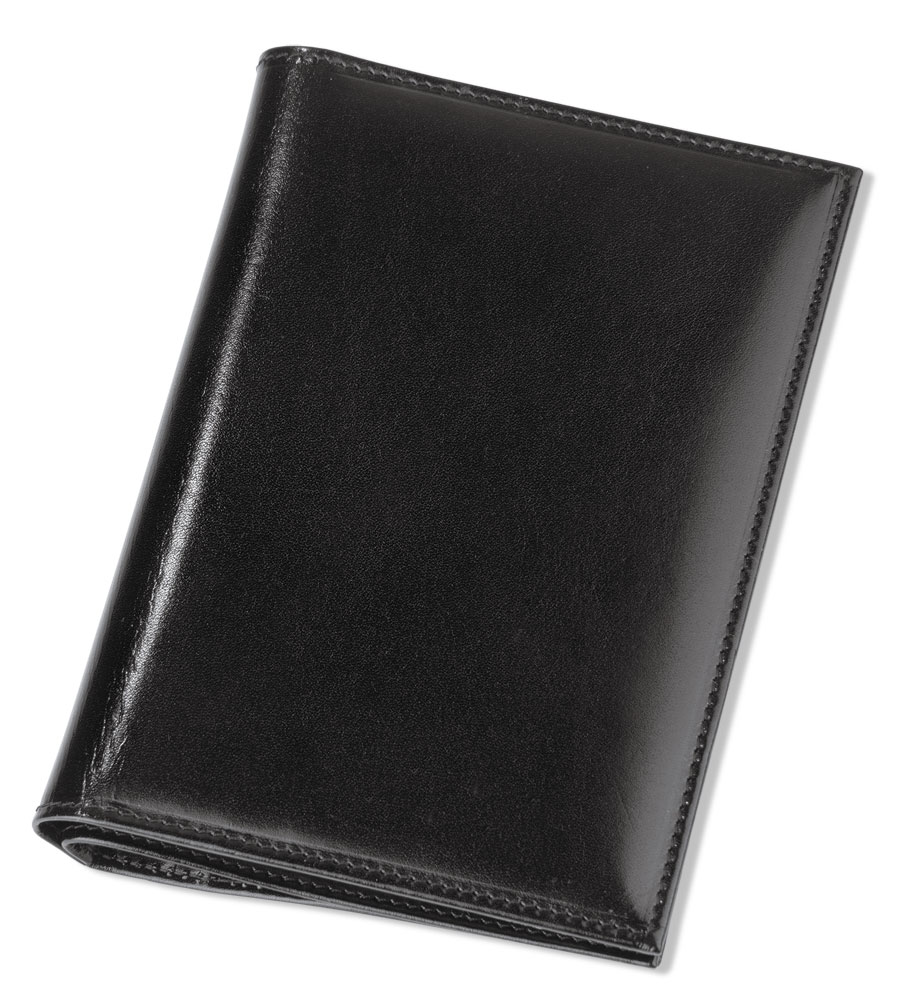 Cardholders and coversOmnia Mea cover for vehicle documents and a passportSuitable for the “cardholders and covers” section; we will confirm branding and availability for the order quantity.Open in the catalog →
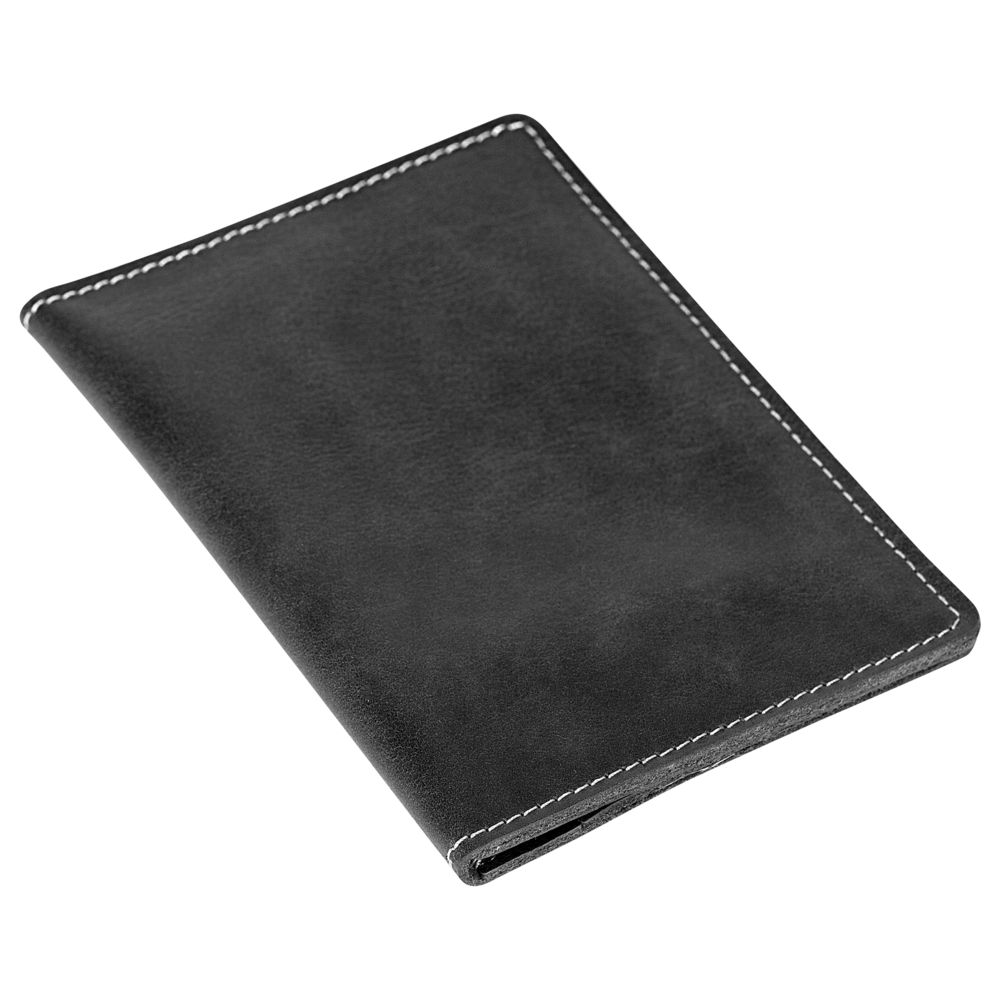 Cardholders and coversApache driver's walletSuitable for the “cardholders and covers” section; we will confirm branding and availability for the order quantity.Open in the catalog →
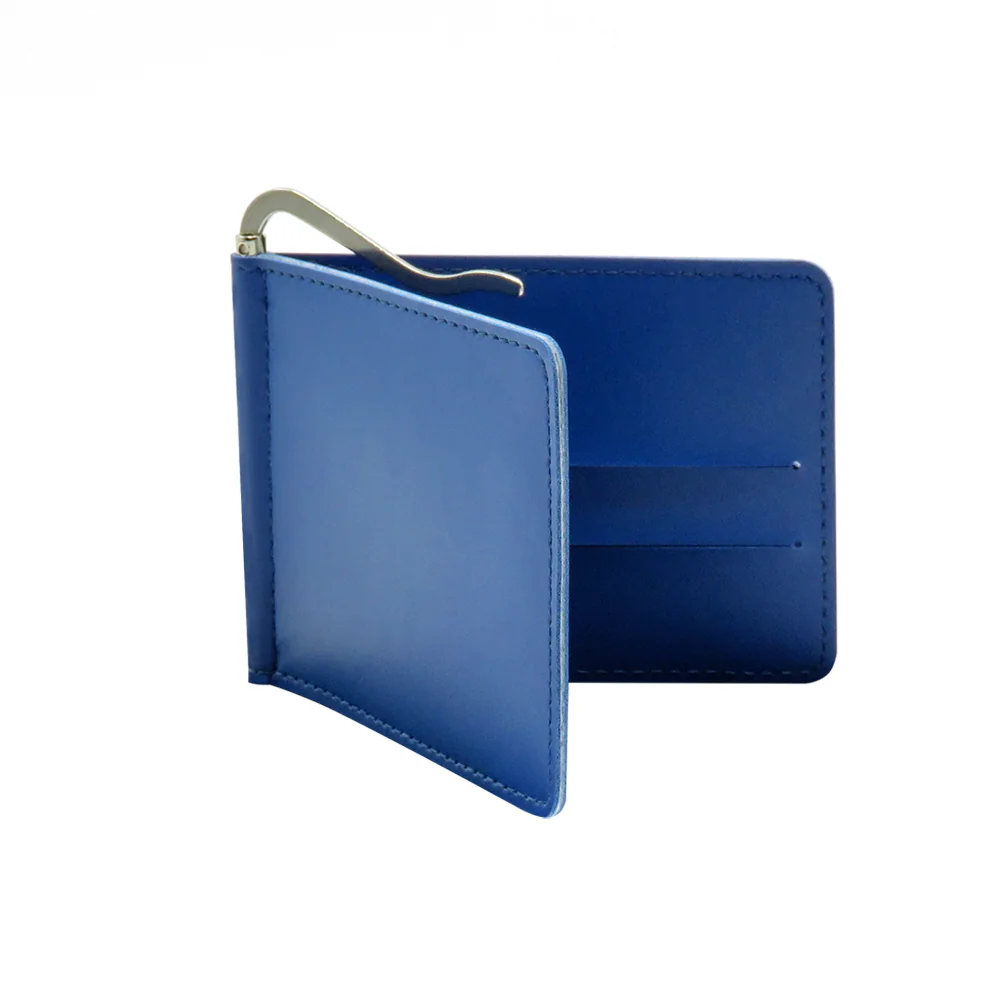 Cardholders and coversDrogo bank cardholder with a metal money clipSuitable for the “cardholders and covers” section; we will confirm branding and availability for the order quantity.Open in the catalog →
Boxes for assembling sets
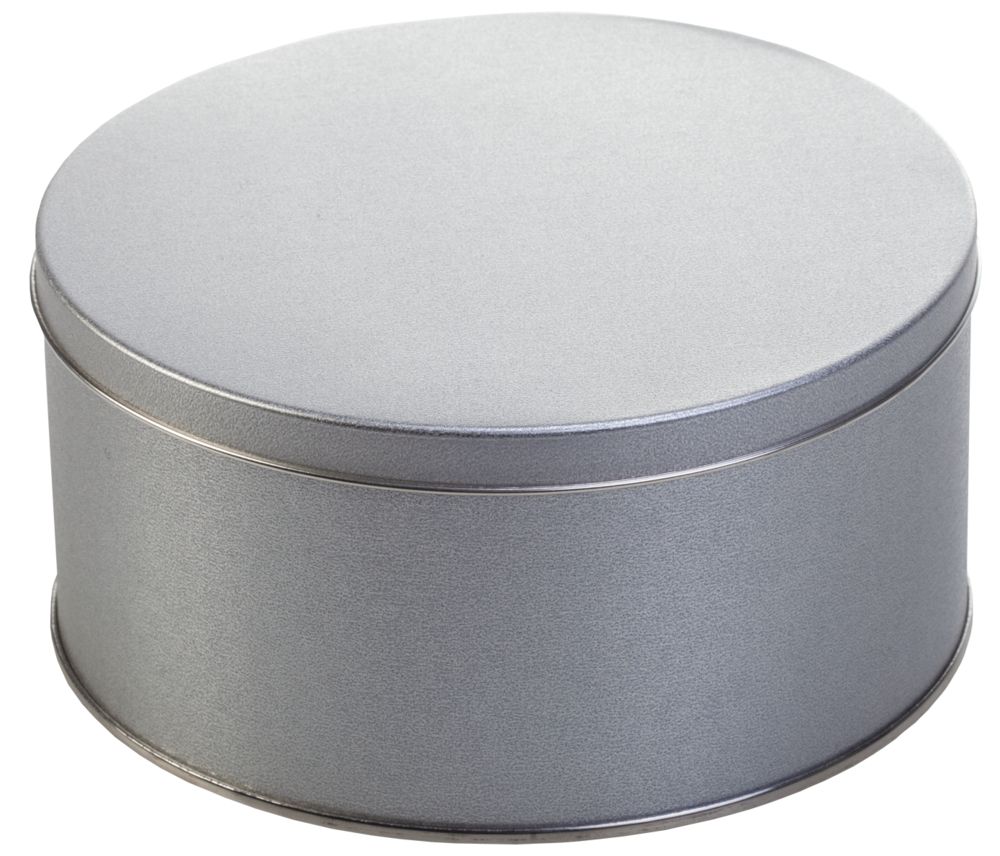 Boxes for assembling setsPragmax M box, roundSuitable for the “boxes for assembling sets” section; we will confirm branding and availability for the order quantity.Open in the catalog →
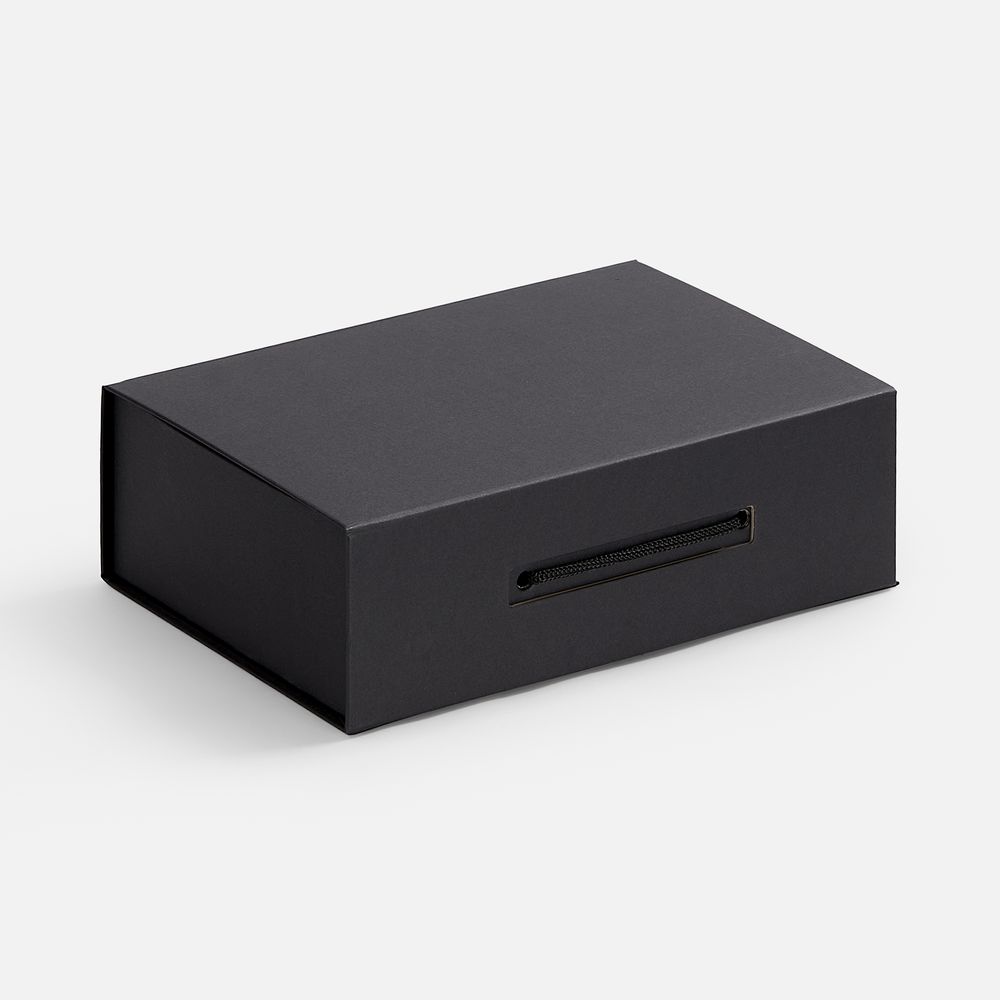 Boxes for assembling setsMatter boxSuitable for the “boxes for assembling sets” section; we will confirm branding and availability for the order quantity.Open in the catalog →
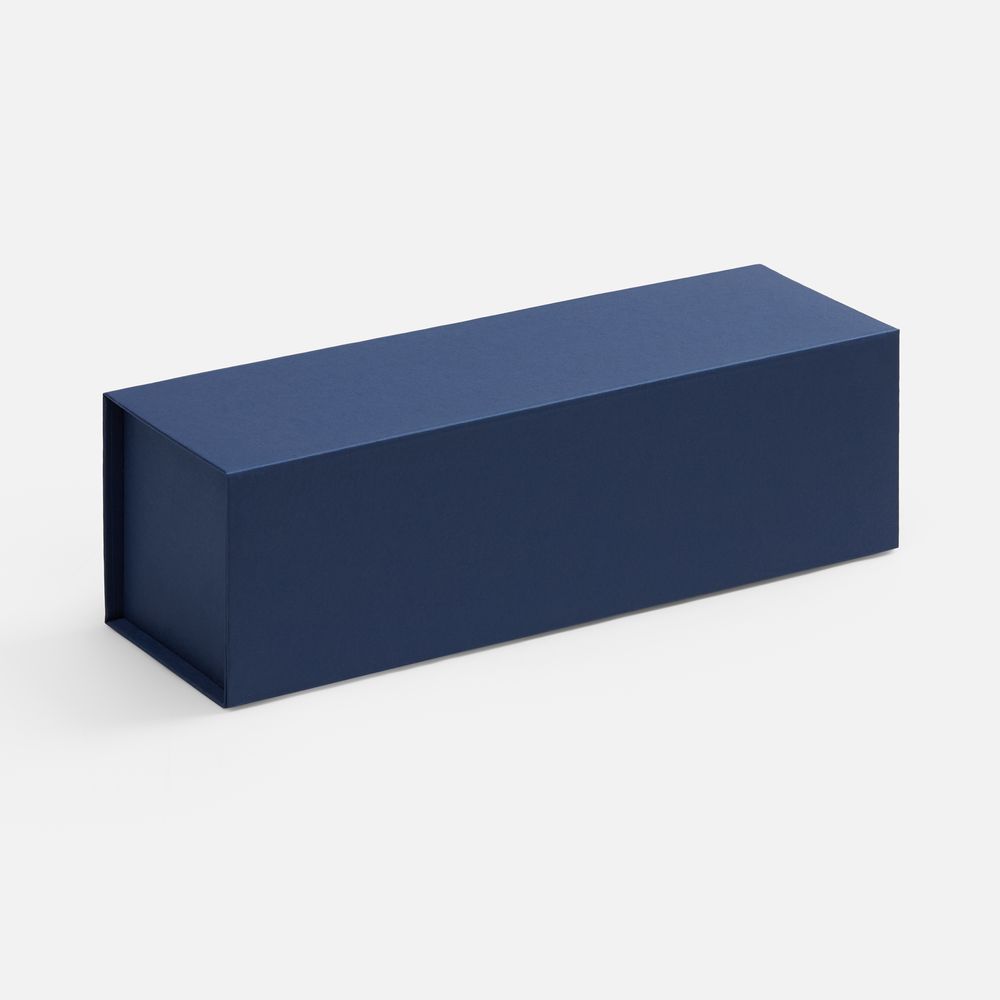 Boxes for assembling setsColor Jacket Fold folding bottle boxSuitable for the “boxes for assembling sets” section; we will confirm branding and availability for the order quantity.Open in the catalog →
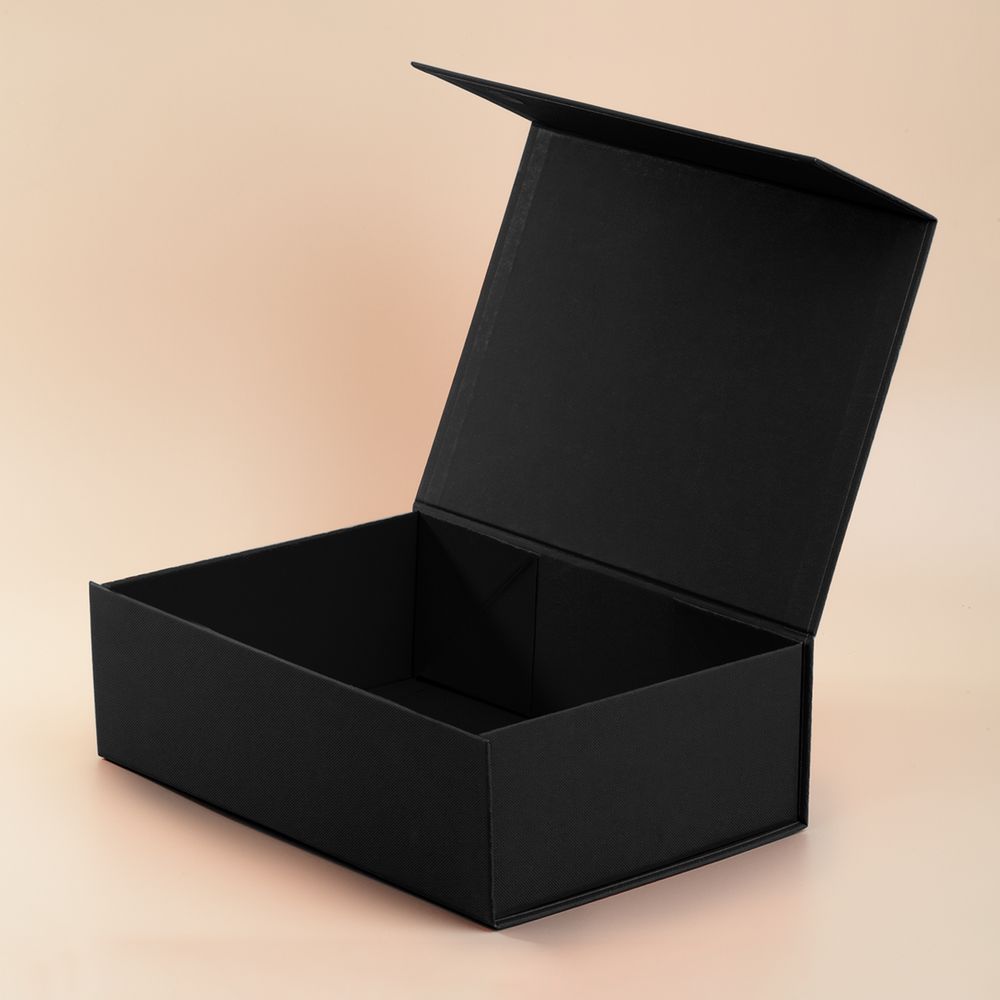 Boxes for assembling setsPortada folding box, LSuitable for the “boxes for assembling sets” section; we will confirm branding and availability for the order quantity.Open in the catalog →
Frequently asked questions
Can I order exactly 30 kits?
Sometimes, yes, but the minimum quantity is checked separately for each product, technique, and packaging option.
What is best to customize?
One main item, printed materials, and a packaging accent.
Is a custom box needed?
Not always. A ready-made box, sleeve, tote bag, or stand-up pouch is often more practical.
Which techniques are suitable?
UV, laser, and DTF are often convenient, but the decision is made after testing the material and checking the MOQ.
How can you protect against stock running out?
Approve backup models and secure stock before production begins.
How many options should you request from the manager?
Two or three, built around one objective and different levels of contents.