For the “How to measure Welcome kit effectiveness” project, first define the new employee handover, audience, quantity, and date. Then choose two functional product groups, one branded detail, and a reserve. Impulse Media will check stock, branding, packaging, and delivery before the production run starts.
How to measure Welcome kit effectiveness should help the person, not simply display the logo. We assess each item by its function, surface quality, ease of delivery, and connection to the brand.
Below is a working structure for the “How to measure Welcome kit effectiveness” project from the Impulse Media team: categorized catalog selections, real projects, decision tables, review questions, and a route to a personalized selection.
Ready-made gift sets and planners and notebooks
First compare four products with one function, then four with a second function. Any item can be replaced without losing the set's logic.
Ready-made gift sets
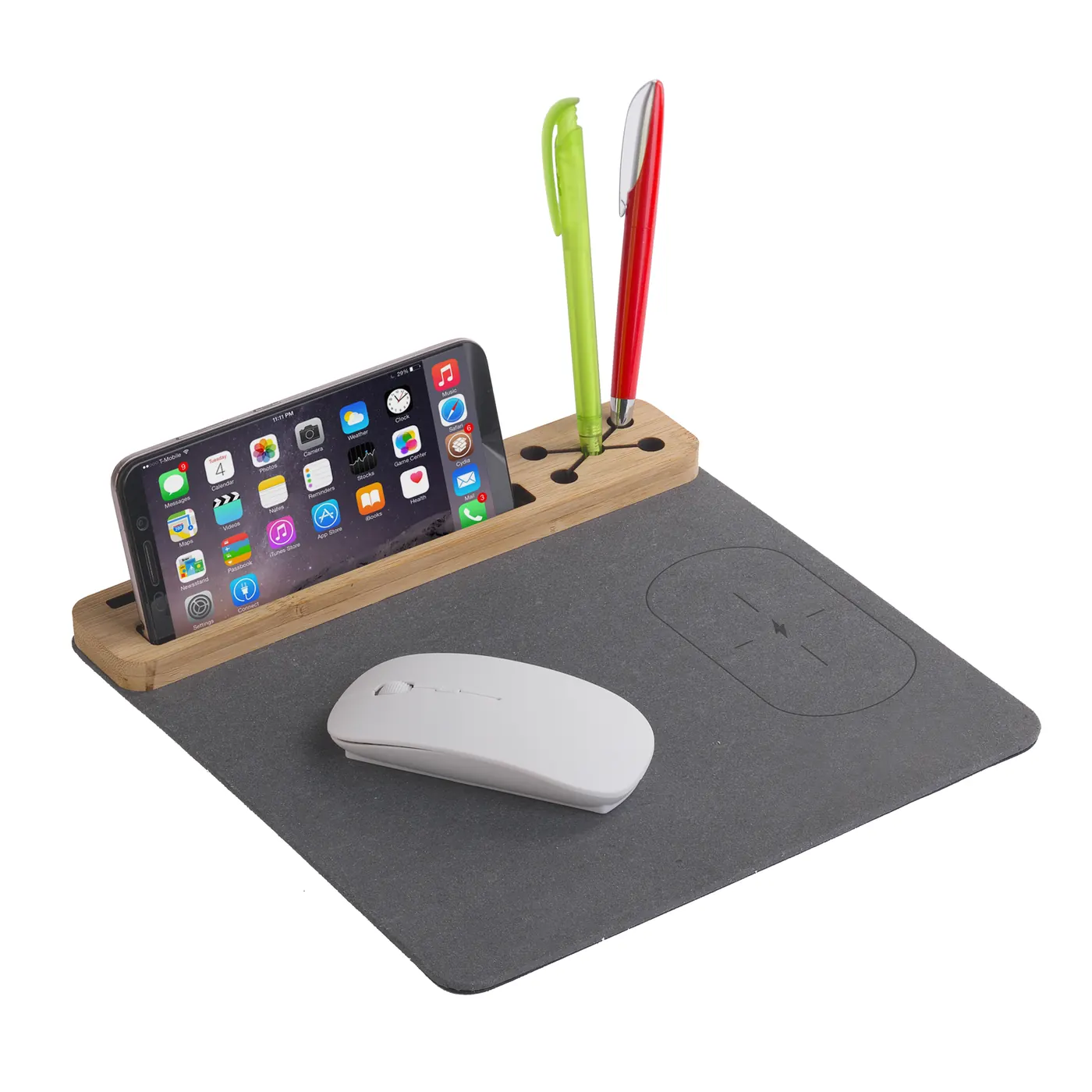 Ready-made gift setsDesktop stand with wireless charger, recycled leather/bambooSuitable for the “ready-made gift sets” section; we will confirm branding and availability for the order quantity.Open in the catalog →
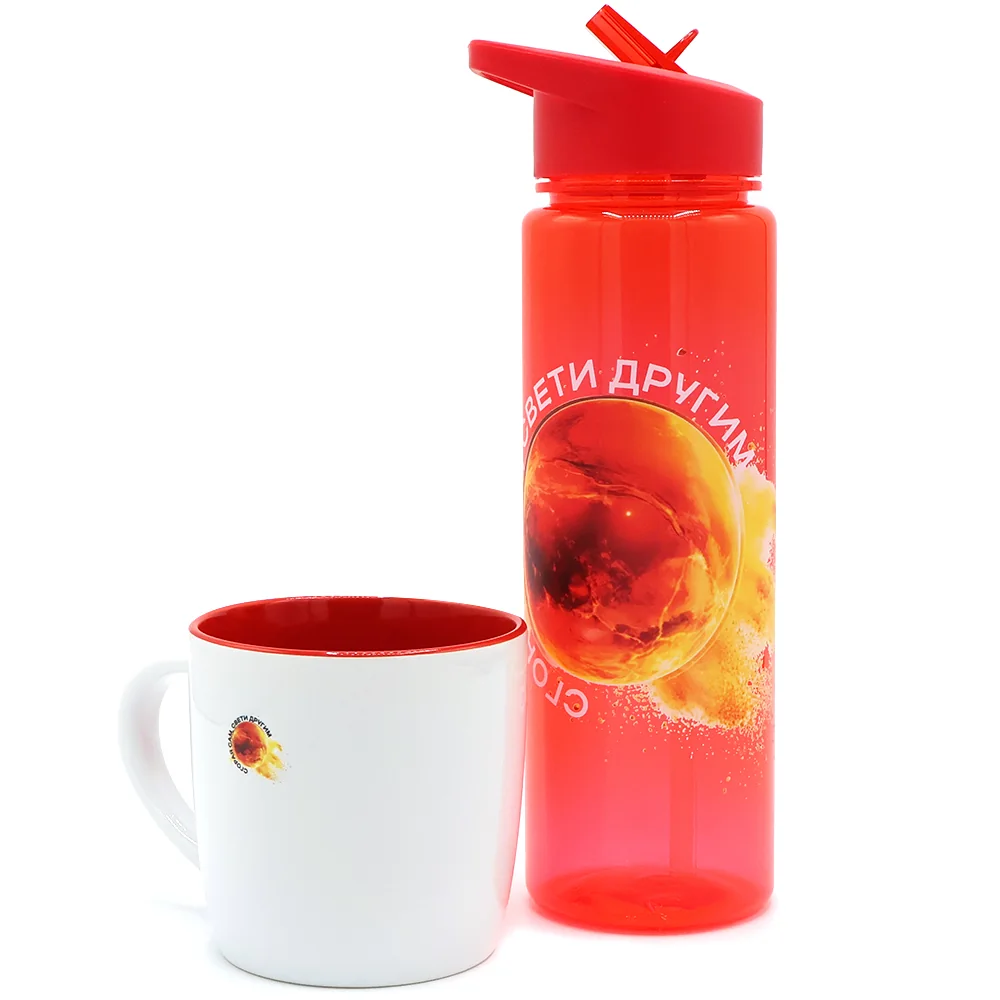 Ready-made gift setsСГОРАЯ САМ, СВЕТИ ДРУГИМ setSuitable for the “ready-made gift sets” section; we will confirm branding and availability for the order quantity.Open in the catalog →
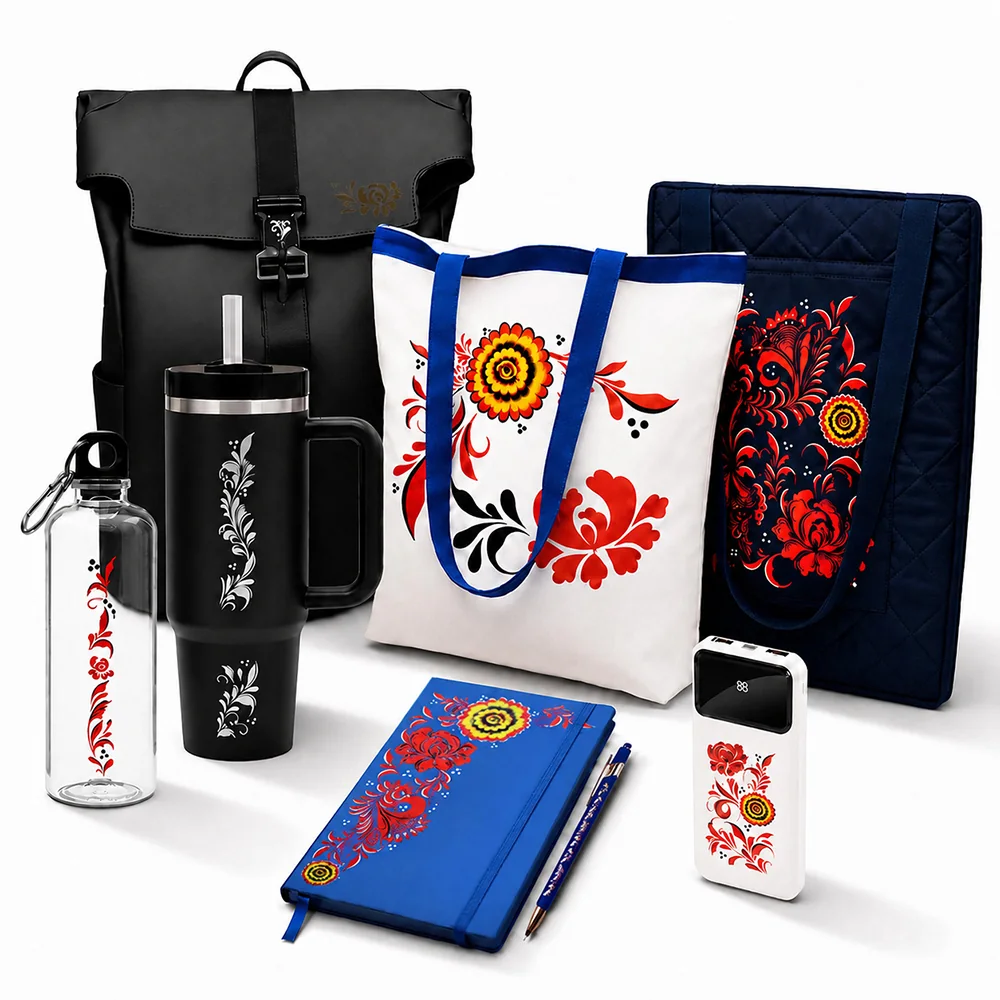 Ready-made gift setsКАЛИНА КРАСНАЯ setSuitable for the “ready-made gift sets” section; we will confirm branding and availability for the order quantity.Open in the catalog →
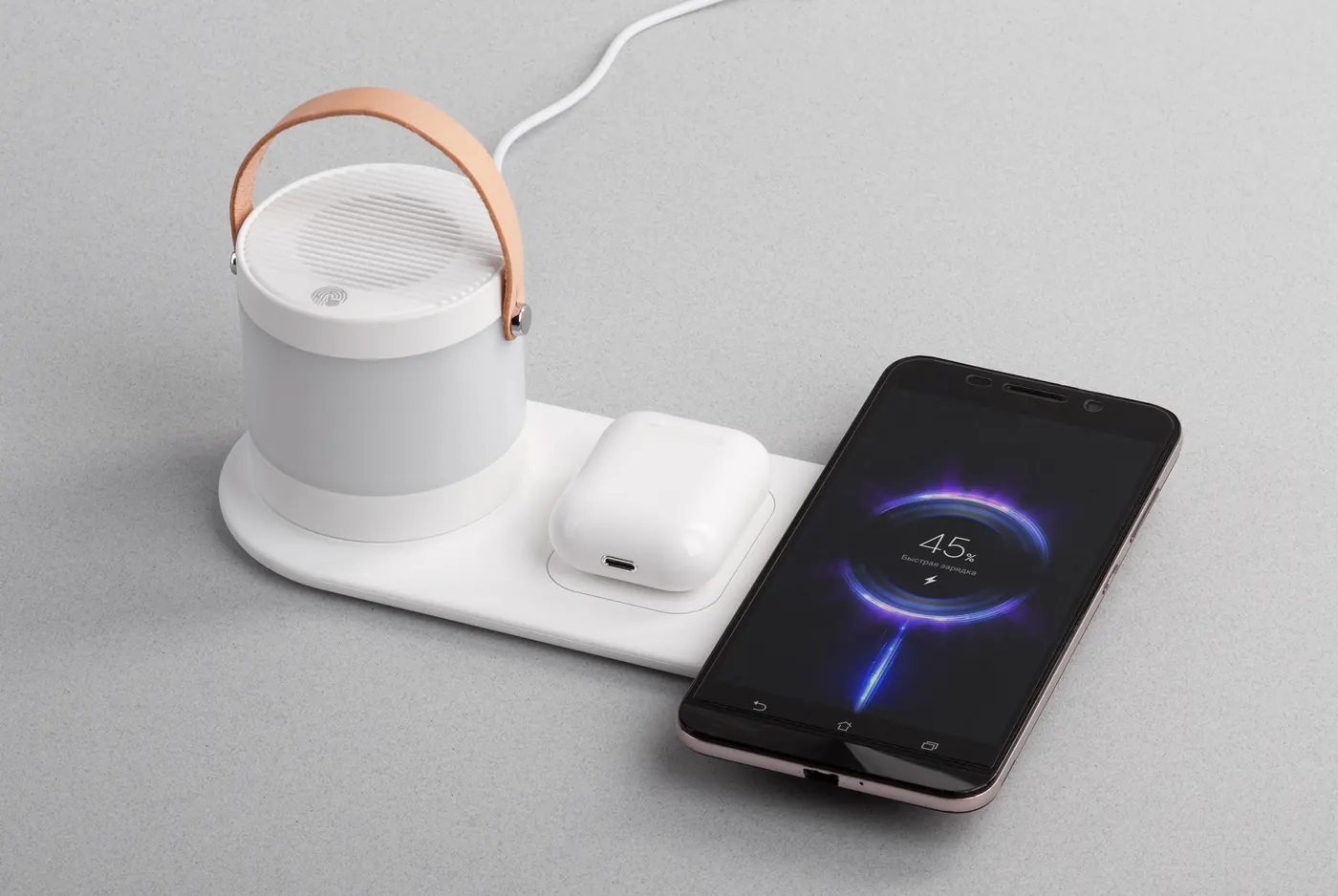 Ready-made gift sets“Smart Home” desktop wireless charging station (15W) with a Bluetooth speaker lampSuitable for the “ready-made gift sets” section; we will confirm branding and availability for the order quantity.Open in the catalog →
Planners and notebooks
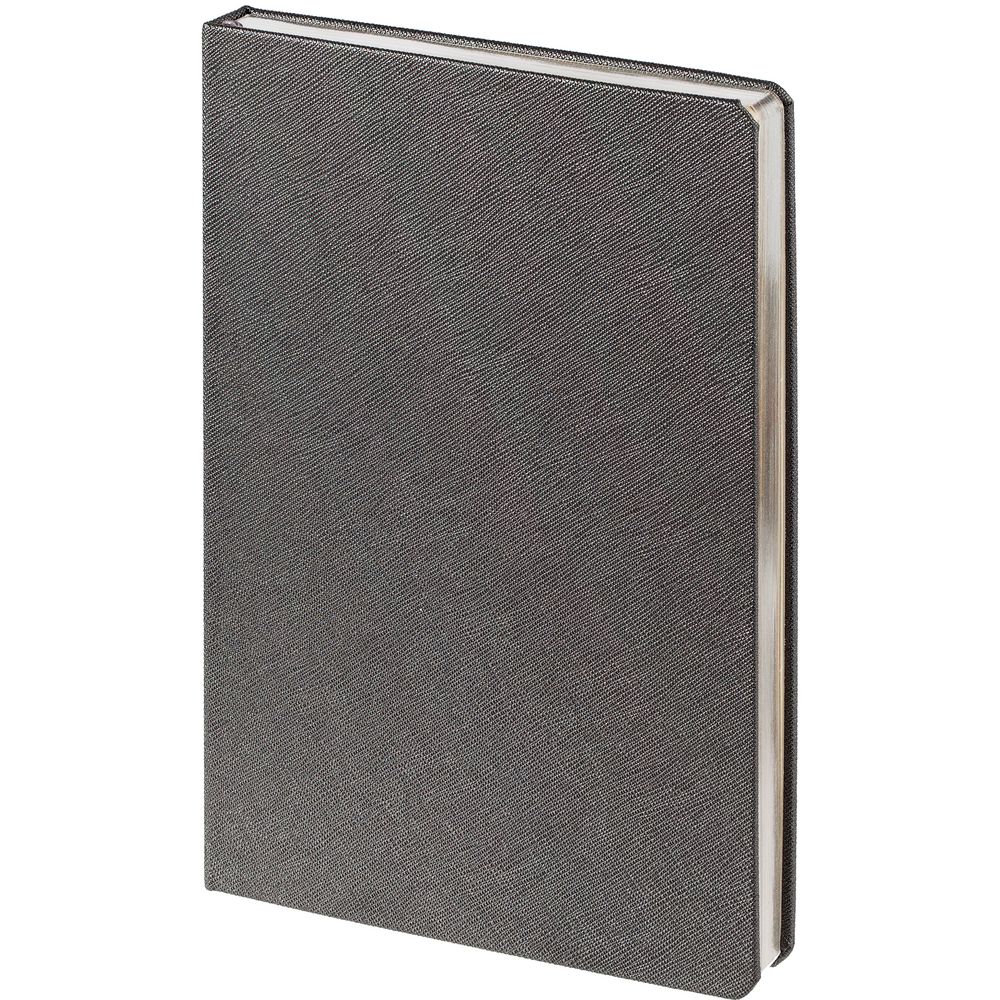 Planners and notebooksSaffian undated plannerSuitable for the “planners and notebooks” section; we will confirm branding and availability for the order quantity.Open in the catalog →
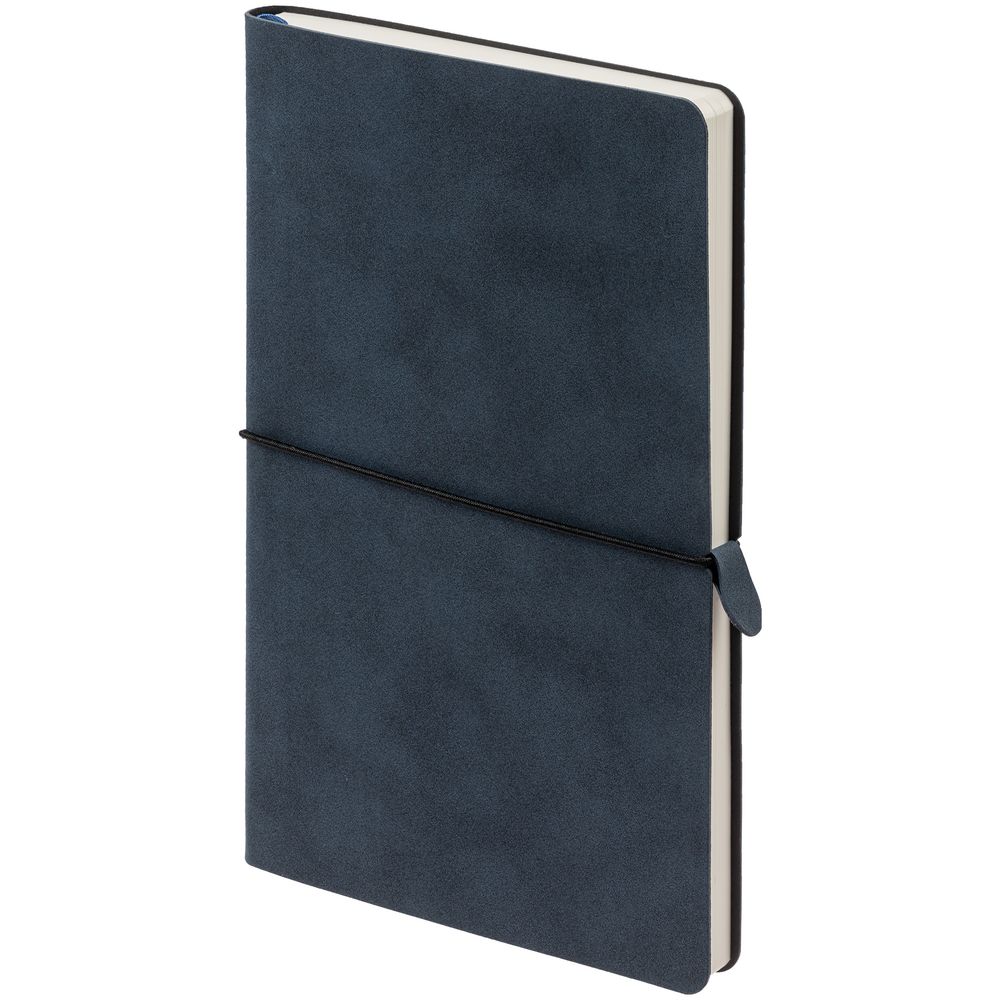 Planners and notebooksNubuk undated plannerSuitable for the “planners and notebooks” section; we will confirm branding and availability for the order quantity.Open in the catalog →
 Planners and notebooksEssing L squared notebookSuitable for the “planners and notebooks” section; we will confirm branding and availability for the order quantity.Open in the catalog →
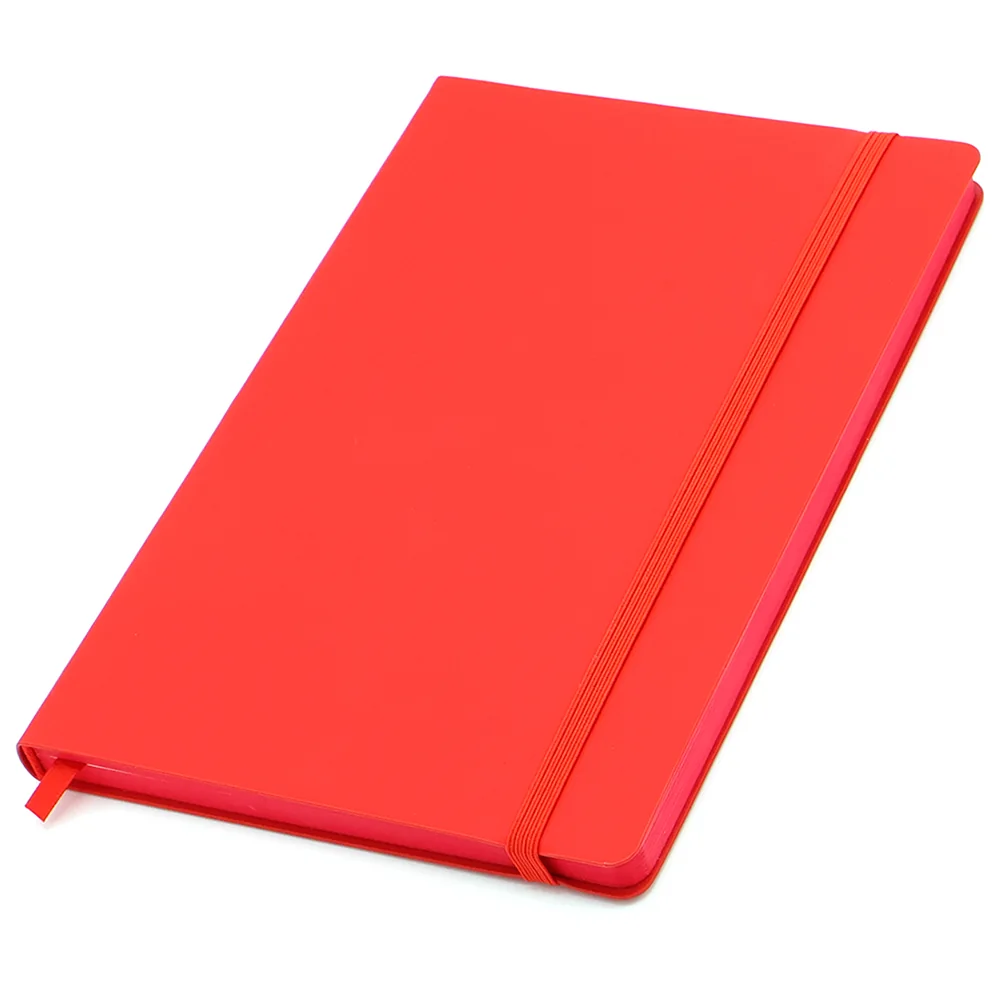 Planners and notebooksDante A5 undated softcover planner with a soft-touch finishSuitable for the “planners and notebooks” section; we will confirm branding and availability for the order quantity.Open in the catalog →
We will develop how to measure Welcome kit effectiveness for your requirements
For the “How to measure Welcome kit effectiveness” project, the Impulse Media team will start with recipients, use case, quantity, and date. We will then suggest several combinations of actual products and immediately show equivalent replacements.
In the “How to measure Welcome kit effectiveness” selection, we will check materials, branding, packaging, and logistics. The project can be assembled in Russia or Armenia, supplemented with products from Europe and China, and priced in RUB or AMD.
Limits of influence
How to measure Welcome kit effectiveness starts with the moment of use, not the number of items. We clarify what the person should do immediately after the first workday: open their work laptop, get to the office, hold a meeting, relax at home, or share the gift with their family. This gives every item a function and keeps the set from becoming a display of random souvenirs.
The audience, roles, working arrangements, and geography matter to the project. The same contents may work well in an office but poorly for individual delivery. That is why the Impulse Media team first defines the use cases, then proposes primary and backup contents, and only then prepares the artwork. For “How to measure Welcome kit effectiveness,” we check this criterion at the “limits of influence” stage.
The practical scope of the topic: Do not attribute an effect on retention to the kit without a properly designed study. We do not promise availability or a technology based on a catalog image; before launch, we confirm the specific material, color, stock level, and branding test.
metrics tree
It is useful to build the contents in layers. The first layer addresses an everyday need, the second supports brand identity, and the third shapes the unboxing impression. For this topic, we consider the following groups: ready-made gift sets, planners and notebooks, water bottles, useful electronics. They provide choice without duplicating functions.
We show four alternatives in each group. This is not a requirement to include everything in one set, but a working selection for comparing shape, material, and branding possibilities. The manager will check stock and suggest an equivalent if the selected model does not meet the deadline or minimum order quantity. For “How to measure Welcome kit effectiveness,” we check this criterion at the “metrics tree” stage.
A good selection of contents is easy to explain in one sentence. If an item cannot be connected to the new employee handover, replace it with something more useful or redirect the budget to packaging and personalization. For “How to measure Welcome kit effectiveness,” we check this criterion at the “metrics tree” stage.
| Level | Objective | Selection criterion |
|---|---|---|
| Base | Regular use | Suitability for most recipients |
| Accent | Memorable detail | Connection to the brand and occasion |
| Packaging | Intuitive unboxing | Protection, organization, and labeling |
| Reserve | Consistency across the production run | Equivalent replacement without changing the concept |
surveys at 7/30/90 days
Categories are compared on more than appearance. We consider weight, size, fragility, shelf life, universal fit, and how the product will perform after branding. For large-scale distribution, simple contents and quick quantity checks are especially important. For “How to measure Welcome kit effectiveness,” we check this criterion at the “surveys at 7/30/90 days” stage.
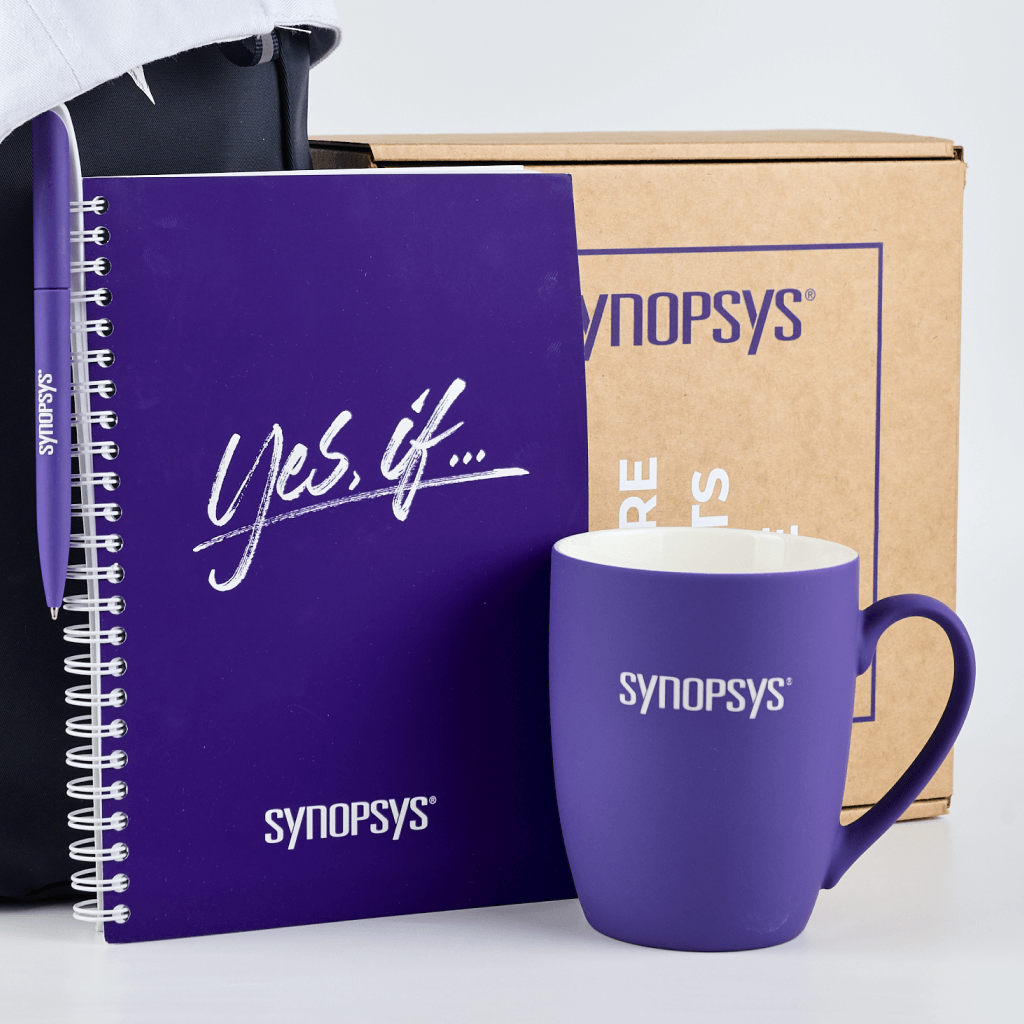
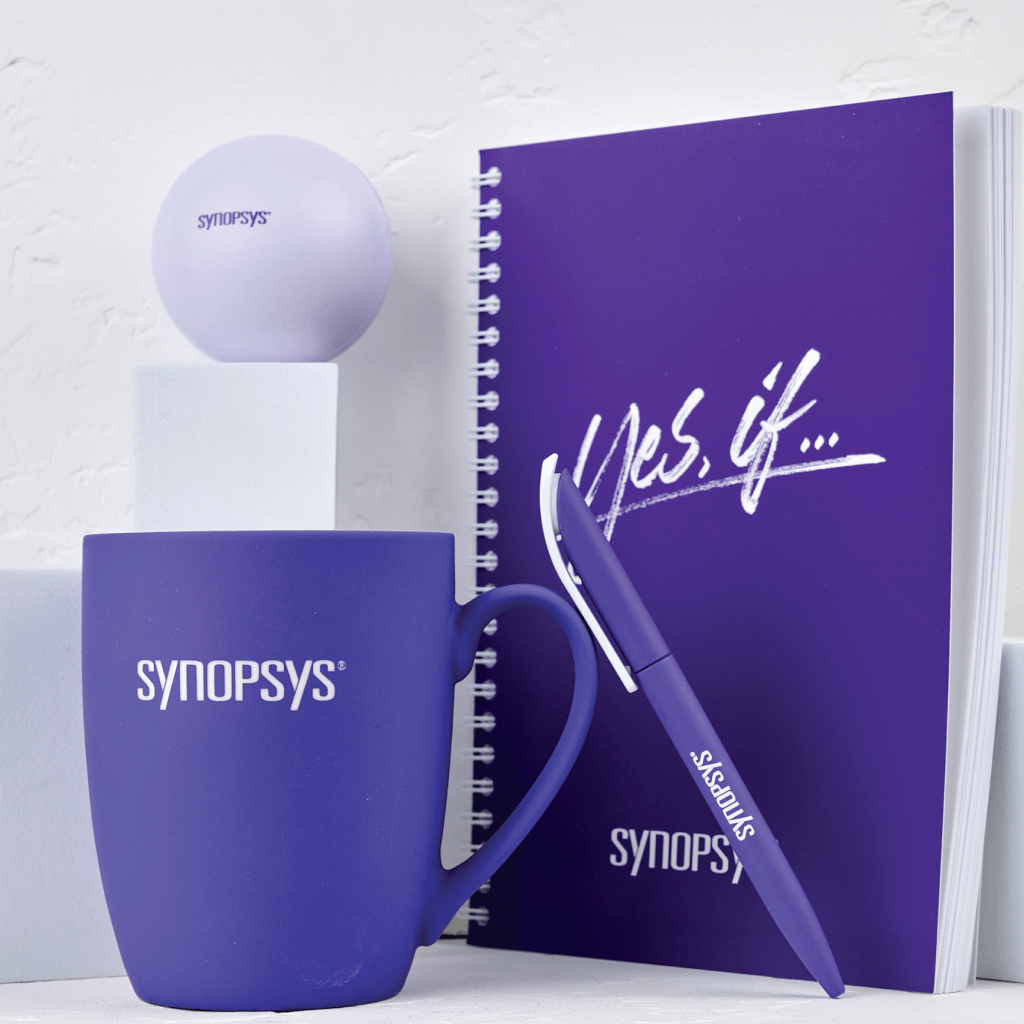
Impulse Media’s Welcome kit case study shows how several materials support a shared visual identity. In the Synopsys project, it is useful to look at the details: logo placement, color combinations, and the arrangement of items inside the packaging. These examples help identify an approach, but every new combination is checked again.
If the audience is diverse, we do not divide people into “important” and “ordinary.” It is better to create a core version with functional modules, such as office, travel, or home. The visual language stays consistent, while recipients receive something they actually need. For “How to measure Welcome kit effectiveness,” we check this criterion at the “surveys at 7/30/90 days” stage.
One strong item and neatly produced printed materials.
Two to four functions without overfilling the box.
Modules by role, city, or use case.
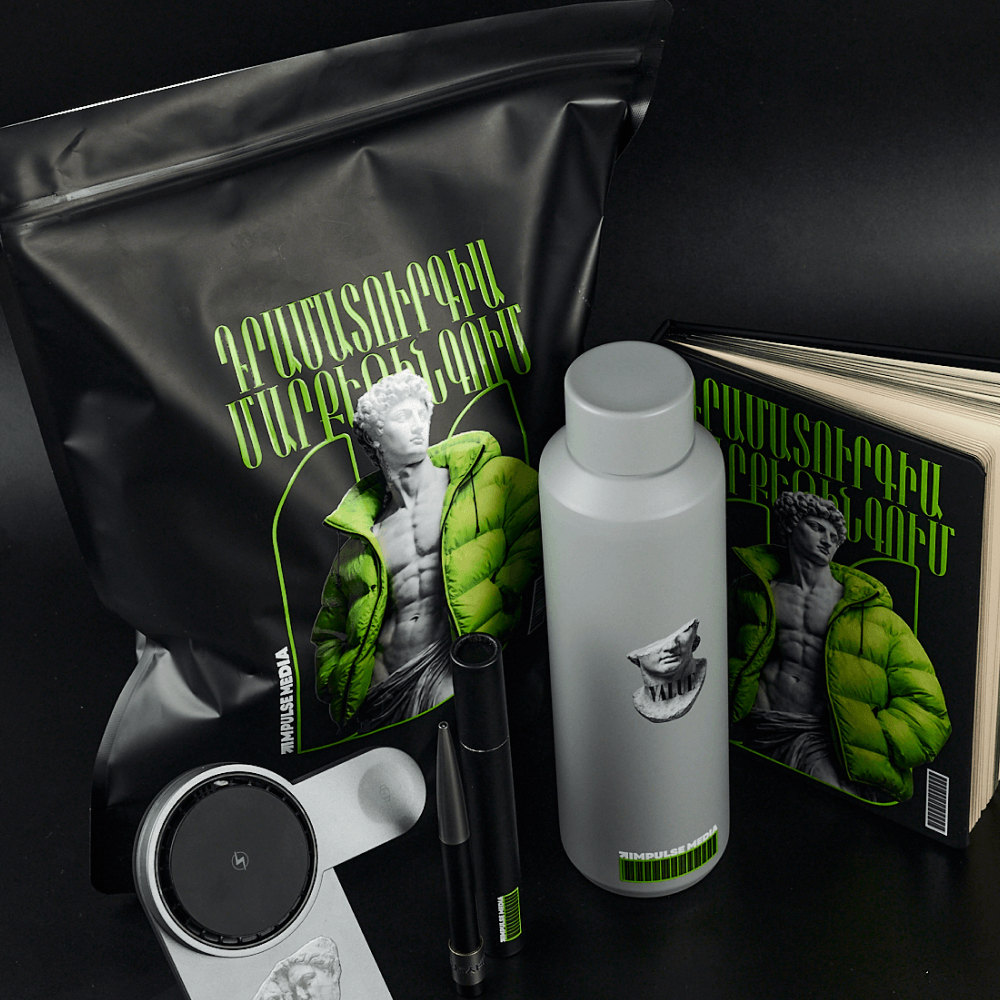
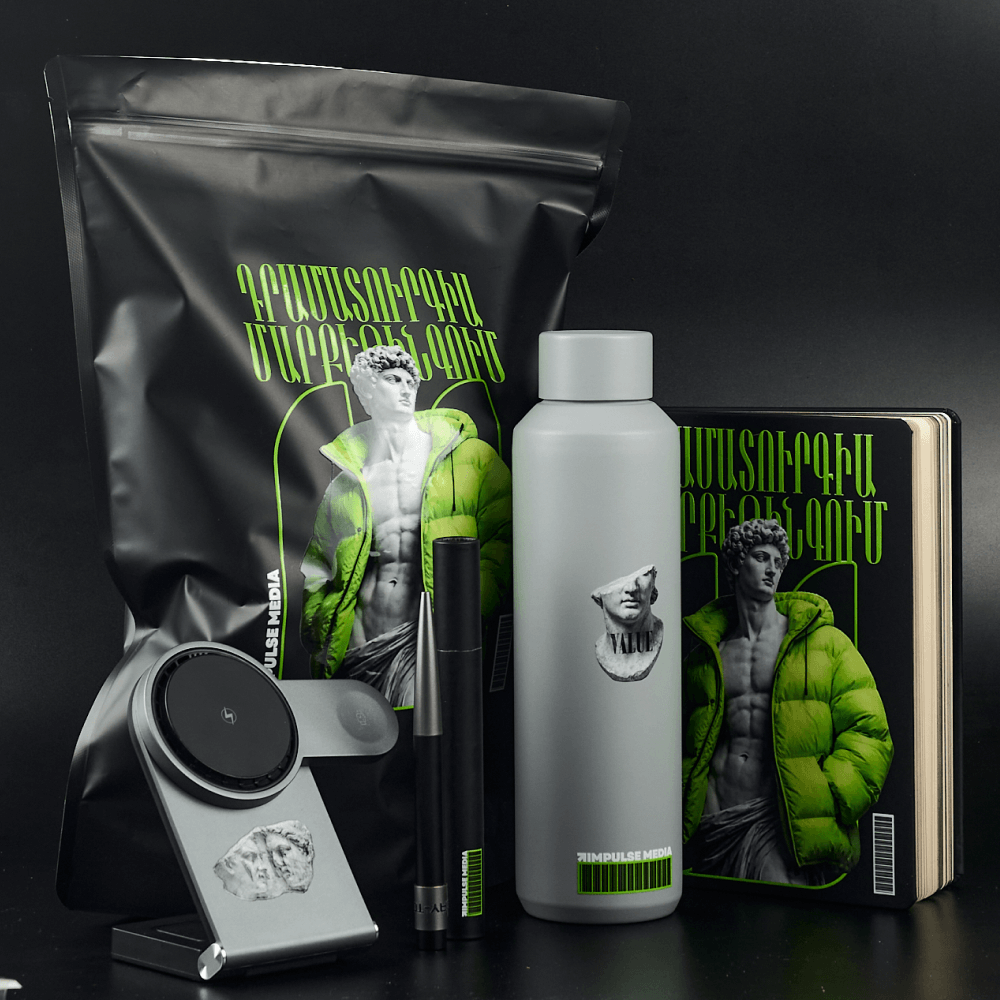
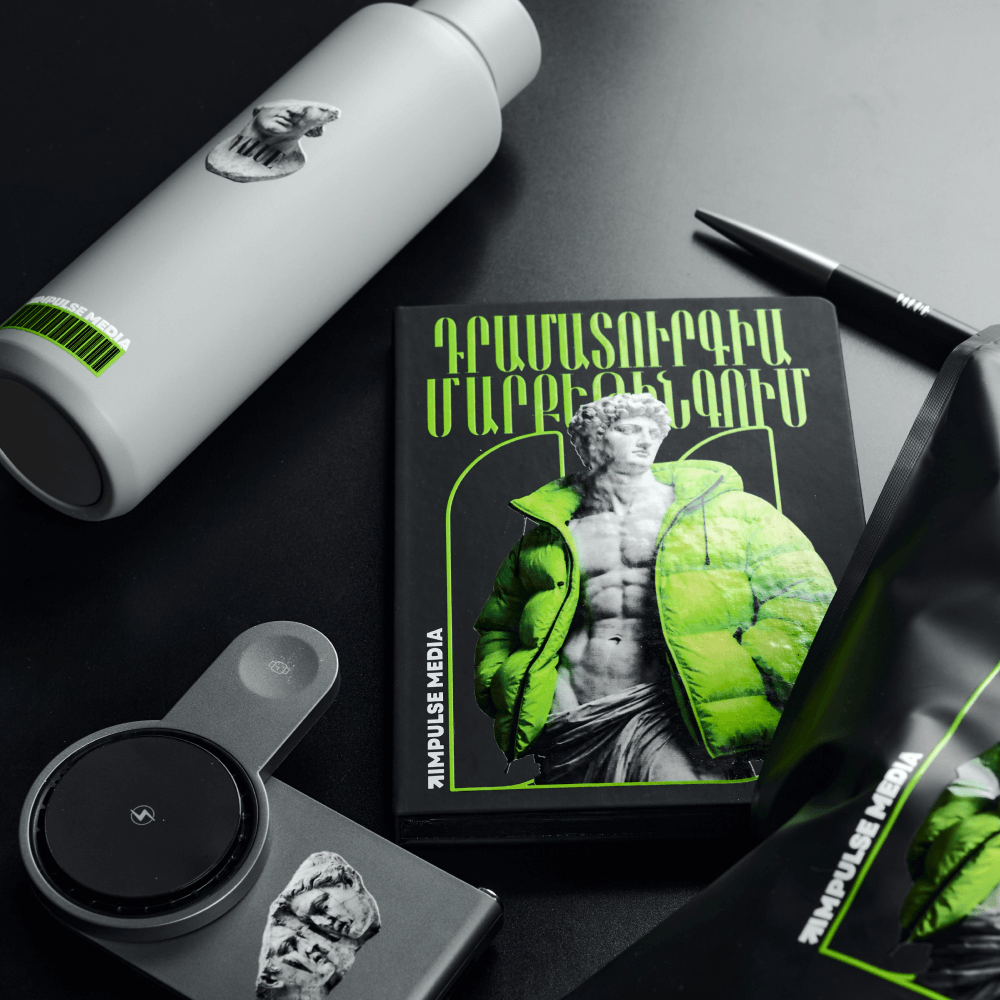
Welcome kit Impulse Media: contents as a unified system
The charger, insulated bottle, mat, and planner illustrate how the set is used at work.

data model
The project may be suited to —. The choice depends on the surface: one plastic takes UV printing well, another needs pad printing; metal may look better engraved, while textiles are checked for fabric weight, color, and transfer durability. The technology is selected after examining the sample, rather than from the category's general name.
The artwork includes the logo's dimensions, spacing, color, and orientation. We check legibility, contrast, and material behavior on a test sample. If the brand color cannot be matched directly, we agree on the closest solution or change the base product; this difference must not be concealed until production. For “How to measure Welcome kit effectiveness,” we check this criterion at the “data model” stage.
Personalizing with names makes the gift more meaningful, but adds data handling and sorting work. You need a consistent list format, spelling checks, a version code, and a clear label. For an international team, the alphabet and card languages are agreed separately. For “How to measure Welcome kit effectiveness,” we check this criterion at the “data model” stage.
Case studies and details of completed projects
Two photos from each project show not only the overall appearance but also the quality of assembly, branding, and packaging.
Case studyWelcome kit Impulse MediaThe charger, insulated bottle, mat, and planner illustrate how the set is used at work.
View case study →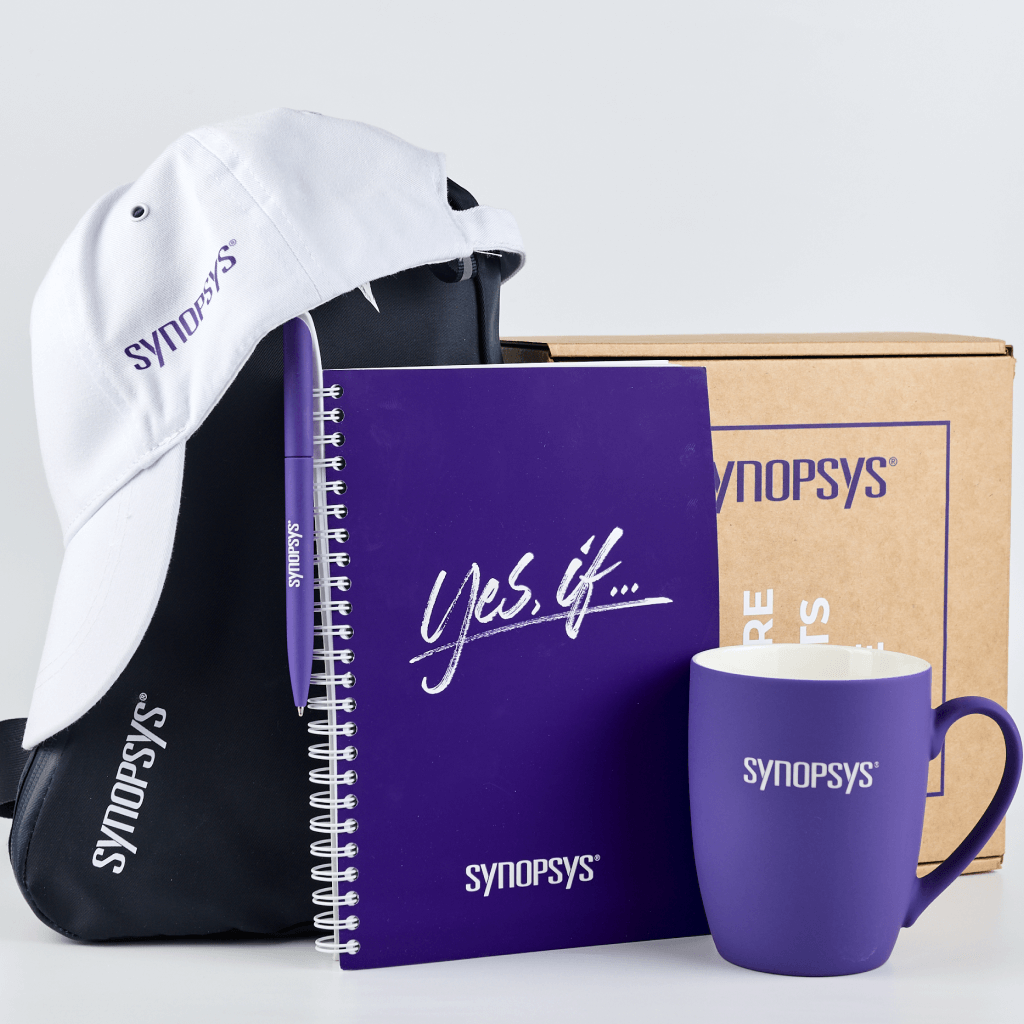
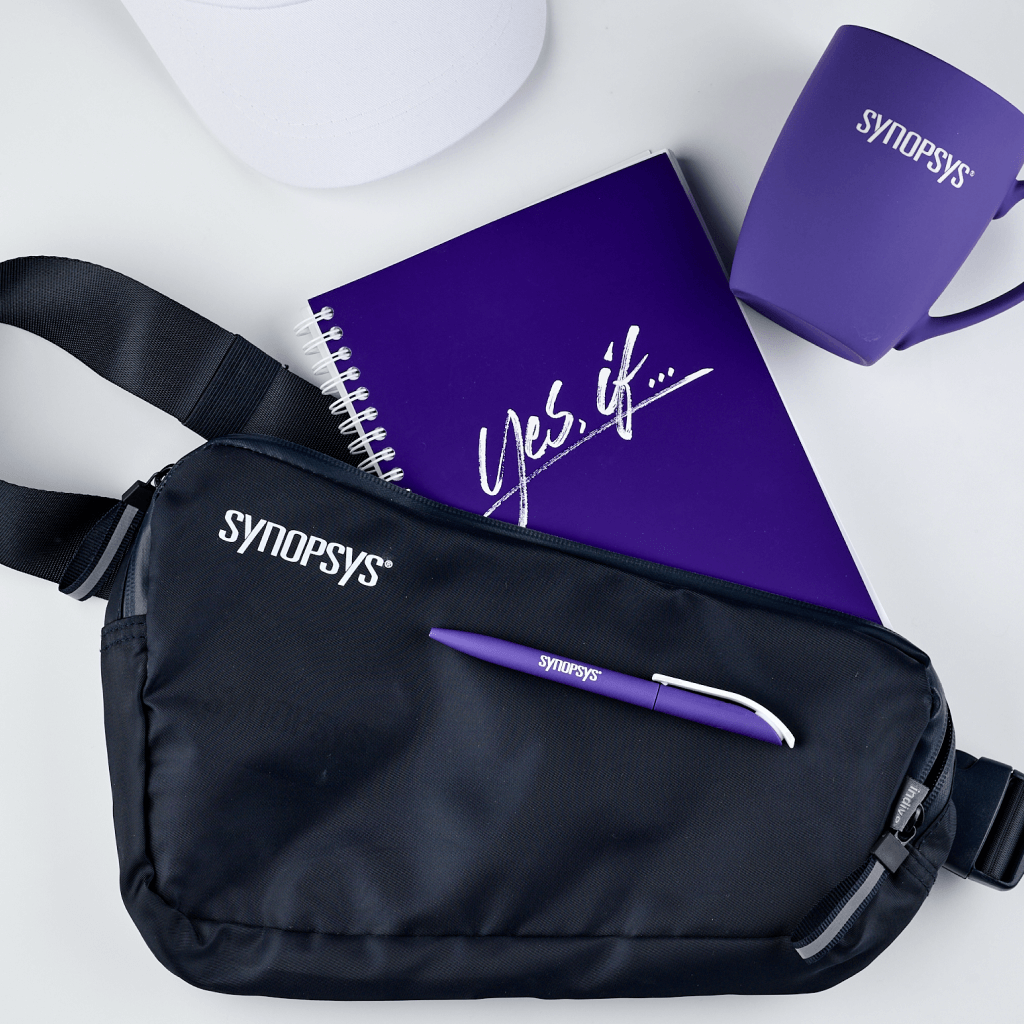 Case studySynopsys
An urban set with a notebook, mug, cap, and waist bag.
View case study →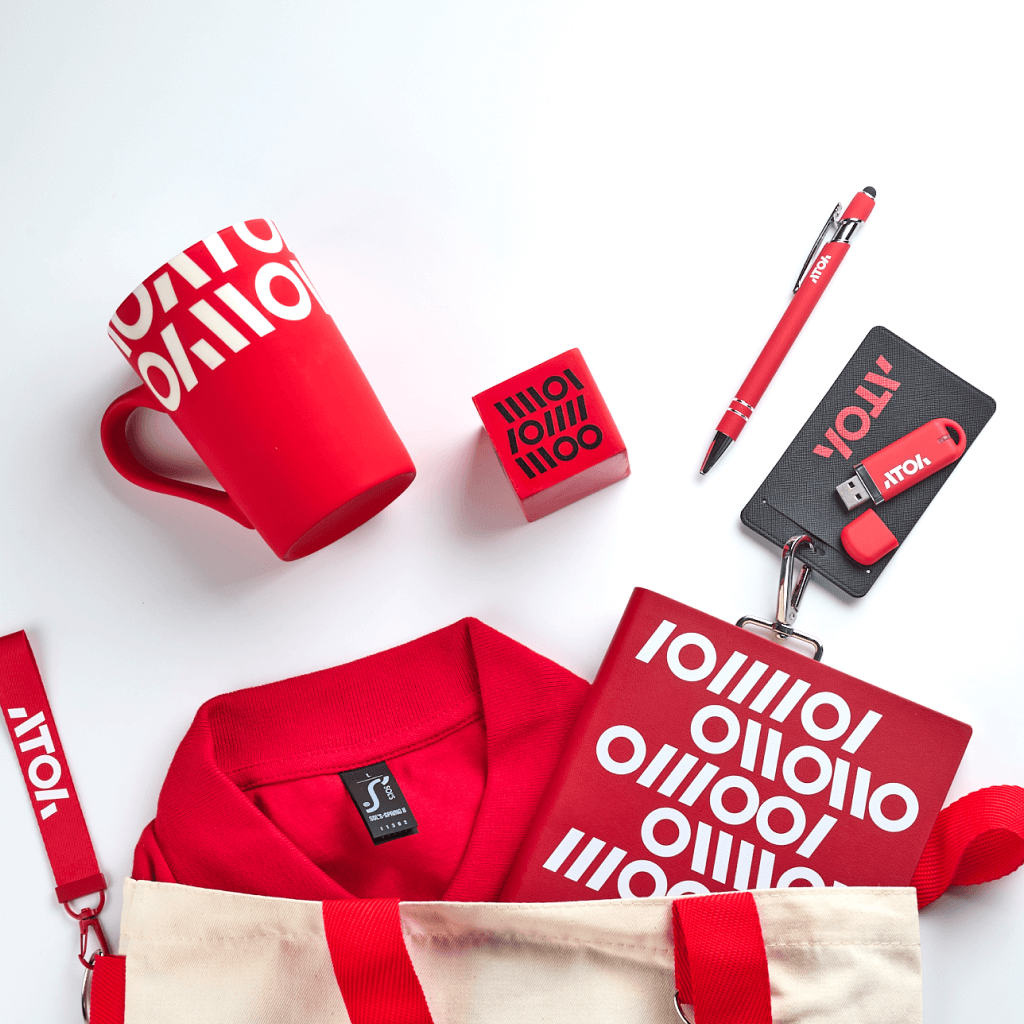
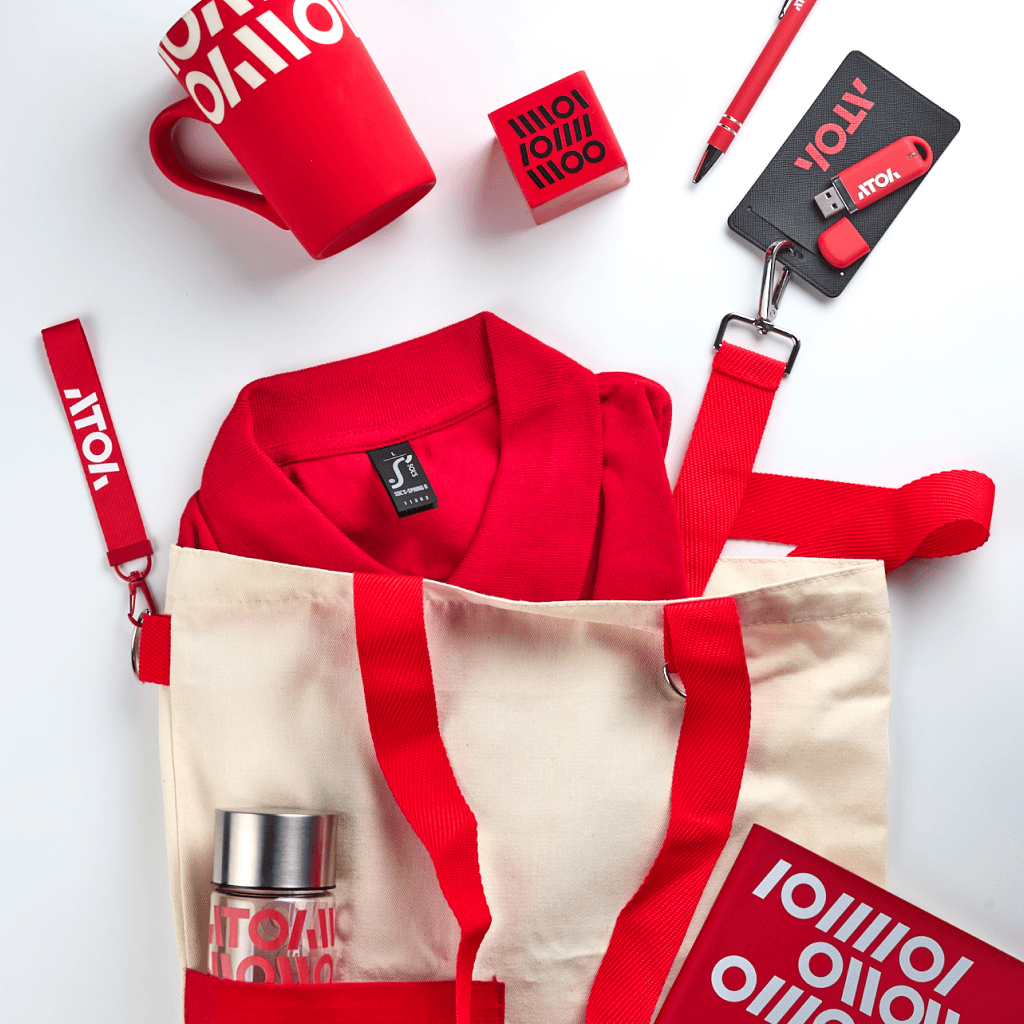 Case studyATOL
tote bag, polo shirt, notebook, pen, flash drive, bottle, mug, stress reliever, fabric key tag, case
View case study →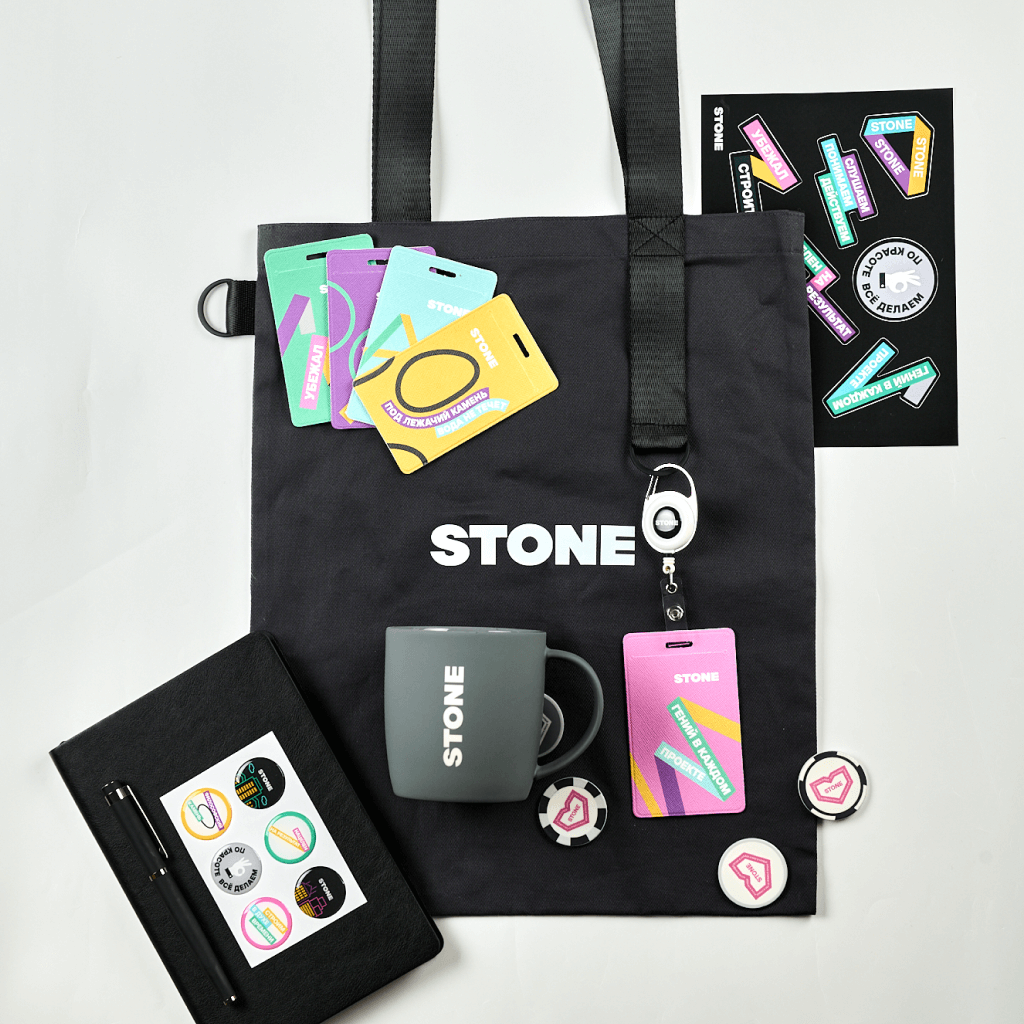
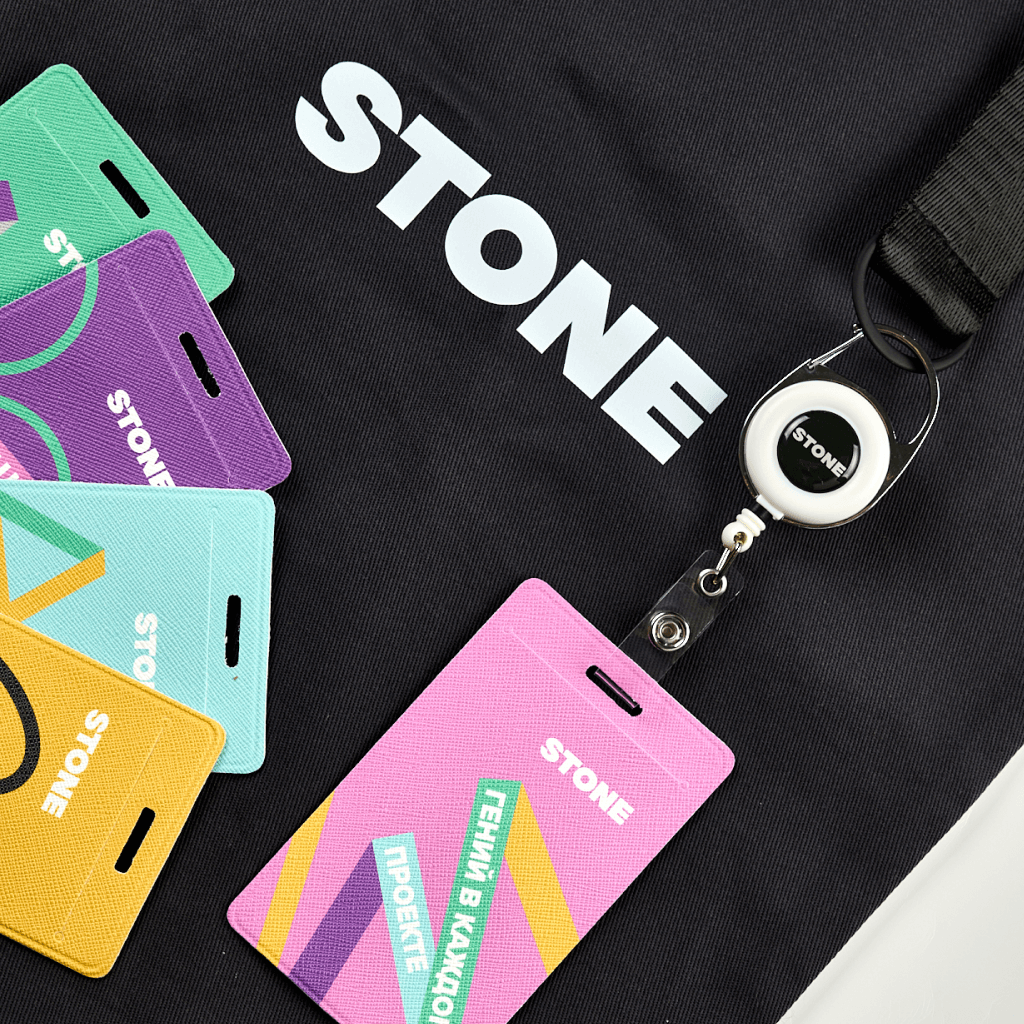 Case studySTONE
A bottle with wraparound engraving, a tote bag, and a badge-holder system.
View case study →case studies
The budget is calculated from the specifications: product, branding, printed materials, packaging, assembly, reserves, and delivery. This estimate helps identify which line adds value and which simply increases the box's volume. Catalog prices can be viewed in rubles or drams, but the project estimate is always tied to a date and confirmed stock. For “How to measure Welcome kit effectiveness,” we check this criterion at the “case studies” stage.
For runs of 30–50 units, in-stock base products and flexible personalization are often the best choice. For 100–1000 sets, batch reserves, a reference sample, and staged acceptance are important. Custom production in Russia, Armenia, Europe, or China makes sense when the schedule allows sampling and logistics without reducing checks. For “How to measure Welcome kit effectiveness,” we check this criterion at the “case studies” stage.
We offer at least one equivalent replacement for critical items. The backup is selected in advance and undergoes the same design review, so the unavailability of one color does not force a last-minute redesign of the entire system. For “How to measure Welcome kit effectiveness,” we check this criterion at the “case studies” stage.
| Stage | What we record | Checkpoint |
|---|---|---|
| Selection | Primary and backup models | Stock, MOQ, color |
| Design | Artwork for each medium | Size and technology |
| Sample | Material and branding | Written approval |
| Order quantity | Batch and reference sample | Interim check |
| Assembly | Contents and labeling | Set checklist |
product-range decisions
The schedule is planned backward from the receipt date, rather than the dispatch date. It separately includes stock reservation, artwork, sampling, production, printed inserts, assembly, and handover for delivery. The exact timeline is established after the model, quantity, and technology are selected. For “How to measure Welcome kit effectiveness,” we check this criterion at the “product-range decisions” stage.
For Moscow and St. Petersburg, you can plan centralized distribution or individual shipments. Orders for major Russian cities are grouped into batches with a register and spare quantities for replacements. Local assembly and pricing in AMD are possible in Yerevan; for a shared program in Russia and Armenia, we maintain one reference standard and check both branches. For “How to measure Welcome kit effectiveness,” we check this criterion at the “product-range decisions” stage.
An international range expands the choice, but does not remove responsibility for documentation, transport packaging, and sample inspection. We compare local, mixed, and import options by timing and risk, rather than choosing a production country for an appealing description. For “How to measure Welcome kit effectiveness,” we check this criterion at the “product-range decisions” stage.
- Set one receipt date for each city.
- Separate office handover from individual delivery.
- Add spare quantities for replacements and new employees.
- Label the versions without revealing their contents.
- Maintain a record of assembly, handover, and receipt.
Synopsys: branding and packaging details
An urban set with a notebook, mug, cap, and waist bag.
dashboard
For the initial selection, provide the quantity, cities, date, audience, desired level of contents, and constraints. It helps to attach the brand guidelines, examples of previous gifts, and a list of categories that are definitely unsuitable. The manager will gather the remaining questions into a short working brief. For “How to measure Welcome kit effectiveness,” we check this criterion at the “dashboard” stage.
In response, the Impulse Media team will prepare several clear options, links to actual products, branding options, and a preliminary schedule. We will show where an in-stock base product can speed things up and where a custom detail is worth keeping. For “How to measure Welcome kit effectiveness,” we check this criterion at the “dashboard” stage.
Before launch, the final specifications, artwork, reference sample, address register, and substitution rules are released for production. This makes how to measure Welcome kit effectiveness a manageable project: the client sees both an attractive selection and the entire process through to handover.
Water bottles and useful electronics
First compare four products with one function, then four with a second function. Any item can be replaced without losing the set's logic.
Water bottles
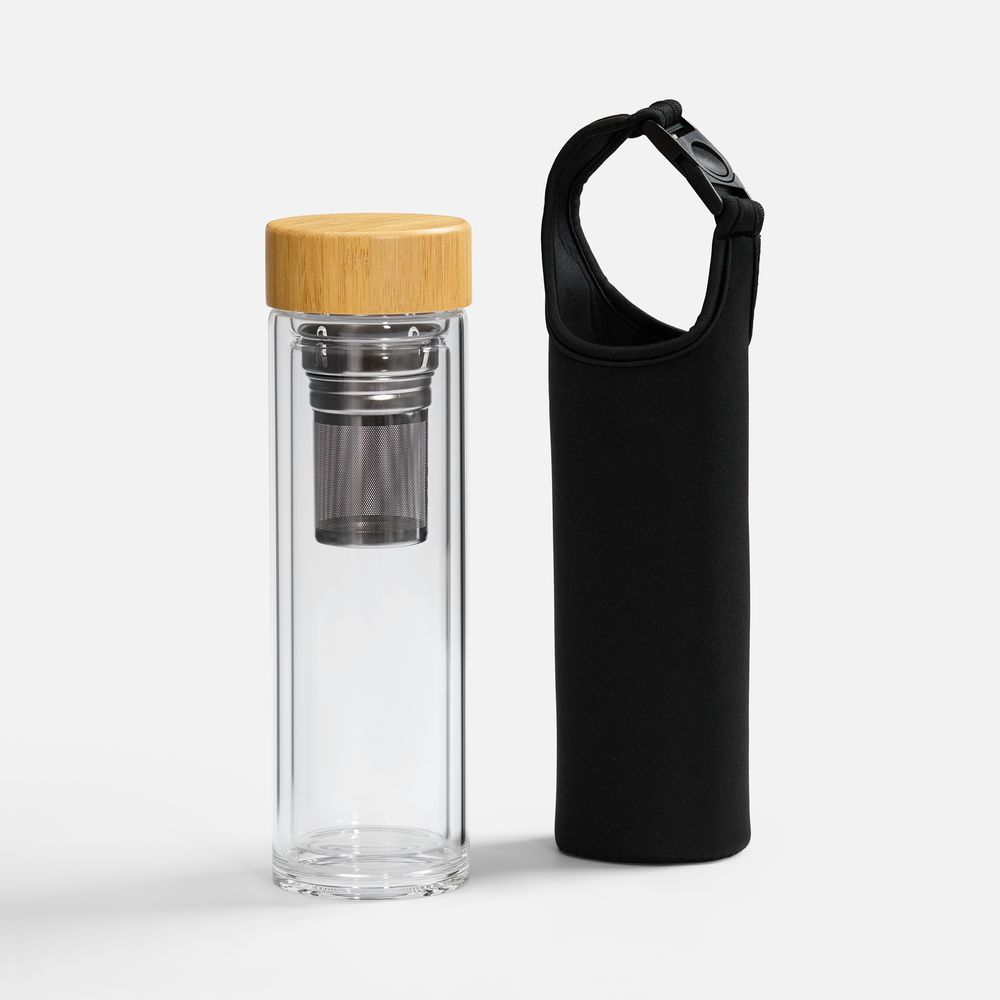 Water bottlesFreshman double-wall insulated bottleSuitable for the “water bottles” section; we will confirm branding and availability for the order quantity.Open in the catalog →
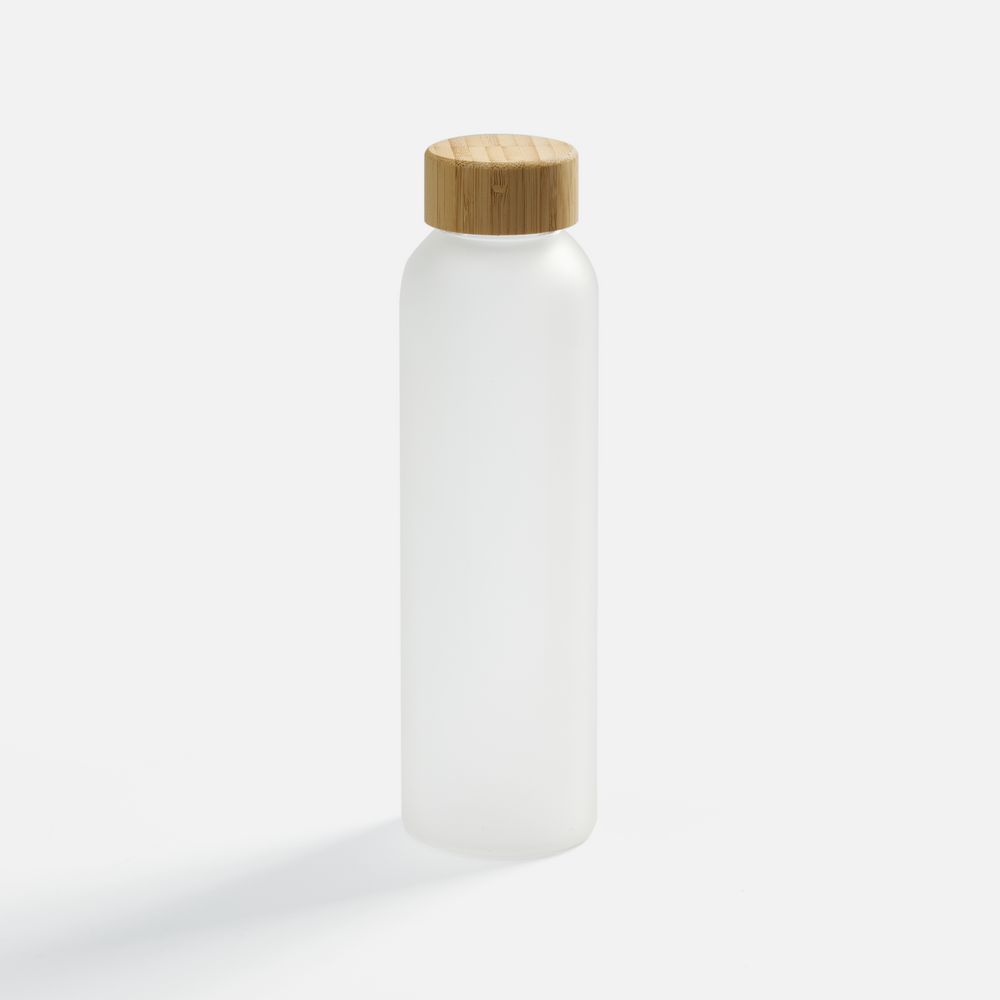 Water bottlesNube water bottleSuitable for the “water bottles” section; we will confirm branding and availability for the order quantity.Open in the catalog →
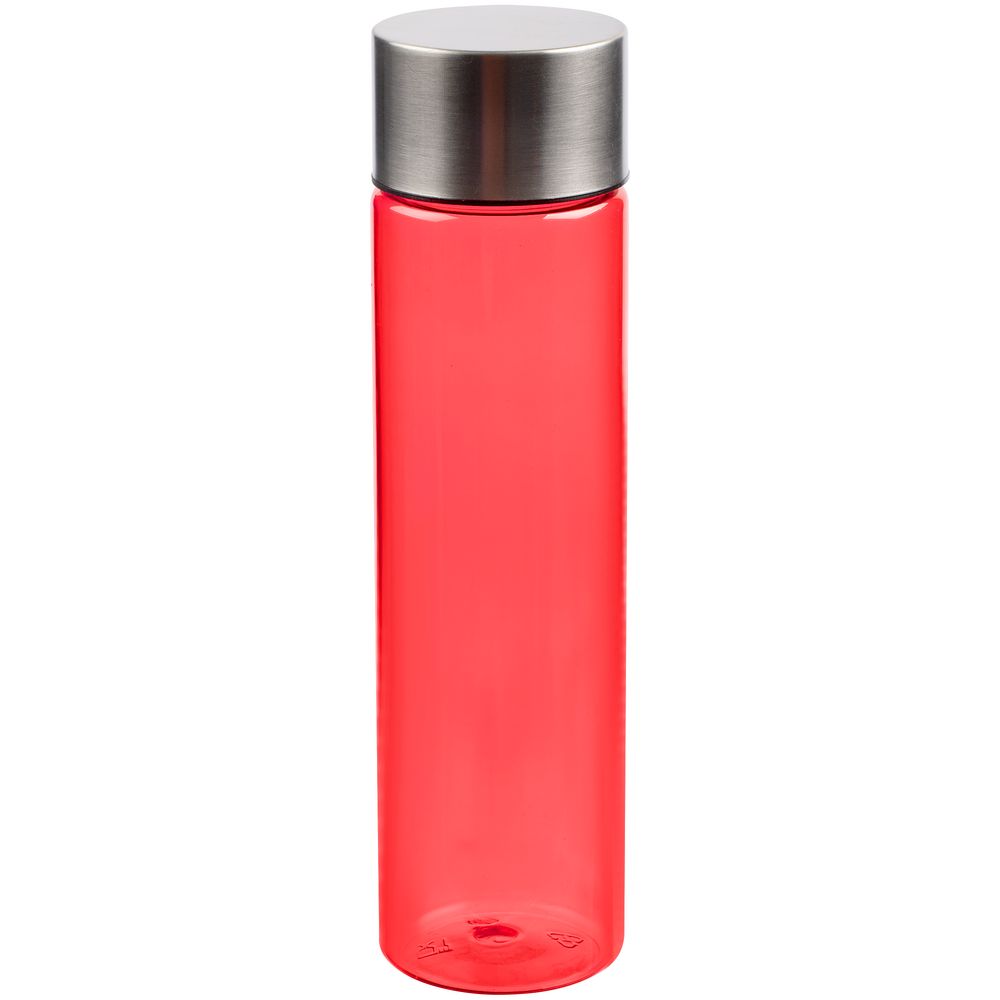 Water bottlesMisty water bottleSuitable for the “water bottles” section; we will confirm branding and availability for the order quantity.Open in the catalog →
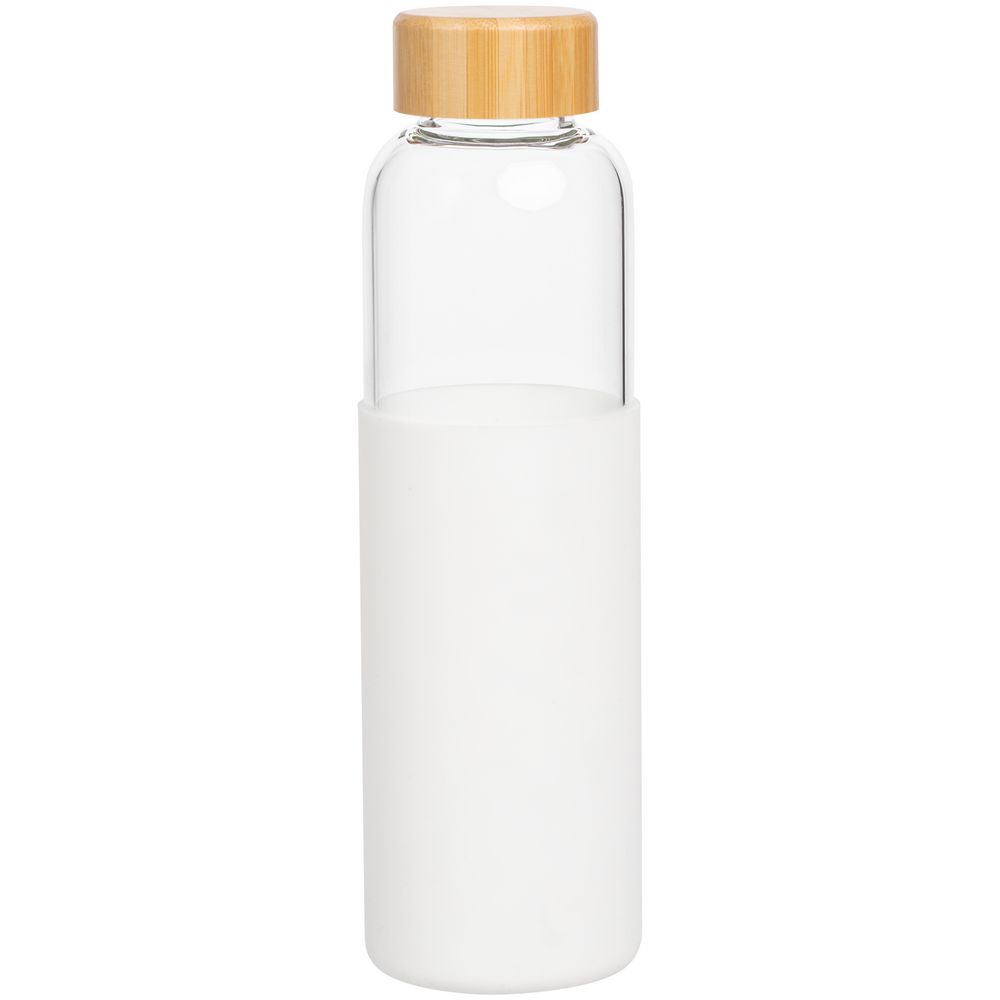 Water bottlesOnflow water bottleSuitable for the “water bottles” section; we will confirm branding and availability for the order quantity.Open in the catalog →
Useful electronics
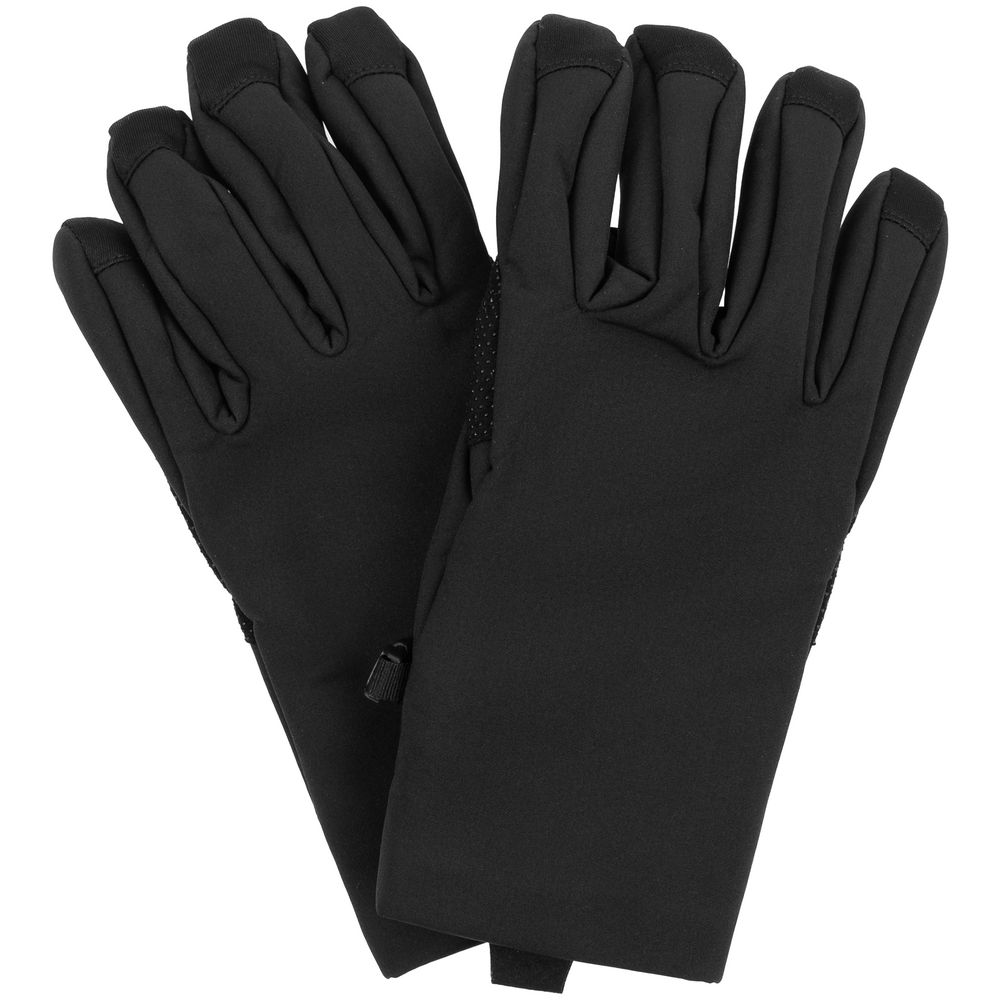 Useful electronicsMatrix glovesSuitable for the “useful electronics” section; we will confirm branding and availability for the order quantity.Open in the catalog →
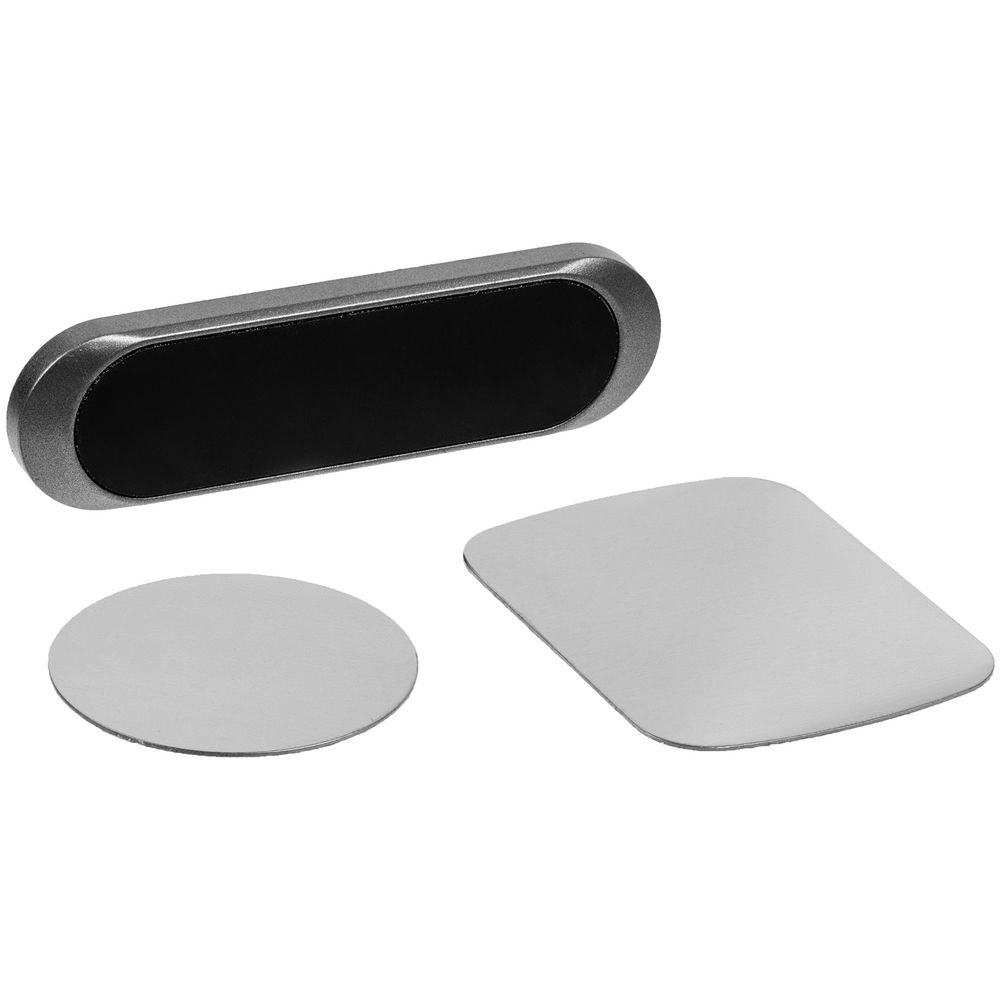 Useful electronicsInch magnetic smartphone holderSuitable for the “useful electronics” section; we will confirm branding and availability for the order quantity.Open in the catalog →
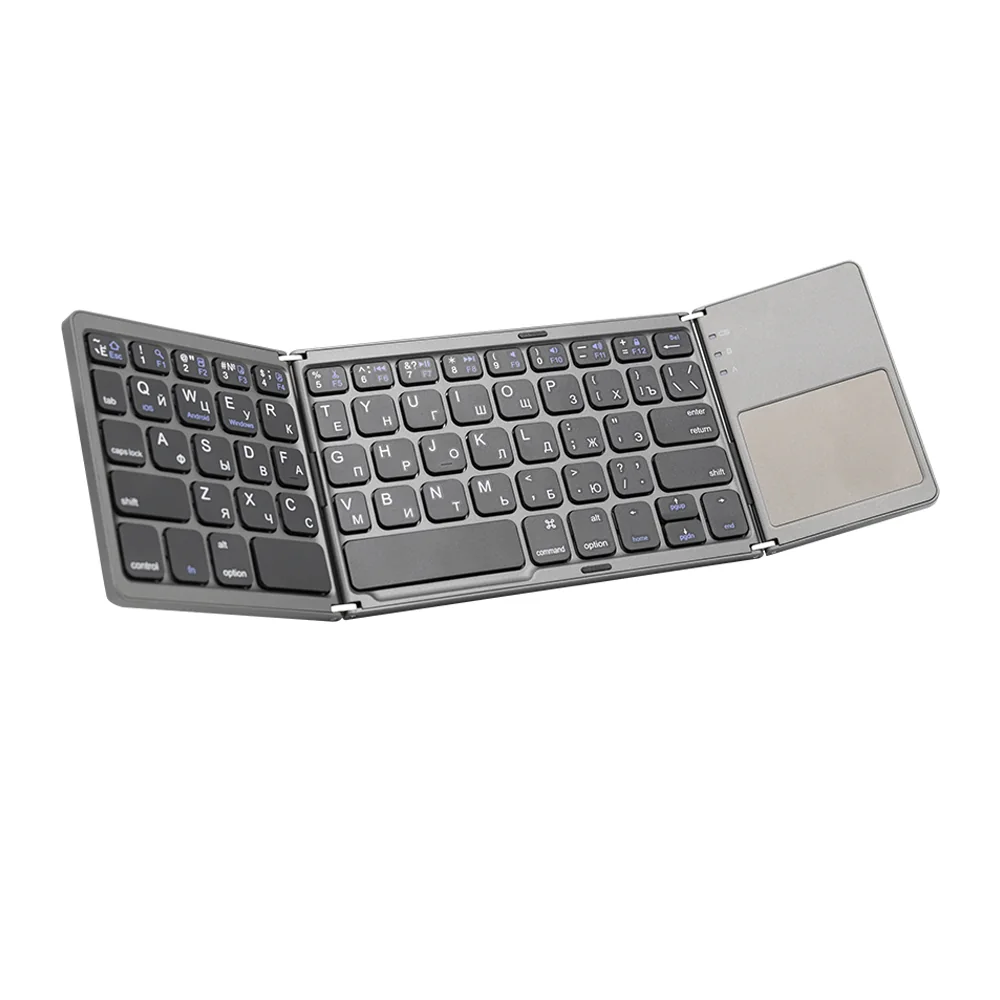 Useful electronicsFlexibord portable mini keyboard with touchpadSuitable for the “useful electronics” section; we will confirm branding and availability for the order quantity.Open in the catalog →
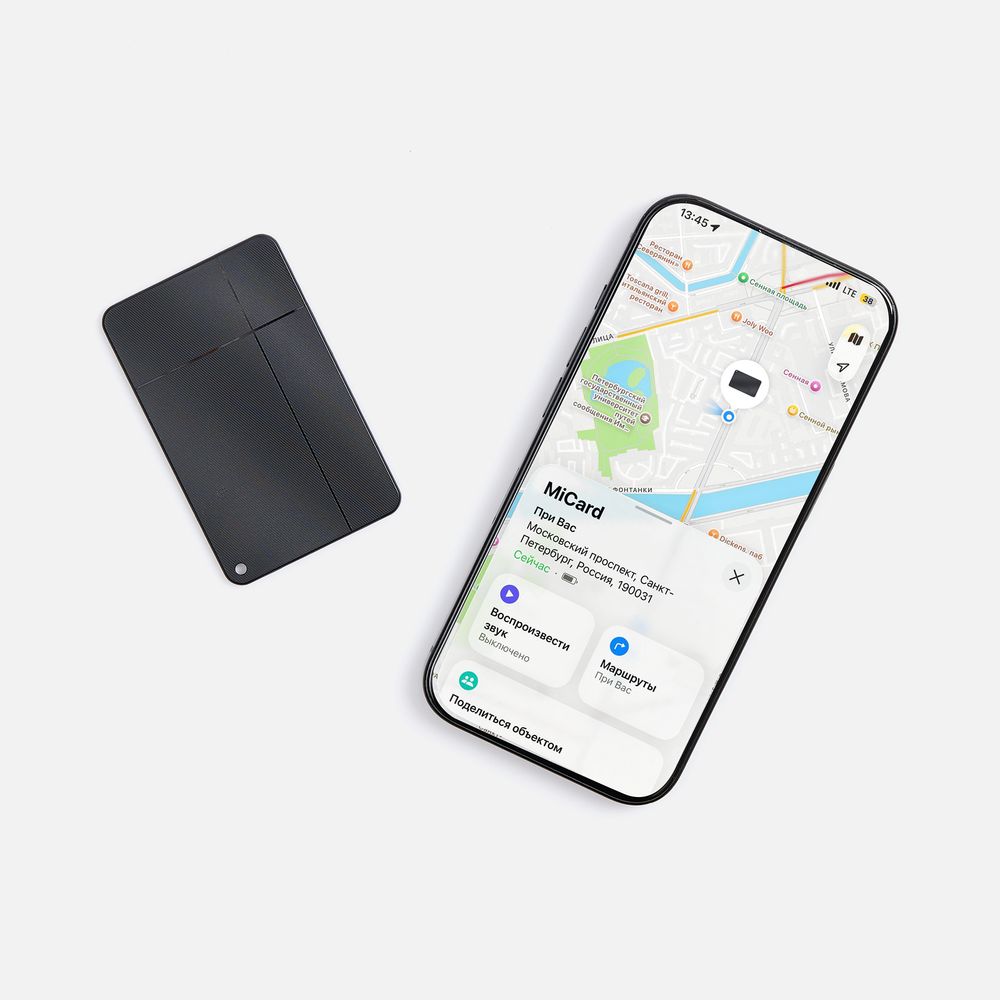 Useful electronicsMiCard Pro Duo electronic business card trackerSuitable for the “useful electronics” section; we will confirm branding and availability for the order quantity.Open in the catalog →
Frequently asked questions
Which metrics should be collected?
Start with the use case, order quantity, and date. For how to measure Welcome kit effectiveness, we will suggest several comparable options and check stock before the design is approved.
When should the survey be conducted?
For “How to measure Welcome kit effectiveness,” yes, if the item's function is clear to most recipients. Questionable categories are best replaced or offered as an optional choice.
How can you separate the quality of the kit from the quality of onboarding?
For the “How to measure Welcome kit effectiveness” project, only after testing on the specific material. The branding technology, color, and size are specified in the artwork and sample.
Can products be selected in rubles and drams?
Yes. For “How to measure Welcome kit effectiveness,” you can switch between RUB and AMD in the catalog, while we issue the project estimate with a date and validity period.
Can part of the order be produced in another country?
Yes. For the “How to measure Welcome kit effectiveness” project, we work with suppliers in Russia, Armenia, Europe, and China, choosing an approach based on timing, technology, and quality control.